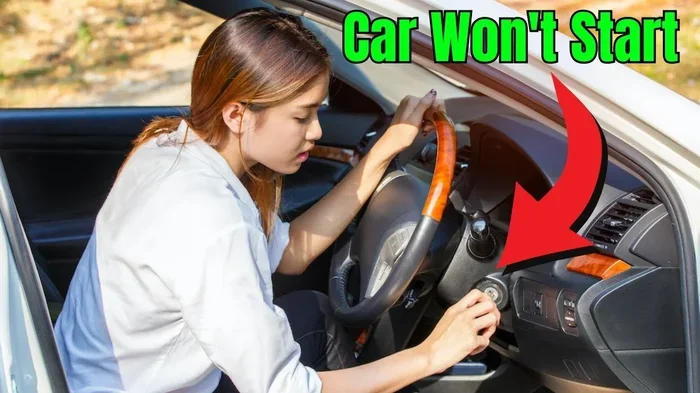
Car Wont Start Then Starts Later Here Is Why It Happens
A car that won’t start then starts later is a frustrating but common problem. The issue usually traces back to the battery, starter motor, ignition switch, or fuel system. Heat soak, corroded terminals, and faulty relays are the usual suspects. You can often narrow down the cause with a few simple checks. This guide walks you through every reason and fix step by step.
There is nothing worse than turning your key and hearing silence. You try again. Nothing. You wait a few minutes. Then, suddenly, the engine turns over and fires right up. This maddening cycle is what mechanics call an intermittent starting problem. If your car won’t start then starts later, you are not alone. Millions of drivers face this exact issue every year.
The good news is that most causes are simple and affordable to fix. Some are even things you can handle yourself at home. This guide breaks down every possible reason your car won’t start then starts later. You will learn what to look for, what to try first, and when to call a professional. Let us get into it.
Key Takeaways
- Battery problems cause most cases: A weak or aging battery often fails when cold but works once it warms up.
- Starter motor and solenoid issues are common: These parts wear out over time and cause intermittent failures.
- Heat soak can trick you: Your car may refuse to start right after turning off a hot engine.
- Corroded battery terminals are easy to fix: A quick cleaning often solves the problem in minutes.
- Fuel pump and relay faults matter too: These parts fail intermittently and are harder to diagnose.
- Know when to see a mechanic: Some causes need professional tools and expertise to fix properly.
- Prevention saves money: Regular maintenance keeps your starting system reliable for years.
📑 Table of Contents
- Why Does a Car Won’t Start Then Starts Later?
- Common Culprits Behind Intermittent Starting Problems
- How to Diagnose Why Your Car Won’t Start Then Starts Later
- Quick Fixes and Temporary Solutions
- When to See a Mechanic
- How to Prevent Intermittent Starting Issues
- Comparison: Common Causes of Car Won’t Start Then Starts Later
- Final Thoughts on Car Won’t Start Then Starts Later
Why Does a Car Won’t Start Then Starts Later?
An intermittent starting issue can feel like a mystery. Your car behaves perfectly one moment and refuses to cooperate the next. The truth is, several systems work together to start your engine. If any one of them fails temporarily, you get the no-start condition. Here are the main reasons this happens.
1. Battery Problems
Your battery is the number one suspect when car won’t start then starts later. A weak battery may have just enough charge to start the engine after resting. But under load, it simply cannot deliver the power needed.
Cold weather makes this worse. Batteries lose strength in low temperatures. If you notice the problem happens more in winter, your battery is likely the culprit. A battery that is more than three to five years old deserves a close look.
Here are common battery-related signs:
- Slow cranking: The engine turns over sluggishly.
- Dim headlights: Lights flicker when you turn the key.
- Clicking sound: You hear a rapid click but no crank.
- Corroded terminals: White or green buildup on battery posts.
A simple voltage test can confirm a weak battery. Most auto parts stores test batteries for free. If your battery reads below 12.4 volts, it needs charging or replacement.
2. Starter Motor and Solenoid Issues
The starter motor is what actually cranks your engine. The solenoid acts as a switch that sends power to the starter. When either part fails intermittently, your car won’t start then starts later becomes a regular occurrence.
Starter motors wear out over time. The internal brushes degrade and make contact inconsistently. This means the starter might work fine when cold but fail when hot. Or it might work after you let it rest for a few minutes.
Watch for these warning signs of a failing starter:
- Grinding noise: A grinding sound when you turn the key.
- Intermittent engagement: The starter works sometimes but not others.
- No response at all: Complete silence when you turn the key.
- Starter stays on: A whining noise that continues after the engine starts.
Replacing a starter motor costs between $200 and $450 for most vehicles. It is a job a skilled DIYer can handle, but a mechanic can do it quickly too.
3. Ignition Switch Failure
The ignition switch is the part you turn to start the car. Inside, electrical contacts wear down over thousands of uses. When these contacts fail, they can interrupt the signal to the starter and fuel system.
An ignition switch problem often causes car won’t start then starts later scenarios. The switch might work when the electrical load is low. But when multiple systems demand power at once, the worn contacts cannot handle it.
Try this simple test. Turn your key to the “on” position and see if your dashboard lights come on steadily. If they flicker or go dim, the ignition switch could be failing. This is a common issue in older vehicles with high mileage.
4. Fuel Pump and Relay Problems
Your engine needs fuel to run. The fuel pump delivers gasoline from the tank to the engine. If the fuel pump or its relay fails intermittently, your car may not start until the part cools down or resets.
Heat soak is a big factor here. When your engine is hot and you turn it off, the fuel pump can overheat. It then fails to prime the system when you try to restart immediately. After letting the car sit for a while, the pump cools and works again.
Signs of a fuel pump issue include:
- Long crank before starting: The engine takes several seconds to catch.
- Stalling under load: The car dies when accelerating hard.
- Loss of power at highway speeds: The engine feels weak and sluggish.
- Whining noise from the rear seat: A loud whine comes from the fuel tank area.
A fuel pump replacement typically costs $400 to $800. The relay is much cheaper, usually under $30. A mechanic can test both quickly with a pressure gauge and a multimeter.
5. Corroded or Loose Battery Connections
This is the simplest and most overlooked cause of car won’t start then starts later. Corrosion builds up on battery terminals over time. It creates resistance that blocks electrical current from reaching the starter.
The corrosion may be bad enough to prevent starting when the engine is cold. But once the battery warms up, the chemical reaction improves and enough current gets through. This is why the car starts after waiting a few minutes.
You can fix this yourself in minutes. Here is what to do:
- Disconnect the battery cables. Always remove the negative cable first.
- Inspect the terminals for white, blue, or green buildup.
- Mix baking soda with water and apply it to the corroded areas.
- Scrub gently with an old toothbrush or wire brush.
- Rinse with clean water and dry thoroughly.
- Reconnect the cables and apply a thin layer of petroleum jelly.
Preventing future corrosion is easy. Use anti-corrosion washers or terminal protectors. They cost just a few dollars and last for years.
6. Faulty Relay or Fuse
Relays and fuses control electrical circuits in your car. A failing relay can cut power to the starter or fuel pump at random times. The circuit may work again once the relay cools or resets.
Relay problems are a sneaky cause of car won’t start then starts later. They often mimic battery or starter issues because the symptoms look the same. The key difference is that a relay problem is completely random and unpredictable.
Your owner’s manual shows the location of every relay in the fuse box. You can swap a suspected relay with one of the same type to test it. If the car starts after the swap, you found your problem.
Common Culprits Behind Intermittent Starting Problems
Not all starting problems are the same. Different causes produce different symptoms. Understanding these differences helps you narrow down the issue faster. Here is a breakdown of the most common culprits.
Electrical Connection Issues
Loose or damaged wiring can cause intermittent starting failures. Vibration from driving can shake a connection loose over time. Heat from the engine can also degrade wire insulation and cause shorts.
Common electrical connection problems include:
- Ground wire corrosion: The ground strap connecting the battery to the chassis rusts.
- Frayed starter wires: The wires to the starter motor wear through from rubbing.
- Ignition coil faults: A failing coil causes intermittent spark loss.
Heat Soak and Temperature Effects
Heat soak happens when your engine is hot and the car refuses to restart. This is very common in summer or after long drives. The heat damages sensitive electrical components temporarily.
Several parts are vulnerable to heat soak:
- Starter motors: Internal windings weaken when hot.
- Fuel pumps: They lose pressure when overheated.
- Relays: The coil inside can fail when hot.
- ECU sensors: The engine computer gives bad signals when hot.
If your car only fails to start when hot, heat soak is likely the cause. Letting the car cool for 15 to 20 minutes usually restores normal function.
Cold Weather Starting Difficulties
Cold weather is the enemy of starting systems. Battery capacity drops significantly in low temperatures. Engine oil thickens and makes the cranking harder. Starter motors work harder and wear faster in the cold.
If your car won’t start then starts later mostly in winter, the battery is your first suspect. A battery that is marginal in summer often fails completely in winter. Consider upgrading to a higher cold cranking amp (CCA) rating if you live in a cold climate.
How to Diagnose Why Your Car Won’t Start Then Starts Later
Diagnosing an intermittent starting problem requires patience and a systematic approach. You want to rule out the easy and cheap fixes first. Then work your way toward more complex causes. Here is a step-by-step diagnostic process.
Step 1: Check the Battery
Start with the battery. It is the most common cause and the easiest to check. Use a multimeter to measure the voltage across the terminals. A fully charged battery should read 12.6 volts or higher.
Next, turn the key and watch the voltage. If it drops below 10 volts during cranking, the battery is too weak. A load test at an auto parts store gives a definitive answer.
Step 2: Inspect the Terminals and Cables
Look closely at the battery terminals. Any white, blue, or green crusty buildup means corrosion. Check the cable ends too. They should be tight and free of green or white deposits.
Clean any corrosion you find. Tighten loose connections. If the cables are cracked or frayed, replace them. New battery cables cost $20 to $50 and make a huge difference.
Step 3: Listen for the Starter
When you turn the key, listen carefully. Do you hear a single click? A rapid clicking? Or complete silence? Each sound tells a different story.
- Single click: The solenoid engages but the starter does not turn.
- Rapid clicking: The battery has power but not enough to crank.
- Silence: The ignition switch, starter, or a relay is the problem.
Step 4: Test the Fuel System
Turn the key to the “on” position without starting the engine. You should hear a brief humming sound from the back of the car. That is the fuel pump priming the system. No hum means the pump or relay could be failing.
A fuel pressure gauge connects to the fuel rail and shows real-time pressure. Low or dropping pressure points to a weak fuel pump. A mechanic can run this test in minutes.
Step 5: Scan for Error Codes
Modern cars store error codes when something goes wrong. An OBD2 scanner reads these codes and points you in the right direction. You can buy a basic scanner for under $30 or use one at an auto parts store for free.
Codes related to the crankshaft position sensor, camshaft sensor, or fuel system often explain why car won’t start then starts later. Write down any codes you find and share them with your mechanic.
Quick Fixes and Temporary Solutions
While you figure out the root cause, these quick fixes can get you back on the road. None of these are permanent solutions, but they work in a pinch.
Try Cycling the Key
Turn the key to the “on” position and wait 10 seconds. Then turn it back to “off.” Repeat this three times. This primes the fuel pump and can reset a sticking relay. It works surprisingly often for heat-soak starting issues.
Tap the Starter Motor
A failing starter sometimes has stuck brushes. A firm tap on the starter body with a wrench or hammer can dislodge them. Have someone turn the key while you tap the starter. This is a temporary fix, but it can get you home.
Clean the Battery Terminals
If you see corrosion, clean it with a baking soda solution. Even a thin layer of corrosion can block enough current to prevent starting. After cleaning, the car may start immediately.
Check the Fuel Level
This sounds obvious, but it is worth checking. A low fuel level can cause the fuel pump to suck air. This creates air locks that prevent starting. Topping off the tank sometimes solves the problem entirely.
Quick Tips to Remember
- Keep jumper cables or a portable jump starter in your trunk.
- Replace your battery every 3 to 5 years, even if it seems fine.
- Clean battery terminals twice a year to prevent corrosion buildup.
- Listen for the fuel pump hum when you turn the key to “on.”
- Never ignore a single click or grinding noise from the starter.
When to See a Mechanic
Some starting problems are beyond a DIY fix. Knowing when to seek professional help saves time and prevents further damage. Here are clear signs you need a mechanic.
If you have checked the battery, cleaned the terminals, and the problem still happens, it is time for expert help. Intermittent electrical faults are tricky to diagnose without specialized tools. A professional mechanic has diagnostic scanners, oscilloscopes, and years of experience.
Also see a mechanic if you notice any of these signs:
- Multiple no-start episodes in one week: The problem is getting worse.
- Strange smells or smoke: This could indicate an electrical short.
- Dashboard warning lights: The check engine light or battery light is on.
- Stalling after starting: The engine starts but dies right away.
- No response at all when turning the key: Complete electrical failure.
A mechanic can run a full starting system diagnostic. This typically costs $50 to $100 and gives you a clear picture of what needs fixing. It is money well spent before you replace parts blindly.
How to Prevent Intermittent Starting Issues
Prevention is always better than repair. A few simple habits keep your starting system healthy and reliable. Here is what you can do.
Maintain Your Battery Regularly
Check your battery voltage every few months. A healthy battery stays above 12.4 volts when the car is off. Clean the terminals at least twice a year. Replace the battery before it becomes a problem, not after.
Keep Your Fuel System Clean
Use quality fuel from reputable stations. Add a fuel system cleaner every 10,000 miles. This keeps the fuel pump and injectors in good shape. A clean fuel system starts more reliably.
Address Small Problems Early
Do not ignore warning signs. A slow crank, a faint click, or dim lights are your car telling you something is wrong. Address these early and you avoid the full no-start scenario later.
Protect Your Car from Heat
Heat damages electrical components over time. Park in the shade or a garage when possible. A sunshade on the windshield reduces interior heat. This simple habit extends the life of your starter, fuel pump, and relays.
Expert Insight
Experienced mechanics say that most intermittent starting problems come down to three things: the battery, the starter, or the fuel pump. Start with those three systems and work outward. You will solve the majority of cases without expensive diagnostics.
Comparison: Common Causes of Car Won’t Start Then Starts Later
Not sure which cause matches your symptoms? This table compares the most common reasons and how they present.
| Cause | Main Symptom | When It Happens | Repair Cost | DIY Fixable? |
|---|---|---|---|---|
| Weak Battery | Slow crank or clicking | Cold mornings or after sitting overnight | $50 to $150 | Yes |
| Corroded Terminals | Intermittent no-start | After driving or in humid weather | $5 to $20 (cleaning) | Yes |
| Failing Starter | Grinding or single click | Sometimes after engine is hot | $200 to $450 | Advanced |
| Bad Ignition Switch | No dash lights or flickering | Random, often after key jiggling | $100 to $250 | Intermediate |
| Fuel Pump Failure | Long crank or no start when hot | After running engine is hot | $400 to $800 | No |
| Faulty Relay | Complete silence when turning key | Random and unpredictable | $10 to $50 | Yes |
Use this table as a starting point for your diagnosis. Match your symptoms to the most likely cause. Then follow the diagnostic steps above to confirm your findings.
Final Thoughts on Car Won’t Start Then Starts Later
A car won’t start then starts later problem is almost always fixable. The key is to stay calm and work through the possible causes one by one. Start with the battery and terminals. Those are the easiest and cheapest to check. Then move on to the starter, ignition switch, and fuel system.
Most drivers find the solution within the first few checks. Corroded terminals and weak batteries account for the majority of cases. A little maintenance goes a long way toward preventing this problem from returning.
If the problem persists after your own checks, do not hesitate to visit a trusted mechanic. An intermittent starting fault can be tricky, but a professional has the tools to pin it down quickly. The sooner you address it, the safer and more reliable your daily driving will be.
Take care of your starting system today. Your future self will thank you every time you turn that key and the engine fires right up, no questions asked.
Frequently Asked Questions
Why does my car start fine after sitting for a while?
When your car sits, components cool down and electrical connections reset. A weak battery may recover enough charge to start the engine after resting. Corroded terminals also improve once the chemical reaction slows down. This is a classic sign of a battery or connection issue.
Can a bad ignition switch cause my car not to start randomly?
Yes, a worn ignition switch interrupts the electrical signal to the starter and fuel system. The contact points inside the switch degrade over time. This causes random no-start conditions that come and go without warning.
How do I know if my fuel pump is failing?
Listen for the fuel pump hum when you turn the key to the “on” position. No sound means the pump may be dead or the relay is faulty. Other signs include long cranking, stalling under load, and loss of power at speed. A fuel pressure test confirms the diagnosis.
Is it safe to drive a car with intermittent starting problems?
It can be risky. If the car dies while driving, you could lose power steering and brakes. Get the problem diagnosed and fixed as soon as possible. If you must drive it, keep jumper cables handy and avoid long trips.
How much does it cost to fix a car that won’t start intermittently?
The cost depends on the cause. Cleaning battery terminals costs almost nothing. A new battery runs $50 to $150. A starter replacement is $200 to $450. A fuel pump fix can be $400 to $800. Always get a diagnosis before committing to a repair.
What should I do if my car won’t start in the middle of nowhere?
First, try cycling the key three times to prime the fuel system. Then tap the starter gently with a tool. If neither works, call for roadside assistance. Keep a portable jump starter in your trunk to avoid this situation entirely.
=== CONCLUSION ===
Experiencing car won’t start then starts later is frustrating, but it is rarely a sign of a catastrophic problem. The most common causes are battery weakness, corroded terminals, a failing starter, or a struggling fuel pump. Each of these issues has clear symptoms and proven fixes. By working through the diagnostic steps in this guide, you can identify the root cause and save money on repairs. Stay proactive with maintenance, address small warning signs early, and know when to call a professional. Your car will reward you with reliable starts every single time.