Discover the Benefits of Automatic Car Ownership Today
An automatic car makes driving simpler, smoother, and far less stressful for everyday commuters and road trippers alike. With no clutch pedal and seamless gear changes, you enjoy a more comfortable driving experience in stop and go traffic and long highway drives. Whether you are a new driver or a seasoned pro, switching to an automatic car can transform how you feel behind the wheel every single day.
Key Takeaways
- Easier Driving: An automatic car removes the complexity of clutch and gear shifting, making driving accessible to everyone.
- Less Driver Fatigue: Smooth automatic transmission reduces stress during long drives and heavy traffic.
- Better Resale Value: Automatic cars tend to hold their value better in today’s used car market.
- Improved Fuel Economy: Modern automatic gearboxes are engineered to match or beat manual transmission efficiency.
- Advanced Safety Features: Most automatic vehicles come packed with driver-assist technology like adaptive cruise control.
- Wider Model Availability: Nearly every modern vehicle manufacturer now offers automatic options across their lineup.
📑 Table of Contents
What Is an Automatic Car and Why Does It Matter?
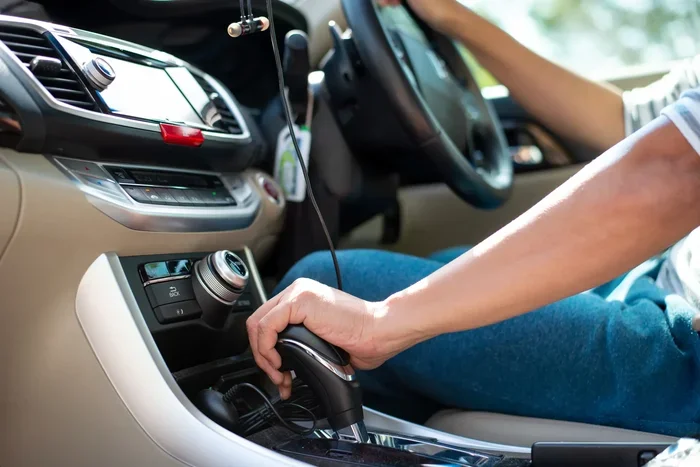
An automatic car uses an automatic transmission system that shifts gears on its own. You do not need to press a clutch pedal or manually select gears. Instead, the vehicle handles all the gear changes for you while you focus on the road.
This might sound like a small difference compared to a manual car. But the impact on your daily driving experience is enormous. From city commutes to long highway road trips, the benefits of an automatic gearbox add up fast. Millions of drivers worldwide have already made the switch, and for good reason.
Today, most new vehicles come with automatic transmission as the default option. In fact, in many countries, automatic cars now outsell manual models every year. This shift reflects how much drivers value driving comfort and convenience in modern vehicles.
Top Benefits of Driving an Automatic Car
Easier to Learn and Drive
One of the biggest advantages of an automatic car is how simple it is to operate. There is no clutch pedal to manage and no gear stick to wrestle with. You just press the accelerator, and the vehicle does the rest.
This makes automatic cars ideal for beginners. New drivers can focus on road rules, mirrors, and traffic flow instead of worrying about coordinating clutch and throttle. Many driving schools now recommend automatic vehicles for learner drivers because it reduces cognitive load significantly.
For experienced drivers too, the ease of use never gets old. You spend less mental energy on gear changes and more on the road ahead.
Smoother Ride in Stop and Go Traffic
If you have ever driven in heavy traffic jams, you know how exhausting it can be. In a manual car, your left leg works constantly with the clutch. After 20 minutes of stop and go driving, your leg starts to cramp and ache.
An automatic car eliminates this problem entirely. There is no clutch to engage or release. You simply switch between drive and brake. The result is a much more relaxed driving experience, especially in crowded cities where traffic moves slowly.
Many modern automatic vehicles also come with features like creep function. This means the car moves forward slowly when you release the brake, making it even easier to navigate tight spaces and slow traffic.
Reduced Driver Fatigue
Driver fatigue is a serious safety concern, especially on long journeys. When you drive a manual car for hours, your legs and feet get tired from constant clutch work. This fatigue can affect your concentration and reaction time.
With an automatic transmission, your left foot gets a complete break. You only use your right foot for the accelerator and brake. This simple change makes long drives far less tiring. You arrive at your destination feeling fresher and more alert.
Over time, reduced fatigue means a safer and more enjoyable driving experience. It is one of the most overlooked benefits of owning an automatic car.
Better Fuel Efficiency in Modern Models
Many people still believe that manual cars are more fuel efficient. This used to be true years ago, but technology has changed the game. Modern automatic gearboxes now feature more gears and smarter shifting logic than any human could manage.
Today’s automatic transmissions can have eight, nine, or even ten speeds. Each gear is optimized for a specific speed range, which means the engine works less hard. This leads to better fuel efficiency and lower running costs over time.
Some automatic cars also come with features like cylinder deactivation and coasting systems. These technologies further reduce fuel consumption. So the idea that automatics waste gas is simply outdated.
Higher Resale Value
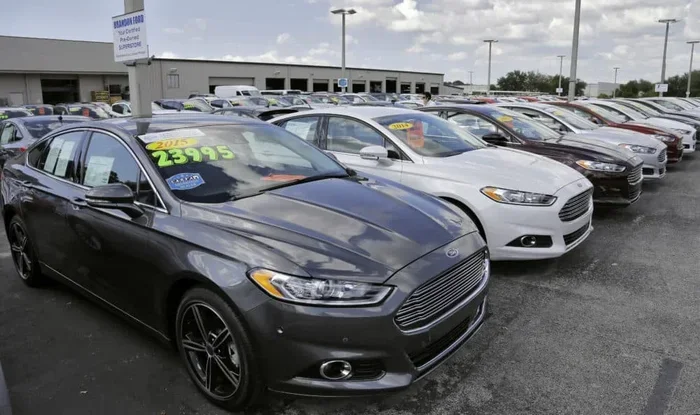
When it comes time to sell your car, an automatic car tends to fetch a better price. The demand for automatic vehicles has grown steadily over the past decade. More buyers prefer the convenience of automatic transmission, which drives up resale values.
In many markets, manual cars are becoming harder to sell. Fewer new drivers learn to drive stick shift. This means the supply of used manual cars exceeds demand, which lowers their resale price. Automatic vehicles do not face this problem.
If you plan to keep your car for several years and then sell it, choosing an automatic can protect your investment. The car resale value advantage alone can offset the sometimes higher purchase price.
Advanced Technology and Safety Features
Most modern vehicles with automatic transmission come loaded with advanced driver-assist technology. Features like adaptive cruise control, lane keeping assist, and automatic emergency braking work seamlessly with automatic gearboxes.
These systems rely on electronic sensors and computer-controlled shifting. They integrate much more naturally with automatic transmission than with manual gearboxes. As a result, automatic cars often get the latest safety innovations first.
For families, this is a huge advantage. The combination of driving comfort and cutting-edge safety features makes automatic cars an excellent choice for daily use and road trips alike.
Automatic Car vs Manual Car: Which One Wins?
The debate between automatic and manual cars has been going on for decades. Let us look at the key differences to help you decide which option is right for you.
| Feature | Automatic Car | Manual Car |
|---|---|---|
| Ease of Use | Very easy, no clutch needed | Requires clutch and gear shifting |
| Driver Fatigue | Low, especially on long trips | Higher, leg strain in traffic |
| Fuel Efficiency | Excellent in modern models | Good, but closing the gap |
| Resale Value | Generally higher | Declining in most markets |
| Learning Curve | Short and simple | Longer, more coordination needed |
| Driving Engagement | Less hands-on gear control | More connected to the driving experience |
| Cost | Slightly higher purchase price | Usually cheaper upfront |
Neither option is perfect for everyone. But for most drivers, the benefits of an automatic car clearly outweigh the downsides. The convenience, comfort, and technology advantages make automatic the preferred choice for daily driving in most situations.
If you live in a hilly area or deal with steep inclines regularly, an automatic car makes hill starts effortless. You never have to worry about rolling backward or stalling on a hill. This alone is a game changer for many drivers.
How an Automatic Car Makes Daily Driving Easier
Perfect for City Driving
City driving involves constant acceleration and braking. Traffic lights, roundabouts, and pedestrian crossings require frequent stops and starts. In a manual car, this means constant clutch work and gear changes.
An automatic car handles all of this with minimal effort. You focus on steering, watching for pedestrians, and navigating intersections. The transmission manages the gears automatically. City driving becomes far less stressful and more enjoyable.
Ideal for Road Trips and Highway Driving
Long road trips are where the benefits of automatic transmission really shine. On highways, you cruise at a steady speed and the car maintains the right gear without any input from you.
Many modern automatic cars also offer adaptive cruise control. This feature adjusts your speed based on the traffic ahead. Combined with automatic shifting, it makes highway driving feel almost effortless. You can cover long distances with less physical strain and more relaxation.
Better for Drivers with Physical Limitations
For drivers with knee problems, back pain, or other physical challenges, an automatic car can be life changing. The absence of a clutch pedal removes a major source of discomfort and strain.
Many older drivers and people with disabilities prefer automatic vehicles for this reason. The simplified controls make driving accessible to a wider range of people. It is one of the most meaningful benefits of automatic car ownership.
Quick Tips for Getting the Most Out of Your Automatic Car
- Use the correct gear mode: Most automatics have P, R, N, and D modes. Always use Park when parked and Reverse for backing up.
- Avoid resting your foot on the brake: This can cause unnecessary wear on your brake pads over time.
- Use manual mode if available: Some automatic cars let you shift gears manually. This can be useful on steep hills or when towing.
- Keep up with transmission fluid changes: Regular maintenance keeps your automatic gearbox running smoothly for years.
- Warm up the car gently: Avoid aggressive acceleration right after starting. Let the engine and transmission warm up gradually.
Common Mistakes Automatic Car Owners Make
Owning an automatic car is straightforward, but some common mistakes can cause problems over time. Here are a few to avoid:
- Shifting to park before fully stopping: Always come to a complete stop before moving the gear selector to Park. Doing this while still rolling can damage the transmission.
- Neglecting transmission fluid: The automatic clutch and internal components rely on clean fluid. Skipping fluid changes leads to poor shifting and expensive repairs.
- Using Neutral at red lights for too long: While it is fine to use Neutral for short stops, leaving it in Neutral for extended periods is unnecessary and can wear out the transmission.
- Riding the brake pedal: Resting your foot on the brake while driving creates drag and reduces fuel efficiency. Keep your foot off the pedal when cruising.
- Ignoring warning lights: If your transmission warning light comes on, get it checked immediately. Early detection prevents major damage.
Avoiding these simple mistakes will help your automatic car run smoothly and last for many years. Regular maintenance is the key to long-lasting performance.
The Future of Automatic Cars
The automatic car industry is evolving rapidly. New technologies are making automatic transmissions smarter, faster, and more efficient than ever before.
One of the most exciting developments is the rise of continuously variable transmissions (CVTs). Unlike traditional automatic gearboxes with fixed gears, CVTs provide an infinite range of gear ratios. This means smoother acceleration and better fuel economy.
Electric vehicles are also changing the landscape. Most electric cars use single-speed automatic transmissions. There is no need for multiple gears because electric motors deliver power smoothly across all speeds. As electric vehicles become more popular, the concept of traditional gear shifting will continue to fade.
Self-driving technology is another frontier. Advanced automatic cars already feature partial autonomy with features like automatic parking and traffic jam assist. In the near future, fully automatic driving may become a reality. The automatic transmission is the foundation that makes this possible.
Car manufacturers are investing billions in automatic vehicle research and development. The future of driving is automatic, and the benefits will only continue to grow.
Is an Automatic Car Right for You?
Choosing between an automatic and a manual car depends on your lifestyle, driving habits, and personal preferences. Here are some factors to consider:
- Your daily commute: If you drive through heavy city traffic, an automatic car will save you energy and frustration every day.
- Your driving experience: New drivers benefit greatly from the simplicity of automatic transmission. Experienced drivers may enjoy the engagement of a manual but will still appreciate the comfort of an automatic.
- Your budget: Automatic cars may cost a bit more upfront, but lower maintenance costs and better resale value can offset this over time.
- Your physical needs: If you have any physical limitations or discomfort with clutch operation, an automatic car is the clear choice.
- Your long-term plans: If you plan to keep your car for many years, the driving comfort and technology benefits of an automatic car add significant value.
For most people in most situations, an automatic car is the smarter, more practical choice. The benefits of automatic car ownership extend far beyond just convenience. They include safety, comfort, fuel savings, and a better overall driving experience.
Take the time to test drive both options if you are unsure. But once you experience the smooth, effortless feel of an automatic car, you may never go back to a manual again.
Conclusion
The benefits of an automatic car are clear and compelling. From easier learning and reduced driver fatigue to better fuel efficiency and higher resale value, automatic vehicles offer advantages that manual cars simply cannot match in today’s world.
Modern automatic transmission technology has evolved to the point where automatics are faster, smoother, and more efficient than ever. Combined with advanced safety features and driver-assist technology, an automatic car provides a superior driving experience for daily commutes and long road trips alike.
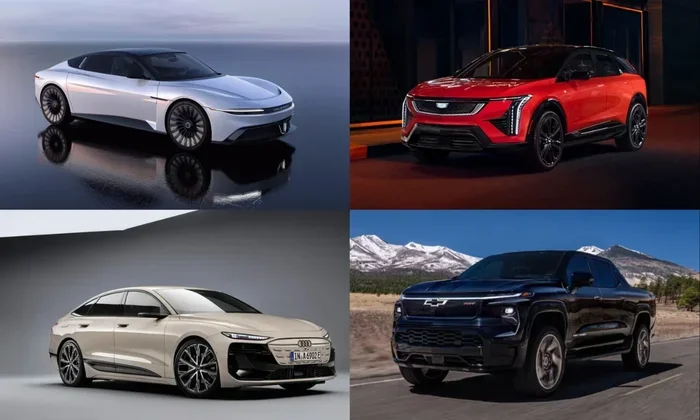
If you have been considering switching to an automatic vehicle, now is the perfect time. The market offers more options than ever, from compact city cars to powerful SUVs. Make the smart choice and discover the difference an automatic car can make in your daily life.
Your future self will thank you every time you step behind the wheel and enjoy a smooth, effortless drive with no clutch, no grinding gears, and no stress. The road ahead is automatic, and it has never looked better.
Frequently Asked Questions
Is driving an automatic car really easier than a manual car?
Yes, absolutely. An automatic car handles all gear changes for you, so you only need to manage the accelerator and brake. This simplicity makes driving less stressful, especially in heavy traffic or on steep hills.
Are automatic cars more expensive to maintain than manual cars?
Not necessarily. While automatic cars may have slightly higher upfront costs, modern automatic transmissions are very reliable. With regular maintenance and fluid changes, an automatic car can last just as long as a manual car without major repairs.
Do automatic cars use more fuel than manual cars?
In older models, manual cars were more fuel efficient. However, modern automatic gearboxes with multiple speeds and smart shifting technology now match or even exceed the fuel economy of manual cars. The gap has essentially closed.
Can I learn to drive in an automatic car?
Yes, many driving schools offer automatic lessons. Learning in an automatic car allows you to focus on road safety and traffic rules without worrying about clutch control and gear shifting. It is a great option for beginner drivers.
Do automatic cars have worse resale value than manual cars?
On the contrary, automatic cars generally hold their value better in most markets. The demand for automatic vehicles continues to grow, while manual cars are becoming less popular among buyers. This trend supports higher resale prices for automatics.
What should I do if my automatic car starts jerking or shifting roughly?
Rough shifting can be a sign of low transmission fluid or worn components. Check your fluid level first and top it up if needed. If the problem continues, take your car to a qualified mechanic for a diagnosis. Early attention can prevent costly repairs.