What Will Happen to Cars in 2025 and Why It Matters
What will happen to cars in 2025 is a question on every car lover’s mind. This year brings massive shifts in electric vehicle adoption, car technology, and car buying habits. Prices are changing, new safety rules are arriving, and car ownership is evolving faster than ever. Whether you are buying, selling, or just staying curious, understanding these car trends will help you make smarter decisions. This guide covers everything you need to know about cars in 2025 and why it all matters right now.
Key Takeaways
- EV Sales Will Surge: Electric vehicles will dominate car sales in 2025, making them more affordable and accessible.
- Car Prices Are Shifting: New tariffs and tech upgrades are changing how much you pay for a car.
- Autonomous Driving Advances: Self-driving features are becoming standard in many new models.
- Car Insurance Is Changing: Usage-based policies and new safety tech are lowering costs for many drivers.
- Car Ownership Is Evolving: Subscriptions, rentals, and shared mobility are replacing traditional ownership for many people.
- Emissions Rules Are Tightening: Stricter car emissions standards are pushing the automotive industry toward greener solutions.
- Car Maintenance Is Going Digital: Software updates and smart diagnostics are transforming how you care for your car.
📑 Table of Contents
- What Will Happen to Cars in 2025 and Why You Should Care
- The Rise of Electric Vehicles in 2025
- How Car Prices Are Changing in 2025
- Car Technology and Smart Features Taking Over
- Self-Driving Cars: How Close Are We?
- Car Insurance and Ownership Trends Shifting in 2025
- Car Maintenance and Emissions Rules in 2025
- What the Future Holds Beyond 2025
- Conclusion
What Will Happen to Cars in 2025 and Why You Should Care
The car world is changing fast. If you have been wondering about what will happen to cars in 2025, you are in the right place. This year is shaping up to be one of the biggest turning points in the history of the automotive industry. Electric vehicles, smart technology, and new rules are all colliding at once.
Cars in 2025 will look, feel, and work very differently from what we are used to. Prices are shifting. New safety features are arriving. And the way people buy and own cars is changing too. Whether you are a car enthusiast or just someone who needs reliable transportation, these shifts affect you. Let us break down the biggest changes coming your way.
The car market in 2025 is not just about new models. It is about a complete rethink of how we move. From car technology that feels like science fiction to car prices that might surprise you, there is a lot to unpack. We will walk through every major trend so you can stay informed and make smart choices.
The Rise of Electric Vehicles in 2025
Electric vehicles, or EVs, are no longer a niche choice. In 2025, they are becoming the mainstream. Almost every major car maker has committed to going electric. This shift is driven by government rules, consumer demand, and advances in vehicle technology.
Here is what the EV boom means for car buyers:
- More model options: Every brand now offers at least one electric model. From compact EVs to electric trucks, the choices are growing fast.
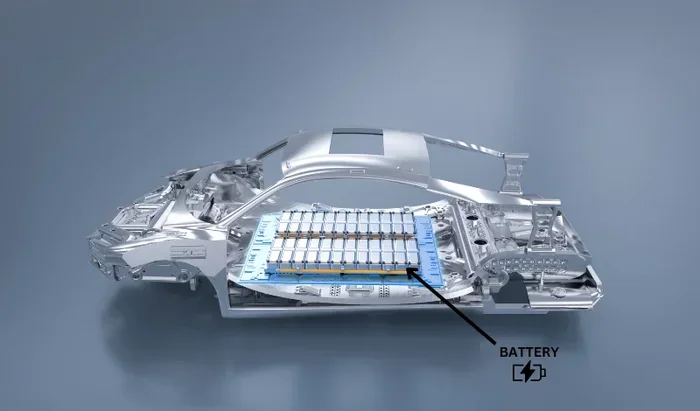
- Lower prices: Battery costs keep dropping, which means car prices for EVs are falling. Many models are now priced close to gas-powered cars.
- Better range: Modern EVs can travel over 300 miles on a single charge. Range anxiety is fading fast.
- Faster charging: New charging networks are expanding. Fast chargers can add 200 miles of range in under 30 minutes.
Why EV Adoption Is Accelerating
Several forces are pushing EV adoption forward. Governments around the world are setting strict car emissions targets. Many countries plan to ban new gas car sales by 2035. Tax credits and incentives are also making EVs more affordable for everyday buyers.
Car companies are investing billions in car innovation. They know that the future of the car industry is electric. This competition is good news for consumers. It means better cars, lower prices, and more choices.
If you are thinking about car buying in 2025, an EV deserves serious consideration. The technology has matured. The charging network is growing. And the total cost of ownership is often lower than gas cars when you factor in fuel and maintenance savings.
How Car Prices Are Changing in 2025
One of the hottest topics in the car market right now is pricing. What will cars cost in 2025? The answer is more complicated than you might think.
On one hand, EVs are getting cheaper. On the other hand, new tariffs and supply chain issues are pushing up prices for some models. Here is a closer look at what is happening.
The Tariff Effect on Car Prices
Trade policies are having a big impact on car prices in 2025. New tariffs on imported parts and vehicles are raising costs for car makers. Some of these costs are passed on to buyers.
However, domestic production is ramping up. Many car companies are building new factories in the U.S. and other countries. This shift is helping to offset some of the tariff-driven price increases.
Technology Costs Are Coming Down
The cost of car technology is dropping. Screens, sensors, and software that were once expensive extras are becoming standard. This trend is helping to keep car prices more reasonable, especially for mid-range models.
Here is a quick comparison of how car prices have shifted:
- 2023 average new car price: Around $48,000
- 2024 average new car price: Around $47,000
- 2025 projected average: Around $45,000 to $46,000
The slight decline is good news for buyers. It shows that the market is stabilizing after years of price spikes caused by chip shortages and supply chain disruptions.
Car Technology and Smart Features Taking Over
If you have been shopping for cars recently, you have probably noticed how much car technology has advanced. In 2025, smart features are no longer luxury extras. They are becoming standard equipment across nearly all models.
Infotainment and Connectivity
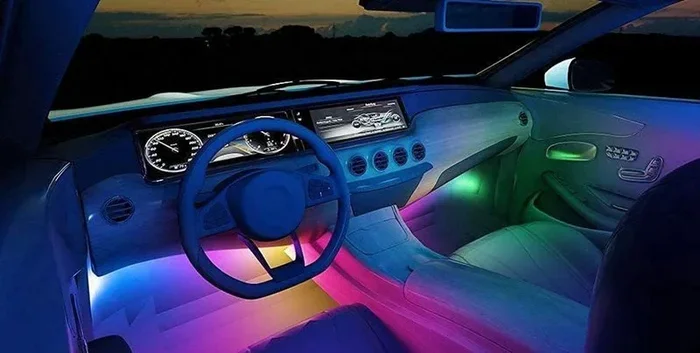
Modern cars are basically rolling computers. Large touchscreens, voice controls, and smartphone integration are now expected, not admired. Most new models offer over-the-air software updates. This means your car can get better over time, just like your phone.
Some of the most impressive car technology features in 2025 include:
- Augmented reality head-up displays: Navigation and safety info projected right onto the windshield.
- AI-powered assistants: Built-in voice assistants that understand natural language and context.
- Wireless Apple CarPlay and Android Auto: Seamless phone integration without messy cables.
- Remote control via apps: Start your car, check tire pressure, and locate your vehicle from your phone.
Advanced Driver Assistance Systems
Car safety is another area where technology is making huge strides. Advanced driver assistance systems, or ADAS, are becoming more sophisticated. These systems use cameras, radar, and sensors to help drivers stay safe.
Common ADAS features in 2025 models include:
- Automatic emergency braking
- Lane-keeping assist
- Adaptive cruise control
- Blind spot monitoring
- Cross-traffic alert
Studies show that these systems significantly reduce accident rates. The automotive industry is betting that smart safety features will become a key selling point for years to come.
Self-Driving Cars: How Close Are We?
The idea of fully autonomous driving has been around for years. In 2025, we are closer than ever, but not quite there yet. Here is the honest truth about where self-driving cars stand.
Levels of Autonomy Explained
Not all self-driving is the same. The industry uses a scale from Level 0 to Level 5:
- Level 0: No automation. The driver does everything.
- Level 1: Driver assistance. The car can handle steering or acceleration, but not both.
- Level 2: Partial automation. The car can handle both, but the driver must stay alert.
- Level 3: Conditional automation. The car can drive itself in certain situations. The driver can look away briefly.
- Level 4: High automation. The car drives itself in most conditions. No driver input needed.
- Level 5: Full automation. The car handles everything, everywhere, with no human needed.
Most cars in 2025 are at Level 1 or Level 2. A few models are pushing into Level 3. True Level 5 autonomy is still years away. But the progress is impressive.
Where Self-Driving Is Making an Impact
Robotaxis and delivery vehicles are the most visible uses of autonomous driving in 2025. Companies like Waymo and Cruise are expanding their self-driving ride-hail services in select cities. These services are proving that the technology works in real-world conditions.
For regular car buyers, the benefits are more subtle. Features like automatic parking, traffic jam assist, and highway autopilot are making driving easier and safer every day.
Car Insurance and Ownership Trends Shifting in 2025
The way people think about car ownership is changing. More drivers are exploring alternatives to buying a car outright. At the same time, car insurance is being reshaped by new technology and data.
The Rise of Car Subscriptions
Car subscriptions are gaining popularity. Instead of buying or leasing, you pay a monthly fee to access a vehicle. These services often include maintenance, insurance, and even roadside assistance. They appeal to people who want flexibility without long-term commitments.
Some benefits of car subscriptions include:
- No long-term contracts
- Access to multiple vehicle types
- Built-in maintenance and support
- Easy switching when your needs change
How Car Insurance Is Evolving
Car insurance in 2025 is becoming more personalized. Telematics devices and smartphone apps track driving behavior. Safe drivers can earn lower premiums. This shift is called usage-based insurance, and it is growing fast.
Insurance companies are also using AI to process claims faster and detect fraud. These advances are making the entire car insurance experience better for consumers.
Shared Mobility and Car-Sharing
Not everyone needs a car all the time. Car-sharing services and ride-hailing apps are making it easier to get around without owning a vehicle. In cities, this trend is reducing the number of cars on the road and easing congestion.
Shared mobility is especially popular among younger drivers. Many people in their 20s and 30s prefer access over ownership. This shift is reshaping the car market in significant ways.
Car Maintenance and Emissions Rules in 2025
Keeping your car running well never goes out of style. But the way we maintain vehicles is evolving. New car emissions rules and digital tools are changing the car maintenance landscape.
Stricter Emissions Standards
Governments are tightening car emissions regulations worldwide. These rules are pushing car makers to develop cleaner engines and invest heavily in electric vehicles. In 2025, many regions have adopted stricter standards for CO2 and other pollutants.
For car owners, this means:
- More inspection requirements in some areas
- Higher costs for older, high-emission vehicles
- Greater incentives to switch to EVs or hybrids
- Better air quality in cities over time
Digital Diagnostics and Software Updates
Modern cars rely on software as much as mechanical parts. Many car maintenance tasks can now be handled with a software update. Your car can alert you to potential problems before they become serious issues.
Quick tips for staying on top of car maintenance in 2025:
- Keep your car’s software up to date.
- Use the manufacturer’s app to monitor vehicle health.
- Follow the recommended service schedule, even for EVs.
- Watch for recall notices and technical bulletins.
Hybrid Cars: The Bridge Technology
Hybrid cars are playing a key role in the transition to full electrification. They combine a gas engine with an electric motor. This gives drivers better fuel economy and lower car emissions without the range limitations of pure EVs.
In 2025, hybrid options are available in almost every vehicle category. From hybrid sedans to hybrid SUVs, there is a hybrid for nearly every need. They are a great choice for drivers who are not yet ready to go fully electric.
What the Future Holds Beyond 2025
Looking ahead, the trends shaping cars in 2025 will only accelerate. The automotive industry is investing in hydrogen fuel cells, solid-state batteries, and even flying cars. The next decade promises even more dramatic changes.
For now, the key is to stay informed. Understanding what will happen to cars in 2025 helps you make better decisions today. Whether you are buying a new car, choosing an insurance plan, or just curious about the future of mobility, the shifts happening this year are worth watching.
The bottom line is simple. Cars in 2025 are smarter, cleaner, and more connected than ever before. The car industry is in the middle of a transformation that will define how we move for decades to come. Embrace the change, and you will be ahead of the curve.
Conclusion
What will happen to cars in 2025 is a story of transformation. Electric vehicles are taking center stage. Car technology is advancing at a breathtaking pace. New safety features, smarter insurance, and evolving ownership models are all part of the picture. The car market is more dynamic than it has been in years.
These changes matter whether you are a daily commuter, a family driver, or a car enthusiast. Staying informed gives you an edge. It helps you choose the right vehicle, save money, and navigate the shifting landscape of car ownership.
The future of driving is here. And it is more exciting than ever. So buckle up and enjoy the ride. Cars in 2025 are not just vehicles. They are the beginning of a new era in mobility.
Frequently Asked Questions
Are electric cars really cheaper to own in 2025?
Yes, in most cases. Electric cars have lower fuel costs and fewer moving parts, which means less maintenance. While the upfront car prices can be higher, the total cost of ownership over several years is often lower than a gas car. Tax credits and incentives can also bring the purchase price down significantly.
Will gas cars still be available in 2025?
Absolutely. Gas-powered cars are still widely available in 2025. Many car makers continue to offer excellent gas and hybrid models alongside their electric lineup. The shift to EVs is gradual, and gas cars will remain on the market for many years to come.
How safe are self-driving features in 2025 cars?
Advanced driver assistance systems in 2025 cars are very safe when used correctly. These features can reduce accident rates significantly. However, they are not fully autonomous. Drivers should always stay alert and keep their hands on the wheel when using Level 2 or Level 3 systems.
Can I update my car’s software at home?
Many modern cars support over-the-air updates that happen automatically. Some updates may require a Wi-Fi connection or a brief period where the car is parked. Check with your car maker for specific details on how software updates work for your model.
What is the best type of car to buy in 2025?
The best car depends on your needs and budget. If you want lower running costs and cutting-edge car technology, an EV is a great choice. If you are not ready for full electrification, a hybrid offers a practical middle ground. For long road trips in areas with limited charging, a fuel-efficient gas or hybrid model may still be the smartest pick.
How will car insurance change with new car technology?
New car technology is making insurance more personalized. Usage-based policies that track driving behavior are becoming more common. Cars with advanced safety features may qualify for discounts. Overall, the trend is toward fairer, more flexible car insurance options for drivers.