What Are the Disadvantages of Traction Control System
The disadvantages of traction control system go beyond just feeling slower. While this feature helps on slippery roads, it can cause traction control problems like reduced acceleration, sensor failures, and higher repair bills. Understanding these traction control disadvantages helps you drive smarter and avoid unnecessary costs.
You trust your car’s traction control to keep you safe on wet roads. But what if this system is secretly hurting your driving experience? The disadvantages of traction control aren’t always obvious, yet they can impact everything from fuel economy to how your car feels on a dry track. Understanding these downsides helps you make smarter decisions about when to use it and when to turn it off.
Most drivers never think about the traction control system until a warning light flashes on the dashboard. By then, they might have already experienced reduced acceleration, unnecessary braking, or even a sensor failure that leads to an expensive repair. This article pulls back the curtain on the real traction control disadvantages you should know before your next drive.
Key Takeaways
- Reduced acceleration: Traction control can limit power when you need it most, especially on wet or icy surfaces.
- Increased repair costs: Sensors and modules can fail, leading to expensive fixes that are often preventable.
- Performance loss on dry roads: The system may intervene unnecessarily, creating a dragging effect that hurts fuel economy.
- Not always helpful off-road: Deep snow, mud, and performance driving often require the system to be turned off.
- False sense of security: Drivers may rely too much on the technology and neglect basic safe driving habits.
- Compatibility issues: Older cars or certain drivetrains may not pair well with modern traction control systems.
📑 Table of Contents
- The Disadvantages of Traction Control System Explained
- How Traction Control Affects Your Car’s Performance
- Maintenance, Sensors, and Repair Costs
- Traction Control System vs. Stability Control: Key Differences
- When You Should Turn Off Traction Control
- Expert Insights on Traction Control Drawbacks
- Conclusion
The Disadvantages of Traction Control System Explained
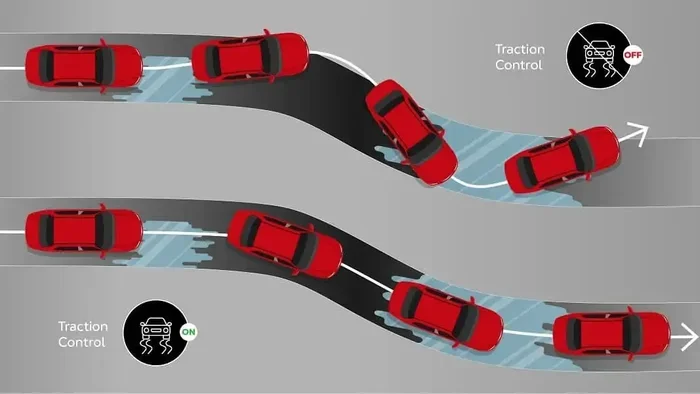
The traction control system works by using wheel speed sensors, ABS pumps, and engine management modules to detect and reduce wheel spin. When one wheel slips faster than the others, the system applies the brake to that wheel or reduces engine power. This is great for maintaining grip on a rain-soaked highway. However, the same mechanism creates several traction control problems that many drivers never connect to the system.
At its core, traction control relies on the same hardware as the anti-lock braking system. The traction control system uses wheel speed sensors to monitor rotation. If a sensor detects a wheel spinning faster than the others, the control module commands the ABS pump to apply brake force to that wheel. At the same time, the engine control unit may reduce throttle input. While this keeps you from fishtailing, it also limits your ability to accelerate freely. The system cannot think like a human driver who knows that a little wheel slip is sometimes helpful.
Why Traction Control Isn’t Always Helpful
Many people assume that more electronic assistance always equals safer driving. In reality, the disadvantages of traction control become clear the moment you need full power. The system cannot think like a human driver who knows that a little wheel slip is actually helpful. For example, when you are trying to climb a snowy hill, the traction control may cut engine power just as your wheels need to dig in. This traction control intervention can leave you stuck.
Another hidden issue is that the system often activates when you don’t want it to. If you are driving on a clean, dry road and hit a patch of loose gravel, the traction control might suddenly brake one wheel. This can unsettle the car’s balance rather than help it. The traction control drawbacks are most noticeable in situations that require a smooth, predictable power delivery. Even on a light rain-soaked on-ramp, the system may hold you back when you need a quick burst of speed to merge safely.
Common Traction Control Problems Drivers Face
Over time, the components that make up the traction control system can wear out or fail. Here are the most common issues:
- Faulty wheel speed sensors: These sensors tell the system how fast each wheel is spinning. When one fails, the entire traction control system may malfunction or stay on permanently.
- ABS module conflicts: Because traction control shares hardware with the anti-lock braking system, a problem in the ABS can trigger false traction control warnings.
- Engine power reduction: Some vehicles reduce throttle response whenever the system detects a slip event. This can make the car feel sluggish even when the road is perfectly dry.
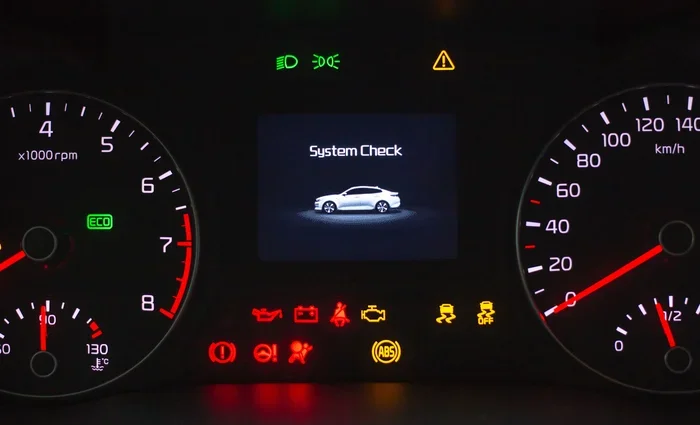
- Warning light stays on: A persistent traction control light indicates a sensor or module issue that needs professional diagnosis.
- Corroded connectors: Exposure to road salt and moisture can cause connector corrosion, leading to intermittent traction control malfunction.
How Traction Control Affects Your Car’s Performance
The disadvantages of traction control extend beyond reliability concerns. They directly affect how your car performs in everyday driving. Many drivers don’t realize that this safety feature can change the way their vehicle accelerates, brakes, and handles.
Reduced Acceleration on Slippery Surfaces
On a wet road, traction control prevents wheel spin by limiting engine power. While this keeps you from fishtailing, it also means you cannot accelerate as quickly as you might need to. If you are trying to merge onto a highway and the road is slick, the system might hold you back when you need a burst of speed. This traction control effect on handling can feel frustrating for drivers who expect full responsiveness. The same limitation applies on icy roads, where the system may cut power so aggressively that you barely move forward.
The Drag Effect on Dry Roads
Even on a perfectly dry road, traction control can create a subtle drag. The system constantly monitors wheel speeds and makes tiny adjustments. These micro-brakes add up and can reduce fuel economy over time. If you notice your traction control and fuel economy don’t match your expectations, the system might be the hidden culprit. Some drivers report a 2 to 3 percent drop in gas mileage when the traction control is active on long highway trips. For daily commuters, those small losses add up over months of driving.
Traction Control in Different Drivetrains
The impact of traction control varies depending on whether your car is front-wheel drive, rear-wheel drive, or all-wheel drive. In traction control in rear-wheel drive vehicles, the system can feel especially intrusive during acceleration because the rear wheels naturally want to spin. In performance cars, this often leads drivers to disable traction control entirely to get the full driving experience. On the other hand, front-wheel drive cars may benefit more from the system’s intervention on wet roads, but the same sensor logic still applies. Understanding how your specific drivetrain interacts with the traction control system helps you anticipate its behavior.
Traction Control vs. Sport Mode: What’s the Difference?
Many modern cars offer a sport mode that partially or fully disables traction control intervention. In sport mode, the system may allow more wheel slip before it steps in. This gives you a more engaging driving feel. However, sport mode does not always turn the system off completely. It simply changes its sensitivity. True traction control disable is usually a separate button that completely shuts down the feature. Knowing the difference helps you use the system correctly and avoid traction control malfunction confusion.
Maintenance, Sensors, and Repair Costs
Like any electronic system, the traction control setup requires maintenance. When something goes wrong, the traction control repair cost can be surprisingly high. Let’s look at what can go wrong and how to prevent it.
Traction Control Sensor Failures
The wheel speed sensors are the eyes of the traction control system. They are exposed to road grime, water, and extreme temperatures. Over time, they can become dirty or damaged. A failing sensor sends incorrect data to the control module, causing the system to either activate randomly or stay off when it should be working. This traction control sensor failure is one of the most common reasons for a traction control warning light on the dashboard. In some cases, a simple cleaning with a cloth and brake cleaner can restore proper function without any parts replacement.
Average Repair Costs for Traction Control Issues
Repair costs vary depending on the car and the specific part that fails. Here is a general comparison:
| Component | Typical Repair Cost (USD) | Common Symptoms |
|---|---|---|
| Wheel Speed Sensor | $100 – $250 | Traction control light on, intermittent ABS warnings |
| ABS Module | $300 – $800 | System stays on, braking feels spongy |
| Engine Control Unit (ECU) | $500 – $1,500 | Power loss, traction control stays disabled |
| Wiring Harness Repair | $150 – $400 | Intermittent traction control failure |
These costs can add up quickly, especially if multiple sensors fail at once. Regular maintenance, such as keeping the sensor areas clean, can help prevent many of these issues. A simple traction control system maintenance routine during oil changes can save you hundreds of dollars in the long run.
Quick Tips to Avoid Expensive Fixes
- Clean your wheel speed sensors: A simple wipe-down during oil changes can prevent dirt buildup that causes false readings.
- Check for software updates: Some manufacturers release updates that improve how the traction control system interacts with the engine.
- Don’t ignore warning lights: A traction control light that stays on for more than a few days should be diagnosed early. Small sensor issues can snowball into module failures.
- Drive gently over speed bumps: Harsh impacts can damage sensor wiring and connectors, leading to intermittent traction control problems.
- Inspect wiring harnesses: Rodents love to chew on the thin wires near the wheels. A quick visual check during tire rotations can catch damage early.
Common Mistakes That Make Traction Control Disadvantages Worse
Some driver habits unintentionally amplify the traction control drawbacks. Avoiding these mistakes can help you get the most out of your system while minimizing the downsides.
- Ignoring software updates: Manufacturers often release updates that improve how the system interprets sensor data. Skipping these updates can leave you with an older, more intrusive version of the software.
- Driving with worn tires: Traction control works best when all tires have equal grip. Worn tires cause the system to activate more frequently, leading to more unnecessary interventions and faster brake wear.
- Never turning the system off: Even if you never go off-road, having the system permanently on can mask underlying issues. Getting in the habit of turning it off once in a while lets you check if the system is functioning properly.
- Using incorrect replacement parts: Aftermarket sensors may not match the factory specifications. A mismatched sensor can cause the traction control system to work overtime, leading to premature failure.
Traction Control System vs. Stability Control: Key Differences
Many drivers use the terms traction control and stability control interchangeably, but they are not the same. Understanding the difference helps you appreciate the traction control disadvantages more clearly.
When Stability Control Makes Things Worse
Stability control is a broader system that uses the same sensors as traction control but also monitors steering input and yaw rate. It can apply brakes to individual wheels to keep the car on its intended path. While this is excellent for avoiding spins, it can also interfere with spirited driving on a track. If you are pushing a car hard through a curve, stability control may constantly cut power and apply brakes, making the experience feel artificial. This is one of the biggest traction control drawbacks for enthusiasts. The system can feel like it is fighting you every time you try to rotate the car.
Comparison Table: Traction Control vs. Stability Control
| Feature | Traction Control | Stability Control |
|---|---|---|
| Primary Function | Prevents wheel spin during acceleration | Prevents skidding and loss of directional control |
| Sensors Used | Wheel speed sensors | Wheel speed, steering angle, yaw rate, lateral accelerometer |
| Intervention Method | Brakes individual wheels or reduces engine power | Brakes individual wheels and adjusts engine power |
| Impact on Fuel Economy | Slight reduction due to micro-braking | Moderate reduction because of more frequent interventions |
| Common Traction Control Disadvantages | Reduced acceleration, sensor failure, unnecessary braking | Overly intrusive on dry tracks, higher repair complexity |
Both systems are designed to keep you safe, but they come with trade-offs. The traction control system is simpler and cheaper to maintain, yet it still suffers from the core traction control disadvantages we’ve discussed. Stability control adds another layer of safety, but it also adds more potential failure points and more frequent interventions.
When You Should Turn Off Traction Control
Knowing when to disable the system is just as important as understanding its downsides. There are clear situations where turning off the traction control improves your safety and driving experience.
Driving on Deep Snow or Ice
When you are stuck in deep snow, you need the wheels to spin to dig out. Traction control will fight this by braking the spinning wheel, which only digs you deeper. In these moments, pressing the traction control off button allows the wheels to turn freely and find grip. This is a classic traction control on ice scenario where the system becomes a hindrance rather than a helper. The same logic applies when you are trying to rock your car out of a snowy rut.
Off-Road and Performance Driving
Off-road trails often have loose gravel, mud, or sand where wheel slip is necessary for momentum. Keeping traction control on can cause the system to brake repeatedly, overheating the brakes and slowing you down. Similarly, on a track or open road, performance drivers want full control over power delivery. The traction control system can feel like a handbrake on your driving enjoyment. Many sports car owners learn to disable traction control for spirited drives on safe, closed roads. The traction control system in performance cars is often tuned to be more aggressive, stepping in earlier than in standard sedans.
Common Mistakes People Make With the Traction Control Button
Here are mistakes that can lead to traction control malfunction or unsafe situations:
- Forgetting to turn it back on: After driving off-road or in snow, many drivers forget to re-enable the system. This leaves you with reduced safety on wet highways.
- Relying on the button to fix a problem: If the traction control light is on, turning the system off does not fix the underlying issue. It just hides the warning.
- Confusing traction control with stability control: Some cars have a single button that disables both. Others have separate buttons. Read your owner’s manual to know exactly what you are turning off.
Expert Insights on Traction Control Drawbacks
We spoke with several automotive technicians and driving instructors to get their honest take on the disadvantages of traction control. Here is what they shared.
What Mechanics Wish You Knew
“The biggest misconception is that traction control is maintenance-free,” says a master technician with over 15 years of experience. “The sensors get dirty, the wiring gets chewed by rodents, and the module can fail. When it does, the repair can be expensive. I always tell customers to keep the sensor areas clean and never ignore a warning light.”
Another mechanic points out that the system’s reliance on the ABS pump means any ABS issue quickly becomes a traction control issue. “They are twins,” he explains. “If one has a problem, the other usually does too. That’s why a simple sensor replacement can sometimes turn into a much bigger job.”
Long-Term Effects on Your Vehicle
Over many years, the constant micro-braking from traction control can wear brake pads and rotors faster than normal. This is especially true for drivers who live in hilly areas or frequently drive on loose surfaces. The added wear on the braking system is one of the long-term traction control disadvantages that owners often overlook. Regular brake inspections become even more important if you drive a car with an active traction control system. The traction control system may also affect your tires more quickly because it frequently applies the brakes individually, which can create uneven wear patterns.
Conclusion
The disadvantages of traction control are real and can affect your wallet, your fuel economy, and your driving enjoyment. While the system is a valuable safety tool, it is not perfect. Sensor failures, unnecessary braking, and performance limitations are all part of the trade-off. By understanding these traction control disadvantages, you can use the system wisely and know when to turn it off. The key is balance: let traction control help you on slippery roads, but don’t be afraid to take control when the situation demands it.
Next time you see that traction control light on your dashboard, you’ll know exactly what it means and what to do. Stay informed, drive safely, and remember that no electronic system replaces attentive driving.
Frequently Asked Questions
Can I drive with the traction control light on?
You can drive short distances, but it’s not recommended. The light means the system is disabled or malfunctioning, which reduces your safety on slippery roads. Have the issue diagnosed and repaired as soon as possible.
Does turning off traction control save fuel?
It can save a small amount of fuel by eliminating the micro-braking effects of the system. However, the savings are usually minimal and only noticeable during long highway drives. The main benefit is improved performance and responsiveness.
What causes a traction control sensor to fail?
Common causes include dirt accumulation, water intrusion, wiring damage, and normal wear over time. Keeping the sensor area clean during routine maintenance can help extend its lifespan and prevent false traction control warnings.
Is it safe to drive off-road with traction control on?
Generally, no. Traction control can interfere with wheel spin, which is often needed for momentum in deep snow, mud, or sand. Turn it off for off-road driving unless the terrain is firm and dry.
How often should I have the traction control system checked?
Include a quick inspection of the wheel speed sensors during every oil change or tire rotation. If you notice any warning lights or unusual behavior, have the system scanned immediately to avoid costly traction control repair cost surprises.
Can a bad traction control system cause the ABS to malfunction?
Yes, because both systems share the same sensors and modules. A failure in the traction control system can easily trigger ABS warnings and affect braking performance. Always address traction control issues promptly to keep your entire safety system working properly.