Who Has the Highest Car Tax and What You Need to Know
Who has the highest car tax? Countries like Norway, the UK, and India impose some of the steepest vehicle taxes on the planet. These taxes can double or even triple the cost of buying a car, making car ownership surprisingly expensive in certain parts of the world.
Have you ever wondered why a car costs three times as much in one country compared to another? The answer often comes down to car tax. Vehicle taxes are one of the biggest hidden costs of owning a car, and they vary dramatically from place to place.
So, who has the highest car tax? The short answer is that countries like Norway, the United Kingdom, and India charge some of the steepest rates in the world. But the full story is much more interesting. It involves environmental policy, government revenue strategies, and the global car market.
In this article, we will break down the countries with the highest vehicle taxes, explain why they charge so much, and show you what this means for car buyers. Whether you are planning to buy a car abroad or just curious about global tax differences, this guide has you covered.
Key Takeaways
- Norway leads the pack: It has some of the highest car tax rates globally, making it the most expensive country to buy a vehicle.
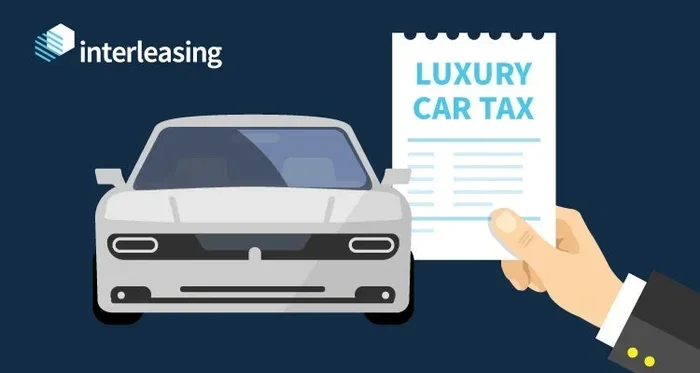
- Luxury car tax hits hard: Many nations impose extra taxes on high-end and imported vehicles to protect local industries and reduce emissions.
- Car tax varies wildly by country: What you pay depends on engine size, fuel type, CO2 emissions, and local government policy.
- Electric vehicles are changing the game: Some countries offer tax breaks for EVs, while others now tax them too to cover lost fuel revenue.
- Hidden costs add up fast: Registration fees, road taxes, and annual surcharges can make the total cost of car ownership shock new buyers.
- Research before you buy: Understanding local car tax rules can save you thousands of dollars and help you make smarter purchasing decisions.
📑 Table of Contents
- Understanding Car Tax: What It Is and Why It Matters
- Countries With the Highest Car Tax Rates
- Why Do Some Countries Charge So Much Car Tax?
- How Car Tax Compares: A Global Overview
- Quick Tips for Dealing With High Car Tax
- Common Mistakes People Make About Car Tax
- Expert Insights: The Future of Car Tax Worldwide
- Key Takeaways
- Conclusion
Understanding Car Tax: What It Is and Why It Matters
Before we dive into rankings, let us clear up what car tax actually means. Car tax goes by many names around the world. Some call it road tax, vehicle excise duty, registration tax, or motor vehicle tax. Despite the different names, the core idea is the same. Governments charge car owners a fee to register, operate, or own a vehicle on public roads.
These taxes serve several purposes. They generate revenue for the government. They discourage excessive driving or polluting vehicles. And sometimes, they protect local car manufacturers from foreign competition. The amount you pay depends on a mix of factors that we will explore below.
What Factors Determine How Much Car Tax You Pay?
Not everyone pays the same amount. Governments use different criteria to calculate vehicle taxes. Here are the most common factors:
- Engine size: Bigger engines often mean higher tax. This is common in countries like Japan and the UK.
- CO2 emissions: Many European nations tax cars based on how much pollution they produce. Higher emissions equal higher tax.
- Fuel type: Diesel and petrol cars usually face higher taxes than hybrid or electric vehicles in some regions.
- Vehicle age: Older cars sometimes cost less to tax, but in some places, they cost more due to stricter emission standards.
- Import status: Bringing a car from another country often triggers additional duties and taxes.
- Vehicle value: Luxury and high-end cars can attract extra surcharges in many markets.
Understanding these factors helps explain why who has the highest car tax changes depending on how you measure it. A country might have high taxes on luxury vehicles but low taxes on small economy cars.
Countries With the Highest Car Tax Rates
Now let us get to the heart of the matter. Which countries charge the most for vehicle ownership? The answer depends on whether we are talking about purchase tax, annual road tax, or total cost of ownership. Let us look at the top contenders.
Norway: The Most Expensive Country to Buy a Car
When people ask who has the highest car tax, Norway almost always comes up first. And for good reason. Norway imposes extremely high taxes on new vehicles, making it the most expensive place in the world to buy a car.
In Norway, the purchase price of a car includes several layers of tax. There is a value-added tax (VAT) of 25 percent. On top of that, there is a registration tax that can add thousands of dollars to the final price. The tax is based on the vehicle’s weight, CO2 emissions, and engine size.
For example, a car that costs 30,000 dollars in the United States might cost 60,000 dollars or more in Norway after all taxes are applied. This is why many Norwegians buy used cars or opt for electric vehicles, which receive significant tax breaks.
The Norwegian government uses these high taxes to achieve two goals. First, they generate massive revenue. Second, they discourage car ownership and encourage the use of public transportation. The strategy has worked to some extent. Norway has one of the highest rates of electric vehicle adoption in the world.
United Kingdom: A Complex Tax System With High Costs
The United Kingdom is another country where car tax hits hard. The UK uses a system called Vehicle Excise Duty (VED), commonly known as road tax. The amount you pay depends on your car’s CO2 emissions, fuel type, and list price.
For vehicles registered after April 2017, the first year of tax is based on emissions. After that, standard-rate cars pay a flat annual fee. However, premium vehicles priced over 40,000 pounds face an additional surcharge for five years. This means luxury car owners in the UK pay significantly more.
The UK also charges VAT on new car purchases at 20 percent. Combined with the excise duty and potential surcharges, the total tax burden on car owners in Britain is among the highest in Europe.
Interestingly, zero-emission vehicles are exempt from road tax in the UK. This incentive has pushed many buyers toward electric cars, similar to what we see in Norway.
India: Heavy Taxes Make Cars Unaffordable for Many
India has some of the highest car tax rates in the world when it comes to the total percentage added to the purchase price. The Indian government applies multiple layers of taxation on vehicles.
Here is how it breaks down:
- GST (Goods and Services Tax): This is the central tax applied to all vehicles. Small cars face a GST rate of 18 percent, while larger cars and SUVs can be taxed at 28 percent.
- Road tax: This is levied by individual state governments and varies from state to state. Some states charge road tax as high as 10 to 15 percent of the vehicle’s cost.
- Registration fees: These are additional one-time charges for registering the vehicle with the state.
When you add all these taxes together, the total tax component on a new car in India can reach 50 to 60 percent of the ex-showroom price. This makes India one of the most expensive places in the world to buy a car relative to its base price.
For many Indian buyers, these high taxes are a major barrier to car ownership. It is one reason why the used car market in India is growing rapidly.
Other Countries With Notable High Car Taxes
Norway, the UK, and India are the big three, but several other countries also charge steep vehicle taxes. Let us look at a few more.
Singapore is known for its Certificate of Entitlement (COE) system. Buyers must bid for a COE before they can register a car. The COE alone can cost more than the car itself. This makes Singapore one of the most expensive places to own a vehicle.
Brazil imposes high import taxes and industrial taxes on vehicles. The combined tax burden can push car prices up by 50 percent or more compared to their base manufacturing cost.
Turkey also charges heavy taxes on cars, including VAT, special consumption tax, and registration tax. These combined taxes can make Turkish car prices among the highest in the region.
Why Do Some Countries Charge So Much Car Tax?
It is easy to look at these numbers and wonder why governments make cars so expensive. The reasons are more nuanced than you might think.
Revenue Generation
Car taxes are a significant source of government income. In countries with high vehicle ownership costs, the tax revenue helps fund public services, road maintenance, and infrastructure. Governments rely on this income to balance their budgets.
For example, the UK generates billions of pounds annually from vehicle excise duty. Norway collects substantial revenue from its car registration taxes. These funds go toward public transportation, road construction, and other civic projects.
Environmental Goals
Many countries use car tax as a tool to fight climate change. By taxing high-emission vehicles heavily, governments encourage drivers to choose cleaner, more fuel-efficient cars. This is the logic behind Norway’s tax structure and the UK’s CO2-based VED system.
The idea is simple. Make polluting cars expensive. Make clean cars affordable. Over time, drivers will switch to greener options, and overall emissions will drop.
Protecting Local Industries
Some countries impose high taxes on imported vehicles to protect domestic car manufacturers. India, for instance, uses import duties and high GST rates to encourage buyers to purchase locally made cars. Brazil has strong local car manufacturers that benefit from protectionist tax policies.
This approach has pros and cons. On one hand, it supports domestic jobs and manufacturing. On the other hand, it limits consumer choice and keeps car prices artificially high.
Reducing Traffic Congestion
In densely populated countries like Singapore and Japan, high car taxes serve as a way to limit the number of vehicles on the road. Fewer cars mean less traffic congestion and less demand for expensive road infrastructure.
The COE system in Singapore is a perfect example. By making car ownership a competitive bidding process, the government effectively caps the number of cars on the road.
How Car Tax Compares: A Global Overview
Let us put things into perspective with a comparison of car tax rates across different countries. The table below shows the approximate total tax burden on a standard passenger car in several major markets.
| Country | Total Tax Burden (Approx.) | Primary Tax Type |
|---|---|---|
| Norway | 50-100% of car value | Registration tax + VAT |
| United Kingdom | 20-40% of car value | VED + VAT |
| India | 50-60% of car value | GST + State Road Tax |
| Singapore | 60-100%+ of car value | COE + Registration Fee |
| Brazil | 40-50% of car value | Import Tax + IPI + ICMS |
| Turkey | 45-70% of car value | VAT + Special Tax + Registration |
| United States | 0-10% of car value | State registration + sales tax (varies) |
| Germany | 10-20% of car value | VAT + annual road tax |
As you can see, the difference is staggering. The United States has some of the lowest car tax rates among developed nations. Meanwhile, countries like Singapore and Norway can nearly double the cost of a vehicle through taxes alone.
This comparison highlights why who has the highest car tax is not a simple question. It depends on the metric you use. Purchase tax, annual tax, and total cost of ownership all tell different stories.
Quick Tips for Dealing With High Car Tax
If you are buying a car in a country with high vehicle taxes, here are some practical tips to save money:
- Consider buying used: Used cars avoid the steep registration taxes that apply to new vehicles in many countries. In Norway, for instance, used car prices are much more reasonable because they do not include the heavy new-car registration tax.
- Look into electric vehicles: Many countries offer significant tax breaks for EVs. In the UK, zero-emission vehicles pay no road tax. In Norway, EVs are exempt from VAT and registration tax.
- Compare models carefully: Small engine cars and low-emission vehicles often fall into lower tax brackets. Choosing a smaller, efficient car can save you hundreds of dollars per year in tax.
- Research local incentives: Some regions offer tax credits or exemptions for specific groups, such as disabled drivers or residents of rural areas.
- Factor in total cost of ownership: Do not just look at the sticker price. Add up the purchase tax, annual road tax, fuel costs, and insurance to get the full picture.
Common Mistakes People Make About Car Tax
Even savvy car buyers sometimes make mistakes when it comes to vehicle taxes. Here are the most common ones to avoid.
Assuming the sticker price is the final price. In countries like India, Singapore, or Norway, the sticker price is only the beginning. The taxes added on top can be massive. Always research the total cost including all taxes before committing to a purchase.
Ignoring annual tax obligations. Some countries have low purchase taxes but high annual road taxes. The UK is a good example. A car might seem affordable at purchase, but the ongoing VED costs add up over time.
Not checking for tax changes. Car tax laws change frequently. Governments regularly update tax brackets, emission thresholds, and EV incentives. What was true last year might not be true this year. Always check the latest rules before buying.
Overlooking used car tax differences. In many countries, used cars are taxed differently than new ones. The rules can be confusing, but understanding them can save you a significant amount of money.
Expert Insights: The Future of Car Tax Worldwide
Car tax is evolving. As the world shifts toward electric vehicles and governments seek new revenue streams, the landscape of vehicle taxation is changing rapidly.
Electric vehicle taxation is the big debate right now. Countries like Norway and the UK have offered generous tax breaks to encourage EV adoption. But as more people switch to electric cars, governments are losing fuel tax revenue. Some experts predict that EV owners will start paying road taxes based on mileage rather than fuel consumption.
Carbon-based taxation is gaining traction. Several European countries are exploring ways to tie car taxes more closely to a vehicle’s carbon footprint. This means even hybrid cars may face higher taxes in the future, while ultra-low-emission vehicles could see even bigger benefits.
Digital tax systems are making compliance easier. Many countries are moving toward online car tax portals. These systems make it simpler for drivers to pay their taxes, check their rates, and claim any applicable exemptions.
The bottom line is that car tax will continue to play a major role in how people buy and use vehicles. Understanding the trends can help you make smarter decisions, whether you are a casual driver or a car enthusiast.
Key Takeaways
- Norway has the highest car tax burden: Purchase taxes can more than double the cost of a new vehicle, making it the most expensive country for car buyers.
- India and Singapore also rank among the costliest: Multiple layers of tax push car prices far above their base manufacturing cost.
- Car tax serves multiple purposes: Governments use it for revenue, environmental policy, industry protection, and congestion management.
- Electric vehicles offer tax savings in many countries: If you are looking to reduce your tax burden, an EV might be a smart choice.
- Always calculate total cost of ownership: The sticker price tells only part of the story. Factor in all taxes and ongoing fees before you buy.
- Tax laws change frequently: Stay informed about the latest regulations to avoid surprises and take advantage of new incentives.
Conclusion
So, who has the highest car tax? The answer is clear. Countries like Norway, Singapore, India, and the United Kingdom charge some of the steepest vehicle taxes in the world. These taxes shape how people buy cars, what kind of cars they choose, and how much they spend on vehicle ownership.
Whether it is Norway’s massive registration taxes, India’s layered GST and road tax system, or Singapore’s Certificate of Entitlement bidding wars, the message is the same. Car ownership is not just about the price tag on the vehicle. The taxes you pay can have a bigger impact on your wallet than the car’s base cost.
If you are planning to buy a car, especially in a foreign market, do your homework. Understand the tax structure, factor in all the costs, and explore any available exemptions or incentives. A little research can save you thousands of dollars and help you make a smarter, more informed decision.
Car tax might not be the most exciting topic, but it is one of the most important factors in vehicle ownership. Know the rules, plan your budget, and drive away with confidence.
Frequently Asked Questions
Which country has the highest car tax in the world?
Norway is widely considered to have the highest car tax burden. The combination of VAT, registration tax, and weight-based surcharges can more than double the price of a new vehicle compared to its base cost in other markets.
Why is car tax so high in Norway?
Norway uses high car taxes to discourage car ownership, generate government revenue, and fund public transportation. The taxes are also designed to encourage buyers to choose electric vehicles, which receive significant tax exemptions.
Do electric vehicles pay car tax?
In many countries, electric vehicles receive tax breaks or are fully exempt from certain taxes. For example, EVs in the UK pay no vehicle excise duty, and in Norway they are exempt from VAT and registration tax. However, some countries are starting to introduce new taxes on EVs to replace lost fuel tax revenue.
How can I find out how much car tax I will pay?
Most countries have online car tax calculators on their government websites. You can enter your vehicle details, such as engine size, fuel type, and CO2 emissions, to get an accurate estimate of the tax you will owe.
Does car tax differ between new and used cars?
Yes, in many countries, used cars are taxed differently than new cars. In Norway, for example, used cars avoid the heavy new-car registration tax, making them significantly cheaper to buy. Always check the specific rules in your country or the country where you plan to buy.
Can high car tax be reduced or avoided?
There are several ways to reduce car tax. Choosing a low-emission or electric vehicle can qualify you for exemptions or lower tax brackets. Buying a used car in markets with steep new-car taxes can also save you significant money. Additionally, some countries offer tax credits for specific groups or purposes.