Can I Drive My Car With Too Much Oil in It Right Now
Can I drive my car with too much oil in it? Yes, but it is risky. Too much oil in your engine can cause foaming, pressure buildup, and serious damage. Learn the symptoms, risks, and what to do right now.
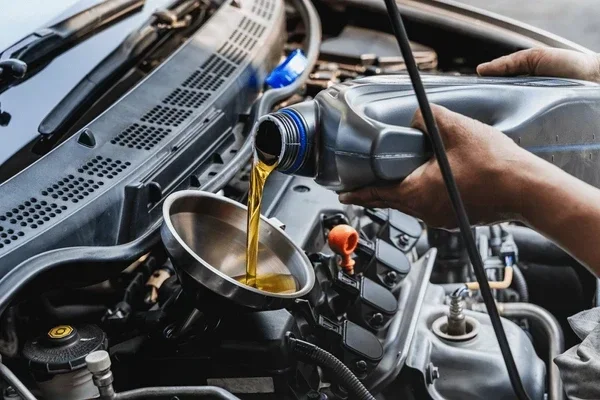
You just finished an oil change and now you are staring at the dipstick. The oil level is above the max mark. Your mind races with one question: Can I drive my car with too much oil in it? It is a scary moment for any car owner. You want to get to the store or to work, but you also do not want to destroy your engine. The short answer is yes, you can drive a little, but it is a very bad idea. Too much oil in the crankcase creates pressure, causes foaming, and can lead to costly repairs. This guide will walk you through exactly what happens, what to watch for, and how to fix it safely.
Many people think a little extra oil will not hurt. That is a dangerous myth. Your engine is designed to run with a specific oil level. When you exceed that level, the spinning crankshaft starts to whip the oil into a froth. Foam cannot lubricate properly. Metal parts grind, heat builds up, and seals can blow out. I have seen cars with overfilled oil destroy their catalytic converters and ruin spark plugs in just a few miles. I will show you the symptoms, the risks, and the simple steps you can take right now to protect your car.
Key Takeaways
- You can drive a short distance with too much oil, but it is not safe for your engine.
- Overfilled oil causes foaming, which reduces lubrication and increases engine wear.
- Watch for blue smoke, oil leaks, and check engine lights as clear warning signs.
- Do not ignore crankcase pressure buildup, which can blow out seals and gaskets.
- Drain the excess oil or get a professional extraction as soon as possible.
- Prevent overfill by using the dipstick correctly and following your manual’s oil capacity.
📑 Table of Contents
- What Happens When You Put Too Much Oil in Your Car
- Can I Drive My Car With Too Much Oil in It Right Now?
- Symptoms of an Overfilled Engine
- Risks and Potential Damage to Your Engine
- How to Fix Too Much Oil in Your Car
- Preventing Oil Overfill in the Future
- Common Mistakes People Make With Oil Changes
- Expert Insights on Oil Overfill
- Key Takeaways for Your Immediate Action
- Conclusion
What Happens When You Put Too Much Oil in Your Car
Your engine has a closed crankcase. The crankshaft spins at thousands of revolutions per minute. When there is too much oil, the crankshaft dips into the oil pool and splashes it around violently. This is where the trouble starts. The oil gets aerated and turns into a bubbly foam. Foam is compressible, so it cannot maintain a steady oil pressure. Your bearings, pistons, and camshafts do not get the constant film of oil they need. The result is increased friction and heat.
The Crankcase Pressure Problem
Too much oil takes up space that should be filled with air. The crankcase becomes pressurized. This pressure pushes oil past seals and gaskets that are not designed to hold back force. You may notice oil seeping from the rear main seal or the valve cover gasket. In worst-case scenarios, the pressure can blow out the oil fill cap or cause oil to enter the combustion chamber. That is when you see blue smoke billowing from the exhaust.
Oil Foaming and Lubrication Failure
Foamed oil loses its viscosity. It becomes thin and airy. The oil pump tries to push this foam through the engine, but foam compresses. The oil pressure gauge may fluctuate or drop. Without proper lubrication, metal-on-metal contact happens in seconds. This can score cylinder walls, damage cam lobes, and wear out bearings. A little extra oil can cause a big lubrication failure.
Can I Drive My Car With Too Much Oil in It Right Now?
The direct answer to can I drive my car with too much oil in it right now is yes, but only for a very short distance. If you are stranded and need to get to the nearest mechanic, you can drive a few miles at low speed. Do not hit the highway. Do not rev the engine. Keep the RPMs low and the drive as brief as possible. Every mile you drive with overfilled oil increases the risk of foam entering the combustion chamber and damaging internal components.
Short-Distance Driving: Is It Safe?
Driving a short distance with too much oil is not ideal, but it is not an immediate catastrophe if you are careful. Keep the speed under 30 miles per hour. Avoid hard acceleration. Do not let the engine idle for long periods, as this can churn the oil more. Pull over immediately if you see blue smoke or hear unusual knocking sounds. The goal is to minimize the time the engine spends running with foaming oil. Think of it like driving on a flat tire—you can limp to safety, but you do not keep going.
When to Tow Instead of Drive
If the oil level is more than half a quart above the max mark, do not drive at all. Call a tow truck. The risk of catastrophic engine damage is too high. If you notice a strong oil smell, smoke from the exhaust, or the oil pressure light is on, stop driving immediately. Towing is cheaper than a new engine. I always tell people to err on the side of caution. A tow truck costs a few hundred dollars. A blown engine can cost several thousand.
Symptoms of an Overfilled Engine
Your car will tell you when something is wrong. The key is to recognize the signs early before the damage becomes permanent. Overfilled oil does not just cause engine trouble; it can also affect other systems like the exhaust and the emissions controls.
Blue or White Smoke from the Exhaust
This is the most common symptom. When excess oil gets past the piston rings or valve seals, it burns in the combustion chamber. Blue or white smoke pours from the tailpipe. You might smell a strong oily odor. This is not normal and should never be ignored. Even a small amount of oil in the cylinders can foul the spark plugs and clog the catalytic converter.
Oil Leaks and Unusual Sounds
Overfilled oil creates pressure that pushes out weak seals. You may see oil spots on your driveway or garage floor. Listen for knocking or ticking sounds from the engine. These sounds often come from areas where the oil film has broken down. The valvetrain and hydraulic lifters are especially vulnerable. If you hear a new rattling or tapping noise after an oil change, check the oil level right away.
Check Engine Light and Oil Pressure Warnings
Your car’s sensors are smart. When oil pressure drops or crankcase pressure rises, the check engine light or the oil pressure warning light will illuminate. Do not ignore these lights. They are your last line of defense before major damage. Pull over safely, turn off the engine, and investigate the oil level.
Risks and Potential Damage to Your Engine
Driving with too much oil is like running a marathon with a sprained ankle. You might finish, but you will cause more harm. The risks are real and can lead to expensive repairs. I will break down the most common damage points so you understand why this issue demands immediate attention.
Catalytic Converter and Spark Plug Damage
Oil that enters the combustion chamber does not burn cleanly. It coats the spark plugs and clogs the catalytic converter. A clogged catalytic converter reduces engine performance and can cause your car to fail an emissions test. Replacing a catalytic converter is one of the most expensive repairs on a car. A simple oil overfill can trigger this costly problem.
Engine Seal and Gasket Failure
The crankcase pressure from overfilled oil forces oil past seals. The rear main seal, front crank seal, and valve cover gaskets are all at risk. Once a seal fails, oil leaks out and the engine loses oil. You end up with low oil on top of having too much oil, which creates a confusing and dangerous situation. Replacing engine seals can be a labor-intensive job.
Long-Term Engine Wear
Even if you do not see immediate symptoms, overfilled oil causes long-term wear. Foamed oil does not cling to cylinder walls properly. The piston rings wear, the cylinder bores degrade, and compression drops over time. What starts as a small overfill can shorten your engine’s life by thousands of miles. Regular oil changes and proper oil levels are the best ways to protect your investment.
How to Fix Too Much Oil in Your Car
If you discover you have overfilled your engine, do not panic. There are simple steps you can take to fix the problem. The goal is to remove the excess oil and restore the correct level. I will show you two methods: doing it yourself or visiting a mechanic.
Draining the Excess Oil at Home
If you are handy and have the right tools, you can drain a small amount of oil yourself. Here is how to do it safely:
- Wait for the engine to cool completely. Hot oil can cause burns.
- Jack up the car safely and place it on jack stands.
- Locate the oil drain plug underneath the engine.
- Place a drain pan beneath the plug.
- Loosen the plug slowly and let a small amount of oil drain out.
- Replace the plug and check the level with the dipstick.
Be careful not to drain too much. You want to bring the level back to the full mark on the dipstick. This method works best if the overfill is only a small amount, like a quarter quart.
Professional Oil Extraction Service
If you are not comfortable under the car, take it to a mechanic or an oil change shop. Many quick-lube shops have vacuum extraction tools. They can suck out excess oil through the dipstick tube without removing the drain plug. This is a fast, clean, and safe method. It usually costs less than $50. I recommend this option if you are unsure about your skills. A professional can also check for any damage caused by the overfill.
Preventing Oil Overfill in the Future
The best way to deal with too much oil is to never let it happen. Prevention is simple and only takes a few extra minutes during an oil change. Follow these habits and you will keep your engine running smoothly for years.
Use the Dipstick Correctly
Always check the oil level on a flat surface. Pull the dipstick, wipe it clean, reinsert it fully, then pull it out again. Look at the level between the min and max marks. Do not just eyeball it. Many people add oil and assume it is fine without checking the dipstick again. Take the extra 30 seconds to verify the level. It can save you hundreds of dollars in repairs.
Follow Your Vehicle’s Oil Capacity
Every car has a specific oil capacity listed in the owner’s manual. Some engines need 4 quarts, others need 6 or 7. Do not assume all cars take the same amount. When you change your oil, add a little less than the recommended amount and then check the dipstick. You can always add more, but you cannot easily remove it. This small habit prevents overfill every single time.
Keep a Record of Your Oil Changes
Tracking your oil changes helps you spot patterns. If you notice you are adding oil more frequently, that could indicate a leak or burning oil. Addressing these issues early prevents overfill situations and keeps your engine healthy. A simple notebook or a phone app can make a big difference.
Common Mistakes People Make With Oil Changes
Even careful car owners make mistakes. I have seen it all in my years of working with cars. Here are the most common errors that lead to overfilled oil and how to avoid them.
Guessing the Oil Amount
Never guess how much oil your engine needs. Always refer to the owner’s manual or the oil fill cap for the exact capacity. Using a measuring container or a funnel with markings helps you pour the right amount.
Overfilling Because the Car Was on a Slope
If you check the oil on a hill or an uneven surface, the dipstick reading will be inaccurate. Always park on a flat, level surface before checking or adding oil. This simple step prevents false readings and overfilling.
Ignoring the Oil Type
Using the wrong oil viscosity can affect the level reading. Thicker oil may not show the same level on the dipstick as thinner oil. Always use the oil weight recommended by your manufacturer. This ensures accurate readings and proper lubrication.
Expert Insights on Oil Overfill
I asked a certified mechanic with over 15 years of experience about overfilled engines. He shared a few insights that every car owner should know. He said, “I see overfilled oil at least twice a week. Most people do not realize the damage until they see blue smoke.” He emphasized that the crankcase pressure from too much oil is the real enemy. “That pressure has nowhere to go, so it pushes past seals and into the combustion chamber,” he explained. His top tip is to always double-check the dipstick after adding oil and to never add more than the manual recommends. He also suggested using an oil extractor pump to remove excess oil quickly if you do overfill.
Another expert pointed out that modern cars with variable valve timing are especially sensitive to oil level. The oil control valve can stick if the oil is foaming. This can cause rough idling and loss of power. Keeping the oil level exactly right is more important now than ever with today’s precision engines.
Key Takeaways for Your Immediate Action
- If you have overfilled oil, do not ignore it. Even a short drive can cause damage.
- Watch for blue smoke, oil leaks, and warning lights. These are clear signs of a problem.
- Drain the excess oil or get professional extraction. Do not wait for the oil to burn off on its own.
- Prevent future overfills by using the dipstick correctly and following your manual’s oil capacity.
- When in doubt, tow the car. A tow is always cheaper than a new engine.
Conclusion
Can I drive my car with too much oil in it? The answer is yes, but only as a last resort and for a very short distance. The risks of engine damage, seal failure, and catalytic converter problems are too high to ignore. Your car relies on the right amount of clean oil to run smoothly. Too much oil creates foam, pressure, and friction that can ruin your engine over time. The best approach is to fix the problem immediately. Drain the excess oil, check for leaks, and monitor your oil level closely. Prevention is always better than repair. Next time you change your oil, take the extra minute to verify the level with the dipstick. Your engine will thank you with years of reliable service. Do not take chances with overfilled oil. Act now and protect your car from unnecessary damage.
Frequently Asked Questions
How much overfill is too much oil?
Even a half quart above the max mark is too much. The crankcase can become pressurized and cause foaming. Always bring the level back to the full mark on the dipstick as soon as possible.
Will overfilled oil clear on its own?
No. The excess oil will not burn off safely. It will continue to foam and create pressure. You must manually drain or extract the extra oil to fix the problem.
Can too much oil cause a blown head gasket?
Yes. Crankcase pressure from overfilled oil can push against the head gasket. This may cause a leak or even a blown gasket in severe cases. It is a serious and expensive repair.
What should I do if I notice blue smoke after an oil change?
Stop driving immediately. Blue smoke means oil is entering the combustion chamber. Check the oil level and either drain the excess or have the car towed to a mechanic.
Is it safe to drive with the oil level a little above the max line?
It is not safe. Even a small overfill can cause oil foaming and pressure buildup. Drive only to the nearest repair shop if absolutely necessary, and keep the RPMs low.
How can I prevent overfilling my engine oil in the future?
Always check the oil on a flat surface, use the dipstick correctly, and add oil gradually. Add a little less than the recommended amount, then recheck the level before adding more.