Can Car Oil Expire Here Is Everything You Should Know
Can car oil expire? The short answer is yes, motor oil does have a shelf life, and using expired oil can harm your engine. Over time, oil additives break down, moisture gets absorbed, and the oil degradation process starts even in a sealed container. Understanding motor oil shelf life helps you protect your vehicle and avoid costly repairs. Let us walk you through everything you need to know about oil storage, expiration signs, and proper engine oil quality maintenance.
Can car oil expire? It is a question many car owners overlook until they dig into the garage and find a half-empty bottle from years ago. The truth is, motor oil does not last forever. Whether it sits on a shelf in your garage or in the crankcase of your engine, time and environmental factors work against it.
Understanding motor oil shelf life is one of the simplest things you can do for your vehicle. Fresh oil keeps your engine running smoothly by reducing friction, cooling parts, and trapping contaminants. But once oil degrades, it loses those abilities. Using old or expired oil can lead to increased wear, poor fuel economy, and even engine failure over time.
In this guide, we will cover everything you need to know about oil expiration. We will look at how long different types of oil last, how to store oil the right way, and how to tell if your oil has gone bad. By the end, you will feel confident about keeping your engine protected and your vehicle running strong.
Key Takeaways
- Oil does expire: Both synthetic and conventional oil have a limited shelf life, typically around 3 to 5 years when stored properly.
- Storage matters: Keeping oil in a cool, dry place with a tight seal slows down the oxidation process and extends usability.
- Synthetic oil lasts longer: Synthetic blends resist oil degradation better than conventional petroleum-based oil.
- Watch for warning signs: Dark color, gritty texture, and a sour smell all point to expired or contaminated oil.
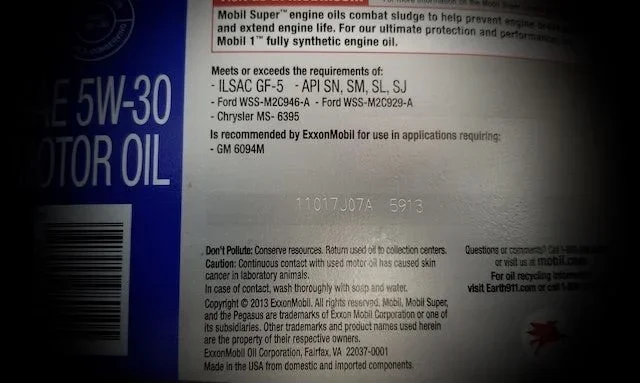
- Check the date: Always look at the manufacture date on the bottle before using stored oil in your vehicle.
- Follow oil change intervals: Even fresh oil loses effectiveness over time, so stick to your vehicle’s recommended oil change interval.
- When in doubt, replace it: Using old or questionable oil risks engine protection and can lead to expensive damage.
📑 Table of Contents
What Happens When Car Oil Expires
When oil sits for too long, it goes through a process called oil degradation. This is a natural chemical breakdown that affects every type of motor oil, no matter the brand or quality. Let us break down what actually happens inside that bottle or inside your engine.
The Science Behind Oil Degradation
Motor oil is made of two main parts: a base oil and a package of oil additives. The base oil does the heavy lifting, lubricating metal parts and reducing friction. The additives handle everything else, from preventing sludge to boosting engine protection.
Over time, the oil additives start to break down. Antioxidants lose their ability to fight oxidation. Detergents stop keeping contaminants suspended. Dispersants can no longer hold particles apart. The result is oil that simply does not perform the way it should.
Heat accelerates this process. Even at room temperature, chemical reactions are slowly changing the structure of the oil. This is why the manufacture date on the bottle matters so much. Old oil may look fine on the surface but be chemically weakened underneath.
How Oxidation Affects Your Oil
Oxidation is one of the biggest enemies of motor oil. When oil molecules react with oxygen, they form new compounds that change the oil’s chemistry. Oxidized oil becomes thicker and less effective at flowing through your engine.
This viscosity change is a serious problem. Oil needs to flow freely to reach all the moving parts inside your engine. Thick, oxidized oil moves slowly, leaving parts unlubricated. That leads to more friction, more heat, and more wear over time.
Oxidation also creates harmful byproducts. Acids form inside the oil, which can corrode metal surfaces. Sludge builds up in passages and galleries, restricting oil flow even further. All of this happens quietly, which is why many drivers do not notice the damage until it is too late.
How Long Does Motor Oil Last
The shelf life of motor oil depends on several factors, including the type of oil, how it is stored, and whether the container has been opened. Let us look at the numbers so you know what to expect.
Shelf Life of Unopened Oil
An unopened bottle of motor oil can generally last between 3 and 5 years from the manufacture date. This applies to both synthetic oil and conventional oil, though synthetic tends to hold up a bit longer. The sealed container prevents moisture from getting in and slows down the oxidation process significantly.
However, 5 years is the outer limit. Most experts recommend using unopened oil within 3 years for best results. After that, the oil additives start to lose their potency, even in a sealed bottle. If you find an old bottle in your garage, check the date before pouring it into your engine.
Storage conditions play a big role here too. Oil kept in a climate-controlled space will last longer than oil stored in a hot attic or a damp shed. Extreme temperatures speed up chemical breakdown, no matter how well sealed the container is.
How Long Does Opened Oil Last
Once you open a bottle of motor oil, the clock starts ticking faster. Opened oil should be used within 1 to 2 years for optimal engine oil quality. Each time you open the container, you expose the oil to air, which introduces oxygen and moisture.
If you pour old oil into your engine and it has been sitting for years, you are essentially gambling with your engine’s health. The oil change interval for most vehicles is every 5,000 to 7,500 miles, or every 6 months. Do not stretch that interval by using questionable oil from the back of your shelf.
Synthetic vs Conventional Oil Shelf Life
Not all motor oils are created equal when it comes to longevity. The type of oil you choose affects how long it lasts on the shelf and how it performs inside your engine. Let us compare the two main types.
Synthetic Oil Expiration Details
Synthetic oil is engineered in a lab to have a more stable molecular structure. Because the base oil is artificially produced, it has fewer impurities and a more consistent chemical makeup. This gives synthetic oil a longer motor oil shelf life compared to conventional options.
Most synthetic oils can sit unopened for up to 5 years without significant oil degradation. Once opened, they still last about 2 years under proper storage conditions. Synthetic oil also resists oxidation better, which means it holds its viscosity and protective properties longer.
The oil additives in synthetic blends are often more advanced and stable. They resist breakdown from heat and moisture more effectively. This is one reason why many car manufacturers now recommend synthetic oil for newer vehicles.
Conventional Oil Shelf Life
Conventional oil, also called petroleum-based oil, is derived directly from crude oil. It contains more impurities and has a less uniform molecular structure. This makes it more susceptible to oil degradation over time.
Unopened conventional oil typically lasts about 3 to 4 years. Once opened, it should be used within 1 year for best performance. The base oil in conventional formulations breaks down faster than synthetic, especially when exposed to heat and air.
That does not mean conventional oil is bad. It still provides excellent engine protection when used within its shelf life. It is also more affordable than synthetic, which makes it a popular choice for older vehicles and high-mileage engines.
Comparison Table: Synthetic vs Conventional Oil
| Factor | Synthetic Oil | Conventional Oil |
|---|---|---|
| Unopened shelf life | Up to 5 years | 3 to 4 years |
| Opened shelf life | 1 to 2 years | 1 year or less |
| Oxidation resistance | High | Moderate |
| Viscosity stability | Excellent | Good |
| Additive stability | High | Moderate |
| Best for | Newer engines, extreme temperatures | Older engines, moderate driving |
| Cost | Higher | Lower |
How to Properly Store Motor Oil
How you store your motor oil has a huge impact on how long it lasts. Even the best quality oil will degrade quickly if stored incorrectly. Follow these guidelines to get the most out of every bottle.
Ideal Storage Conditions
The best place to store motor oil is a cool, dry, and dark area. Temperature swings are the enemy of oil stability. A garage that stays between 50 and 75 degrees Fahrenheit is ideal. Avoid storing oil near your water heater, furnace, or any source of direct heat.
Keep oil containers tightly sealed when not in use. A loose or damaged oil container seal lets in moisture and air, both of which speed up oil degradation. If you pour oil into a different container, make sure it is clean and made of a material that will not react with the oil.
Store bottles upright to prevent leaks and minimize the surface area exposed to air. Keep them away from direct sunlight, since UV rays can break down the oil’s chemical structure over time.
Common Oil Storage Mistakes
Many car owners make avoidable mistakes when storing motor oil. Here are the most common ones:
- Leaving oil in a hot car trunk: Heat accelerates chemical breakdown and can ruin oil in just a few weeks.
- Storing oil in a damp basement: Moisture can seep into the container, especially if the seal is not perfect. This leads to oil contamination.
- Keeping opened bottles for years: Once opened, oil should be used promptly. Do not hold onto it for future use beyond a year.
- Ignoring the manufacture date: Always check the date before using stored oil. If it is past the expiration window, dispose of it properly.
- Mixing old and new oil: Pouring old oil into a new container with fresh oil dilutes the additives and reduces effectiveness.
Quick Tips for Oil Storage
- Store oil in its original container whenever possible.
- Label opened bottles with the date you first opened them.
- Keep storage areas away from extreme temperatures.
- Do not store oil near chemicals or solvents.
- Use a clean funnel when transferring oil to prevent contamination.
Signs Your Oil Has Gone Bad
Knowing the warning signs of expired or contaminated oil can save you from serious engine problems. You do not need to be a mechanic to spot these red flags. Here is what to look for.
Visual Clues to Watch For
Fresh motor oil is usually amber or golden brown in color. As oil ages or degrades, it darkens significantly. If your stored oil looks very dark brown or black, it may have oxidized or absorbed contaminants. Dark color alone does not always mean the oil is bad, but combined with other signs, it is a warning.
Check the consistency too. Fresh oil feels smooth and slightly slippery. If the oil feels gritty or thick, the viscosity changes have already started. Gritty oil means particles have accumulated, and those particles can scratch and damage engine surfaces.
How Contamination Ruins Oil
Oil contamination happens when foreign substances get into the oil. Water is one of the most common culprits. Even a small amount of moisture can cause the oil to break down and form sludge. This is especially common if oil is stored in a humid environment or if the container seal is compromised.
Dust and dirt can also contaminate oil if the container is left open. Particles floating in the oil act as abrasives, wearing down metal surfaces as the oil circulates through the engine. This is why keeping the container sealed and clean is so important.
Another form of contamination comes from the oil itself breaking down. As oil additives degrade, they leave behind residue and chemical byproducts. These byproducts can form deposits inside your engine, clogging passages and reducing engine protection.
If you ever notice a sour or acidic smell when you open a bottle of oil, that is a strong sign of oxidation. The oil has chemically changed and should not be used. Trust your senses when it comes to checking oil quality.
When to Replace Your Oil
Even if your oil has not technically expired on the shelf, it still needs to be changed regularly inside your engine. The oil change interval depends on your vehicle, the type of oil you use, and your driving habits.
Following the Oil Change Interval
Most modern vehicles recommend an oil change interval of every 5,000 to 7,500 miles for conventional oil and every 7,500 to 10,000 miles for synthetic oil. Always check your owner’s manual for the manufacturer’s specific recommendation. These intervals are based on normal driving conditions.
If you drive in severe conditions, you may need to change your oil more often. Severe conditions include frequent short trips, extreme heat or cold, towing heavy loads, or driving in dusty environments. In these cases, shortening your oil change interval by 20 to 30 percent is a smart move.
Expert Tips for Oil Replacement
Here are some practical tips to make sure you get the most out of every oil change:
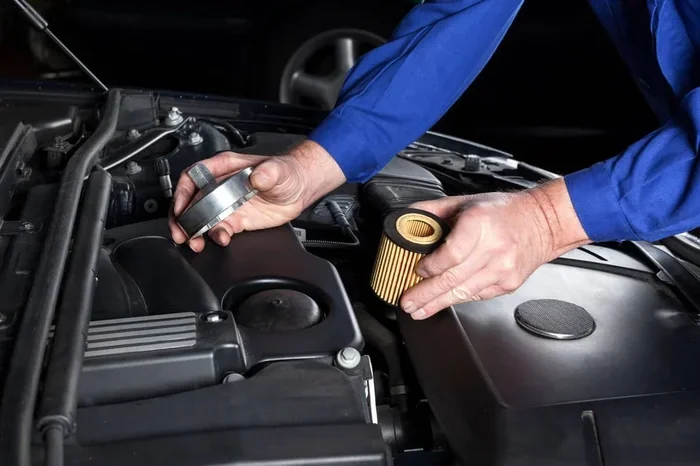
- Always replace the oil filter at the same time you change the oil. A clogged filter can’t properly clean the oil, which leads to faster degradation.
- Use the oil weight and type recommended by your vehicle manufacturer. Do not switch to a different grade without checking first.
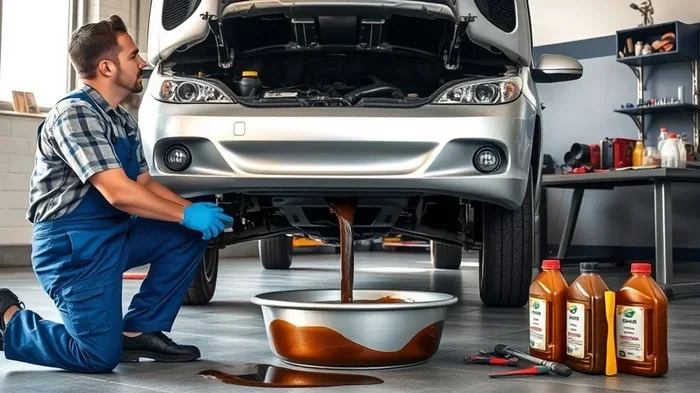
- Run the engine for a few minutes before draining the oil. Warm oil flows more freely and carries more contaminants out of the engine.
- Dispose of used oil properly at a recycling center. Never pour it down the drain or onto the ground.
- Keep a log of your oil changes, including the date, mileage, and type of oil used. This helps you track your vehicle’s maintenance history.
Common Mistakes to Avoid
Even experienced car owners sometimes make mistakes with oil changes. Here are the most common ones:
- Overfilling the oil: Too much oil can cause foaming, which reduces lubrication and can damage the engine.
- Underfilling the oil: Low oil levels mean parts are not getting proper lubrication, leading to increased wear.
- Using the wrong oil type: Mixing synthetic and conventional oil is not dangerous, but it does reduce the benefits of synthetic.
- Skipping oil changes: Even the best oil loses effectiveness over time. Skipping scheduled changes is one of the fastest ways to shorten your engine’s lifespan.
- Ignoring warning signs: If your oil pressure light comes on or you hear unusual engine noises, check the oil immediately.
Expert Insights on Oil Shelf Life
According to most automotive experts, the key to getting the most out of your motor oil is to be proactive. Do not wait until you notice problems. Check your oil regularly, follow the recommended oil change interval, and store any spare oil properly.
Experts also recommend buying oil in quantities you will use within a year or two. There is no benefit to stockpiling large amounts of oil, and doing so increases the chance of using expired product. A well-planned vehicle maintenance routine keeps your engine healthy and your wallet happy.
If you are ever unsure about whether your oil is still good, it is better to replace it than to take chances. Fresh oil is inexpensive compared to the cost of repairing engine damage caused by degraded lubrication. When it comes to engine protection, there is no substitute for quality oil used at the right time.
Conclusion
Can car oil expire? Yes, it absolutely can, and understanding this simple fact can save you from expensive repairs down the road. Motor oil has a limited shelf life, and using expired or contaminated oil puts your engine at risk. Whether you use synthetic or conventional oil, the principles are the same: store it properly, check the dates, and replace it on schedule.
Taking care of your motor oil shelf life is one of the easiest and most cost-effective things you can do for your vehicle. A few simple habits, like checking your oil container seal, storing oil in a cool place, and following your oil change interval, go a long way toward keeping your engine running smoothly for years to come.
Remember, your engine depends on clean, fresh oil to protect its internal components. Do not let old or degraded oil compromise that protection. Stay on top of your vehicle maintenance, and your car will reward you with reliable performance and a longer lifespan.
Frequently Asked Questions
How long can you keep motor oil in a car before it goes bad?
Motor oil sitting inside your engine should be changed every 5,000 to 7,500 miles or every 6 months, whichever comes first. Even if you do not drive often, oil degrades over time due to moisture absorption and oxidation. Do not let oil sit in your engine for more than a year without changing it.
Can you use oil that has been sitting in a garage for 3 years?
It depends on the storage conditions and whether the bottle was opened. Unopened oil stored in a cool, dry place can last up to 5 years. However, oil that has been sitting for 3 years should be inspected carefully for discoloration, gritty texture, or a sour smell. When in doubt, it is safer to replace it with fresh oil.
Does synthetic oil expire faster than conventional oil?
No, synthetic oil actually has a longer shelf life than conventional oil. Synthetic oil resists oxidation and additive breakdown better, which means it stays effective for up to 5 years when unopened. Conventional oil typically lasts 3 to 4 years under the same conditions.
What happens if you put expired oil in your engine?
Expired oil loses its ability to lubricate, cool, and protect engine components. It may become thicker or thinner than it should be, leading to increased friction, overheating, and accelerated wear. Over time, using expired oil can cause sludge buildup and serious engine damage that requires costly repairs.
How can you tell if stored motor oil has gone bad?
Check for dark color, gritty texture, and a sour or acidic smell. Fresh oil should be amber or golden brown, smooth to the touch, and odorless. If the oil looks very dark, feels rough, or smells off, it has likely degraded and should be replaced. Always check the manufacture date on the bottle as well.
Does oil expire faster in extreme temperatures?
Yes, extreme heat and cold both accelerate oil degradation. High temperatures speed up oxidation and break down oil additives faster. Freezing temperatures can cause moisture to condense inside the container, leading to oil contamination. Store oil in a temperature-controlled environment for the longest shelf life possible.