Can Bad Spark Plugs Cause Overheating and Engine Damage
Yes, bad spark plugs can absolutely cause your engine to overheat. When spark plugs fail, they disrupt the combustion process, leading to misfires, incomplete fuel burning, and dangerous heat buildup. This guide covers how faulty plugs trigger overheating, the warning signs to watch for, and steps to prevent costly engine damage.
Your engine is running hot. The temperature gauge on your dashboard is climbing into the red zone. You pull over to the side of the road, wondering what went wrong. Most drivers immediately think about the radiator, the cooling fan, or the thermostat. But here is something many people completely overlook: bad spark plugs can cause overheating and lead to serious engine damage.
Spark plugs may be small components tucked inside your engine, but they play a huge role in how your car burns fuel and manages heat. When they wear out, foul up, or fail entirely, the entire combustion process suffers. The result is extra heat, misfires, and in the worst cases, engine damage from overheating that costs hundreds or even thousands of dollars to repair.
In this guide, we will walk you through exactly how bad spark plugs cause overheating, what warning signs to watch for, and what you can do to protect your engine. Whether you are a hands-on DIY mechanic or a curious car owner who wants to learn more, this article gives you clear, practical answers you can use right away.
We will break down the science behind the problem in simple, easy-to-understand language. We will also share real-world examples, helpful tips, and common mistakes to avoid. Let us get started.
Key Takeaways
- Bad spark plugs can cause overheating by disrupting proper combustion and creating excess heat inside your engine.
- Engine misfires, rough idling, and reduced fuel efficiency are early warning signs that your spark plugs may be failing.
- Delayed replacement leads to serious damage including catalytic converter failure, piston ring wear, and head gasket problems.
- Regular maintenance and timely replacement of spark plugs keeps your engine running cool, efficient, and reliable.
- Using the wrong heat range or incorrect spark plug gap can accelerate plug failure and trigger overheating issues.
- Professional diagnostics help catch problems early before minor spark plug issues turn into major engine repairs.
📑 Table of Contents
Can Bad Spark Plugs Cause Overheating? The Connection Explained
The short answer is yes. Bad spark plugs can absolutely cause your engine to overheat. But how does a tiny ignition component create such a big heat problem? Let us break it down step by step so it makes complete sense.
How Combustion Works and What Goes Wrong
Every time you turn the key or press the start button, your spark plug fires a small electrical spark inside the combustion chamber. This spark ignites the air-fuel mixture, creating a controlled explosion. That explosion pushes the piston down and generates the power that moves your car.
When a spark plug is working correctly, the combustion is clean and complete. The fuel burns efficiently, and the heat stays within normal operating limits. But when a spark plug goes bad, several problems can occur that directly raise engine temperatures:
- Incomplete combustion: A weak or missing spark means fuel does not burn completely. Unburned fuel absorbs heat and raises exhaust gas temperature, which radiates back into the engine.
- Engine misfire: A failing plug causes a cylinder misfire, which puts extra stress on the engine and generates excess heat in the affected cylinder.
- Pre-ignition and detonation: Damaged plugs can cause the fuel to ignite at the wrong time. This leads to engine knock and dangerous heat spikes inside the cylinders.
All of these issues force your engine cooling system to work harder than it was designed to handle. Over time, the radiator, water pump, and thermostat cannot keep up, and temperatures climb past safe levels.
The Role of Spark Plug Heat Range
Every spark plug has a heat range rating. This number tells you how well the plug transfers heat away from the tip and into the engine head. A plug with the wrong heat range for your specific engine can cause serious overheating problems.
For example, a plug that is too cold for your engine will not burn off carbon deposits properly. These deposits build up on the electrode and insulator, creating a layer of residue that insulates the tip. A plug that is too hot can cause pre-ignition, which raises combustion chamber temperatures to dangerous levels before the piston reaches top dead center.
Expert Insight: Always use the heat range specified by your vehicle manufacturer. Using a different heat range “because it is cheaper” or “because it was available at the auto parts store” is one of the most common mistakes drivers make. The wrong spark plug heat range is a silent engine killer.
Warning Signs That Your Spark Plugs Are Failing
Bad spark plugs do not just appear overnight. They give you warning signs over days or weeks. Catching these early can prevent engine overheating and save you from expensive repairs.
Engine Misfire and Rough Idling
The most common sign of spark plug fouling is an engine misfire. You may feel a shaky or jerky sensation when your car is idling at a stoplight. The engine might hesitate or stumble when you press the gas pedal.
Misfires mean that one or more cylinders are not firing properly. Each misfire dumps unburned fuel into the exhaust system. This raises exhaust gas temperature and puts extra strain on the catalytic converter. Over time, repeated misfires generate enough heat to damage the exhaust system from the inside out.
Reduced Fuel Efficiency
Have you noticed you are visiting the gas station more often than usual? Reduced fuel efficiency is a telltale sign of spark plug problems. When plugs do not ignite fuel properly, your engine compensates by using more gas to produce the same amount of power.
This wasted fuel does not just cost you money at the pump. The incomplete combustion creates extra heat inside the cylinders. Over time, this inefficiency contributes to rising engine temperatures and puts extra load on the engine cooling system.
Difficulty Starting the Engine
Worn electrodes and heavy carbon buildup make it harder for the spark to jump the gap between the plug’s center and ground electrode. You might notice your engine cranks longer than usual before it starts, especially on cold mornings.
If your ignition coil is working overtime to compensate for weak plugs, it can overheat as well. This creates a chain reaction of heat-related problems that spread beyond just the spark plugs themselves.
Engine Knocking Sounds
A persistent knocking or pinging noise coming from the engine bay is never a good sign. This engine knock often happens when the air-fuel mixture ignites prematurely due to electrode erosion or an incorrect spark plug gap setting.
Engine knock generates intense, uncontrolled heat inside the cylinders. If you hear this sound, get your spark plug gap checked immediately. Continuing to drive with engine knock can cause piston damage, valve damage, and in severe cases, a cracked engine block.
How Faulty Spark Plugs Lead to Long-Term Engine Damage
Short-term overheating is bad enough. But the real danger comes when bad spark plugs are left unchanged for weeks or months. The damage compounds over time, and what starts as a minor issue can become a catastrophic engine failure.
Catalytic Converter Failure
When misfires send raw, unburned fuel into the exhaust stream, the catalytic converter has to work much harder than it should. The excess fuel burns at extremely high temperatures inside the converter, which can melt the internal ceramic substrate.
A failed catalytic converter restricts exhaust flow, which causes the engine to run even hotter. This creates a vicious cycle of increasing heat and worsening performance. Replacing a catalytic converter is one of the most expensive repairs a car owner can face, often costing 500 to 2,000 dollars or more.
Piston and Ring Damage
Prolonged overheating weakens the thermal conductivity of the engine block and cylinder head. The pistons expand from the excessive heat and can scuff against the cylinder walls. This causes scoring, increased oil consumption, and eventually, visible engine damage signs like blue exhaust smoke and noticeable power loss.
In severe cases, the piston rings can seize, which leads to complete engine failure. Rebuilding or replacing an engine is a cost that most car owners want to avoid at all costs.
Head Gasket Failure
Extreme heat from combustion issues can warp the cylinder head over time. This compromises the seal of the head gasket. A blown head gasket leads to coolant leaks, steam coming from the exhaust, overheating that comes and goes, and potentially catastrophic engine failure if not addressed quickly.
Common Mistake: Many drivers ignore early warning signs like a slight misfire or a small drop in engine performance. They assume the problem will go away on its own. In reality, every mile driven with bad plugs increases the risk of severe and expensive engine damage. The cost of a set of spark plugs is a tiny fraction of what a head gasket repair or engine rebuild costs.
Comparison: Good vs. Bad Spark Plugs and Engine Health
Understanding the difference between healthy and failing spark plugs helps you take action before damage occurs. Here is a side-by-side look at how each condition affects your engine and overall vehicle health.
| Factor | Good Spark Plugs | Bad Spark Plugs |
|---|---|---|
| Combustion Efficiency | Complete, clean burn | Incomplete, uneven burn |
| Engine Temperature | Normal, stable range | Elevated, fluctuating |
| Fuel Economy | Optimal mileage | Reduced by 10 to 30 percent |
| Engine Performance | Smooth and responsive | Rough, hesitant, or jerky |
| Emissions Output | Clean, within limits | High, pollutant-heavy |
| Engine Longevity | Long, reliable lifespan | Shortened, risk of damage |
| Risk of Overheating | Very low | High |
| Cost of Maintenance | Low, routine replacement | High, repairs from damage |
As you can see from this comparison, bad spark plugs affect nearly every aspect of your engine’s health. The connection between spark plugs and engine temperature is stronger than most drivers realize. Taking care of your plugs is one of the simplest and most cost-effective things you can do for your vehicle.
Quick Tips: How to Check Your Spark Plugs at Home
You do not need to be a professional mechanic to inspect your spark plugs. Here are a few simple steps you can follow at home with basic tools:
- Remove the plug using a spark plug socket and ratchet wrench. Be gentle and do not force it.
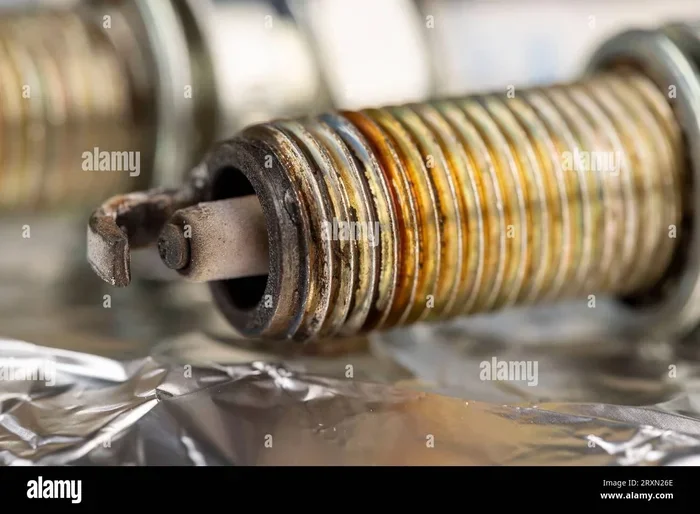
- Look at the electrode carefully. It should be light tan or gray in color. Black, white, or oily deposits indicate problems that need attention.
- Check the spark plug gap using a feeler gauge set. Compare the measurement to the specifications listed in your vehicle owner’s manual.
- Look for cracks in the ceramic insulator. Any visible cracks or chips mean the plug needs immediate replacement.
- Smell the plug if you are unsure. A strong fuel odor indicates unburned fuel, which is often caused by a weak or inconsistent spark.
Regular visual inspections take only a few minutes but can save you from major repairs down the road. Make it part of your routine maintenance habit.
Prevention and Replacement: Keeping Your Engine Cool
The best way to prevent spark plug-related overheating is simple: maintain your plugs and replace them on schedule. Prevention is always easier and cheaper than repair.
Follow the Manufacturer’s Replacement Schedule
Every vehicle has a recommended spark plug replacement interval written in the owner’s manual. For standard copper spark plugs, this is usually every 30,000 miles. Iridium and platinum plugs can last 60,000 to 100,000 miles depending on the manufacturer and driving conditions.
Driving in extreme heat, stop-and-go traffic, or towing heavy loads can shorten plug life. If you regularly drive in these conditions, consider replacing your plugs more frequently than the standard recommendation.
Quick Tip: Set a reminder on your phone or calendar when you reach the halfway point of your plug’s expected life. This gives you plenty of time to order the right plugs and schedule the replacement without rushing or guessing.
Choose the Right Spark Plugs for Your Vehicle
Not all spark plugs are the same, and choosing the right one matters more than most people think. When shopping for replacements, pay close attention to these details:
- Heat range: Match it exactly to your engine’s requirements. This affects how much heat the plug transfers and how well it resists fouling.
- Thread size and reach: Using the wrong size can damage the threads in your cylinder head, leading to expensive repairs.
- Seat type: Gasket seat or tapered seat, make sure it matches what your engine was designed for.
- Electrode material: Copper, platinum, or iridium, each has different performance characteristics and longevity. Choose based on your driving habits and budget.
Choosing the right plug ensures optimal thermal conductivity and prevents the kind of heat buildup that leads to overheating and engine damage.
Common Mistakes That Accelerate Spark Plug Failure
Even with new plugs, poor habits can shorten their lifespan dramatically. Here are the most common mistakes drivers make:
- Over-tightening the plugs: This can strip the threads in the cylinder head or crack the ceramic insulator. Always use a torque wrench and follow the manufacturer’s specifications.
- Using the wrong spark plug gap: An incorrect gap causes weak sparks and incomplete combustion, which directly contributes to overheating problems.
- Ignoring oil leaks: Oil that leaks onto the plugs causes rapid fouling and spark plug fouling, which leads to misfires and excess heat.
- Skipping ignition coil checks: A failing ignition coil puts extra stress on the plugs and shortens their useful life significantly.
Expert Insight: When you replace spark plugs, take the extra step of inspecting the ignition coils and plug wires at the same time. A healthy ignition system reduces the workload on each plug and keeps your engine running cool, smooth, and efficient. This one habit can extend the life of your entire ignition system.
The Cost of Ignoring Bad Spark Plugs
Replacing a set of spark plugs costs between 20 and 100 dollars for most vehicles. That is a very small price to pay for the protection it provides. Compare that to the cost of repairing engine damage caused by overheating.
A new catalytic converter can cost 500 to 2,000 dollars. A head gasket repair can run 1,000 to 3,000 dollars or more. A complete engine rebuild or replacement can cost 3,000 to 7,000 dollars or even higher. The math is clear and simple. Routine spark plug maintenance is one of the cheapest and most effective ways to protect your engine from overheating and long-term damage.
Conclusion
So, can bad spark plugs cause overheating? The answer is a definitive and unequivocal yes. Bad spark plugs cause overheating by disrupting the combustion process, creating misfires, and generating excess heat that your cooling system simply cannot handle on its own. Over time, this leads to engine damage that could have been easily and cheaply prevented with routine maintenance.
The warning signs are there if you know what to look for. Rough idling, engine misfires, reduced fuel economy, difficulty starting, and engine knocking are all clues that your spark plugs may be failing. The key is to notice these signs early and take action before the problem escalates.
Regular inspection and timely replacement of your spark plugs keep your engine running smoothly, efficiently, and at the right temperature. Do not wait until the check engine light comes on or you start smelling burning coolant from under the hood. Take care of your spark plugs today, and your engine will reward you with years of reliable, trouble-free service. Your car depends on those small but mighty components far more than most drivers ever realize.
Frequently Asked Questions
Can bad spark plugs cause engine overheating?
Yes, they absolutely can. When spark plugs fail, they create incomplete combustion, misfires, and excess heat that your cooling system cannot manage. This causes engine temperatures to rise beyond safe levels.
How often should I replace my spark plugs to prevent overheating?
It depends on the type of plug and your vehicle. Copper plugs typically need replacement every 30,000 miles, while platinum and iridium plugs can last 60,000 to 100,000 miles. Always check your owner’s manual for the manufacturer’s recommended schedule.
What are the signs that my spark plugs are causing engine damage?
Watch for rough idling, engine misfires, reduced fuel efficiency, difficulty starting, engine knocking sounds, and the check engine light. These are all indicators that your plugs may be contributing to overheating and potential engine damage.
Can a single bad spark plug overheat an engine?
Yes, even one failing plug can cause problems. A single misfire dumps unburned fuel into the exhaust, raises exhaust gas temperature, and puts extra stress on the catalytic converter and cooling system.
How much does it cost to fix engine damage from bad spark plugs?
It varies widely depending on the damage. Spark plug replacement costs 20 to 100 dollars. Catalytic converter repair can cost 500 to 2,000 dollars. A head gasket or engine rebuild can cost 1,000 to 7,000 dollars or more. Early prevention is always cheaper.
Are aftermarket spark plugs safe for preventing overheating?
Yes, but only if you choose the right plug for your vehicle. Match the heat range, thread size, seat type, and electrode material to the manufacturer’s specifications. Cheap, incorrect aftermarket plugs can cause more harm than good.