70 Percent Window Tint Explained What You Need To Know
70 percent window tint is a light shade of auto tint that blocks about 30 percent of visible light while offering solid UV protection and heat reduction. It is one of the most popular choices for drivers who want a subtle look without sacrificing visibility. This guide covers everything from tint laws and benefits to installation tips and comparisons with darker shades.
If you have been shopping for window tint, you have probably seen numbers like 5 percent, 20 percent, 35 percent, and 70 percent. These numbers represent the visible light transmission level, or VLT, of the tint film. A 70 percent window tint is one of the lightest options you can choose. It lets in most of the natural light while still providing real benefits like UV protection and heat reduction.
Whether you want to protect your car’s interior, reduce glare on long drives, or just add a sleek look to your vehicle, 70 percent tint is worth considering. In this guide, we will break down everything you need to know. We will cover how it works, the benefits, the laws, and how it compares to other tint levels. By the end, you will know exactly whether this tint shade is the right choice for your car.
Key Takeaways
- 70 percent window tint allows 70% of visible light to pass through, making it one of the lightest legal tint options available.
- This tint level provides meaningful UV protection, heat rejection, and glare reduction without darkening your windows too much.
- Laws vary by state and country, so always check your local legal tint limits before purchasing.
- 70 percent tint works well on front side windows and is often preferred for a factory-like appearance.
- Installation is straightforward, and maintenance is simple with the right cleaning products and techniques.
- Compared to darker tints like 20 or 35 percent, 70 percent tint offers a more natural look and better daytime visibility.
- The cost is generally lower than darker or premium ceramic tints, making it an affordable entry point into car window tinting.
📑 Table of Contents
- What Is 70 Percent Window Tint?
- How Does 70 Percent Window Tint Work?
- Benefits of 70 Percent Window Tint
- 70 Percent Tint Laws and Regulations
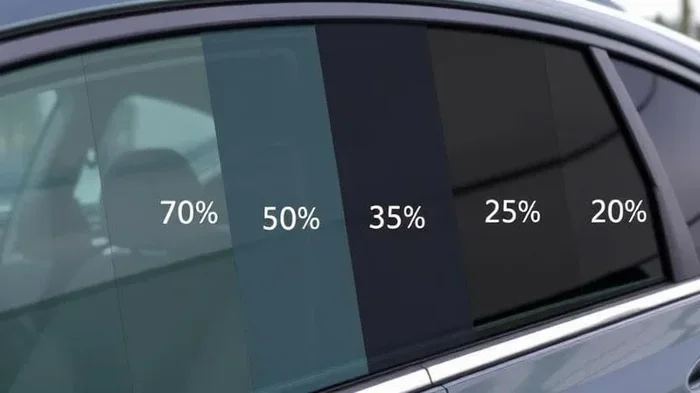
- 70 Percent Tint vs. Other Darkness Levels
- How to Choose the Right 70 Percent Tint
- Installation and Maintenance Tips
- Common Mistakes to Avoid
- Expert Insights on 70 Percent Window Tint
- Is 70 Percent Tint Right for You?
- Conclusion
What Is 70 Percent Window Tint?
The number 70 refers to the percentage of visible light that the tint film allows to pass through your car windows. So a 70 percent window tint blocks roughly 30 percent of the light. This makes it a very light shade, often barely noticeable from the outside.
Most factory-tinted windows come in at around 70 to 80 percent VLT. So when you add a 70 percent aftermarket tint, the result looks very similar to a vehicle that came with tinted glass from the factory. This is one reason why so many drivers prefer this shade. It offers a subtle upgrade without dramatically changing the appearance of your car.
The tint is usually made from dyed film, carbon film, or hybrid materials. Each type offers slightly different performance levels. For example, ceramic tint at 70 percent can reject more heat than a standard dyed film at the same shade. But even a basic 70 percent tint will deliver solid results for everyday driving.
How Is Tint Darkness Measured?
Tint darkness is measured using VLT, which stands for visible light transmission. The higher the number, the more light passes through. A 70 percent tint lets 70 percent of light in, while a 5 percent tint only lets 5 percent in. This measurement is the standard used by tint manufacturers and regulators worldwide.
When you hear people talk about window tint darkness, they are referring to this VLT percentage. It is the most important number to understand before buying any tint film. Always ask the seller for the VLT rating before making a purchase.
How Does 70 Percent Window Tint Work?
A 70 percent window tint works by applying a thin film to the inside surface of your car windows. This film contains layers that absorb and reflect a portion of the sun’s energy. The remaining light passes through, keeping your cabin bright and clear.
The film typically has several layers. There is an adhesive layer that sticks to the glass, a dyed or carbon layer that blocks light, and a protective scratch-resistant coating on top. Some premium films also include a metalized layer that boosts heat rejection even further.
UV Protection at 70 Percent
One of the biggest benefits of a 70 percent window tint is its ability to block harmful ultraviolet rays. Even at this light shade, quality tint films can block up to 99 percent of UV radiation. This is important because UV exposure can cause skin damage and fade your car’s interior over time.
Think about all the hours you spend driving with your arm resting on the window or sunlight hitting your dashboard. Over months and years, this exposure adds up. A 70 percent auto tint helps protect both your skin and your car’s interior from sun damage.
Heat Rejection and Glare Reduction
While a 70 percent tint does not block as much heat as a 35 or 20 percent tint, it still provides meaningful heat rejection. You will notice a difference in cabin temperature, especially on hot summer days. The glare reduction is also significant, making driving more comfortable during bright, sunny conditions.
The heat rejection performance depends on the type of film you choose. Ceramic films perform best, followed by carbon and hybrid films. Even a standard dyed 70 percent film will reduce solar heat and glare compared to having no tint at all.
Benefits of 70 Percent Window Tint
Choosing a 70 percent window tint comes with several practical advantages. Let us look at the main benefits in detail.
1. Subtle and Stylish Appearance
A 70 percent tint gives your car a polished look without being too dark. It is the perfect choice if you want a modest upgrade that does not attract unnecessary attention. Many people choose this shade because it looks clean and professional.
2. Better Privacy
Even though 70 percent tint is light, it still provides a degree of privacy. People outside will have a harder time seeing into your car, especially at night or in dim lighting. This is a nice bonus for anyone who values their personal space inside the vehicle.
3. Interior Protection
Your car’s dashboard, seats, and trim can crack and fade from sun exposure. A 70 percent window film blocks a large portion of UV rays, helping preserve the interior condition of your vehicle. This is especially valuable if you plan to keep your car for many years.
4. Improved Comfort
Less glare means less eye strain during long drives. The reduced heat also makes your car more comfortable, especially in the summer. You will not need to run your air conditioning as hard, which can improve fuel efficiency slightly.
5. Affordable Entry Point
Compared to darker tints or premium ceramic films, a 70 percent tint is generally more affordable. It is a great way to get started with window tinting without a big investment. The window tint cost for a 70 percent shade is often lower than for darker options.
70 Percent Tint Laws and Regulations
Tint laws vary widely depending on where you live. In the United States, each state sets its own legal tint limits. In many states, a 70 percent tint is fully legal on all windows, including the front side windows. However, some states have stricter rules for the front windshield and driver-side windows.
Common Legal Restrictions
Most states allow 70 percent tint on front side windows without any issues. The front windshield usually must have a strip of tint along the top, but no tint on the lower portion in many jurisdictions. Rear windows and back side windows often have fewer restrictions.
Here are some general guidelines to keep in mind:
- Front side windows typically need to allow at least 70 percent of light in most states.
- Rear windows and back side windows can often be tinted darker.
- The front windshield usually has a limited tint strip near the top.
- Some states require a sticker or certificate proving the tint meets legal standards.
- Medical exemptions may be available in certain states for darker tints.
Always check your state tint laws before getting your windows tinted. Getting caught with illegal tint can result in fines and the requirement to remove the film. A quick search online or a visit to your local DMV website will give you the exact rules for your area.
70 Percent Tint vs. Other Darkness Levels
To understand where 70 percent tint fits in, it helps to compare it with other popular tint shades. Here is a side-by-side look at the most common options.
Comparison Table
| Tint Shade | VLT Percentage | Light Blocked | Best For |
|---|---|---|---|
| 70 Percent Tint | 70% | 30% | Subtle look, UV protection, light heat rejection |
| 50 Percent Tint | 50% | 50% | Moderate shade, balanced heat and visibility |
| 35 Percent Tint | 35% | 65% | Popular dark look, good heat rejection |
| 20 Percent Tint | 20% | 80% | Bold look, strong privacy and heat rejection |
| 5 Percent Tint | 5% | 95% | Maximum privacy, limousine-style tint |
As you can see, a 70 percent window tint is the lightest option on the list. It is ideal if you want the benefits of tinting without a dramatic change in appearance. The 35 and 20 percent tints are more popular for drivers who want a darker, sportier look.
If you live in a very hot climate, you might prefer a darker tint for better heat rejection. If you just want a clean, factory-like appearance with added UV protection, 70 percent is a perfect match. The right choice depends on your personal preferences, your local laws, and how you use your vehicle.
How to Choose the Right 70 Percent Tint
Not all 70 percent tint films are the same. There are several types to choose from, and each has its own strengths. Understanding the differences will help you make the best decision for your car.
Dyed Film
Dyed tint is the most common and affordable option. It uses a layer of dye to absorb sunlight and reduce glare. A 70 percent dyed tint provides decent UV protection and a clean look. However, it may fade over time and offers less heat rejection than premium options.
Carbon Film
Carbon tint does not fade as quickly as dyed film. It offers better heat rejection and a matte finish that many people prefer. A 70 percent carbon tint is a solid middle-ground choice for drivers who want durability and performance.
Ceramic Film
Ceramic tint is the premium option. It blocks the most heat and does not interfere with electronic signals like GPS or phone reception. A 70 percent ceramic tint is the best choice if you want top-tier performance, but it comes at a higher price point.
Hybrid Film
Hybrid tint combines dyed and metallic layers for balanced performance. It offers better heat rejection than pure dyed film at a more affordable price than ceramic. A 70 percent hybrid tint is a great option for drivers who want solid results without breaking the bank.
Installation and Maintenance Tips
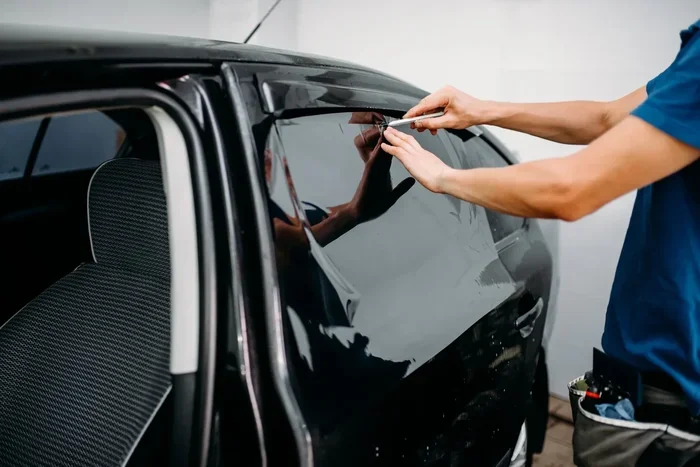
Installing a 70 percent window tint is a process that requires patience and attention to detail. While some people choose to do it themselves, professional installation is recommended for the best results.
Professional vs. DIY Installation
Professional installers have the tools, experience, and clean environments needed to apply tint without bubbles or dust particles. A DIY kit can work, but it is easy to make mistakes that affect the final look and performance of the film.
If you decide to install it yourself, make sure you work in a dust-free area with plenty of light. Use a quality application solution and a squeegee to push out excess water and air bubbles. Take your time and be gentle with the film to avoid scratching or tearing it.
Maintenance Tips
Once your 70 percent tint is installed, proper maintenance will help it last longer and look better. Here are some quick tips:
- Wait at least 48 hours before rolling down your windows after installation.
- Clean the tinted windows with a soft microfiber cloth.
- Use ammonia-free cleaning products to avoid damaging the film.
- Avoid using rough or abrasive materials on the tinted surface.
- Inspect the edges of the tint periodically for peeling or lifting.
With proper care, a quality 70 percent tint can last 5 to 10 years or even longer. The lifespan depends on the film quality, the climate you live in, and how well you maintain it.
Common Mistakes to Avoid
When it comes to window tinting, there are a few common mistakes that drivers make. Avoiding these will save you time, money, and frustration.
- Choosing the wrong VLT: Always double-check the VLT percentage before purchasing. A 70 percent tint is very different from a 35 percent tint.
- Ignoring local laws: Tint laws vary by state and even by city. Getting caught with illegal tint can be expensive.
- Skipping the warranty: A good tint should come with a warranty. Do not buy from a shop that does not offer one.
- Picking the cheapest option: Budget tints often fade quickly and perform poorly. Investing in a better film pays off in the long run.
- Rushing the installation: Whether professional or DIY, take your time. Rushed work leads to bubbles, creases, and an uneven finish.
Expert Insights on 70 Percent Window Tint
Professional tint installers and automotive experts generally agree that a 70 percent window tint is one of the most versatile options available. It strikes a great balance between style, function, and legality. Many experts recommend it as a starting point for first-time tint buyers.
According to automotive detailing professionals, the best 70 percent tints are those made from high-quality materials like carbon or ceramic. These films offer superior durability, better heat rejection, and a more natural appearance than budget dyed films. If you can afford the upgrade, it is well worth the extra cost.
Experts also emphasize the importance of choosing a reputable installer. Even the best film will not perform well if it is applied poorly. Look for shops with strong reviews, proper certifications, and a solid warranty on both the film and the labor.
Is 70 Percent Tint Right for You?
The answer depends on what you want from your window tint. If you want a subtle, legal, and affordable way to protect your car and improve comfort, a 70 percent tint is an excellent choice. It is ideal for drivers who want the benefits of tinting without going too dark.
On the other hand, if you want maximum heat rejection, deep privacy, or a bold look, you may want to consider a darker shade like 35 or 20 percent. Think about your climate, your driving habits, and your personal style before making a decision.
No matter what you choose, make sure you buy from a trusted brand and have the tint installed properly. The quality of both the film and the installation will determine how well your tint performs over time.
Conclusion
A 70 percent window tint is a smart, practical choice for car owners who want a balanced approach to window tinting. It provides solid UV protection, meaningful heat rejection, and reduced glare, all while keeping your windows light and clear. The tint is affordable, legal in most areas, and easy to maintain.
Whether you are looking to protect your car’s interior, add a touch of style, or simply enjoy a more comfortable driving experience, 70 percent tint delivers on all fronts. It is one of the most popular tint shades for good reason. Take the time to choose the right film type, find a skilled installer, and follow the maintenance tips in this guide. Your car and your driving experience will thank you.
Now that you have all the information you need, you are ready to make an informed decision. Go ahead and explore your options for 70 percent window tint and enjoy the benefits that come with it.
Frequently Asked Questions
Is 70 percent window tint legal in all states?
In most states, a 70 percent tint is legal on front side windows. However, laws vary by location, and some states have stricter rules for the front windshield or driver-side windows. Always check your local regulations before getting tinted.
Can I see clearly through a 70 percent window tint at night?
Yes, 70 percent tint allows plenty of light to pass through, so visibility remains excellent at night. This is one of the main advantages of choosing a lighter tint shade over darker options like 20 or 35 percent.
How much does a 70 percent window tint cost?
The cost varies depending on the film type, your vehicle size, and whether you choose professional or DIY installation. On average, a 70 percent tint is more affordable than darker shades and premium ceramic films. Expect to pay between $100 and $400 for a full-size car.
Does 70 percent tint block UV rays?
Yes, quality 70 percent window tint films can block up to 99 percent of harmful UV radiation. This protection helps prevent skin damage and keeps your car’s interior from fading due to sun exposure.
How long does 70 percent window tint last?
With proper care, a 70 percent tint can last anywhere from 5 to 10 years. The lifespan depends on the film quality, the installation method, and how well you maintain the tinted windows. Avoid harsh chemicals and use soft cloths for cleaning.
What is the difference between 70 percent tint and factory tint?
Factory tint is typically applied during the manufacturing process and usually ranges from 70 to 80 percent VLT. Aftermarket 70 percent tint is applied later and can offer better UV protection and heat rejection than factory tint, depending on the film quality chosen.