Everything You Need to Know About Indiana Window Tint Law
Indiana window tint law sets specific rules for how dark or reflective your car windows can be. The visible light transmission (VLT) percentage determines whether your tint is legal on the windshield, front side windows, and rear windows. Knowing the Indiana tint regulations helps you avoid fines, pass inspections, and choose the right window film for your vehicle.
Have you ever driven through an Indiana summer and wished your car felt just a little cooler? Maybe you love the look of tinted windows or want extra privacy while driving. Whatever your reason, window tinting is popular across the Hoosier State. But here is the thing — Indiana has specific rules about how dark your tint can be, where it can go, and what happens if you break the rules.
Understanding Indiana window tint law is not just about avoiding a ticket. It is about keeping yourself and others safe on the road. Tinted windows can reduce glare, block harmful UV rays, and keep your car cooler. But too much tint can limit your visibility, especially at night or in bad weather. That is why the state has clear guidelines in place.
This guide covers everything you need to know about Indiana tint regulations. We will walk through the legal limits for each window, explain exemptions, discuss fines, and give you practical tips for staying compliant. Whether you are a first-time tint buyer or thinking about re-tinting your current windows, this article has you covered.
The goal is simple — help you make informed decisions about window tinting your vehicle. Let us dive in.
Key Takeaways
- Windshield tint: Only a non-reflective strip along the top is allowed.
- Front side windows: Must allow more than 30% of light in (VLT above 30%).
- Rear windows: Can be any darkness if dual side mirrors are present.
- Reflective tint: Not allowed on any window in Indiana.
- Medical exemption: Available for those with a doctor’s prescription.
- Tint ticket fines: Can cost up to $1,000 or more if you violate the law.
- Sticker requirement: A legal tint sticker must be placed on the driver’s side door.
📑 Table of Contents
- Understanding Indiana Window Tint Law Basics
- Legal Tint Limits by Window
- Reflective and Colored Tint Restrictions
- Medical Exemption for Window Tint in Indiana
- Penalties and Fines for Tint Violations
- Tips for Choosing Legal Window Tint in Indiana
- Common Mistakes People Make with Window Tint in Indiana
- Indiana Window Tint Law and Vehicle Inspections
- Frequently Asked Questions
- Conclusion
Understanding Indiana Window Tint Law Basics
Before we get into the specifics, let us cover the basics. Indiana’s tint law is part of the state’s vehicle equipment regulations. It controls how much light can pass through your car windows and how reflective your tint can be. The key measurement used is visible light transmission, or VLT.
VLT is the percentage of light that passes through your window film. A higher VLT means more light comes through. A lower VLT means a darker tint. For example, a window tint percentage of 50% lets in half the light, while 5% lets in very little. Indiana law uses VLT limits to determine whether your tint is legal.
The state also has rules about reflective tint, tint colors, and where tint can be applied. These rules apply to passenger cars, SUVs, vans, and most other light-duty vehicles. Let us break them down window by window.
What Is VLT and Why Does It Matter?
Visible light transmission is the foundation of every tint darkness law. In Indiana, the VLT limit for your front side windows is 30%. This means your tint must let at least 30% of outside light into the vehicle. The higher the number, the lighter the tint.
Why does this matter so much? Because front side windows are the driver’s primary view of the road. Indiana wants to make sure drivers can see clearly at all times. Rear windows have more flexibility, but there are still rules you need to follow. We will get to those in a moment.
If you buy aftermarket tint from an installer, ask them about the VLT rating before they apply it. A good tint installer will know the Indiana regulations and help you pick a film that stays within the legal range.
Which Windows Have Legal Limits in Indiana?
Indiana treats different windows differently. Here is a quick breakdown of the rules for each window on a standard passenger vehicle:
- Windshield: Non-reflective tint is allowed on the top five inches only. Below that line, the windshield must remain clear.
- Front side windows: Must have a VLT of more than 30%. This is the strictest rule for most car owners.
- Rear side windows: Any darkness is allowed if the vehicle has dual side mirrors.
- Rear window: Any darkness is allowed if the vehicle has dual side mirrors.
These rules apply to most passenger cars. However, there are some exceptions for larger vehicles like buses and limousines. Always double-check the specific rules if your vehicle falls into a special category.
Legal Tint Limits by Window
Let us go deeper into the legal tint limits for each window. Understanding these details will help you choose the right window film and avoid any run-ins with law enforcement.
Windshield Tint Rules
Indiana law allows a non-reflective tint strip along the top of the windshield. This strip can cover the top five inches but no further. The tint on this strip must not be more reflective than a standard window.
The reason for this rule is simple. The windshield gives you the best forward view of the road. A dark or reflective tint across the windshield would create dangerous glare and reduce your ability to see pedestrians, other vehicles, and road signs. The top five-inch strip is enough to reduce sun glare without blocking your view.
If you get a tint job and the installer goes below the legal line, you could be pulled over. Tint tickets for windshield violations are common, and they can be expensive. Always confirm the placement with your installer before they start the job.
Front Side Window Tint Rules
The front side windows are the most regulated windows on your vehicle. In Indiana, these windows must allow more than 30% of light to pass through. This is known as the 30% VLT rule.
What does this mean in practice? If you hold a piece of tint film up to light and it looks very dark, it probably does not meet the legal limit. Most factory-tinted windows already meet this requirement. But if you are adding aftermarket tint, you need to be careful about the darkness level you choose.
Some popular tint shades include:
- 50% VLT: Light tint. Great for UV protection and glare reduction. Fully legal on front side windows.
- 35% VLT: Medium tint. A good balance of style and legality. Still above the 30% minimum.
- 20% VLT: Dark tint. Popular for privacy but illegal on front side windows in Indiana.
- 5% VLT (limo tint): Very dark. Illegal on front side windows and not recommended for driver visibility.
Sticking with a 35% or 50% tint on your front side windows is the safest choice. It keeps you legal and still gives you the benefits of reduced glare and UV protection.
Rear Side and Rear Window Tint Rules
Here is where Indiana’s rules get a little more relaxed. If your vehicle has dual side mirrors, you can tint your rear side windows and rear window to any darkness you want.
This means you can go as dark as 5% VLT on the back windows and still be within the law. Many people love this flexibility because it gives them maximum privacy and heat rejection in the back seat.
But there is one important catch. If your rear window is heavily tinted and your side mirrors are not large enough to give you a clear view, you could still get pulled over. The dual side mirror requirement exists to make sure drivers can see behind them safely.
If you drive a vehicle without side mirrors (like some custom builds), you will need to keep your rear windows at a legal VLT. Always check your specific vehicle setup before choosing a tint darkness.
Reflective and Colored Tint Restrictions
It is not just about darkness. Indiana also has rules about how your tint looks. Reflective tint and certain tint colors are restricted or outright banned.
Reflective Tint Rules
In Indiana, reflective tint is not allowed on any vehicle window. This includes both the front and rear windows. Reflective tint creates a mirror-like effect that can blind other drivers, especially at night or in low-light conditions.
The state considers reflective tint a safety hazard. When sunlight hits a reflective surface, it bounces back into the eyes of oncoming drivers. This can cause temporary blindness and increase the risk of accidents. Indiana law wants to prevent this.
If you are shopping for window film, look for products labeled as “non-reflective.” Most quality window tinting films from reputable brands are non-reflective and fully compliant with Indiana law.
Colored Tint Rules
Indiana does not allow red, amber, or blue tint on any vehicle window. These colors are considered emergency vehicle colors and are reserved for specific uses. Using them on your car windows can confuse other drivers and law enforcement.
Standard tint colors like gray, charcoal, bronze, and green are generally fine. These neutral tones reduce glare and heat without creating a confusing appearance on the road.
Before you choose a tint color, ask your installer if it is legal in Indiana. A trustworthy tint installer will know the rules and steer you toward compliant options.
Medical Exemption for Window Tint in Indiana
Not everyone can use standard tint limits. Some people have medical conditions that make them sensitive to sunlight or UV exposure. Indiana offers a tint exemption for these individuals.
Who Qualifies for a Medical Exemption?
People with conditions like lupus, porphyria, or severe photosensitivity may qualify for a medical exemption. This exemption allows them to use darker tint than the standard legal limits.
To get an exemption, you need a written statement from a licensed physician. The statement must explain your condition and why darker tint is medically necessary. You will also need to apply for an exemption permit through the Indiana Bureau of Motor Vehicles.
Once approved, you must keep the exemption documentation in your vehicle at all times. If you are pulled over, showing this paperwork proves your tint is legal under the exemption.
What Are the Limits of the Exemption?
Even with a medical exemption, there are still some rules. The exemption typically allows darker tint on front side windows, but it does not override all safety requirements. The windshield rules remain the same, and reflective tint is still prohibited.
Make sure you follow the application process carefully. An incomplete application or missing documentation can lead to delays or denial. Contact your local BMV office or visit their website for the most current forms and instructions.
Penalties and Fines for Tint Violations
Breaking Indiana’s tint law comes with real consequences. If a police officer determines your tint is too dark or violates another regulation, you can be ticketed.
What Happens If You Get a Tint Ticket?
A tint ticket in Indiana is a civil infraction. The fine can range from around $100 to over $1,000 depending on the severity of the violation and your county. In some cases, you may also be required to remove the illegal tint before your vehicle can pass inspection.
Here is what you might face if you get caught with illegal tint:
- Fine: Typically between $100 and $1,000.
- Removal order: You may be required to remove the tint within a set timeframe.
- Inspection failure: Your vehicle may fail its annual inspection.
- Points on your record: In some cases, a tint violation can add points to your driving record.
The cost of a tint violation can add up quickly, especially if you need to pay for removal and re-tinting with a legal film. It is much cheaper to do your research upfront and choose a compliant tint the first time.
How Police Check Tint Darkness
Officers use a device called a tint meter to measure the VLT of your windows. This tool shines a light through the glass and calculates the percentage of light that passes through. It is fast, accurate, and leaves little room for debate.
If your tint comes back below the legal limit, you will likely receive a citation. There is no easy way to argue your way out of a tint ticket if the meter shows you are over the limit. This is why it is so important to choose a legal tint from the start.
Tips for Choosing Legal Window Tint in Indiana
Now that you know the rules, let us talk about how to stay compliant while still getting the tint you want. These practical tips will help you make the best choice for your vehicle and your budget.
Work with a Reputable Tint Installer
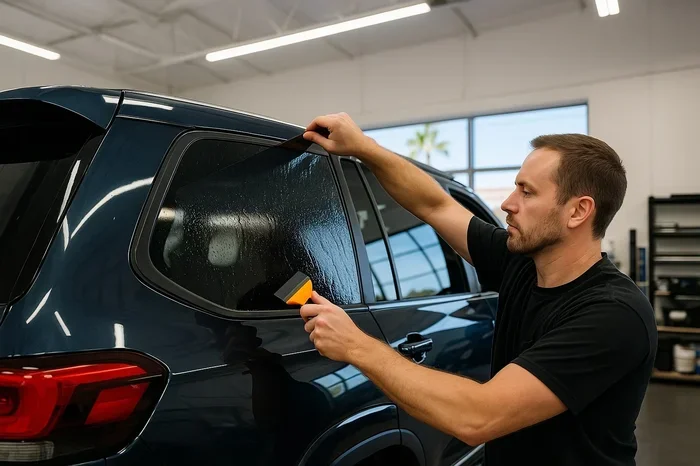
A skilled tint installer knows Indiana’s regulations inside and out. They will recommend films that meet the legal VLT limits and ensure the application is done correctly. Look for installers with good reviews, proper certifications, and experience with Indiana vehicles.
Ask the installer to show you the VLT rating of the film they plan to use. A reputable shop will have no problem providing this information. If they seem unsure or dismissive, consider finding a different installer.
Keep Your Receipts and Documentation
After your tint is applied, keep all receipts, invoices, and documentation. These papers prove the VLT rating of your film and can help you if you ever get pulled over or questioned about your tint.
Some shops also provide a legal tint sticker that goes on the driver’s side door. This sticker shows law enforcement that your tint meets Indiana standards. Ask your installer if they provide this sticker and make sure it is placed correctly.
Consider Your Driving Habits
Think about when and where you drive most often. If you spend a lot of time on highways during the day, a lighter tint with good UV protection might be your best bet. If you drive mostly in the city and value privacy, you might lean toward a slightly darker shade — as long as it stays legal on your front side windows.
Also consider your climate. Indiana summers can be hot and sunny. A good quality window film can block up to 99% of UV rays and significantly reduce heat inside your car. This keeps you comfortable and protects your interior from fading and cracking.
Do Not Try to DIY the Tint Job
It might be tempting to buy a DIY tint kit and apply it yourself. But DIY tint jobs often result in bubbles, peeling, uneven coverage, and incorrect VLT levels. A professional installation ensures the film is applied correctly and meets Indiana’s legal requirements.
Plus, professional shops often offer warranties on their work. If something goes wrong, you have someone to hold accountable. A DIY job rarely comes with that kind of protection.
Common Mistakes People Make with Window Tint in Indiana
Even well-meaning car owners can make mistakes when it comes to window tinting. Here are some common errors to avoid.
- Buying tint without checking VLT: Always confirm the VLT percentage before you buy. A film that looks fine online might be too dark for Indiana’s legal limits.
- Ignoring the windshield rule: Tinting below the top five inches of the windshield is illegal and will get you pulled over.
- Choosing reflective tint for style: Reflective tint looks cool but is not allowed in Indiana. Stick with non-reflective films.
- Forgetting about dual mirrors: If your vehicle does not have dual side mirrors, your rear windows must meet the same VLT rules as your front side windows.
- Skipping the exemption process: If you have a medical condition, do not just apply dark tint without an exemption. You will likely get a ticket and have to remove it anyway.
- Assuming all states have the same rules: Indiana’s tint laws are unique. If you move from another state or buy a vehicle registered elsewhere, make sure your tint complies with Indiana regulations.
Indiana Window Tint Law and Vehicle Inspections
Indiana requires annual vehicle inspections for safety and emissions. Your window tint is checked as part of the safety inspection. If your tint is too dark or violates any other regulation, your vehicle will fail the inspection.
This means you cannot just ignore a tint violation and hope for the best. You will need to fix the issue before your vehicle can be re-inspected and registered. In some cases, this means paying to remove the illegal tint and replace it with a compliant film.
Staying on top of your tint’s legality saves you time, money, and hassle. Before your annual inspection, check your tint VLT and make sure everything is in order.
Frequently Asked Questions
What is the legal tint limit for front side windows in Indiana?
In Indiana, front side windows must have a visible light transmission of more than 30%. This means your tint must let at least 30% of outside light into the vehicle. Any tint darker than this on the front side windows is considered illegal.
Can I tint my rear windows as dark as I want in Indiana?
Yes, as long as your vehicle has dual side mirrors. Indiana allows any tint darkness on the rear side windows and rear window when dual mirrors are present. If your vehicle does not have dual mirrors, the rear windows must also meet the 30% VLT requirement.
Is reflective tint legal in Indiana?
No. Reflective tint is not allowed on any vehicle window in Indiana. The state considers reflective tint a safety hazard because it can blind other drivers. All tint applied to your windows must be non-reflective.
Do I need a medical exemption for dark tint in Indiana?
Yes, if you want to tint your front side windows darker than 30% VLT, you need a medical exemption. This requires a written statement from a licensed physician and a permit from the Indiana BMV. Without this documentation, darker front window tint is illegal.
How much is a tint ticket in Indiana?
A tint ticket in Indiana can cost anywhere from $100 to over $1,000 depending on the violation and your county. You may also be required to remove the illegal tint before your vehicle can pass inspection. The total cost can add up quickly when you factor in removal and re-tinting fees.
Can I apply tint to my windshield in Indiana?
Yes, but only a non-reflective strip along the top five inches of the windshield. The rest of the windshield must remain clear. Tinting below this line or using reflective tint on the windshield is illegal and can result in a citation.
Conclusion
Indiana window tint law is designed to keep drivers safe while still allowing people to enjoy the benefits of tinted windows. By understanding the legal VLT limits, tint placement rules, and exemption options, you can make smart choices about your vehicle. Whether you want a light tint for UV protection or a darker shade for privacy, staying within Indiana’s guidelines is the key.
Work with a reputable tint installer, keep your documentation handy, and always double-check the VLT of your film before it goes on your windows. A little research upfront saves you from fines, removal costs, and the hassle of a failed inspection.
Ultimately, knowing and following the Indiana tint regulations is the responsible thing to do. It keeps you legal on the road, protects your visibility, and ensures your tint looks great for years to come. Take the time to understand the rules, choose the right window film, and enjoy your ride with confidence.