Will My Car Run Better After a Coolant Change Now
A coolant change can seriously improve how your car runs, especially if your old coolant is dirty or low. Fresh coolant keeps your engine at the right temperature, prevents overheating, and protects vital parts. If your car has been running hot or acting sluggish, a coolant flush might be exactly what it needs.
Have you ever noticed your car running hotter than usual? Maybe steam is rising from under the hood, or your temperature gauge is climbing into the red zone. If so, you might be wondering whether a coolant change will actually make your car run better.
The short answer is yes. A coolant change can make a real difference in how your vehicle performs. Old coolant breaks down over time. It loses its ability to regulate engine temperature properly. This can lead to overheating, corrosion, and even serious engine damage if left unchecked. In this guide, we will walk you through everything you need to know about coolant flush benefits, signs your car needs one, and how to keep your engine running smoothly.
Whether you are a DIY mechanic or someone who just wants to understand what is happening under the hood, this article covers it all. We will look at how the cooling system works, why fresh coolant matters, and what happens when you ignore it. Let us get into it.
Key Takeaways
- Better engine cooling: Fresh coolant regulates engine temperature more effectively than old, degraded coolant.
- Prevents overheating: A coolant flush removes debris and buildup that can block airflow and cause overheating issues.
- Longer engine life: Clean coolant protects your water pump, radiator, and hoses from corrosion and wear.
- Improved fuel efficiency: A properly cooled engine runs more efficiently, which can save you money at the pump.
- Easy DIY option: Many car owners can do a basic coolant change at home with simple tools.
- Watch for warning signs: Steam, strange smells, or a rising temperature gauge all point to coolant problems.
- Regular maintenance matters: Most experts recommend a coolant flush every 30,000 to 50,000 miles.
📑 Table of Contents
- What Does Coolant Do in Your Car?
- Signs Your Car Needs a Coolant Change
- Will a Coolant Change Actually Make Your Car Run Better?
- How Often Should You Change Your Coolant?
- Can You Change Coolant Yourself?
- Common Mistakes People Make With Coolant
- Expert Tips for Keeping Your Cooling System Healthy
- Conclusion
What Does Coolant Do in Your Car?
Before we talk about whether a coolant change helps your car run better, let us understand what coolant actually does. Coolant, also called antifreeze, is a liquid that flows through your engine and radiator. Its main job is to absorb heat from the engine and carry it away. This keeps your engine from overheating.
But coolant does more than just cool things down. It also prevents the liquid inside your engine from freezing in cold weather. It protects metal parts from rust and corrosion. And it helps the heating system in your car work properly so you can stay warm in winter.
How the Cooling System Works
Your car’s engine cooling system is a closed loop. Coolant circulates through engine passages, absorbs heat, and then flows to the radiator. The radiator uses airflow to cool the liquid down. Then the cooled coolant cycles back through the engine. This loop happens constantly while you drive.
A thermostat controls when coolant flows through the system. When the engine is cold, the thermostat stays closed. This lets the engine warm up quickly. Once it reaches the right temperature, the thermostat opens and allows coolant to flow. If any part of this system fails, your engine can overheat fast.
Why Coolant Breaks Down Over Time
Coolant does not last forever. Over time, it picks up dirt, rust particles, and scale from inside the engine. The additives that prevent corrosion wear out. The pH level shifts. Old coolant becomes less effective at transferring heat. This means your engine has to work harder to stay cool.
When coolant breaks down, it can also turn acidic. Acidic coolant eats away at metal components. It can damage the water pump, eat through radiator hoses, and even corrode the inside of the radiator itself. This is why regular coolant replacement is so important.
Signs Your Car Needs a Coolant Change
How do you know it is time for a coolant flush? Your car usually gives you plenty of warning. Here are the most common signs that your coolant needs changing.
1. Rising Temperature Gauge
If your temperature gauge is climbing higher than normal, do not ignore it. A gauge that sits in the middle is healthy. If it starts moving toward the hot side, your coolant may not be doing its job anymore. This is one of the earliest and most obvious signs that something is wrong with your engine cooling system.
2. Steam or Sweet Smell Under the Hood
Seeing steam come from under your hood is a clear signal. So is noticing a sweet, syrupy smell while driving. That smell is coolant leaking. A coolant leak can mean low coolant levels, which leads to poor engine cooling. Check your coolant reservoir if you notice this.
3. Discolored Coolant
Healthy coolant is usually bright green, orange, or pink. If you open your coolant reservoir and see brown, rusty, or muddy fluid, it is time for a change. Dirty coolant cannot transfer heat efficiently. It may also contain debris that clogs small passages in the engine.
4. Heater Not Working Properly
Your car’s heater uses coolant to generate warm air. If your heater blows cold air even when the engine is warm, your coolant level or condition might be the problem. Low or dirty coolant stops the heater core from working right.
5. Unusual Engine Noises
Overheating engines can make knocking or bubbling sounds. These noises happen because the coolant is not absorbing heat properly. Air pockets can form in the system when coolant is old or low. This causes gurgling noises under the hood.
Will a Coolant Change Actually Make Your Car Run Better?
Now for the big question. Will your car run better after a coolant change? The answer depends on the condition of your current coolant and how long it has been since your last flush.
If your coolant is old, dirty, or low, a fresh coolant flush will almost certainly improve performance. Your engine will run cooler. It will be better protected against corrosion. And you may notice smoother operation overall. Here is how a coolant change helps in specific areas.
Better Heat Regulation
Fresh coolant has the right mixture of water and antifreeze. This mixture is designed to absorb and release heat efficiently. Old coolant loses this ability. After a coolant replacement, your engine maintains a more stable temperature. This means fewer hot spots inside the engine block.
Improved Fuel Efficiency
An engine that runs at the right temperature burns fuel more efficiently. When your engine overheats, it compensates by running richer fuel mixtures. This wastes gas. After a coolant flush, many drivers notice a small but real improvement in fuel economy. Your engine does not have to work as hard.
Reduced Risk of Costly Repairs
Prevention is always cheaper than repair. Fresh coolant protects your water pump, radiator hose connections, and engine gaskets. By changing your coolant on schedule, you avoid expensive repairs caused by overheating or corrosion. A simple coolant flush cost is a fraction of what a new engine or radiator would cost.
Smoother Engine Operation
When all the cooling system parts are working well, the engine runs more smoothly. You may notice less hesitation, better acceleration, and a more consistent idle. Clean coolant keeps everything flowing properly, including the cooling fan and thermostat operation.
How Often Should You Change Your Coolant?
Not everyone knows the right interval for a coolant flush. The answer depends on your vehicle, the type of coolant you use, and your driving conditions. Here is a general guide.
Traditional Coolant
Traditional green coolant typically needs to be changed every 24,000 to 36,000 miles. Some manufacturers recommend every two years. This type of coolant has fewer additives and breaks down faster. If your car uses traditional coolant, stick to a regular schedule.
Extended Life Coolant
Many newer cars use extended life coolant, which is usually orange, red, or purple. This coolant can last up to 100,000 miles or five years. However, it is still a good idea to check the condition periodically. Even extended life coolant can become contaminated over time.
Driving Conditions That Shorten Coolant Life
Certain driving conditions wear out coolant faster. If you frequently drive in stop-and-go traffic, your engine runs hotter. Towing heavy loads also stresses the cooling system. Driving in extreme heat or cold can break down coolant faster. In these cases, you may need to change your coolant more often than the standard interval.
Can You Change Coolant Yourself?
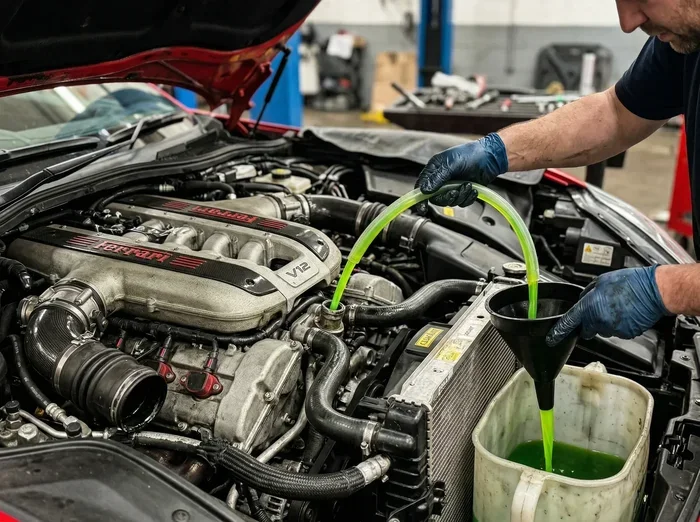
Many car owners ask whether a coolant change is something they can do at home. The answer is yes, with the right tools and a little patience. It is a manageable DIY project for most people.
What You Will Need
Here is a basic list of what you need for a DIY coolant change:
- New coolant (check your owner’s manual for the right type)
- A drain pan to catch the old coolant
- A wrench or socket to open the drain plug
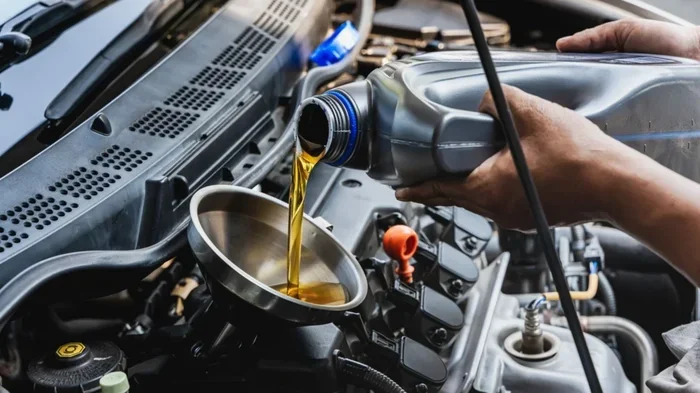
- A funnel for refilling
- Distilled water for mixing (if not using pre-mixed coolant)
- Gloves and safety glasses (coolant is toxic to pets and humans)
Quick Steps to Change Your Coolant
First, make sure your engine is completely cool. Never open the radiator cap on a hot engine. The pressure inside can cause serious burns. Once the engine is cool, place your drain pan under the radiator drain plug. Open the plug and let the old coolant flow out completely.
Next, close the drain plug and refill the system with fresh coolant. Run the engine for a few minutes with the heater on max. This helps bleed air out of the system. Check the coolant level in the reservoir and top off if needed. Watch your temperature gauge for the first few drives to make sure everything is working properly.
When to Call a Professional
If you are not comfortable doing this yourself, a mechanic can handle a coolant flush quickly. Many shops offer a cooling system flush service for a reasonable price. They also check for leaks, test the coolant mixture, and make sure the thermostat and cooling fan are working right.
Common Mistakes People Make With Coolant
Even well-meaning car owners make mistakes with coolant. Here are some common ones to avoid.
- Mixing coolant types: Different coolants have different chemical formulas. Mixing them can cause gel-like buildup that clogs your cooling system. Always flush the system completely before switching types.
- Using plain water instead of coolant: Water boils at a lower temperature than coolant. It also freezes in winter. It does not protect against corrosion. Always use proper coolant or a pre-mixed solution.
- Ignoring small leaks: A small drip from a radiator hose might not seem like a big deal. But it slowly lowers your coolant level. Low coolant leads to overheating. Fix small leaks early.
- Never checking the coolant reservoir: Many people forget to check the coolant level regularly. A quick peek at the reservoir every few weeks can catch problems before they become serious.
- Overlooking overheating signs: If your car starts overheating, pull over safely. Continuing to drive on an overheated engine can cause warped head gaskets, cracked engine blocks, and other catastrophic damage.
Expert Tips for Keeping Your Cooling System Healthy
Here are some pro tips that help keep your engine cool and your car running strong.
- Flush the system completely when changing coolant. A simple drain and refill leaves old fluid behind. A full flush removes all the contaminated coolant and debris.
- Use distilled water when mixing coolant. Tap water contains minerals that can build up inside the cooling system over time.
- Check for leaks after every coolant change. Look under the car for puddles. Inspect hoses and connections for cracks or dampness.
- Replace your thermostat if your engine runs hot or cold. A stuck thermostat is a common cause of temperature problems and can be replaced cheaply.
- Keep your radiator clean on the outside. Bugs, dirt, and debris can block airflow through the radiator fins. Use a gentle spray to clean them off.
If you are dealing with a car that runs hot, it is worth checking whether other components are contributing to the problem. For instance, a clogged catalytic converter can cause your car to overheat by restricting exhaust flow. Similarly, a bad alternator can sometimes cause overheating issues by straining the engine. If you have ruled out coolant issues but your car still runs hot, these could be the culprits.
Also, if you have a Toyota Highlander or similar vehicle and have been dealing with temperature gauge issues, it is worth knowing that you can start your Toyota Highlander with a key even if the key fob battery is dead. This can help you get to a mechanic quickly if your temperature gauge is acting up.
And if you are concerned about overheating after a long drive, keep in mind that how long a car can sit in cold weather also affects your cooling system. Cold weather can cause coolant to thicken and flow less efficiently until the engine warms up properly.
Conclusion
A coolant change is one of the simplest and most effective ways to keep your car running at its best. Fresh coolant regulates engine temperature, prevents overheating, and protects vital components from corrosion and wear. If your car has been showing signs of cooling system trouble, do not wait. A timely coolant flush can save you from expensive repairs down the road.
Remember to follow your manufacturer’s recommended coolant replacement schedule. Check your coolant level regularly. And never ignore warning signs like steam, strange smells, or a rising temperature gauge. Your engine works hard for you every day. A little maintenance goes a long way toward keeping it running smoothly for years to come.
So yes, your car will very likely run better after a coolant change. The question is not whether you should do it. The question is how long you can afford to wait.
Frequently Asked Questions
How long does a coolant change take?
A professional coolant flush typically takes about 30 to 60 minutes. A DIY coolant change can take a bit longer, especially if you need to bleed air from the system. Most car owners can complete the job in about an hour with basic tools.
What happens if you never change your coolant?
Old coolant loses its ability to regulate engine temperature. It becomes acidic and corrosive. Over time, it can damage the water pump, radiator, and engine gaskets. In worst cases, neglecting coolant changes leads to engine overheating and catastrophic failure.
Can low coolant cause engine damage?
Yes. Low coolant means your engine is not getting proper cooling. This can cause overheating, warped cylinder heads, blown head gaskets, and cracked engine blocks. Always keep your coolant at the proper level and address leaks immediately.
Is a coolant flush the same as a coolant change?
Not exactly. A simple coolant change drains the old fluid and refills with new coolant. A coolant flush uses a machine or flushing agent to completely remove all old coolant, including what is trapped in the engine passages. A flush is more thorough and is generally recommended.
Can I drive my car right after a coolant change?
Yes, you can drive your car after a coolant change. However, it is a good idea to let the engine idle for a few minutes and watch the temperature gauge. Make sure the thermostat opens and coolant flows properly. Also check for any leaks under the car before a long drive.
How much does a coolant flush cost?
A coolant flush cost typically ranges from $100 to $200 at a repair shop. The price depends on your vehicle type, the amount of coolant needed, and local labor rates. DIY coolant changes cost much less, usually just the price of the coolant itself.