Why Does My Car Still Say Change Oil Soon After Oil Change
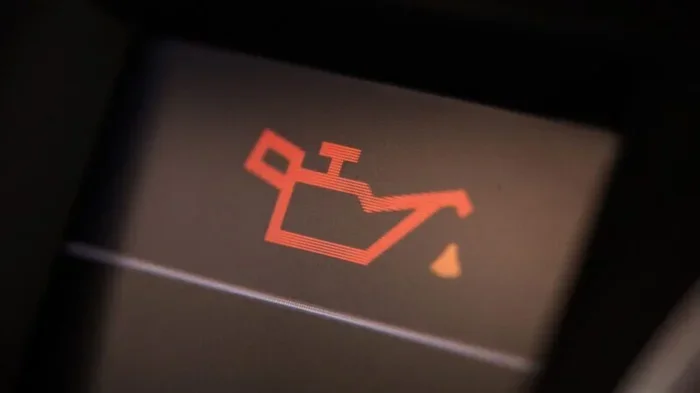
Your car may still display a change oil soon message after an oil change because the oil life monitor needs to be manually reset, the system tracks driving conditions rather than just mileage, or there may be an underlying issue like low oil pressure or a faulty sensor. Understanding how your vehicle’s oil life monitoring system works can save you time, money, and unnecessary trips to the shop.
Key Takeaways
- Oil life monitors track driving habits: They don’t just count miles — they analyze engine temperature, driving style, and conditions.
- Manual reset is almost always required: Most vehicles need you to reset the oil change indicator yourself after an oil change.
- Multiple reasons can trigger the message: Faulty sensors, old oil filters, and extreme driving conditions can all cause false alerts.
- Resetting is simple and free: You can usually do it in under five minutes with your owner’s manual as a guide.
- Ignoring the light can lead to problems: Even if the oil is fresh, persistent warnings may signal deeper mechanical issues.
- Regular maintenance beats alerts: Following a fixed maintenance schedule is more reliable than relying solely on your car’s computer.
📑 Table of Contents
- Why Does My Car Still Say Change Oil Soon After Oil Change?
- Top Reasons the Message Won’t Go Away
- How to Reset Your Oil Change Indicator
- When Should You Actually Change Your Oil?
- Common Mistakes People Make With Oil Changes
- How to Prevent the Change Oil Message From Coming Back Too Soon
- Should You Be Worried About the Message?
- Expert Insights on Oil Life Monitors
- Conclusion
Why Does My Car Still Say Change Oil Soon After Oil Change?
You just got your oil changed. You feel good about it. You drove away from the shop with a fresh bottle of clean oil pumping through your engine. Then you glance at the dashboard. And there it is. That annoying little message. Change Oil Soon. How is that even possible? You just did the oil change! This is one of the most common frustrations car owners face, and it happens to almost everyone at some point.
The good news is that this problem is usually easy to fix. In most cases, your car is not broken. It just needs a simple reset. But sometimes, that persistent message can point to something more serious. Let’s break down exactly why this happens and what you can do about it.
Your vehicle’s oil life monitoring system is smarter than a simple mileage counter. It tracks a lot of different factors to decide when your oil is actually worn out. But that smart system doesn’t always work perfectly. Understanding how it thinks is the first step to making that annoying message go away for good.
How Oil Life Monitoring Systems Work
Most modern cars don’t use a simple mileage-based reminder anymore. Instead, they use an oil life monitor that calculates oil quality based on real-time driving data. The system watches your engine temperature, your driving habits, the number of short trips you take, and even the humidity and dust levels in the air.
Here is how it works in plain terms. The car’s computer looks at several inputs:
- Engine operating temperature
- Number of cold starts
- Driving speed patterns
- Idle time
- Load on the engine
- Hours of operation
All of this data gets fed into an algorithm. The algorithm then estimates the remaining oil life as a percentage. When it drops to around 10 to 15 percent, your dashboard lights up with that dreaded message. This is actually a more accurate system than fixed mileage intervals. But it does mean that the system can sometimes be wrong or need a manual nudge.
Top Reasons the Message Won’t Go Away
So you got your oil changed, but the message is still there. Why? There are several very common reasons. Let’s walk through each one so you can figure out exactly what’s going on with your car.
Reason 1: You Forgot to Reset the Oil Life Monitor
This is by far the most common reason. When a mechanic changes your oil, they are not always going to reset the oil change indicator for you. Some shops do it as part of their service. But many don’t. If nobody reset the system, the car still thinks it is time for a change. Even though the oil is brand new.
The reset process is different for every car brand. On a Toyota, you might hold down the trip meter button while turning the key to the ON position. On a Honda, it could be a series of button presses on the steering wheel. On a Ford, you might need to go through the information display menu.
Quick Tip: After every oil change, ask the mechanic to reset your oil life monitor. If they don’t offer to do it, ask them to show you how to do it yourself. It takes less than two minutes.
Reason 2: The Reset Was Not Done Properly
Sometimes the reset does happen, but it is not done correctly. Maybe the person only partially completed the steps. Or maybe they reset the wrong menu item. The car’s computer can be finicky, and a half-hearted reset often leaves the message still active.
If you tried resetting it yourself and it did not work, don’t worry. Try the process again slowly and follow each step exactly. Make sure the car is in the right mode before you start. If you are still stuck, your owner’s manual has the exact steps for your specific model.
Reason 3: The Oil Level Is Low
Here is something people don’t always think about. After an oil change, the mechanic might not have added enough oil. Or maybe there is a small leak that developed while the car was on the lift. If the oil level drops below the minimum marker, your car might display a low oil warning that looks similar to the change oil message.
Open your hood and check the dipstick. The oil should be between the minimum and maximum marks. If it is below the minimum, add the correct type of oil for your vehicle right away. Driving with low oil can cause serious engine damage. If you want to learn more about how low oil affects your car, check out our article on does low engine oil show on the dashboard.
Reason 4: Old or Clogged Oil Filter
A fresh oil change means nothing if the oil filter was not replaced. The filter catches dirt, metal particles, and contaminants. Over time, it gets clogged. A clogged filter restricts oil flow and makes the oil degrade faster. Your car’s system may detect poor oil quality and keep showing the change oil soon message even with fresh oil in the pan.
Always confirm that a new oil filter was installed during your service. Most shops replace it as part of a standard oil change. But it does not hurt to ask. A quality oil filter replacement is one of the cheapest and most important parts of any oil change.
Reason 5: Extreme Driving Conditions
Do you drive in very hot weather? Do you take a lot of short trips around town? Do you tow a trailer or carry heavy loads? These are all considered severe driving conditions. The oil life monitor tracks these conditions closely and may reduce your oil life percentage faster than normal.
In extreme conditions, the oil breaks down more quickly due to heat and contamination. The car’s computer is actually doing its job by telling you to change the oil sooner. But if you just had the oil changed, the system might still be stuck at a low percentage because it was tracking those harsh conditions before the service.
Reason 6: A Faulty Oil Quality Sensor
In rare cases, the problem is a broken sensor. The oil quality sensor measures the oil’s conductivity and contamination level. When it fails, it can send incorrect readings to the car’s computer. This causes the system to falsely report that the oil needs changing, even when it does not.
Signs of a failing oil quality sensor include:
- The message keeps coming back immediately after resetting
- The oil level reads normal but the warning persists
- Other dashboard lights also start flickering or appearing
- The oil looks clean and fresh but the computer says otherwise
If you suspect a faulty sensor, take your car to a trusted mechanic. They can run a diagnostic scan and check the sensor’s readings. Replacing a bad sensor is usually inexpensive and straightforward.
How to Reset Your Oil Change Indicator
Resetting the oil change indicator is something you can do at home in most cases. You do not need any special tools. You just need to know the right steps for your vehicle. Here is a general guide that works for many popular car brands.
Resetting on Toyota and Lexus Vehicles
For most Toyota and Lexus models, the process is similar. First, make sure the car is off but the ignition is in the ON position. Then locate the trip meter reset button on the dashboard or steering wheel controls. Press and hold the button. While holding it, turn the ignition to the ON position. Keep holding the button until the oil life indicator starts blinking. Then release the button and press it again to reset. The display should now show 100 percent oil life.
Resetting on Honda and Acura Vehicles
Honda and Acura vehicles use a slightly different method. Turn the ignition to the ON position without starting the engine. Scroll through the steering wheel controls to find the maintenance menu. Select the oil life indicator and choose the reset option. Hold the button until the indicator resets to 100 percent. The whole process takes about 30 seconds.
Resetting on Ford and Lincoln Vehicles
Ford vehicles often have the reset option in the information display. Use the steering wheel controls to navigate to the Vehicle Settings menu. Find the Maintenance menu and select the oil change indicator. Choose the reset option and confirm. The system should now reflect a full oil life.
Quick Tip: If you cannot find the reset procedure for your specific car, look up your vehicle’s year, make, and model online. There are hundreds of step-by-step videos that walk you through the process in under three minutes.
When Should You Actually Change Your Oil?
The oil life monitor is a helpful tool, but it should not be your only guide. Many experts recommend following a maintenance schedule based on both mileage and time. Even if you drive very few miles, oil can degrade over time due to moisture buildup and oxidation. Most manufacturers recommend changing oil every 5,000 to 7,500 miles for conventional oil or every 7,500 to 10,000 miles for synthetic oil.
Here are some general guidelines to follow:
- Conventional oil: Change every 3,000 to 5,000 miles
- Synthetic blend: Change every 5,000 to 7,000 miles
- Full synthetic oil: Change every 7,500 to 10,000 miles
- Time-based: Change at least twice a year regardless of mileage
If you want to learn more about how long oil actually lasts, check out our article on can car oil expire. It covers the shelf life of motor oil and how storage conditions affect oil quality.
Oil Change Interval Comparison
| Oil Type | Mileage Interval | Time Interval | Best For |
|---|---|---|---|
| Conventional | 3,000 – 5,000 miles | Every 6 months | Older vehicles, budget driving |
| Synthetic Blend | 5,000 – 7,000 miles | Every 6-9 months | Moderate driving conditions |
| Full Synthetic | 7,500 – 10,000 miles | Every 9-12 months | Modern engines, extreme conditions |
Keep in mind that these are general recommendations. Always check your vehicle’s owner manual for the manufacturer’s specific guidance. Using the wrong oil type or interval can void your warranty and shorten your engine’s lifespan.
Common Mistakes People Make With Oil Changes
Even experienced car owners make mistakes with oil changes. Here are some of the most common ones that can lead to that persistent change oil message or worse, engine damage.
Mistake 1: Using the Wrong Oil Weight Every engine is designed for a specific oil viscosity. Using 5W-30 when the manual calls for 5W-20 might seem like a small difference. But it can affect oil pressure, engine performance, and how the oil life monitor reads your oil quality. If you are unsure about the right oil for your car, consult your owner manual or ask a trusted mechanic.
Mistake 2: Skipping the Oil Filter Some people try to save money by reusing the old oil filter. This is a bad idea. A used filter is already saturated with contaminants. It will not properly clean your new oil, and the debris can clog your engine passages.
Mistake 3: Not Checking the Oil Level Afterward After an oil change, always check the oil level with the dipstick. The mechanic should have done this, but mistakes happen. A low oil level after a service is a red flag that should be addressed immediately.
Mistake 4: Ignoring Other Dashboard Warnings Sometimes the change oil message is not the only warning. If you also see an engine light, a temperature warning, or an oil pressure alert, do not ignore them. These could indicate serious problems that need immediate attention.
How to Prevent the Change Oil Message From Coming Back Too Soon
Once you have successfully reset your oil life monitor and the message is gone, you want to keep it that way. Here are some simple habits that help your oil last longer and keep your car running smoothly.
- Check your oil level at least once a month
- Keep a record of every oil change with the date and mileage
- Use the oil type recommended by your manufacturer
- Avoid excessive idling when possible
- Take your car on longer drives to help burn off engine moisture
- Get your oil analyzed if you drive in extreme conditions
- Follow a consistent maintenance schedule instead of relying only on the car’s computer
If your oil light comes on and you are unsure what to do, our article on does low engine oil show on the dashboard explains the different warning lights and what each one means.
Should You Be Worried About the Message?
In most cases, the answer is no. The message is just a reminder that needs a reset. But there are times when you should pay attention. If the message appears immediately after a fresh oil change and does not go away after a reset, that is worth investigating. If you notice other symptoms like strange engine noises, reduced fuel economy, or a burning smell, get your car inspected right away.
Persistent oil warnings can sometimes point to problems with the oil pump, oil pressure sensor, or internal engine wear. These are more serious issues that require professional diagnosis. But again, these cases are rare. The vast majority of the time, a simple reset solves the problem completely.
Some car owners wonder if they can still drive safely when the message appears. The short answer is yes, in most cases you can drive a short distance to get the oil changed or reset. But do not ignore the message for weeks or months. Old or degraded oil loses its ability to lubricate and protect your engine. Over time, this can lead to increased wear and costly repairs.
Expert Insights on Oil Life Monitors
Automotive technicians agree that oil life monitors are useful but imperfect tools. They are designed as a convenience feature, not a replacement for regular maintenance. Experienced mechanics recommend using the monitor as a guide but sticking to a fixed maintenance schedule as your primary strategy.
“The oil life monitor is a helpful tool, but it should never replace a solid maintenance routine,” says a certified automotive technician with over 15 years of experience. “I see cars come in with the change oil message still on because nobody ever reset it. But I also see cars where the monitor said the oil was fine, and the oil was actually black and gritty. The system has limitations.”
The best approach combines both methods. Use the oil life monitor to track your driving conditions and adjust your intervals accordingly. But also follow the manufacturer’s recommended mileage and time intervals as a baseline. This gives your engine the best protection and keeps your car running strong for years to come.
Conclusion
Seeing the change oil soon message after you just had your oil changed can be frustrating. But now you know exactly why it happens and how to fix it. In most cases, a simple reset of the oil life monitor does the trick. Make sure the oil level is correct, the filter was replaced, and the reset was done properly. If the message keeps coming back, check for faulty sensors or other underlying issues.
Taking care of your car does not have to be complicated. A little knowledge goes a long way. The next time that message pops up, you will know exactly what to do. You will not panic. You will not waste money on unnecessary services. You will just reset it and keep driving with confidence.
Stay on top of your oil change schedule, keep good records, and your engine will thank you for years to come. Your car works hard for you every day. A little attention to its maintenance needs is the least you can do in return.
Frequently Asked Questions
Why does my car say change oil soon when the oil is brand new?
The most common reason is that the oil life monitor was not reset after the oil change. The car’s computer still has the old reading and has not been told that fresh oil was installed. Resetting the system usually fixes this immediately. If resetting does not work, check the oil level and oil filter to make sure everything was done correctly during the service.
How do I reset the change oil message on my dashboard?
The reset process varies by car brand and model. Most vehicles allow you to reset it through the instrument panel or steering wheel controls. Generally, you turn the ignition to ON, navigate to the maintenance menu, and select the oil life reset option. Hold the button until the display shows 100 percent. Your owner’s manual has the exact steps for your specific car.
Can a bad oil sensor cause the change oil light to stay on?
Yes, a faulty oil quality sensor or oil pressure sensor can send incorrect data to the car’s computer. This may cause the system to falsely report that the oil needs changing. If you reset the system and the message returns immediately, a sensor issue could be the cause. A mechanic can run a diagnostic test to confirm and replace the sensor if needed.
How often should I reset my oil life monitor?
You should reset the oil life monitor every time you get an oil change. This ensures the system accurately tracks the life of your fresh oil. If you change your own oil at home, reset the monitor right after you finish. Keeping up with resets helps you stay on top of your maintenance schedule and avoids confusing dashboard warnings.
Is it safe to drive with the change oil soon message on?
Yes, it is generally safe to drive for a short distance with the message on, especially if you just had an oil change and simply need to reset the system. However, if the message is accompanied by other warning lights, strange engine noises, or low oil pressure, stop driving and get the car inspected. Persistent oil warnings should always be taken seriously to prevent engine damage.
Does the change oil soon message mean I need synthetic oil?
Not necessarily. The message simply means the system thinks the oil needs changing. It does not specify what type of oil to use. Whether you need conventional, synthetic blend, or full synthetic oil depends on your vehicle’s recommendations and your driving conditions. Check your owner manual for the correct oil specification for your engine.
=== INTERNAL LINKS USED ===