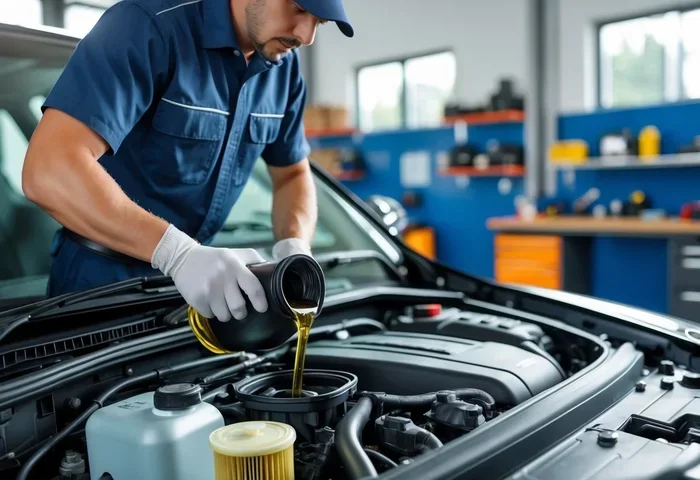
Why Does Your Car Run Better Right After an Oil Change
Why does your car run better right after an oil change? Fresh engine oil reduces friction, removes harmful sludge, and restores proper lubrication to vital engine parts. This simple car maintenance task can immediately improve engine performance, fuel efficiency, and overall driving feel. Understanding the science behind this helps you appreciate why staying on top of your oil change interval matters so much.
You know that feeling when you hop in your car after getting an oil change, and it just… purrs? The engine feels smoother. The ride feels quieter. Everything seems to click. So why does your car run better right after an oil change? It is not just in your head. There is real science behind this satisfying transformation.
Your engine is a complex machine with hundreds of moving parts. These parts spin, slide, and grind against each other at incredible speeds. Without proper lubrication, they would seize up within minutes. Engine oil is the lifeblood that keeps everything running smoothly. Over time, that oil breaks down, collects debris, and loses its ability to protect your engine. A fresh oil change restores what your engine needs to perform at its best.
In this article, we will break down exactly why your car feels better after an oil change. We will look at the science, the benefits, and how staying on top of your oil change interval can save you money and headaches down the road. Whether you handle your own oil and filter change or visit a shop, understanding the “why” makes you a smarter car owner.
Key Takeaways
- Fresh oil reduces friction: New oil coats engine parts better, allowing smoother movement and less wear.
- Dirty oil hurts performance: Old oil loses viscosity and fails to protect your engine properly.
- Fuel economy improves: Clean oil helps your engine run more efficiently, saving you money at the pump.
- Engine longevity increases: Regular oil changes prevent costly repairs and extend engine life significantly.
- Oil filters matter too: Changing the filter alongside the oil ensures contaminants stay out of your engine.
- Listen to your car: Warning signs like low oil pressure or rough idling often point to old oil.
📑 Table of Contents
- How Engine Oil Keeps Your Car Running
- What Happens to Oil Over Time
- Why Your Car Feels Better After an Oil Change
- The Impact on Fuel Efficiency
- How Often Should You Change Your Oil?
- Common Signs Your Oil Needs Changing
- Quick Tips for Maximizing the Benefits of Your Oil Change
- Expert Insights on Oil Change Benefits
- Conclusion
How Engine Oil Keeps Your Car Running
To understand why fresh oil makes such a difference, you need to know what oil does inside your engine. It is not just a liquid sitting in the oil pan. Engine oil works hard every single time you turn the key.
The Role of Lubrication
Every engine has pistons, crankshafts, camshafts, and valves. These parts move at thousands of revolutions per minute. Without oil, metal would grind against metal. Friction would generate extreme heat. Within seconds, your engine would suffer catastrophic damage.
Engine oil creates a thin film between these moving surfaces. This film reduces friction dramatically. It allows parts to glide past each other without direct contact. Think of it like butter on a hot pan. Everything slides smoothly instead of sticking and grinding.
Over time, this oil gets contaminated. Dust, metal particles, fuel residue, and moisture mix into the oil. The additives that give oil its protective properties start to break down. The oil becomes thick and gritty. At this point, it is no longer doing its job effectively. This is exactly why regular oil changes are so critical.
Oil Viscosity and Why It Matters
You have probably seen numbers on your oil bottle like 5W-30 or 10W-40. These numbers refer to oil viscosity, which is basically the oil’s thickness and flow rate at different temperatures.
When oil is fresh, it flows easily at cold starts and maintains its protective film at high temperatures. As oil ages, it thins out or thickens depending on driving conditions. Either change reduces its effectiveness. Fresh oil has the right viscosity to protect your engine in all conditions.
If you have ever noticed your car sounding rough or sluggish, old oil viscosity could be the culprit. This is why checking your oil change interval and sticking to it matters so much for daily performance.
What Happens to Oil Over Time
Oil does not last forever. Many car owners wonder how long their oil really lasts and what happens inside the engine as it ages. Let us walk through the process step by step.
The Breakdown Process
When you drive, your engine generates heat. This heat causes the oil to undergo thermal breakdown. The molecular structure of the oil starts to change. Additives like detergents, dispersants, and anti-wear agents gradually deplete.
As the oil degrades, it loses its ability to suspend contaminants. Tiny metal shavings and carbon deposits start to settle on engine surfaces. This buildup is commonly called sludge. Sludge restricts oil flow and reduces lubrication. Your engine starts working harder with less protection.
Can car oil expire? Absolutely. Oil does have a shelf life, even in the bottle. Once it is in your engine, the clock is ticking. Heat, moisture, and contamination accelerate the aging process. This is why manufacturers recommend specific intervals for oil replacement.
Contaminants That Build Up in Old Oil
Several contaminants accumulate in used engine oil. Here are the most common ones:
- Fuel dilution: Unburned fuel seeps past piston rings and mixes with oil.
- Moisture: Condensation forms inside the engine, especially during short trips.
- Soot and carbon: Normal combustion produces fine particles that contaminate oil.
- Metal particles: Wear and tear on engine components releases tiny metal fragments.
- Dust and dirt: Even with air filters, some particles find their way into the oil system.
All of these contaminants reduce the oil’s ability to lubricate properly. They increase friction. They raise engine temperature. And they accelerate wear on internal components. A fresh oil change flushes all of this out and replaces it with clean, protective fluid.
Why Your Car Feels Better After an Oil Change
Now let us get to the heart of the matter. Why does your car feel noticeably better after you get an oil change? Several factors work together to create that immediate improvement.
Reduced Friction and Smoother Operation
The most immediate benefit of fresh oil is reduced friction. New oil flows freely and coats every internal surface quickly. Within seconds of starting your engine after an oil change, the oil pump circulates fresh lubricant through the entire system.
This means less resistance on moving parts. Your engine does not have to work as hard to overcome internal friction. The result? Smoother idling, quicker acceleration, and a quieter ride. You can literally hear and feel the difference.
Many drivers notice their engine sounds more refined after an oil change. The rattling and knocking that may have developed with old oil often disappears. This is because fresh oil restores the protective cushion between metal surfaces.
Improved Oil Pressure and Flow
Old oil becomes thicker and less responsive. It takes longer to reach all the engine parts that need lubrication. After an oil change, oil pressure normalizes quickly. Fresh oil reaches the valve train, camshaft, and bearings faster and more consistently.
If you have ever noticed a warning light on your dashboard related to oil pressure, old oil could be the cause. Fresh oil restores proper pressure levels. This keeps your engine running within safe operating parameters and prevents damage from inadequate lubrication.
Better Heat Dissipation
Engine oil plays a key role in cooling your engine. While the coolant system handles the bulk of heat management, oil helps cool areas the coolant cannot reach. Piston rings, bearings, and cylinder walls rely on oil flow to stay at safe temperatures.
When oil breaks down, it loses its ability to transfer heat effectively. Hot spots develop inside the engine. These hot spots cause additional wear and can lead to serious engine problems over time. Fresh oil restores proper heat dissipation, keeping your engine running cooler and more efficiently.
Cleaner Engine Internals
Modern engine oils contain detergent additives that help keep internal surfaces clean. These additives suspend contaminants so they can be captured by the oil filter. When you get an oil change, you also replace the filter.
Can you do an oil and filter change yourself? Yes, many car owners handle this task at home. It is one of the most accessible car maintenance jobs you can do. Either way, the combination of fresh oil and a new filter means your engine internals get a fresh start. All the grime and buildup from the old oil gets removed, and your engine runs cleaner.
The Impact on Fuel Efficiency
Here is a benefit that hits your wallet directly. Fresh oil can improve your fuel economy. How does this work?
When your engine has clean oil, internal parts move with less resistance. Less resistance means your engine does not need to burn as much fuel to produce the same power. Over time, these small efficiency gains add up to real savings at the gas pump.
Studies have shown that vehicles with fresh, clean oil can see a measurable improvement in miles per gallon. While the gains may not be dramatic on a single trip, they add up over thousands of miles. For budget-conscious drivers, this alone is a strong reason to stay current on your oil change interval.
Dirty oil forces the engine to work harder. The oil pump struggles to push thick, contaminated oil through the system. Your engine burns more fuel to compensate for this extra effort. A simple oil change removes this inefficiency and lets your engine operate at peak efficiency.
How Often Should You Change Your Oil?
The right oil change interval depends on several factors. Your driving habits, the type of oil you use, and your vehicle model all play a role.
Conventional vs. Synthetic Oil
Conventional oil typically needs changing every 3,000 to 5,000 miles. Synthetic oil can last between 7,500 and 15,000 miles, depending on the formulation and your driving conditions. Synthetic oils have superior additive packages and better thermal stability, which means they resist breakdown longer.
Many modern vehicles come filled with synthetic oil from the factory. If you are unsure what type your car uses, check your owner’s manual or ask your mechanic.
Driving Conditions That Shorten Oil Life
Certain driving conditions cause oil to degrade faster. If you regularly experience any of the following, you may need to change your oil more frequently:
- Short trips under five miles
- Extreme hot or cold weather
- Stop-and-go city driving
- Heavy towing or hauling
- Dusty or off-road conditions
These conditions accelerate oil contamination and breakdown. If you fall into any of these categories, consider shortening your oil change interval. Your engine will thank you for it.
Common Signs Your Oil Needs Changing
Do not wait for your oil to completely fail before getting a change. Your car gives you warning signs. Learning to recognize these signals helps you stay ahead of problems.
Dashboard Warning Lights
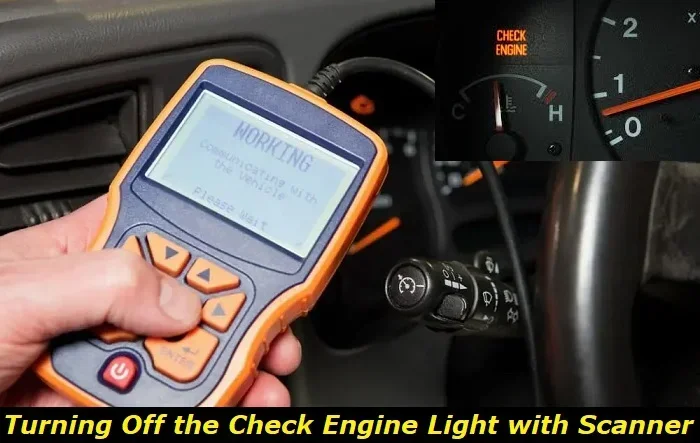
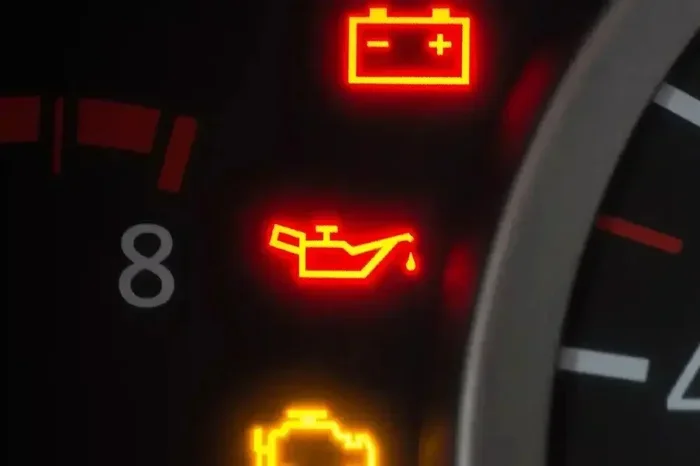
Your dashboard is the first line of defense. If you see the oil pressure light or the check engine light come on, do not ignore it. Low oil pressure often indicates that your oil level is too low or that the oil has degraded beyond its useful life.
Does low engine oil show on the dashboard? In many cases, yes. Most modern vehicles have oil pressure sensors that trigger a warning when levels drop or pressure falls below safe thresholds.
Unusual Engine Noises
Knocking, ticking, or rattling sounds from the engine bay often point to inadequate lubrication. When oil loses its viscosity and protective properties, metal parts start making contact. These sounds are your engine crying for help. Get your oil checked right away if you notice anything unusual.
Dark or Dirty Oil on the Dipstick
Fresh oil is amber or golden in color. As it ages, it darkens. If you pull your dipstick and the oil looks black and gritty, it is well past time for a change. This simple check takes seconds and can save you from expensive engine repairs.
Quick Tips for Maximizing the Benefits of Your Oil Change
Getting an oil change is one thing. Getting the most out of it is another. Here are some practical tips to ensure your oil change delivers maximum benefits.
- Always replace the oil filter: A clogged filter defeats the purpose of fresh oil. Always change the filter at the same time.
- Use the right oil grade: Check your owner’s manual for the recommended viscosity. Using the wrong grade can hurt performance.
- Check oil levels regularly: Do not just rely on oil change reminders. Check your dipstick monthly to catch leaks or consumption issues early.
- Stick to a consistent schedule: Irregular oil changes do more harm than good. Set a reminder and follow through.
- Consider synthetic oil: If your vehicle allows it, synthetic oil offers superior protection and longer intervals between changes.
- Keep records: Track your oil changes with dates and mileage. This helps you stay on schedule and maintain your vehicle’s resale value.
Expert Insights on Oil Change Benefits
Many experienced mechanics agree that the single most impactful thing a car owner can do is stay current with oil changes. Skipping or delaying oil changes is the leading cause of premature engine wear. The cost of an oil change is a fraction of what an engine rebuild or replacement would cost.
Can a car overheat with low oil? Yes, absolutely. Insufficient or degraded oil fails to carry heat away from critical engine components. Overheating can warp cylinder heads, blow head gaskets, and cause catastrophic engine failure. Regular oil changes are one of the simplest ways to prevent this.
Professional mechanics also emphasize the importance of not just watching mileage but also considering time. Oil can degrade even if you do not drive many miles. Moisture accumulates, additives deplete, and contamination builds up regardless of driving distance. A good rule of thumb is to change your oil at least twice a year, even if you have not hit the mileage mark.
For those who prefer handling maintenance themselves, learning how to do an oil and filter change at home can save money and build confidence. Many online tutorials walk you through the process step by step. Just make sure you dispose of the old oil properly at a recycling center.
Conclusion
So why does your car run better right after an oil change? The answer comes down to one simple truth: fresh oil restores what your engine needs to operate at its best. It reduces friction, improves lubrication, enhances heat dissipation, and removes harmful contaminants. Every part of your engine benefits from clean, properly formulated oil flowing freely through the system.
Staying on top of your oil change interval is one of the easiest and most affordable ways to protect your investment. It improves performance, boosts fuel economy, and extends the life of your engine. Whether you visit a quick-lube shop or handle the job yourself, the payoff is immediate and long-lasting.
Your car communicates with you. Listen to it. Pay attention to the signs. Keep that oil fresh and clean, and your engine will reward you with years of reliable, smooth, and efficient performance. A simple oil change today can prevent expensive repairs tomorrow. That is a deal every car owner should take advantage of.
Frequently Asked Questions
How soon will I notice a difference after an oil change?
Most drivers notice an immediate improvement in engine smoothness and noise levels. The difference is often most noticeable during the first few drives after the oil change. Fresh oil restores proper lubrication almost instantly, so you should feel the benefits right away.
Can I drive my car immediately after an oil change?
Yes, you can drive your car right after an oil change. In fact, running the engine for a few minutes helps the new oil circulate through the entire system. Just check the oil level first to make sure it is at the proper mark before driving.
What happens if I skip my oil change?
Skipping oil changes leads to sludge buildup, increased friction, and overheating. Old oil loses its protective properties and can no longer lubricate engine parts effectively. Over time, this causes accelerated wear and can lead to expensive engine repairs or even engine failure.
Does the type of oil I use really matter?
Yes, the type of oil matters significantly. Synthetic oil offers better protection and lasts longer than conventional oil. It handles extreme temperatures better and maintains its viscosity longer. Always use the oil grade recommended by your vehicle manufacturer for the best results.
Is it okay to change oil based only on mileage?
While mileage is the primary guide, time also matters. Oil degrades over time even if you do not drive much. Moisture and contaminants can accumulate regardless of mileage. A good practice is to change your oil at least twice a year or per your manufacturer’s recommended interval, whichever comes first.
Can I check my own oil level at home?
Absolutely. Checking your oil level is one of the easiest car maintenance tasks you can do at home. Make sure the engine is cool, pull the dipstick, wipe it clean, reinsert it, and then check the level against the markings. You should do this at least once a month to catch any issues early.