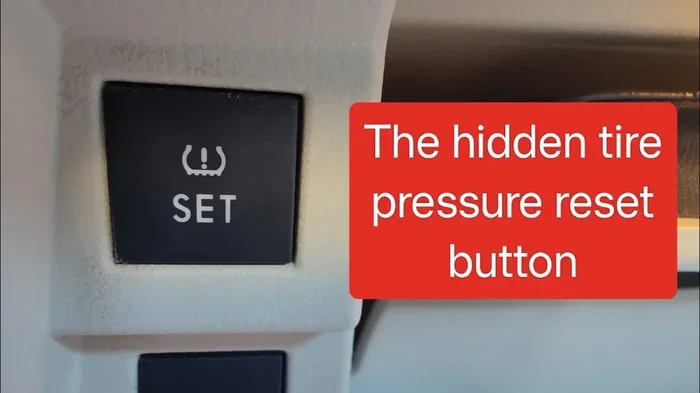
Where Is My Tire Pressure Reset Button On Your Car
Finding your tire pressure reset button is simpler than you think. Most vehicles hide it under the steering column, on the dashboard, or inside the driver’s door panel. Knowing the exact location saves time and keeps your tire pressure monitoring system working correctly.
You’re driving down the road, and suddenly that little horseshoe-shaped light pops up on your dashboard. Your heart sinks a little. You check your tires. They look fine. But that annoying tire pressure warning light just won’t go away.
Here’s the good news. In most cases, a simple reset fixes the problem. The tricky part? Finding the tire pressure reset button. Every car maker hides it in a different spot. Some are easy to reach. Others feel like they’re hiding in plain sight.
This guide walks you through exactly where to look on the most popular vehicle brands. We’ll also cover how to reset the system properly. You’ll know the tire pressure reset procedure in no time. Let’s get into it.
Key Takeaways
- Location Varies by Vehicle: The tire pressure reset button placement differs across car brands and models.
- Common Spots Include: Under the steering wheel, on the dashboard, inside the driver’s door, and in the center console.
- Reset After Every Check: Always reset the system after adjusting your tire pressure to clear warning lights.
- Check Your Manual: Your vehicle’s owner manual provides the most accurate reset button location for your specific model.
- TPMS Light Persists? A light that won’t go off may signal a deeper issue beyond just needing a reset.
📑 Table of Contents
- Why Does the Tire Pressure Light Come On?
- Where Is the Tire Pressure Reset Button Located?
- How to Reset Your Tire Pressure Monitoring System
- What If the Tire Pressure Light Won’t Turn Off?
- TPMS Reset Button Locations by Vehicle Brand
- How Often Should You Check Tire Pressure?
- Common Mistakes People Make With Tire Pressure Resets
- Can You Reset TPMS Without a Physical Button?
- What Is the TPMS Reset Button and Why Does It Matter?
- Conclusion
Why Does the Tire Pressure Light Come On?
Before we hunt down that button, let’s understand why the light shows up in the first place. The tire pressure monitoring system, or TPMS, watches the air level in each tire. When pressure drops below the recommended level, the system sends a signal to your dashboard.
Several things trigger this warning:
- Temperature changes: Cold weather causes air inside tires to contract. This drops the pressure.
- Slow leaks: A tiny puncture or worn valve stem lets air out slowly over time.
- Seasonal pressure loss: Tires naturally lose about 1 PSI per month.
- Recent tire changes: Rotating or replacing tires can sometimes trigger the sensor.
- Sensor battery dying: The TPMS sensor itself has a battery that eventually needs replacing.
Sometimes the light comes on and your tires are perfectly fine. This happens often in cold mornings. The air inside the tire shrinks overnight. The system detects the drop and warns you. Once you drive a few miles and the tires warm up, the pressure rises. But the light stays on until you reset it.
If you want to learn more about checking tire pressure readings, check out Can You Check Tire Pressure On The Dashboard for helpful tips.
Where Is the Tire Pressure Reset Button Located?
Now for the main question. Where exactly is the tire pressure reset button? The answer depends on your vehicle’s make and model. Below we cover the most common locations across popular brands.
Under the Steering Wheel Column
This is the most common spot for many Toyota, Honda, and Nissan models. Look directly beneath the steering column on the lower left side of the dashboard. You may need to feel around with your fingers. The button is often small and recessed. It might have an icon that looks like a tire with an exclamation mark.
On Toyota Camry models, you’ll typically find it on the lower left side of the steering column. Press and hold it until the TPMS light blinks three times. Then release. The system starts the recalibration process.
On the Dashboard Center Console
Some vehicles place the reset button on the center console near the climate controls or the shift lever. Ford, Chevrolet, and some newer models use this location. Look for a small button with a tire icon or the letters “TPMS.”
For Ford F-150 owners, the button sits on the lower left side of the instrument panel. It’s easy to miss if you’re not looking for it. The same goes for many Chevrolet trucks. The button blends right in with the surrounding controls.
Inside the Driver’s Door Panel
Several car makers, including BMW, Mercedes-Benz, and some Volkswagen models, place the reset switch on the driver’s door panel. Open the door and look near the latch mechanism or along the door trim. It’s usually a small, flush-mounted button.
BMW vehicles often hide the TPMS reset behind the steering wheel cover on the left side. You might need to remove a small plastic cover to access it. Check your vehicle manual for the exact spot.
In the Glove Compartment or Center Stack
A few models tuck the reset button inside the glove box or on the center stack above the radio. This is less common but worth checking if you’ve looked everywhere else. Some luxury brands use the infotainment system menus for resetting instead of a physical button.
For example, many modern Subaru models let you reset the system through the vehicle settings menu on the screen. No physical button needed. This digital approach is becoming more popular in newer cars.
How to Reset Your Tire Pressure Monitoring System
Once you find the button, the reset process is straightforward. But doing it wrong can leave the light still on. Follow these steps carefully for a successful tire pressure sensor reset.
Step-by-Step Reset Process
- Check your tire pressure first. Use a tire pressure gauge to verify each tire is at the recommended PSI. You’ll find this number on the sticker inside the driver’s door frame.
- Inflate or deflate as needed. Add air to any tire that’s low. Let a small amount out if a tire is overinflated.
- Turn the ignition to the “ON” position. Do not start the engine. Just turn the key or press the start button without pressing the brake.
- Press and hold the reset button. Hold it for about 3 to 5 seconds. Watch the TPMS light on the dashboard.
- Release the button when the light blinks. The light should blink three times and then turn off.
- Start the engine and drive. Drive the vehicle for 10 to 20 minutes. The system recalibrates as you drive.
If the light comes back on after a few days, one of your tires may still be low. Go back and recheck the pressure. Also, visit Do I Need To Reset Tpms After Filling Air for more details on the reset process after adjusting tire pressure.
Quick Tips for a Smooth Reset
- Always reset after checking and adjusting tire pressure.
- Do the reset when the tires are cold for the most accurate reading.
- Don’t ignore the light. Even if your tires look fine, get them checked.
- Keep a tire pressure gauge in your glove box. Check pressure monthly.
- If the light won’t turn off, the TPMS sensor itself might need replacing.
What If the Tire Pressure Light Won’t Turn Off?
You’ve found the button. You’ve followed the reset steps. But that stubborn light is still glowing. What now? A light that persists after a reset points to a deeper issue.
Here are the most common reasons the tire pressure warning light stays on:
- One tire is still low: Even a few PSI below recommended pressure triggers the system. Check all four tires again.
- Temperature hasn’t stabilized: If you just filled your tires and drove through a cold front, the pressure may have dropped again.
- Faulty TPMS sensor: The sensor inside each tire can fail. A dead sensor battery often causes this problem.
- System needs professional recalibration: Some vehicles need a scan tool to fully reset the system.
- Recent tire or wheel change: Swapping tires can sometimes confuse the monitoring system.
If you’ve ruled out low pressure in all tires, it’s time for a closer look. A mechanic can run a diagnostic scan to check each TPMS sensor individually. Replacing a sensor battery is usually inexpensive and quick. Most tire shops can handle it in under an hour.
While you’re under the hood checking things, you might also want to look at other maintenance items. For instance, if you’re noticing starting issues alongside the TPMS light, check out Car Not Starting But Battery Is Fine What To Check for helpful guidance.
TPMS Reset Button Locations by Vehicle Brand
Different brands use different locations. Here’s a quick reference guide to help you find the button faster.
| Brand | Typical Reset Button Location |
|---|---|
| Toyota | Under steering column, lower left side |
| Honda | Under steering column or on the left side of the dashboard |
| Ford | Lower left of the instrument panel |
| Chevrolet | Lower left of the dashboard or center console |
| Nissan | Under steering column or on the door panel |
| BMW | Behind steering wheel cover or in vehicle settings menu |
| Subaru | Through the infotainment system settings |
| Honda | Under the steering column on the left side |
This table covers the most common brands. If your vehicle isn’t listed here, check your owner’s manual. The manual always has the most accurate information for your specific model and year.
For Toyota owners specifically, if you’re dealing with other Toyota-specific questions like whether you can use a different oil weight, check out Can I Use 5W 30 Instead Of 5W 20 In My Toyota Camry for expert advice.
How Often Should You Check Tire Pressure?
Regular tire pressure checks keep your tires wearing evenly and your fuel economy optimized. Most experts recommend checking your tire pressure at least once a month. You should also check before any long road trip.
Here’s a simple routine to follow:
- Monthly check: Use a reliable tire pressure gauge on all four tires plus the spare.
- Seasonal check: Temperature swings in fall and spring often cause pressure changes. Check more frequently during these transitions.
- Before long trips: Verify pressure a day before a road trip when the tires are cold.
- After tire service: If you’ve had tires rotated or replaced, double-check the pressure.
Most passenger cars recommend tire pressure between 30 and 35 PSI. But the exact number varies by vehicle. Look for the sticker on the driver’s door jamb. It lists the manufacturer’s recommended pressure for your specific model.
Maintaining proper tire pressure does more than just keep the warning light off. It improves fuel efficiency, extends tire life, and enhances safety on the road. Underinflated tires cause uneven wear on the outer edges of the tread. Overinflated tires wear down the center of the tread faster. Both situations reduce traction and increase stopping distance.
Common Mistakes People Make With Tire Pressure Resets
Even with the best intentions, many people make avoidable mistakes when resetting their TPMS. Here’s what to watch out for.
Resetting Without Checking Pressure First
This is the number one mistake. People find the button, hold it down, and clear the light without ever checking if their tires actually have enough air. The light goes off for a few days. Then it comes back because the underlying problem wasn’t fixed.
Always verify pressure first. The reset button clears the warning. It doesn’t fix a low tire.
Not Driving After the Reset
The TPMS system needs time to recalibrate. After you reset the button, drive the vehicle for at least 10 minutes at speeds above 20 mph. This allows the system to relearn the current tire pressure levels.
Ignoring a Persistent Light
Some drivers get used to a light that stays on. They ignore it for months. This is risky. A constantly illuminated TPMS light means something isn’t right. It could be a slow leak, a faulty sensor, or a system that needs professional attention.
Don’t just reset and forget. Treat the light as a serious warning every time it appears.
Using the Wrong Tire Pressure
Every vehicle has a specific recommended tire pressure. Using the number printed on the tire sidewall is a common error. That number is the maximum pressure the tire can handle, not the recommended pressure for your vehicle.
Always use the number on the driver’s door jamb sticker or in your vehicle manual.
Can You Reset TPMS Without a Physical Button?
Yes. Many newer vehicles don’t have a physical reset button at all. Instead, the reset happens through the vehicle’s infotainment system. Here’s how it typically works:
- Press the menu or settings button on your touchscreen.
- Navigate to “Vehicle Settings” or “Car Settings.”
- Find “Tire Pressure Monitoring” or “TPMS.”
- Select “Reset” or “Calibrate.”
- Confirm the reset and drive the vehicle for the recalibration period.
Electric vehicles like the Tesla Model 3 and Nissan Leaf handle this entirely through the screen. No physical button exists. If you’re not sure whether your vehicle uses a physical button or a digital reset, consult your owner’s manual.
Some vehicles also allow you to check current tire pressure readings directly from the dashboard display. This feature is especially helpful for monitoring pressure between resets. For more on reading tire pressure from your dashboard display, visit Can You Check Tire Pressure On The Dashboard.
What Is the TPMS Reset Button and Why Does It Matter?
The tire pressure reset button is a small control that tells your vehicle’s TPMS to recalibrate. When you adjust your tire pressure to the correct level, the system needs to recognize the new baseline. The reset button tells the computer, “Hey, the tires are fine now. Update your readings.”
This matters for several reasons:
- Safety: Properly inflated tires improve handling and braking performance.
- Fuel economy: Tires at the correct pressure reduce rolling resistance and save gas.
- Tire longevity: Correct pressure prevents uneven wear patterns that shorten tire life.
- Inspection readiness: A constantly lit TPMS light can cause a vehicle to fail safety inspections.
Ignoring the reset process means the system keeps running on outdated data. Even if you’ve fixed the problem, the light stays on and the system doesn’t accurately monitor your tires anymore.
For Toyota owners wondering about other common maintenance questions, check out Can I Fix My Own Tire Pressure Sensor for DIY tips on sensor maintenance.
Conclusion
Finding your tire pressure reset button doesn’t have to be a frustrating scavenger hunt. The button is almost always within reach. It’s just hidden in a spot you might not think to look. Start under the steering column. Then check the door panel and center console. Consult your owner’s manual if you still can’t find it.
Remember to always check your tire pressure before resetting the system. Follow the reset steps carefully. Drive the vehicle afterward to let the system recalibrate. And never ignore a persistent TPMS light. It’s trying to tell you something important about your vehicle’s safety and performance.
Regular tire pressure maintenance keeps you safe, saves fuel, and extends the life of your tires. A few minutes of attention each month goes a long way. Now that you know exactly where to look, the next time that TPMS light comes on, you’ll be ready.
Frequently Asked Questions
Can I drive my car if the tire pressure light is on?
You can drive short distances, but it’s not recommended. Low tire pressure affects handling and braking. Get to a gas station or tire shop to check the pressure as soon as possible. Driving on significantly underinflated tires can cause blowouts.
How much does it cost to replace a TPMS sensor?
Most TPMS sensors cost between $50 and $100 each for parts. Labor adds another $20 to $50 per sensor. Some tire shops offer packages that include sensor replacement and reset for a flat fee. Always ask for a price estimate before agreeing to the work.
Why does my tire pressure light come on in cold weather?
Cold air causes the air inside your tires to contract, lowering the pressure. A 10-degree drop in temperature can reduce tire pressure by about 1 PSI. This triggers the TPMS light. Once the tires warm up from driving, the pressure rises and the light may turn off on its own.
Do I need special tools to reset the tire pressure monitoring system?
No special tools are needed for most vehicles. The reset button is manual and easy to access. However, some newer models require a diagnostic scan tool or digital reset through the infotainment system. Your vehicle manual will tell you which method applies.
Can low tire pressure cause the check engine light to come on?
In some vehicles, yes. Severely low tire pressure can trigger multiple warning lights. The TPMS light is the most common, but some cars link the tire pressure system to the check engine light. If both lights are on, check your tire pressure first before investigating other issues.
How long does a TPMS reset take to complete?
The physical reset takes about 30 seconds. But full system recalibration can take 10 to 20 minutes of driving. During this time, the system relearns the current tire pressure values. If the light doesn’t turn off after driving for 20 minutes, the tires may still be low or a sensor may be faulty.