Where Do the Clocks Go Back in 2023 and What You Should Know
The clocks go back in 2023 on October 29 in the UK, Europe, and parts of Canada, and on November 5 in the US and most of North America. This annual shift gives you an extra hour of sleep but brings darker evenings earlier. Knowing the exact dates and how the change affects your routine helps you stay prepared and safe.
Every year, millions of people set their clocks back and gain an extra hour. But where exactly do the clocks go back in 2023, and what should you know about this seasonal shift? The daylight saving time change affects different regions on different dates, and understanding the details can help you plan ahead.
The clock change is not just about moving your watch forward or back. It touches your sleep, your commute, your energy use, and even your mood. Whether you live in the United States, the United Kingdom, or Europe, the fall back date matters more than most people realize. Let us break down everything you need to know about the clock change in 2023.
Key Takeaways
- Different regions change clocks on different dates: Europe and the UK fall back on October 29, while the US and Canada change on November 5.
- The change gives you an extra hour of sleep: Clocks move from 2:00 AM back to 1:00 AM in participating regions.
- Darker evenings arrive sooner: After the change, sunset happens earlier, affecting your evening routines and commute.
- Not all countries observe the change: Many nations in Asia, Africa, and parts of Australia skip daylight saving time entirely.
- Adjusting your sleep schedule helps: Small steps before the clock change can ease the transition and protect your health.
- Driving safety matters more after the change: Reduced visibility during rush hour increases risks on the road.
📑 Table of Contents
- The Dates When the Clocks Go Back in 2023
- Which Countries and Regions Observe the Clock Change?
- Why Do the Clocks Go Back?
- How the Clock Change Affects Your Body
- How the Clock Change Affects Driving and Road Safety
- Common Mistakes People Make After the Clock Change
- What Experts Say About the Clock Change
- Key Takeaways
- Conclusion
The Dates When the Clocks Go Back in 2023
When Do UK and European Clocks Fall Back?
In the United Kingdom, the clocks go back on the last Sunday of October. For 2023, that means October 29. At 2:00 AM British Summer Time, the clocks move back one hour to 1:00 AM Greenwich Mean Time. This gives UK residents an extra hour of sleep and marks the end of British Summer Time.
Most of Europe follows the same pattern. Countries in the European Union, including Germany, France, Spain, and Italy, all change their clocks on October 29, 2023. The shift happens at 3:00 AM Central European Summer Time, moving clocks back to 2:00 AM Central European Time.
When Do US and Canadian Clocks Fall Back?
In the United States, the clocks go back on the first Sunday of November. That date is November 5, 2023. The change happens at 2:00 AM local daylight saving time, and clocks roll back to 1:00 AM standard time.
Most of Canada follows the US schedule. Provinces like Ontario, Quebec, British Columbia, and Alberta all observe the November 5 date. However, some Canadian regions skip the change entirely. Saskatchewan does not observe daylight saving time, and parts of British Columbia are moving toward permanent standard time.
Here is a quick comparison of the key dates:
- UK and Europe: October 29, 2023
- US and most of Canada: November 5, 2023
- Mexico (most regions): November 5, 2023
- Brazil: November 5, 2023 (ends daylight saving time)
Which Countries and Regions Observe the Clock Change?
Where the Clocks Go Back
The clock change is mostly observed in North America, Europe, and parts of the Middle East. In total, about 1.5 billion people experience the time change each year. The practice started as an energy-saving measure and has continued for over a century.
In the United States, most states observe daylight saving time. The exceptions are Hawaii and most of Arizona. US territories like Puerto Rico, the US Virgin Islands, Guam, and American Samoa do not change their clocks either.
In Europe, all EU member states participate in the seasonal shift. The European Commission has discussed ending the mandatory clock change, but no final decision has been made yet. For now, the autumn clock change remains part of life across the continent.
Where the Clocks Do Not Change
Many countries around the world never adjust their clocks. Large parts of Asia, Africa, and South America skip the seasonal time shift entirely. Japan, China, India, and most of Africa stay on the same time all year round.
Australia is split on this issue. Some states like New South Wales and Victoria change their clocks, while Queensland, Western Australia, and the Northern Territory do not. This split creates confusion for travelers and businesses across the country.
Why Do the Clocks Go Back?
The History Behind the Clock Change
The idea of daylight saving time was first proposed by Benjamin Franklin in 1784 as a joke. The serious push came during World War I, when countries like Germany and the UK adopted the practice to save fuel. By moving clocks forward in summer, people could use less artificial light.
After the war, many countries kept the practice. The US standardized the clock adjustment in 1966 with the Uniform Time Act. Since then, the rules have shifted a few times, but the basic pattern of springing forward and falling back has stayed the same.
The Original Purpose
The main goal of the clock change was to make better use of daylight. In summer, evenings have more light, so people can stay active longer without needing lamps or electricity. In autumn, the fall back gives people more morning light, which was helpful for farmers and early workers.
Today, many experts question whether these benefits still hold. Studies show the energy savings are minimal with modern electricity use. Still, the tradition continues in most parts of the US and Europe.
How the Clock Change Affects Your Body
Sleep and Your Internal Clock
Even though the clock change gives you an extra hour of sleep, your body does not adjust instantly. Your circadian rhythm follows light patterns, not clock time. When the clocks fall back, your body expects to wind down earlier, but the extra evening light can confuse this process.
Some people feel groggy for a few days after the change. Others find it easier to adjust in autumn compared to springing forward. The extra hour of sleep helps, but the shift in your routine can still cause short-term disruption.
Tips to Adjust Your Sleep Schedule
Preparing for the clock change makes the transition smoother. Try these simple steps in the days before October 29 or November 5:
- Shift your bedtime gradually: Go to bed 15 minutes earlier each night for a few days before the change.
- Get morning sunlight: Light exposure helps reset your internal clock and signals your body to wake up.
- Avoid screens before bed: Blue light from phones and tablets can interfere with your sleep quality.
- Keep your bedroom dark: Use blackout curtains to block early morning light and help you sleep longer.
- Limit caffeine after noon: Coffee and tea can disrupt your ability to fall asleep, especially during a transition period.
How the Clock Change Affects Driving and Road Safety
The Risk of Darker Evenings
After the clock adjustment, evenings get darker much earlier. Sunset can happen as early as 4:30 PM in some regions. This creates challenging driving conditions during the evening rush hour. Visibility drops, and pedestrians and cyclists become harder to see.
Studies show that the number of pedestrian accidents increases after the fall clock change. Drivers need extra time to adjust to the reduced light. Darker evenings also affect the visibility of road signs, traffic signals, and potential hazards on the road.
Tips for Safer Driving After the Change
Staying safe on the road after the clock reset requires a few simple habits:
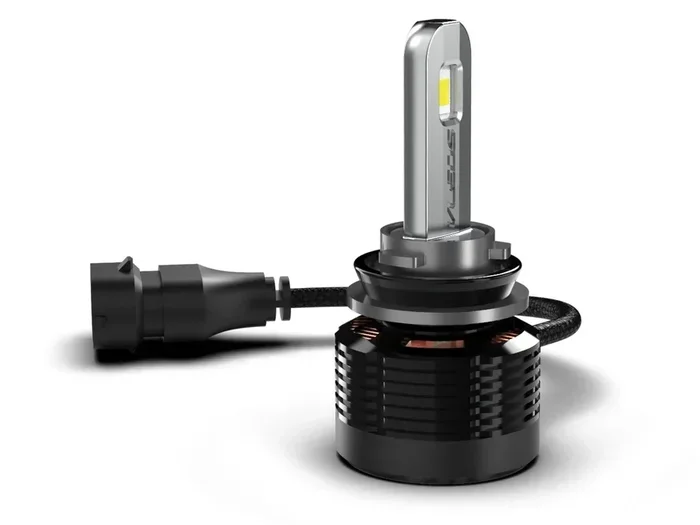
- Turn on your headlights earlier: Many drivers wait until it is fully dark. Turning them on at dusk improves your visibility and makes your car more visible to others.
- Slow down during evening commutes: Reduced light means less reaction time. Give yourself extra space and time to stop.
- Watch for pedestrians: People walking or biking in the dark are harder to spot, especially in residential areas and school zones.
- Clean your windshield and lights: A dirty windshield can scatter light and reduce clarity. Keep your headlights and taillights clean for maximum visibility.
- Stay alert for fatigue: The extra hour of sleep can make some drivers feel more rested, but the schedule change can also cause drowsiness during familiar evening drives.
If you drive a car regularly, this seasonal shift is worth factoring into your routine. Check that your headlights and wipers are in good condition before the clock change. A quick inspection takes minutes but can make a big difference in your safety.
Common Mistakes People Make After the Clock Change
Forgetting to Update Devices
Many people assume all their devices update automatically. While most smartphones and computers do change the time, some older devices and standalone clocks do not. Forgetting to update your oven clock, car dashboard clock, or wall clock can cause confusion throughout the day.
Make it a habit to check all your clocks within the first 24 hours after the time change. This small step saves you from being late or confused about the actual time.
Ignoring the Impact on Daily Routines
The seasonal time shift affects more than just your sleep. It changes when you eat dinner, when your kids come home from school, and when you exercise. Ignoring these shifts can throw off your entire routine for a week or more.
Plan ahead by adjusting meal times, workout schedules, and childcare arrangements a few days before the clock change. Small adjustments make the transition much easier.
Underestimating the Health Impact
Some people dismiss the clock change as a minor annoyance. But research shows that even a one-hour shift in your sleep schedule can affect your mood, concentration, and heart health. The circadian rhythm disruption can trigger headaches, irritability, and difficulty focusing.
People with existing sleep disorders, anxiety, or depression may feel the effects more strongly. Taking the change seriously and giving yourself grace during the adjustment period is important for your well-being.
What Experts Say About the Clock Change
The Push to End Daylight Saving Time
There is a growing movement to end the seasonal clock adjustment altogether. The US Senate passed the Sunshine Protection Act in 2022, which would make daylight saving time permanent. However, the bill has not yet passed the House of Representatives.
In Europe, the European Commission proposed ending mandatory clock changes in 2019. Member states were supposed to decide whether to stay on permanent summer time or permanent standard time. As of 2023, no agreement has been reached, so the seasonal shifts continue.
What Health Professionals Recommend
Most sleep experts agree that the fall back is easier on the body than springing forward. The extra hour of sleep gives your body a chance to recover. However, the earlier darkness can affect people who struggle with seasonal mood changes or seasonal affective disorder.
Doctors recommend using the clock change as a reminder to check your health habits. Review your sleep environment, exercise routine, and stress levels. The seasonal shift is a good opportunity to reset and focus on better self-care.
Key Takeaways
- The UK and Europe change clocks on October 29, 2023: At 2:00 AM, clocks move back one hour to 1:00 AM.
- The US and Canada change clocks on November 5, 2023: At 2:00 AM, clocks move back one hour to 1:00 AM.
- The extra hour of sleep is a perk, but darker evenings require caution: Adjust your driving habits and evening routines accordingly.
- Not all regions observe the change: Many countries in Asia, Africa, and parts of Australia skip daylight saving time entirely.
- Preparing your body helps the transition: Gradual sleep adjustments and morning sunlight exposure make the shift easier.
- The debate about permanent time continues: Lawmakers in the US and Europe are still discussing whether to end seasonal clock changes.
Conclusion
The clocks go back in 2023 on different dates depending on where you live. If you are in the UK or Europe, mark October 29 on your calendar. If you are in the US or Canada, remember November 5. Either way, the fall back gives you an extra hour of sleep but brings earlier darkness and new challenges to your daily routine.
Understanding the clock change helps you prepare your body, your home, and your car for the shift. Adjust your sleep schedule, update your devices, and drive safely during the darker evenings. These small steps make a big difference in how smoothly you handle the seasonal time change.
The debate about whether we should keep changing our clocks continues, but for now, the tradition remains. Use this year’s daylight saving time shift as a chance to build better habits and stay safe. Whether you gain an hour of sleep or simply enjoy the extra morning light, the clock change is a reminder that small adjustments can lead to big improvements in your daily life.
Stay informed, stay prepared, and enjoy that extra hour when the clocks go back. The change may seem small, but its effects touch every part of your day. Make the most of it by planning ahead and taking care of yourself during the transition.
Frequently Asked Questions
When exactly do the clocks go back in 2023 in the UK?
The clocks go back in the UK on Sunday, October 29, 2023. At 2:00 AM British Summer Time, clocks move back to 1:00 AM Greenwich Mean Time. This gives everyone an extra hour of sleep and marks the end of British Summer Time.
Do all US states change their clocks in November?
Most US states observe the clock change on November 5, 2023. However, Hawaii and most of Arizona do not participate in daylight saving time. US territories like Puerto Rico, Guam, and the US Virgin Islands also skip the change entirely.
Why do some countries not change their clocks at all?
Many countries near the equator do not observe daylight saving time because their daylight hours stay relatively consistent throughout the year. Countries in Asia, Africa, and parts of South America find the seasonal shift unnecessary due to their geographic location and climate.
How does the clock change affect driving safety?
After the clocks go back, evenings become darker earlier, which reduces visibility during evening rush hours. Pedestrians and cyclists are harder to see, and drivers may need time to adjust to the new light conditions. Turning on headlights earlier and slowing down can help keep you safe on the road.
Can the clock change affect your health?
Yes, even a one-hour shift can disrupt your circadian rhythm and sleep patterns. Some people experience irritability, headaches, or difficulty concentrating for a few days after the change. Gradually adjusting your sleep schedule before the clock change can ease these effects.
Will the clocks stop changing in the future?
There is an ongoing debate in both the US and Europe about ending seasonal clock changes. The US Sunshine Protection Act aims to make daylight saving time permanent, and the European Commission has proposed ending mandatory clock changes. However, no final decisions have been made yet, so the tradition continues for now.