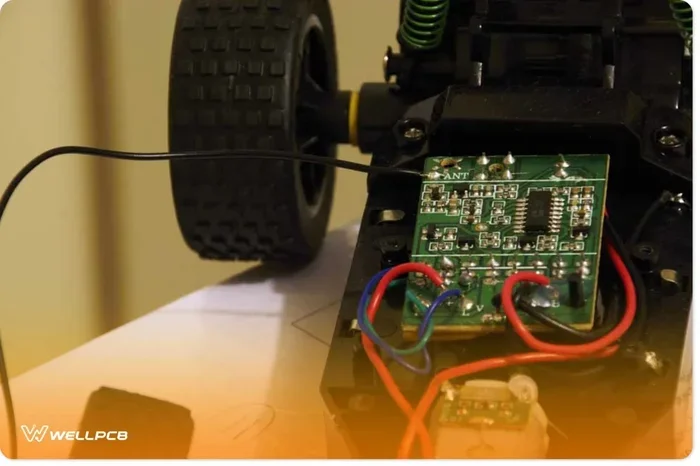
Remote Control Car Circuit Guide for Beginners and Hobbyists
This guide breaks down everything you need to know about a remote control car circuit, from basic parts to building your own setup. You will learn how each component works, common problems, and simple fixes. Whether you are a total beginner or a seasoned hobbyist, this guide has practical tips you can use right away.
If you have ever held a remote control car in your hands and wondered how it actually moves, you are in the right place. The remote control car circuit is the brain and nervous system of every RC vehicle. It controls speed, direction, and responsiveness. Without a working circuit, your RC car is just a fancy piece of plastic.
Whether you are picking up an RC car for the first time or you have been tinkering for years, understanding the circuit opens up a whole new world. You will be able to fix problems faster. You will make better upgrades. And you will truly appreciate the engineering behind every turn and jump. This guide walks you through everything step by step.
We will cover the basic components, how to build a simple circuit, common issues, and expert tips to level up your hobby. No prior electronics experience is needed. Just bring your curiosity and a willingness to learn.
Key Takeaways
- Understand the core parts: A remote control car circuit relies on a transmitter, receiver, motor controller, and battery pack to function.
- Start simple: Beginner-friendly kits make it easy to learn without advanced soldering or wiring skills.
- Troubleshoot smart: Most RC car circuit problems come from loose wiring, dead batteries, or signal interference.
- Upgrade gradually: Swap out parts like the ESC or servo motor to improve speed and control over time.
- Maintain regularly: Clean connections, check wires, and store your RC car properly to extend circuit life.
- Safety matters: Always handle batteries and soldering tools with care to avoid damage or injury.
📑 Table of Contents
Understanding the Basics of a Remote Control Car Circuit
At its core, a remote control car circuit is a closed loop that sends and receives electrical signals. Think of it like a simple conversation between two devices. Your transmitter sends a signal. The receiver picks it up. The circuit then tells the motor and servo what to do.
The beauty of these circuits is their simplicity. Most RC car electronics follow the same basic design. Once you understand the flow of signals, everything else clicks into place. Let us break it down into easy pieces.
How Signals Travel in an RC Car
When you move the joystick on your controller, you are sending a radio signal. That signal travels through the air to the antenna on your car. The receiver module catches the signal and passes it to the circuit board. From there, the board tells the motor how fast to spin and the servo which direction to turn.
This entire process happens in milliseconds. You move the stick. The car responds. It feels instant because the circuit board is designed for speed. The whole loop — transmitter to receiver to motor — is what makes remote control feel so smooth and natural.
The Role of the Circuit Board
The circuit board is the heart of your RC car. It is a flat piece of material with tiny pathways etched into it. These pathways carry electricity from one component to the next. Every part of the remote control car circuit connects to this board in some way.
Some circuit boards are simple. Others are complex, especially in high-end racing cars. But no matter the size, they all do the same job. They route signals and power to the right places at the right time. Understanding this helps you troubleshoot faster and make smarter upgrades.
Key Components of an RC Car Circuit
Every remote control car circuit has a set of essential parts. Each one plays a specific role. If even one part fails, the whole system can stop working. Let us go through each component so you know exactly what to look for.
Transmitter and Receiver
The transmitter is the controller you hold in your hands. It sends radio signals to the car. The receiver is the small module inside the car that picks up those signals. They work as a pair, and they must be on the same frequency to communicate.
Most modern RC cars use a 2.4 GHz system. This frequency is reliable and reduces interference from other devices. When shopping for RC car parts, always make sure your transmitter and receiver are compatible.
Electronic Speed Controller (ESC)
The ESC is the bridge between the receiver and the motor. It takes the signal from the receiver and converts it into power the motor can use. Without an ESC, the motor would not know when to speed up or slow down.
Think of the ESC as the traffic cop of your remote control car circuit. It controls the flow of electricity with precision. For beginners, a basic ESC works perfectly. As you advance, you might upgrade to a programmable ESC with more features.
Servo Motor
The servo motor controls the steering. When you turn the joystick left or right, the servo moves the front wheels. Servos come in different sizes and speeds. A standard servo works great for casual driving. A high-torque servo gives you sharper turns and better control.
The servo connects directly to the receiver through the wiring harness. It is one of the simplest components to replace. If your car pulls to one side or does not steer at all, the servo is often the first thing to check.
Battery Pack
The battery pack powers everything in the circuit. Most RC cars use rechargeable lithium polymer (LiPo) batteries. These batteries are lightweight and deliver strong, consistent power. However, they need careful handling to stay safe.
Always charge your battery pack with the correct charger. Never overcharge or leave batteries unattended while charging. A healthy battery keeps your RC car electronics running smoothly and prevents unexpected shutdowns mid-drive.
Motor
The motor is what makes the wheels turn. There are two main types: brushed and brushless. Brushed motors are affordable and great for beginners. Brushless motors are faster, more efficient, and last longer. They cost more but are worth the upgrade if you enjoy racing.
Your motor connects to the ESC, which connects to the battery. This chain of power is what brings your remote control vehicle to life. Understanding how each link in the chain works helps you diagnose problems quickly.
How to Build Your First Remote Control Car Circuit
Building a remote control car circuit from scratch sounds intimidating. But with the right kit and a little patience, it is very doable. Many beginners start with a plug-and-play kit that includes all the major components.
Here is a simple step-by-step approach to get your first circuit up and running.
Step 1: Gather Your Components
You will need a transmitter, receiver, ESC, motor, servo, battery pack, and a chassis. Most starter kits include all of these. Check that each part is compatible before you begin. Matching voltage ratings and connector types saves a lot of frustration later.
Step 2: Mount the Circuit Board
Secure the receiver and ESC to the chassis using small screws or double-sided tape. Keep the board away from moving parts. A stable mounting spot prevents loose connections and vibration damage. Use zip ties to bundle wires neatly.
Step 3: Connect the Wiring
Follow the wiring diagram that comes with your kit. Connect the ESC to the motor first. Then link the servo to the receiver. Finally, plug the battery into the ESC. Double-check every connection before you power on.
Soldering may be required for some connections. If you are new to soldering, practice on scrap wire first. A clean solder joint ensures a strong, reliable connection in your RC car circuit board.
Step 4: Test and Calibrate
Power on the transmitter first, then the car. Move the sticks gently and watch for responses. The wheels should turn smoothly and the motor should hum without jerking. If anything feels off, check your wiring and recalibrate the ESC.
Quick Tips for First-Time Builders
- Work on a clean, flat surface with good lighting.
- Keep a small flashlight handy to inspect tight spaces.
- Label your wires before connecting them.
- Take photos at each step so you can reverse the process if needed.
- Never power on a circuit without checking all connections first.
Common RC Car Circuit Problems and Solutions
Even experienced hobbyists run into issues with their remote control car circuit from time to time. The good news is that most problems have simple fixes. Learning to diagnose issues early saves time and money.
No Power at All
If your car does not turn on, start with the battery. A dead or poorly connected battery is the most common cause. Check that the battery is fully charged and seated correctly in the connector. Also inspect the power switch and any fuse in the circuit.
If the battery is fine, look at the wiring between the battery and ESC. A loose wire or corroded connector can break the entire power supply. Clean connectors with a dry cloth or a small amount of electrical contact cleaner.
Intermittent Signal or Jerky Movements
Signal problems often come from interference. Other electronic devices, Wi-Fi routers, or even nearby RC cars can disrupt the frequency. Move away from potential sources of interference and try again.
Jerky steering or unpredictable motor behavior may point to a loose wire in the wiring harness. Gently wiggle each connection while the car is on (with the wheels off the ground). If you see a reaction, you have found your problem spot.
Motor Spins but Car Does Not Move
This issue usually means the wheels or drivetrain are jammed. Check for debris stuck in the gears or tires. Also verify that the motor is properly connected to the ESC. A motor that spins freely in the air but struggles under load may need a stronger ESC or a fresh battery.
Overheating Components
If any part of your RC car electronics feels hot to the touch, stop immediately. Overheating can damage the ESC, motor, or battery. Common causes include overloading the circuit, using mismatched parts, or running the car for too long without a break.
Let the components cool down completely before investigating. Check that your battery voltage matches the ESC and motor ratings. Using parts with incompatible voltage levels is a leading cause of overheating.
Common Mistakes to Avoid
- Skipping the calibration step after assembly.
- Using a charger that does not match your battery type.
- Forcing connectors that do not fit together.
- Ignoring small sparks or unusual smells during testing.
- Storing the car in damp or extremely hot environments.
Upgrading and Maintaining Your RC Car Circuit
Once you understand your remote control car circuit, you can start making upgrades. Small changes can dramatically improve speed, control, and durability. Maintenance keeps everything running smoothly for the long haul.
Easy Upgrades for Better Performance
The first upgrade most hobbyists make is switching to a brushless motor. It is faster, cooler-running, and more efficient. Next, consider a programmable ESC. This lets you fine-tune acceleration, braking, and response curves to match your driving style.
Upgrading the servo motor is another simple way to improve handling. A high-quality servo gives you precise steering with minimal lag. For longer run times, invest in a higher-capacity battery pack that fits your chassis.
Routine Maintenance Checklist
Keeping your RC car in top shape does not take much time. A quick check before and after each session goes a long way.
- Inspect all wires for fraying or loose connections.
- Clean the circuit board with compressed air to remove dust and debris.
- Check the battery for swelling, damage, or reduced charge life.
- Lubricate gears and moving parts with RC-safe oil.
- Tighten any loose screws on the chassis and components.
- Test the transmitter and receiver range in an open area.
Storing Your RC Car Properly
Proper storage protects your RC car circuit board and extends the life of every component. Store the car in a cool, dry place away from direct sunlight. Remove the battery before storing it for more than a few days.
LiPo batteries should be stored at around 50% charge if not in use for an extended period. This prevents cell damage and reduces the risk of swelling. A simple storage case keeps dust off the electronics and prevents accidental damage.
Expert Insights on Circuit Longevity
Experienced hobbyists know that prevention is better than repair. Regularly inspecting solder joints and connections catches small issues before they become big problems. Using heat shrink tubing on exposed wires adds a layer of protection against shorts and moisture.
Another pro tip is to keep a spare wiring harness and a basic tool kit on hand. When something breaks, you want to fix it quickly so you can get back to driving. A little preparation goes a long way in the hobby.
Safety Tips for Working with RC Car Circuits
Working with electronics and batteries requires care and respect. Safety should always come first, especially when you are learning the ropes. A few simple habits keep you and your equipment safe.
Always charge batteries in a fire-safe area. Use a LiPo-safe charging bag if possible. Never leave charging batteries unattended. If a battery starts to swell or leak, stop using it immediately and dispose of it properly.
When soldering, work in a well-ventilated area. Use a soldering stand to hold the iron safely when not in use. Keep a damp sponge nearby to clean the tip and prevent burns. Supervise younger hobbyists closely during any electronics work.
Finally, read the manual for every component you buy. Each remote control car circuit part has specific voltage limits, handling instructions, and warranty details. Following these guidelines keeps your gear working and keeps you safe.
Conclusion
The remote control car circuit is the foundation of every great RC car experience. From the transmitter in your hands to the motor spinning the wheels, each component plays a vital role. Understanding how it all works empowers you to build, fix, and upgrade with confidence.
Whether you are just starting out or looking to deepen your knowledge, this guide gives you the tools to succeed. Start with the basics. Practice troubleshooting. Make upgrades gradually. And most importantly, have fun with it. The hobby electronics world is full of creative possibilities, and your RC car circuit is the gateway.
Now that you know the ins and outs of remote control car repair and maintenance, it is time to put your knowledge into action. Grab your tools, fire up your circuit, and hit the track. Happy driving!
Frequently Asked Questions
What is a remote control car circuit made of?
A typical circuit includes a transmitter, receiver, electronic speed controller, servo motor, battery pack, and the circuit board itself. Each part connects through a wiring harness to create a complete loop that powers and controls the vehicle.
How do I know if my RC car circuit board is damaged?
Signs of a damaged circuit board include no power, intermittent signals, burnt smells, or visible scorch marks. Inspect the board carefully for cracked traces or loose solder joints. If the board appears physically damaged, it is usually best to replace it.
Can I build a remote control car circuit from scratch?
Yes, many hobbyists build custom circuits using individual components. Starter kits make this process easier by providing compatible parts and clear wiring diagrams. As you gain experience, you can design fully custom setups tailored to your driving style.
What is the best battery for an RC car circuit?
Lithium polymer (LiPo) batteries are the most popular choice for modern RC cars. They offer a great balance of power, weight, and runtime. Always match the battery voltage and connector type to your ESC and motor specifications.
How often should I maintain my RC car circuit?
A quick inspection before and after each driving session is ideal. A deeper maintenance check, including cleaning the circuit board and inspecting all connections, should be done every few weeks or after intense use sessions.
Why does my RC car lose signal during driving?
Signal loss is often caused by interference from other electronic devices, low battery voltage, or a damaged antenna. Moving to an open area away from Wi-Fi routers and other RC cars usually fixes the problem. If it persists, check the receiver and antenna connections on your car.
=== CONCLUSION ===
The remote control car circuit is what brings your RC car to life. Every signal, every spark, and every turn starts with this remarkable system of connected components. You have learned the key parts, how to build a basic circuit, how to troubleshoot common issues, and how to keep everything running smoothly.
Use this knowledge to get more out of your hobby. Try new upgrades. Tackle repairs with confidence. Share what you learn with fellow hobbyists. The world of RC car electronics is vast and rewarding, and your journey starts right here with understanding the circuit under the hood.