Automatic Car Not Starting Here Are the Fixes You Need
An automatic car not starting is a frustrating problem with several common causes, from dead batteries and faulty starter motors to fuel system issues and bad ignition switches. This guide walks you through every likely reason your car won’t start, with clear fixes you can try at home and signs that mean it’s time to see a mechanic. You will learn how to diagnose the problem quickly and save money on costly repairs.
There are few moments more frustrating than turning the key or pressing the start button and hearing nothing. Your automatic car not starting can ruin your morning, delay your plans, and leave you feeling helpless. But here is the good news: most of the time, the problem is something simple and fixable. Whether you are dealing with a dead battery, a bad starter, or a fuel system issue, this guide covers every common cause and walks you through the fix step by step.
We have put together everything you need to know about why your automatic transmission vehicle refuses to turn over. You will learn how to diagnose the issue yourself, what tools you need, and when it is smart to call a professional. Let us get your car back on the road.
Key Takeaways
- Dead battery is the number one reason an automatic car not starting happens, and a jump start often solves it in minutes.
- Faulty starter motor or solenoid causes a clicking noise when you turn the key and needs replacement or repair.
- Fuel pump failure prevents gas from reaching the engine, leading to a car that cranks but won’t fire up.
- Neutral safety switch and ignition switch problems are common and often overlooked causes of no-start conditions.
- Key fob battery death can prevent push-start vehicles from recognizing the key, a surprisingly frequent issue.
- Regular maintenance like battery checks and fuel filter replacements can prevent most automatic car not starting situations.
- Knowing when to call a mechanic saves you time, money, and the risk of making the problem worse.
📑 Table of Contents
- Why Your Automatic Car Won’t Start
- Dead Battery and Electrical Issues
- Starter Motor and Solenoid Problems
- Fuel System Troubleshooting
- Ignition Switch and Sensor Failures
- Transmission and Safety Switch Issues
- Quick Fixes and Common Mistakes to Avoid
- When to Call a Professional
- Preventing Future Starting Problems
- Final Thoughts
Why Your Automatic Car Won’t Start
Before you start checking things under the hood, it helps to understand how your car starts. When you turn the key or push the start button, a chain of events happens very quickly. The battery sends power to the starter motor. The starter motor turns the engine over. The fuel pump pushes gas to the engine. The spark plugs ignite the fuel. If any part of this chain fails, your automatic car not starting becomes a real problem.
Here are the main systems involved in starting your car:
- Electrical system — battery, alternator, wiring, and fuses
- Starter system — starter motor, solenoid, and connections
- Fuel system — fuel pump, fuel filter, fuel injectors
- Ignition system — ignition switch, spark plugs, and sensors
- Safety systems — neutral safety switch, immobilizer, and key fob
When your automatic car not starting happens, one of these systems is to blame. The trick is figuring out which one. The good news is that your car gives you clues. Sounds, lights, and warning signs all point you toward the right diagnosis.
Common Symptoms to Watch For
Pay attention to what happens (or does not happen) when you try to start your car. These symptoms tell you a lot about the cause:
- No sound at all — This usually points to a dead battery or a broken ignition switch.
- Single click or rapid clicking — This often means a weak battery or a failing starter motor.
- Engine cranks but won’t start — This suggests a fuel delivery problem or spark issue.
- Dashboard lights flicker — This is a classic sign of a battery or charging system problem.
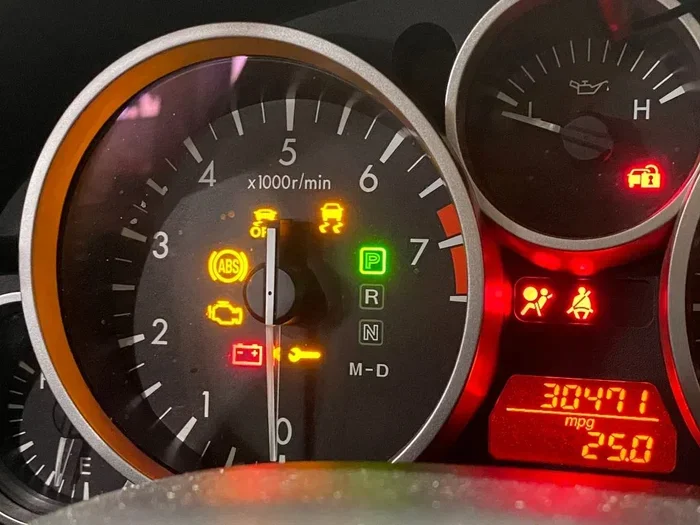
- Warning lights stay on — The check engine light or security light can point to sensor or immobilizer issues.
Understanding these symptoms helps you narrow down the cause fast. Instead of guessing, you can focus your attention on the right area and save time.
Dead Battery and Electrical Issues
The most common reason for an automatic car not starting is a dead or weak battery. Your battery powers everything electrical in the car, including the starter motor. When the battery loses its charge, nothing happens when you turn the key.
What Causes a Car Battery to Die
Batteries do not just die out of nowhere. There is usually a reason. Here are the most common culprits:
- Leaving lights or accessories on — Headlights, interior lights, or phone chargers left running drain the battery overnight.
- Old age — Most car batteries last three to five years. An older battery simply cannot hold a charge anymore.
- Extreme temperatures — Both very hot and very cold weather reduce battery performance and shorten its lifespan.
- Parasitic drain — A faulty relay, stuck light, or bad module can slowly drain your battery even when the car is off.
- Short trips — Frequent short drives do not give the alternator enough time to fully recharge the battery.
How to Fix a Dead Battery
If you suspect a dead battery, try these steps in order:
Step 1: Turn off all accessories and lights. Turn the key to the on position and wait ten seconds before trying to start. This gives the electrical system a moment to reset.
Step 2: Try a jump start. Use jumper cables and another vehicle or a portable jump starter. Connect the cables in the correct order: positive to positive, negative to a metal ground on the dead car. Start the working car first, then try starting yours.
Step 3: If the jump start works, let your car run for at least twenty minutes to recharge the battery. Then drive it for a while to build up a full charge.
Step 4: If the jump start does not work, the battery may be completely dead or damaged. Use a multimeter to check the voltage. A healthy battery reads 12.6 volts or higher. Anything below 12.0 volts usually means the battery needs replacement.
When to Replace Your Battery
If your battery is more than three years old and you are dealing with frequent no-crank no-start situations, it is time for a new one. Look for signs like slow cranking, dim headlights, and a bloated battery case. A professional can test your battery for free at most auto parts stores.
Starter Motor and Solenoid Problems
The starter motor is the electric motor that cranks your engine. It gets its power from the battery and is triggered by the ignition switch. When you turn the key, the solenoid pushes the starter gear into the engine flywheel and the motor starts spinning. If any part of this system fails, you get an automatic car not starting situation.
Signs of a Failing Starter Motor
Starter motor problems come with very recognizable signs:
- Single loud click when you turn the key — This usually means the solenoid is engaging but the motor is not turning.
- Rapid clicking sound — This means the battery has enough power to engage the solenoid but not enough to turn the motor.
- No sound at all — The starter motor or solenoid may be completely dead.
- Grinding noise — This suggests the starter gear is worn and not meshing properly with the flywheel.
- Starter stays on after starting — A bad solenoid can cause the starter to keep engaging even after the engine starts.
How to Diagnose Starter Issues
You can do a few simple checks before replacing the starter motor:
- Check the battery voltage — A weak battery often mimics starter problems. Make sure your battery is healthy first.
- Tap the starter gently — Sometimes the starter motor gets stuck. A light tap with a wrench can free it up temporarily.
- Check the connections — Loose or corroded battery terminals and starter wiring can prevent the starter from getting power.
- Test the solenoid — Use a multimeter to check for voltage at the solenoid connector when you turn the key.
If these checks do not solve the problem, the starter motor likely needs replacement. This is a job best left to a mechanic unless you have solid mechanical experience. The cost typically ranges from $300 to $500 for parts and labor.
Fuel System Troubleshooting
Your engine needs fuel to run. If the fuel system fails, your automatic car not starting will happen even though the battery and starter are working perfectly. The engine will crank normally but refuse to fire up.
Fuel Pump Failure
The fuel pump pushes gasoline from the tank to the engine. When it fails, fuel never reaches the combustion chamber. A failing fuel pump often gives warning signs before it completely dies:
- Squealing or whining noise from the fuel tank area
- Stalling at high speeds or under heavy load
- Loss of power when accelerating
- Car refuses to start after sitting for a while
To test the fuel pump, turn the key to the on position (do not start) and listen for a brief humming sound from the back of the car. This sound means the fuel pump is priming. If you hear nothing, the pump may be dead.
Fuel Filter and Injector Issues
A clogged fuel filter restricts fuel flow to the engine. Most manufacturers recommend replacing the fuel filter every 30,000 to 60,000 miles. If your filter is old and dirty, replacing it is a cheap and easy fix.
Dirty fuel injectors can also cause starting problems. They may not spray fuel properly, leading to a lean fuel mixture that is hard to ignite. Fuel injector cleaner added to your gas tank can help with minor buildup.
Ignition Switch and Sensor Failures
The ignition switch is the electrical component that activates your car’s systems when you turn the key. It sends power to the starter motor, the fuel pump, and the ignition system. When the ignition switch goes bad, your automatic car not starting becomes a recurring issue.
Signs of a Bad Ignition Switch
- Key will not turn in the ignition cylinder
- Accessories work but engine won’t crank
- Intermittent starting — the car starts sometimes but not always
- Stalling while driving — the engine cuts out unexpectedly
- No response when turning the key — completely dead
Sensor Problems That Prevent Starting
Modern cars rely on many sensors to start properly. When one of these sensors fails, the engine may crank but not start. Here are the most common culprits:
- Crankshaft position sensor — This sensor tells the computer where the crankshaft is positioned. Without this information, the engine cannot fire.
- Camshaft position sensor — Similar to the crankshaft sensor, it helps the computer time the fuel injection and spark.
- Mass airflow sensor — A dirty or failed MAF sensor can prevent the engine from getting the right air-fuel mixture.
- Throttle position sensor — This sensor monitors the throttle valve position and helps the computer adjust fuel delivery.
If you suspect a sensor issue, check for the check engine light. A diagnostic scan tool can read the error codes and point you toward the faulty sensor. Many auto parts stores offer free code reading services.
Transmission and Safety Switch Issues
Automatic cars have safety features that prevent the engine from starting in certain conditions. These are designed to protect you, but they can also cause frustrating no-start situations.
Neutral Safety Switch
The neutral safety switch (also called the transmission range switch) prevents the car from starting unless the transmission is in Park or Neutral. If this switch fails or gets misaligned, your automatic car not starting will happen even when the transmission is in the correct position.
Signs of a bad neutral safety switch include:
- The car starts in Neutral but not in Park
- The car starts in Park but not in Neutral
- The car will not start in either position
- The reverse lights do not work
You can try adjusting the switch yourself in many cases. Simply shift the transmission between Park and Neutral a few times and try starting again. If that does not work, the switch may need replacement. This is a relatively inexpensive repair.
Key Fob and Immobilizer Problems
If you drive a push-start vehicle, the key fob battery matters more than you might think. A dead key fob battery can prevent the car from recognizing the key, which means the immobilizer system blocks the engine from starting.
Here is what to do if your push-start car will not start:
- Replace the key fob battery — Most use a standard CR2032 battery. Replacement takes about two minutes.
- Hold the fob against the start button — Many cars have a backup antenna that reads the fob when placed close to the button.
- Check for a dead key fob — Some systems let you use a physical backup key if the fob battery is dead.
- Reset the immobilizer — Try turning the key to the on position and waiting 30 seconds before starting.
Quick Fixes and Common Mistakes to Avoid
When your automatic car not starting catches you off guard, there are a few quick fixes that can get you going again. But there are also common mistakes that make the problem worse. Here is what to do and what to avoid.
Quick Fixes You Can Try Right Now
- Try the spare key — A worn or damaged key can fail to turn the ignition properly. The spare key might work perfectly.
- Shift between Park and Neutral — This can reset the neutral safety switch and solve the problem instantly.
- Turn the steering wheel back and forth — Sometimes the steering lock jams the ignition. Wiggling the wheel while turning the key can release it.
- Check all fuses — A blown fuse in the starter circuit can prevent starting. Check the fuse box and replace any blown fuses.
- Clean the battery terminals — Corrosion on the terminals blocks electrical flow. A quick cleaning with a wire brush can restore the connection.
Common Mistakes That Make Things Worse
- Repeatedly trying to start the car — Cranking the engine for long periods overheats the starter and drains the battery further.
- Ignoring warning signs — Slow cranking, dim lights, and strange noises are your car asking for help. Address them early.
- Using the wrong battery — Not all batteries fit all cars. A mismatched battery can cause electrical problems.
- Adding the wrong fuel — Putting diesel in a gasoline engine or vice versa causes serious starting problems and engine damage.
- DIY repairs beyond your skill level — Some fixes require professional tools and expertise. Know your limits.
When to Call a Professional
Not every starting problem is a DIY fix. Some issues require the expertise of a trained mechanic. Here are the situations where you should stop trying to fix it yourself and call for help:
- You smell burning — A burning smell under the hood could indicate an electrical short or overheating component.
- You see smoke or steam — This is a clear sign of a serious problem that needs immediate attention.
- The car starts but runs rough — Persistent rough running after starting suggests deeper engine or sensor issues.
- Multiple systems are failing — If your lights, power windows, and radio all stop working at once, you may have a major electrical fault.
- You have tried the basic fixes and the car still will not start after multiple attempts.
A professional mechanic can run a full diagnostic on your vehicle and pinpoint the exact cause. Many shops offer free or low-cost diagnostics. Getting a proper diagnosis saves you money in the long run by preventing unnecessary part replacements.
Preventing Future Starting Problems
The best way to deal with an automatic car not starting is to prevent it from happening in the first place. Regular maintenance keeps all your starting systems healthy and reliable.
Simple Maintenance Habits
- Test your battery every six months — Most auto parts stores do this for free.
- Replace your battery every three to five years — Do not wait for it to die completely.
- Keep your fuel tank above a quarter full — This protects the fuel pump from overheating.
- Replace the fuel filter on schedule — Check your owner’s manual for the recommended interval.
- Change spark plugs as recommended — Worn spark plugs cause hard starting and rough idling.
- Check your key fob battery annually — A fresh battery prevents push-start failures.
- Listen to your car — Any new sound, smell, or behavior change deserves attention before it becomes a bigger problem.
Taking these simple steps dramatically reduces your chances of dealing with an unexpected automatic car not starting situation. A little prevention goes a long way toward keeping your car reliable and your stress levels low.
Final Thoughts
An automatic car not starting is never fun, but it is almost never the end of the road. Most of the time, the cause is something straightforward that you can fix yourself with basic tools and a little patience. Whether it is a dead battery, a bad starter, a fuel pump issue, or a simple safety switch problem, the fix is usually within reach.
Use the symptoms and diagnostic steps in this guide to narrow down the cause. Start with the simplest and most common fixes first. If the problem persists, do not hesitate to call a professional mechanic. The goal is to get you back on the road safely and quickly.
Keep this guide bookmarked for the next time your car gives you trouble. And remember — regular maintenance is your best defense against starting problems. Take care of your car, and it will take care of you.
Frequently Asked Questions
Why does my automatic car not starting in the morning but works fine later?
This is often a sign of a weak battery. Cold temperatures reduce battery performance, making it harder to start the car. If the battery is old or worn, it may work fine once it warms up but struggle in the cold. Consider having the battery tested and replaced if it is more than three years old.
Can a bad alternator cause my automatic car not starting?
Yes. The alternator charges the battery while the engine runs. If the alternator fails, the battery slowly loses its charge and eventually cannot provide enough power to start the car. If you notice dimming lights or a battery warning light, have the alternator checked right away.
How do I know if my starter motor needs replacement?
Listen for a single loud click or rapid clicking when you turn the key. If the battery is healthy but the engine does not crank, the starter motor is likely the problem. A mechanic can test the starter with a multimeter to confirm before replacing it.
What should I do if my automatic car not starting happens on the highway?
Stay calm and pull over to a safe location. Turn on your hazard lights. Try shifting to Neutral and attempting to restart. If that does not work, call roadside assistance. Keep a portable jump starter in your trunk to handle this situation on your own.
How much does it cost to fix an automatic car not starting issue?
The cost depends on the cause. A jump start or battery replacement costs $50 to $200. A starter motor repair runs $300 to $500. Fuel pump replacement can range from $400 to $800. Ignition switch repairs typically cost $150 to $300. Always get a quote before authorizing repairs.
Is it safe to drive with starting problems if the car starts sometimes?
No. Intermittent starting problems can leave you stranded at any time. The underlying issue will likely get worse over time. Have the car inspected by a mechanic as soon as possible to avoid being stuck in an unsafe location.