What Is the Maintenance on a Hybrid Vehicle Really
Hybrid vehicle maintenance is simpler and cheaper than most people think. You will still need routine oil changes, tire rotations, and brake checks, but regenerative braking cuts wear significantly. Understanding your hybrid maintenance schedule helps you avoid costly surprises and keeps your car running smoothly for years.
So you just bought a hybrid. Or maybe you are thinking about it. Either way, you probably have one big question: what kind of maintenance does a hybrid vehicle actually need? The good news is that owning a hybrid is often easier on your wallet than owning a traditional gas car. But that does not mean you can skip service altogether.
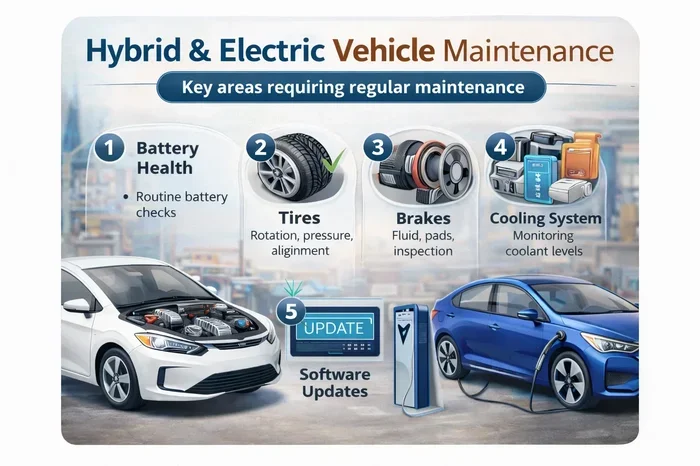
Hybrid maintenance covers a lot of ground. You still need to change your engine oil, rotate your tires, and check your brakes. But you also have a whole electric motor and a hybrid battery that need attention. The great part is that many of these systems require less frequent service than you might expect.
In this guide, we break down everything you need to know about maintaining your hybrid vehicle. We will cover the hybrid maintenance schedule, common costs, and simple tips that save you money over time. By the end, you will feel confident about keeping your hybrid in top shape for years to come.
Key Takeaways
- Lower Brake Wear: Regenerative braking reduces the need for frequent brake pad replacements.
- Battery Longevity: Most hybrid batteries last 8 to 10 years with proper care.
- Fewer Fluids: Hybrids need less transmission fluid and no clutch maintenance.
- Cost Savings: Overall hybrid maintenance costs run 20 to 35 percent lower than gas-only vehicles.
- Stay on Schedule: Following a regular maintenance interval keeps your warranty intact and your car reliable.
- Know When to Seek Help: Hybrid-specific systems like the electric motor need a trained technician.
📑 Table of Contents
- What Makes Hybrid Vehicle Maintenance Different
- Your Hybrid Maintenance Schedule
- How Much Does Hybrid Maintenance Cost
- Common Hybrid Maintenance Mistakes to Avoid
- Hybrid Vehicle Longevity: How Long Do Hybrids Last
- Quick Tips for Hybrid Owners
- When to Seek Professional Hybrid Service
- Final Thoughts on Hybrid Vehicle Maintenance
What Makes Hybrid Vehicle Maintenance Different
Hybrid cars combine a gas engine with an electric motor. This setup changes how certain parts wear out. For example, your brakes last longer because the electric motor handles a lot of the slowing down. This process is called regenerative braking, and it is a game changer for your maintenance routine.
The Electric Motor and Battery System
Your hybrid battery pack is the heart of the system. It stores energy and powers the electric motor. Most hybrid batteries are designed to last between eight and ten years. Some even go longer with proper care. The key is keeping the battery at the right charge level and avoiding extreme temperatures whenever possible.
Unlike a gas-only car, your hybrid also has an electric motor that needs very little maintenance. There are no spark plugs to replace and no clutch to worry about. This alone cuts down on the number of service visits you need each year.
One thing to keep in mind: if your hybrid battery dies, you might wonder whether you can still drive the car. The answer depends on your specific model. In many cases, you can still operate the vehicle on the gas engine alone, but you will lose the fuel efficiency benefits. To learn more about this, check out our guide on Can You Drive A Hybrid Without The Hybrid Battery. It covers what to expect and what your options are.
Regenerative Braking: Your Brake System’s Best Friend
Here is one of the biggest perks of owning a hybrid. Regenerative braking captures energy when you slow down and sends it back to the battery. Because your brake pads do less work, they last much longer. Many hybrid owners go 80,000 to 100,000 miles before needing a brake pad replacement. That is double or even triple what a gas-only car might need.
You should still get your brakes inspected regularly. Other parts like brake fluid and rotors still need attention on a normal schedule. But overall, your brake maintenance costs will be noticeably lower.
Your Hybrid Maintenance Schedule
Every hybrid comes with a recommended maintenance schedule from the manufacturer. Following this schedule keeps your warranty valid and your car running safely. Let us walk through what a typical hybrid maintenance timeline looks like.
Every 5,000 to 7,500 Miles
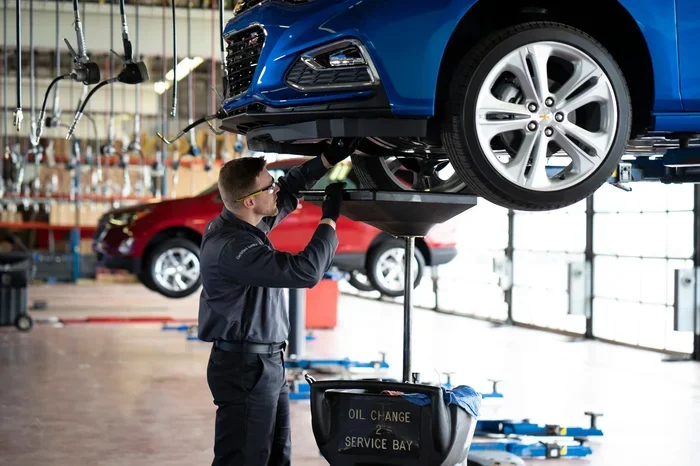
- Oil change: Your gas engine still needs fresh oil. Use the type recommended by your manufacturer.
- Tire rotation: Rotating your tires ensures even wear and extends their life.
- Visual inspection: Your technician will check brakes, fluids, and belts.
Every 15,000 to 30,000 Miles
- Air filter replacement: A clean air filter helps your engine run efficiently.
- Cabin filter check: This keeps your interior air clean and your AC working well.
- Brake fluid check: Brake fluid absorbs moisture over time and needs periodic replacement.
Every 60,000 to 100,000 Miles
- Transmission fluid: Hybrids use less transmission fluid, but it still needs changing.
- Coolant system flush: The cooling system works hard in a hybrid and needs regular attention.
- Battery health check: Your dealer or mechanic can test the hybrid battery capacity.
Sticking to this schedule is one of the best ways to keep your hybrid vehicle service costs low. Small problems caught early are always cheaper to fix.
How Much Does Hybrid Maintenance Cost
Cost is one of the biggest reasons people choose a hybrid. And the numbers back it up. On average, hybrid maintenance costs run about 20 to 35 percent lower than their gas-only counterparts over the life of the vehicle.
Breaking Down the Costs
Here is a quick look at common maintenance items and how they compare between hybrids and gas cars.
- Oil changes: Similar cost, but hybrids may need them less often since the electric motor handles some engine load.
- Brake pads: Hybrids last much longer, saving you $200 to $400 per replacement cycle.
- Battery replacement: This is the big-ticket item. A new hybrid battery can cost anywhere from $1,000 to $3,000. But most batteries last well beyond the warranty period.
- Tire maintenance: Hybrids are heavier due to the battery pack, so tires may wear slightly faster. Regular rotations help a lot.
If you are worried about battery replacement costs, there is good news. Many manufacturers offer strong hybrid warranties that cover the battery for eight years or 100,000 miles. And if your battery does start to fail, you may not need a full replacement. Sometimes the battery modules can be swapped individually, which costs much less.
For those wondering about what happens when a battery does fail, we have a helpful article on whether a dead hybrid battery can be brought back to life. You can read more in our piece on Can A Dead Hybrid Battery Be Recharged. It explores your options before you spend money on a full replacement.
Common Hybrid Maintenance Mistakes to Avoid
Even the best hybrid owner can make mistakes when it comes to upkeep. Here are some common errors that cause problems down the road.
Skipping Regular Oil Changes
Just because you have an electric motor does not mean your gas engine disappears. That engine still needs oil changes at the intervals recommended by the manufacturer. Skipping this step leads to engine wear and expensive repairs.
Ignoring the 12-Volt Battery
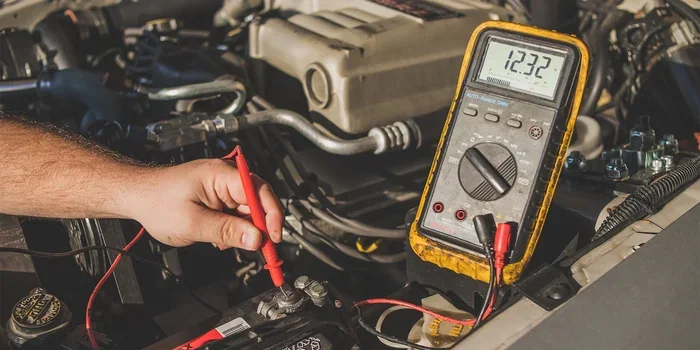
Hybrids have two batteries: the high-voltage hybrid pack and a standard 12-volt battery. The 12-volt battery powers your computer systems and accessories. If it dies, your car will not start. Check it during routine service and replace it when needed.
Not Finding a Qualified Technician
Hybrid systems involve high-voltage electricity. Not every mechanic is trained or equipped to work on them. Always take your hybrid to a certified technician or a dealer who specializes in hybrid vehicle service. This protects both you and your car.
Driving on Low Battery Charge
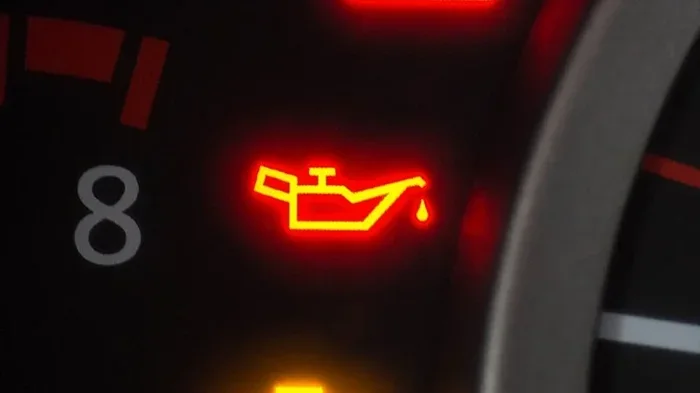
Running your hybrid with a consistently low battery charge can strain both the gas engine and the electric motor. Try to keep your battery in its normal operating range. If you notice your hybrid battery warning light, get it checked right away.
Some owners also wonder about jump-starting their hybrid. While it is possible in most cases, it requires a specific process. If you want to learn more about safely jump-starting a hybrid battery, we have a detailed guide available at Can You Jump Start A Hybrid Battery.
Hybrid Vehicle Longevity: How Long Do Hybrids Last
One of the biggest advantages of a hybrid is longevity. With proper maintenance, many hybrid vehicles easily surpass 200,000 miles. The hybrid battery and electric motor are built to last, and the reduced wear on brakes and the engine adds years to the car’s life.
Real-World Hybrid Longevity Examples
Toyota hybrids are known for their durability. Models like the Toyota Camry Hybrid and Toyota RAV4 Hybrid routinely hit the 200,000-mile mark with basic maintenance. The key factors that contribute to this longevity include:
- Less engine wear: The electric motor shares the workload, reducing strain on the gas engine.
- Fewer moving parts: The electric motor has far fewer parts that can break compared to a traditional drivetrain.
- Regenerative braking: Less friction means fewer brake replacements and less stress on the entire braking system.
- Smart thermal management: Modern hybrids are designed to keep their batteries at optimal temperatures.
If you are curious about how a specific Toyota hybrid model holds up over time, we also cover related topics like jump-starting capabilities and battery health for popular models. For instance, you might want to read about Can You Jump Start A Toyota Hybrid Car to understand more about emergency situations and battery reliability.
Quick Tips for Hybrid Owners
Want to get the most out of your hybrid with minimal effort? Here are some quick, actionable tips you can start using today.
- Monitor your battery health: Most hybrids display battery charge on the dashboard. Keep an eye on it during your daily drives.
- Use the right oil: Always use the manufacturer-recommended oil grade. Hybrid engines run differently than standard engines.
- Keep tires properly inflated: Underinflated tires reduce fuel efficiency and wear out faster. Check pressure monthly.
- Follow the maintenance schedule: Do not skip service intervals even if your car seems fine. Prevention is always cheaper than repair.
- Store your car properly: Extreme heat and cold can degrade your hybrid battery over time. Park in a garage when possible.
- Drive smoothly: Aggressive driving drains the battery faster and wears out brake pads sooner. Smooth driving saves everything.
When to Seek Professional Hybrid Service
While many maintenance tasks are straightforward, some hybrid-specific jobs need a professional touch. You should see a certified hybrid technician if you notice any of the following:
- The hybrid battery warning light comes on.
- Your fuel efficiency drops significantly without explanation.
- You hear unusual sounds from the electric motor or engine bay.
- The car fails to switch between electric and gas modes smoothly.
- Your 12-volt battery keeps dying even after replacement.
These signs could point to a serious issue with your hybrid system. Ignoring them can lead to bigger problems and higher repair bills. A qualified technician has the tools and training to diagnose hybrid-specific issues safely.
It is also worth noting that some hybrids can be jump-started to help start another car, but this requires caution and knowledge of the hybrid system. If you are curious about the specifics, our article on Can You Jump Start Another Car With A Camry Hybrid provides detailed guidance on this topic.
Final Thoughts on Hybrid Vehicle Maintenance
The truth about hybrid vehicle maintenance is that it is surprisingly manageable. You get the benefits of a simpler drivetrain, lower brake wear, and fewer fluid changes. Add in strong battery warranties and proven long-term reliability, and owning a hybrid becomes an easy choice for many drivers.
Stay on top of your maintenance schedule, find a qualified technician, and pay attention to your dashboard warnings. These simple habits will keep your hybrid running strong for hundreds of thousands of miles. The upfront cost of a hybrid is often offset by the savings you see on maintenance and fuel over time.
Whether you already own a hybrid or are just starting to look, understanding what maintenance really involves gives you confidence. You are not just buying a fuel-efficient car. You are investing in a vehicle that is designed to last with less hassle and lower costs.
Frequently Asked Questions
How often does a hybrid need maintenance?
Most hybrids follow a maintenance schedule similar to gas cars, with service every 5,000 to 7,500 miles. However, brake pads and other wear items often last longer thanks to regenerative braking. Always refer to your owner’s manual for the exact schedule for your model.
Is hybrid maintenance more expensive than regular car maintenance?
No, hybrid maintenance is generally 20 to 35 percent cheaper over the life of the vehicle. The electric motor reduces wear on brakes and the engine, and there are fewer parts that need replacing. The biggest potential cost is battery replacement, but most batteries last well beyond the warranty period.
How long does a hybrid battery last?
Most hybrid batteries last between eight and ten years, and many go well beyond that with proper care. Factors like driving habits, climate, and maintenance play a big role in battery longevity. If you notice a drop in fuel efficiency, it may be time to have your battery tested.
Can I do hybrid maintenance myself?
Basic tasks like checking tire pressure, adding windshield washer fluid, and inspecting visible components can be done at home. However, any work involving the high-voltage hybrid system should be left to a certified professional. Always prioritize safety when working around hybrid components.
What is regenerative braking and how does it reduce maintenance?
Regenerative braking captures kinetic energy when you slow down and converts it back into electrical energy stored in the battery. Because the electric motor handles much of the braking, your brake pads and rotors wear out far less quickly. This means fewer trips to the shop and lower brake maintenance costs over time.
What should I do if my hybrid battery warning light comes on?
Do not ignore the warning light. Pull over safely and turn off the engine if possible. Contact a certified hybrid technician as soon as you can. In many cases, the issue may be a minor sensor problem rather than a full battery failure, but getting it checked early prevents further damage.
=== CONCLUSION ===
Hybrid vehicle maintenance does not have to be complicated or expensive. With fewer brake replacements, less engine wear, and a simplified drivetrain, hybrids offer a maintenance experience that is easier on both your car and your wallet. Stick to your recommended service schedule, keep an eye on your battery health, and work with a qualified technician when needed. Your hybrid will reward you with reliable, efficient performance for many years to come.