What Happens If You Dont Replace Your Key Fob Battery
Ignoring your key fob battery can leave you stranded, locked out, or unable to start your car. A dying fob causes signal loss, reduced range, and unpredictable behavior. Replacing the battery is quick, cheap, and prevents major headaches down the road.
You press the button on your car key fob. Nothing happens. You press it again. Still nothing. Your heart sinks as you realize your key fob battery might be dead. This scenario happens to millions of car owners every year. And the question is always the same: what happens if you just ignore it?
The truth is, letting your key fob battery die can cause a chain of frustrating problems. From being locked out of your vehicle to dealing with a car that won’t start, a dead car key battery is more than a minor annoyance. In this guide, we’ll walk through exactly what happens, why it matters, and how to avoid the worst outcomes.
Whether you drive a Toyota, Honda, Ford, or any other modern vehicle, your key fob relies on a small battery to communicate with your car. When that battery weakens, the communication breaks down. Understanding this process helps you stay ahead of the problem. Let’s dive in.
Key Takeaways
- Signal loss happens first: Your fob range shrinks before it stops working entirely.
- You may get locked out: A dead battery means no keyless entry or push-button start.
- Replacement is easy and cheap: Most batteries cost under $5 and take seconds to swap.
- Some cars need a reset: After replacing the battery, certain models require reprogramming.
- Corrosion causes extra damage: Old batteries can leak and harm your fob’s internal circuitry.
- Dealerships and auto shops help: Many places replace key fob batteries for free or low cost.
- Prevention is simple: Replace your battery every 2-3 years to avoid surprises.
📑 Table of Contents
- How Your Key Fob Battery Works
- What Happens When Your Key Fob Battery Dies
- Warning Signs Your Key Fob Battery Is Dying
- How to Replace Your Key Fob Battery
- Can a Low Battery Key Fob Drain Your Car Battery?
- Common Mistakes People Make With Key Fob Batteries
- How Often Should You Replace Your Key Fob Battery?
- Quick Tips for Key Fob Battery Maintenance
- What If You Can’t Replace the Battery Yourself?
- Final Thoughts: Don’t Ignore Your Key Fob Battery
How Your Key Fob Battery Works
Your key fob is a small electronic device. It sends a coded signal to your car when you press a button. The car receives that signal and responds by unlocking doors, opening the trunk, or allowing you to start the engine. All of this happens wirelessly and in seconds.
But none of it works without power. The battery inside your fob sends out that signal. Most modern key fobs use a CR2032 battery. This is a small, round coin cell battery. It’s cheap and easy to find. But it doesn’t last forever.
On average, a key fob battery lasts about 3 to 4 years. However, usage matters a lot. If you press your fob buttons constantly, the battery drains faster. Cold weather also shortens battery life. So your actual replacement timeline may vary.
The Signal Weakens Gradually
Here’s something most people don’t realize. Your fob doesn’t just stop working one day. The signal gets weaker over time. You might notice you need to stand closer to your car for the fob to work. Or the buttons feel less responsive. This is your warning sign.
Catching these early signs gives you time to replace the battery before you’re stuck. Ignoring them leads to the problems we’ll cover below.
What Happens When Your Key Fob Battery Dies
So what actually goes wrong when your key fob battery dies? The effects range from mild inconvenience to total lockout. Here’s a breakdown of what you can expect.
Loss of Keyless Entry
The first thing you’ll notice is that your remote buttons stop working. You can’t unlock your car from a distance. You can’t pop the trunk with a press. This alone is annoying, especially in bad weather or when you’re carrying groceries.
Most cars still have a manual key hidden inside the fob. You can use that to unlock the door. But this backup only works for entry. It doesn’t help with starting the car if your vehicle uses push-button start.
Push-Button Start Won’t Work
If your car has a push-button start system, a dead fob battery means you can’t start the engine. The car can’t detect your fob inside the cabin. Even if the fob is on the console or in your pocket, the signal may be too weak.
Some cars have a backup start method. You might need to hold the fob directly against the start button. But this varies by make and model. Check your owner’s manual for your specific vehicle.
Reduced Range and Unreliable Performance
Before the battery dies completely, your fob range drops significantly. You might need to stand right next to the car for it to respond. This makes loading groceries, unlocking from a parking garage, or using remote start nearly impossible.
Many people also report that their fob works intermittently. It might work one moment and fail the next. This unpredictable behavior is one of the most frustrating signs of a low battery.
You Could Get Locked Out
The worst-case scenario? You get locked out of your car. This happens more often than you’d think. You walk away from your vehicle, the fob battery dies, and suddenly you’re standing outside with no way in.
Getting locked out means calling a locksmith or roadside assistance. Both cost money and time. A simple battery replacement would have prevented the whole situation.
Your Car Battery Could Be Affected Too
Here’s a less obvious risk. A low battery in your key fob can actually drain your car battery. When the fob constantly searches for a signal it can’t send, it draws power. Over time, this extra draw can weaken your car battery.
So a dead fob battery doesn’t just affect the fob. It can create a secondary problem with your vehicle’s electrical system. This is why timely replacement matters so much.
Warning Signs Your Key Fob Battery Is Dying
You don’t have to wait until your fob stops completely. There are clear warning signs that tell you the battery is running low. Catching these early saves you from the problems above.
Increased Distance to Unlock
You used to unlock your car from 30 feet away. Now you need to be within 5 feet. This is one of the earliest and most common signs of a weakening battery.
Intermittent Button Response
Sometimes the buttons work. Sometimes they don’t. If your fob behaves inconsistently, the battery is likely the culprit. This happens because the battery voltage drops below the threshold needed for reliable signal transmission.
Warning Light on the Dashboard
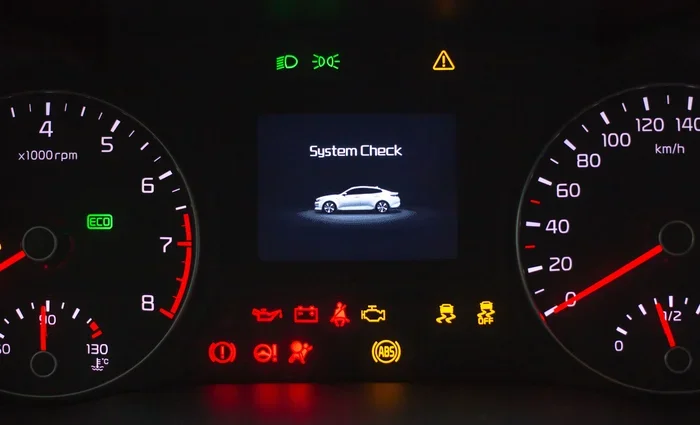
Some newer vehicles display a warning when the key fob battery is low. Check your dashboard for any battery or key fob icon. This feature is especially common in Toyota, Honda, and luxury brands.
Buttons Feel Less Responsive
The buttons on your fob might feel different. They could require more pressure or feel mushy. While this could also indicate physical wear, it often points to a dying battery.
How to Replace Your Key Fob Battery
The good news is replacing your key fob battery is incredibly easy. Most people can do it in under a minute. You don’t need special tools or technical skills. Here’s how it works.
Step-by-Step Replacement Process
- Find the battery type: Check your owner’s manual. Most fobs use a CR2032 battery. Some use CR2025 or SR44. Make sure you get the right one.
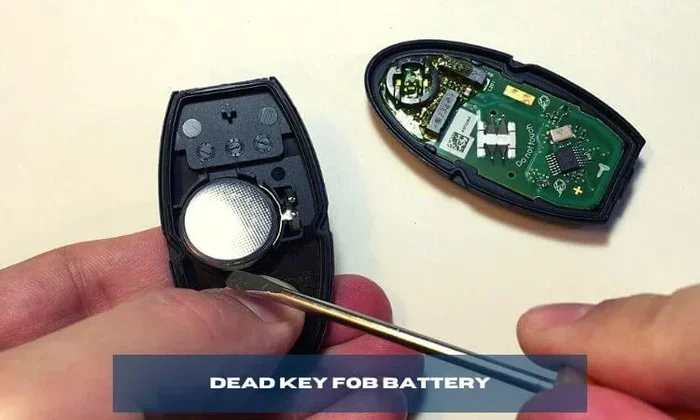
- Open the fob casing: Use a small flathead screwdriver or a coin to pry open the fob. Look for a seam along the edge. Insert the tool gently and twist.
- Remove the old battery: Note which side faces up. The positive side usually faces outward. Pry the old battery out carefully.
- Insert the new battery: Place the new battery in the same orientation as the old one. Push it firmly into place.
- Snap the fob shut: Align the two halves and press until they click. Test the buttons to confirm it works.
Do You Need to Reset After Replacement?
In most cases, replacing the battery is all you need to do. However, some vehicles require a reset or reprogramming step. If your fob still doesn’t work after a fresh battery, try holding the unlock button for several seconds. Or check if your car has a specific reset procedure.
For detailed guidance on what to do after swapping the battery, check out our article on what you need to do after replacing a key fob battery. It covers reset steps for popular vehicle models.
Where to Get a Replacement Battery
Replacement batteries are available everywhere. Drugstores, grocery stores, and auto parts shops carry CR2032 batteries. Online retailers offer bulk packs at great prices. A single battery typically costs between $1 and $5.
If you prefer not to DIY, many dealerships and auto shops can replace the battery for you. Some even do it for free. Visit our page on whether dealerships replace key fob batteries for free to learn which stores offer this service.
Can a Low Battery Key Fob Drain Your Car Battery?
This is a question many car owners ask. The short answer is yes. A low or dying key fob battery can contribute to car battery drain. Here’s why.
When your fob battery weakens, the fob increases its signal power to reach the car. This extra effort draws more energy from the fob’s internal circuit. But it also means the car’s receiver works harder to pick up the weak signal. The result is extra electrical load on both devices.
Over time, this constant strain can wear down your car battery. Especially if you leave the fob near the car overnight or in the ignition. The car keeps trying to communicate with the fob, and a weak battery makes that process less efficient.
To understand this issue more deeply, read our dedicated article on whether a low battery key fob can drain a car battery. It explains the science behind this common problem.
Common Mistakes People Make With Key Fob Batteries
Avoid these common errors that cause unnecessary problems with your key fob and car.
Waiting Until the Fob Stops Working
Many people wait until the fob is completely dead before replacing the battery. This is a mistake. By then, you might already be locked out or stranded. Replace the battery at the first sign of weakness.
Using the Wrong Battery Type
Not all batteries are the same. Using the wrong size or type can damage your fob. Always check your owner’s manual or the markings on the old battery before purchasing a replacement.
Touching the Battery Contacts with Metal Tools
When opening the fob, be careful with metal screwdrivers. They can short-circuit the battery contacts. This causes corrosion or even permanent damage to the fob’s circuit board.
Ignoring Corrosion
If you notice white or greenish buildup on the battery contacts, don’t just swap the battery. Clean the contacts with a cotton swab dipped in rubbing alcohol. Corrosion can persist and affect the new battery too.
Assuming All Key Fobs Are the Same
Different vehicles use different fob designs and battery types. A Toyota key fob might not use the same battery as a Ford or a BMW. Always verify before purchasing a replacement.
How Often Should You Replace Your Key Fob Battery?
Most manufacturers recommend replacing the battery every 2 to 4 years. But your usage patterns play a big role. If you use your fob daily, the battery may last closer to 2 years. If you rarely use the remote functions, it could last longer.
Cold climates also shorten battery life. If you live in a northern state with harsh winters, plan for more frequent replacements. The same goes for heavy usage scenarios like ride-sharing or delivery work.
A good rule of thumb is to test your fob range every few months. Stand a normal distance from your car and press the unlock button. If you notice the range shrinking, it’s time for a new battery. This proactive approach keeps you from getting caught off guard.
Quick Tips for Key Fob Battery Maintenance
- Keep a spare battery in your glove box: You never know when you’ll need it. A spare takes up almost no space.
- Avoid extreme temperatures: Don’t leave your fob in a hot car or freezing garage. Heat and cold both degrade batteries faster.
- Clean the contacts annually: A quick wipe with rubbing alcohol keeps the connection strong.
- Replace both fobs at the same time: If you have two key fobs, swap the batteries in both at once. This ensures both work reliably.
- Use name-brand batteries: Cheap off-brand batteries may not last as long or provide consistent voltage.
What If You Can’t Replace the Battery Yourself?
Not everyone feels comfortable opening up their key fob. That’s perfectly fine. You have options.
Many dealerships offer battery replacement services. Some do it for free, while others charge a small fee. Independent auto shops and locksmiths can also handle the job. If you’re near a dealership, check if they can help by reading our guide on whether the dealership can change your key fob battery.
Another option is visiting an auto parts store. Some locations like AutoZone and Best Buy offer battery replacement services at the counter. Just bring your fob in and ask. Most technicians can swap the battery in minutes.
Final Thoughts: Don’t Ignore Your Key Fob Battery
Your key fob battery is a small but critical part of your daily driving routine. Ignoring it leads to inconvenience, lockouts, and even car battery drain. The fix is simple, affordable, and takes less than a minute.
Pay attention to the warning signs. Replace the battery at the first sign of trouble. Keep a spare on hand. And don’t wait until you’re standing outside your car in the rain, desperately trying to unlock the door.
Taking care of your key fob battery is one of the easiest maintenance tasks you can do. It costs almost nothing and saves you from major headaches. So the next time you notice your fob range shrinking or your buttons acting up, don’t wait. Grab a new battery and swap it out. Your future self will thank you.
A well-maintained key fob means smooth, hassle-free access to your vehicle every single day. That’s a win worth a few dollars and two minutes of your time.
Frequently Asked Questions
How do I know if my key fob battery is low?
The most common sign is reduced range. You need to stand closer to your car for the fob to work. Intermittent button response and a dashboard warning light are also clear indicators. If you notice any of these, replace the battery soon.
Can I still drive my car if the key fob battery dies?
It depends on your vehicle. Many cars with push-button start won’t start without a working fob signal. However, most vehicles have a backup method, such as placing the fob directly against the start button. Check your owner’s manual for your specific model’s workaround.
What type of battery does my key fob use?
Most modern key fobs use a CR2032 battery. Some models use CR2025, SR44, or other types. Check your owner’s manual or look at the markings on the old battery before purchasing a replacement. Using the wrong battery can damage your fob.
How much does it cost to replace a key fob battery?
A replacement battery costs between $1 and $5 at most stores. If you have someone else replace it, the labor cost is usually minimal or free. Many dealerships and auto shops offer complimentary battery swaps.
Does a dead key fob battery affect the car battery?
Yes, it can. A weak fob battery causes the fob to work harder to send signals, which increases electrical draw. Over time, this can contribute to car battery drain, especially if the fob is left near the vehicle overnight.
How often should I replace my key fob battery?
Most key fob batteries last 2 to 4 years. Heavy usage, cold weather, and frequent button presses shorten that timeline. Replace the battery when you notice reduced range or unreliable performance.
=== CONCLUSION ===
Your key fob battery is one of the smallest and cheapest parts of your car, but it plays an enormous role in your daily routine. A dead battery means no keyless entry, no push-button start, and potentially a frustrating lockout. The warning signs are clear, the fix is simple, and the cost is almost nothing.
Don’t wait until you’re stuck outside your car. Replace your fob battery at the first sign of trouble. Keep a spare in your glove box, and clean the contacts regularly. These small habits make a huge difference in keeping your car access smooth and reliable.
Take care of your key fob today, and it will keep working for you for years to come. A little maintenance goes a long way toward avoiding big headaches.