What Car Maintenance Is Necessary to Keep Your Car Running
Knowing what car maintenance is necessary helps you avoid costly repairs and keeps your vehicle safe on the road. This guide covers everything from oil changes and brake checks to tire care and fluid top-ups. Follow our simple checklist to extend your car’s life and keep it running like new.
Key Takeaways
- Regular oil changes are the single most important maintenance task for engine health.
- Checking your battery and electrical system prevents unexpected breakdowns.
- Tire maintenance including rotation and pressure checks improves safety and fuel economy.
- Brake inspections should happen at least once a year to ensure stopping power.
- Following your owner’s manual schedule keeps your warranty valid and your car in top shape.
- Fluid checks for coolant, transmission, and brake fluid prevent major system failures.
- Addressing the check engine light early saves you from expensive repairs down the road.
📑 Table of Contents
- What Car Maintenance Is Necessary to Keep Your Car Running
- Why Regular Car Maintenance Matters
- Oil Changes and Engine Care
- Tire Maintenance and Safety
- Brake System Maintenance
- Battery and Electrical System Care
- Fluid Checks and Replacements
- Air Filters, Spark Plugs, and Filters
- Addressing Warning Lights and Alerts
- Seasonal Maintenance Tips
- Common Car Maintenance Mistakes to Avoid
- Quick Tips for Busy Car Owners
- Expert Insights on Long-Term Car Care
- Conclusion
What Car Maintenance Is Necessary to Keep Your Car Running
Your car is a big investment. And like any investment, it needs regular care to perform well. So what car maintenance is necessary? The answer is simpler than you think. A few routine tasks done on time can add years to your vehicle’s life.
Many car owners wait until something breaks. That is a mistake. Preventive maintenance saves you money, keeps you safe, and avoids those scary breakdown moments on the highway. This guide walks you through every essential maintenance task in plain language.
Whether you drive a new sedan or a used truck, these tips apply. You do not need to be a mechanic to understand them. We will break everything down so you can take charge of your vehicle upkeep with confidence.
Why Regular Car Maintenance Matters
Think of your car like a body. It needs check-ups even when it feels fine. Skipping maintenance leads to small problems becoming big ones. A $30 oil change today can prevent a $3,000 engine rebuild tomorrow.
Regular maintenance also keeps your car safe. Worn brakes, bald tires, and weak batteries all create dangerous situations. Taking care of these items on time means your car is always ready to go when you are.
How Often Should You Service Your Car?
Most manufacturers recommend a car maintenance schedule based on mileage or time. The common intervals are every 5,000 to 7,500 miles for an oil change. A full service check is usually recommended every 15,000 to 30,000 miles. Always check your owner’s manual for the exact schedule for your model.
Driving habits matter too. If you drive in stop-and-go traffic or extreme heat, you may need service more often. Scheduled maintenance intervals are a starting point, not a rigid rule. Use them as a guide and adjust based on your driving conditions.
Oil Changes and Engine Care
Let us start with the most important task. Oil changes keep your engine lubricated and running smoothly. Old oil becomes gritty and loses its ability to protect engine parts. This leads to increased wear and eventually engine damage.
How often do you need an oil change? It depends on your car and the type of oil you use. Does it really matter what oil I put in my car? Yes, it absolutely does. Using the wrong oil can reduce engine efficiency and even cause damage over time. Always use the grade recommended by your manufacturer.
Choosing the Right Engine Oil
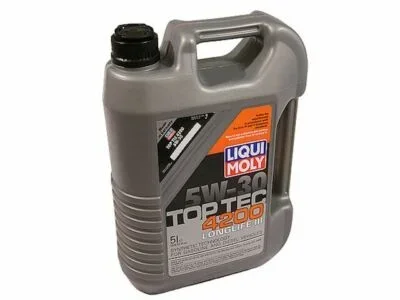
There are three main types of engine oil: conventional, synthetic blend, and full synthetic. Conventional oil works fine for older cars with simple engines. Synthetic oil offers better protection and lasts longer, making it ideal for modern engines and high-mileage vehicles.
Check your owner’s manual for the recommended viscosity, like 5W-30 or 10W-40. This number tells you how the oil flows at different temperatures. Using the right viscosity ensures your engine gets proper lubrication in all conditions.
Signs Your Engine Oil Needs Changing
- Dark or gritty oil on the dipstick
- Engine noise that sounds louder than usual
- Oil smell inside the cabin
- Exhaust smoke that is darker than normal
- Oil change reminder light on the dashboard
Do not ignore these signs. Fresh oil is cheap. Replacing an engine is not. Keeping up with your engine oil changes is one of the easiest ways to protect your car.
Tire Maintenance and Safety
Your tires are the only part of your car that touches the road. That makes them incredibly important for safety and performance. Tire maintenance is one of the most overlooked aspects of car care, and it is also one of the easiest to do.
Tire Pressure Checks
Check your tire pressure at least once a month. Underinflated tires reduce fuel economy and wear out faster on the outer edges of the tread. Overinflated tires wear the center of the tread and provide a harsher ride.
Find the correct pressure for your car on the sticker inside the driver’s door. Do not use the number on the tire itself. That number is the maximum pressure, not the recommended pressure.
Tire Rotation and Alignment
Rotating your tires every 5,000 to 7,500 miles ensures even wear. Front tires wear differently than rear tires because of how the weight is distributed and how the car turns. A simple rotation can add thousands of miles to your tire life.
Wheel alignment is another important task. If your car pulls to one side or your steering wheel is off-center, it is time for an alignment. Misaligned wheels cause uneven tire wear and can affect how your car handles on the road.
Brake System Maintenance
Your brakes are your car’s most critical safety system. Taking care of them should always be a top priority. Brake maintenance is not something you should skip or delay.
How to Know When Your Brakes Need Attention
Your brakes send clear signals when they need help. Listen for grinding or squealing sounds when you press the pedal. Feel for vibration or a spongy sensation in the pedal. If your car takes longer to stop than usual, get your brakes checked immediately.
Brake pads wear out over time. Most pads need replacement every 25,000 to 70,000 miles depending on your driving style. Brake inspection should be part of every routine service visit.
Brake Fluid Checks
Brake fluid transfers the force from your foot to the brake pads. Over time, this fluid absorbs moisture and loses effectiveness. Check your brake fluid level during every oil change. If it looks dark or dirty, have it flushed and replaced.
Clean brake fluid ensures your brakes respond quickly and reliably. This is a small task that makes a big difference in your stopping power.
Battery and Electrical System Care
A dead battery is one of the most common reasons cars fail to start. Battery maintenance is simple and can save you from a frustrating morning situation.
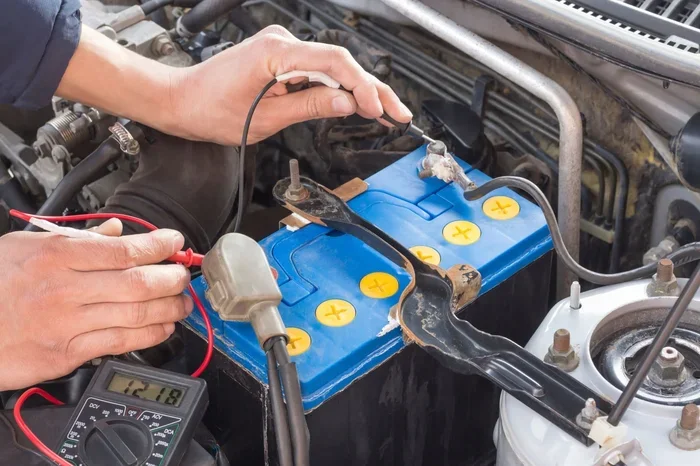
Most car batteries last three to five years. However, extreme temperatures, short trips, and leaving lights on can shorten that lifespan. If your car is older than three years, have the battery tested at every service visit.
What to Do When Your Car Won’t Start
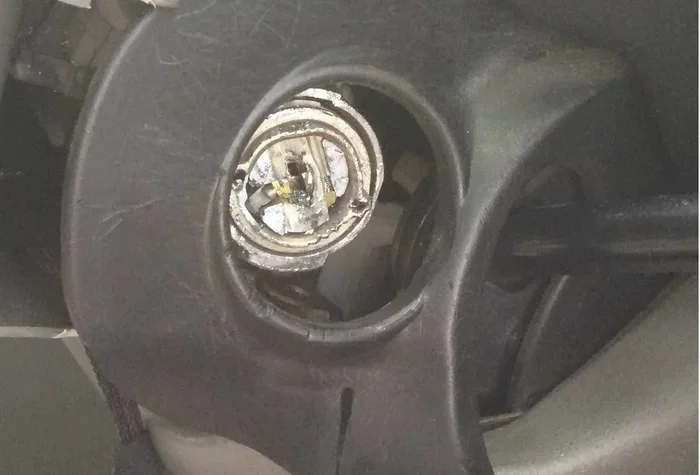
If your car won’t start but the battery is fine, there are other things to check. Corroded terminals can prevent a good connection. Loose cables can also cause starting problems. Sometimes the issue is a faulty starter motor or ignition switch.
It is worth learning what car not starting but battery is fine what to check, because the problem is often simpler than you think. Clean the terminals with a wire brush and make sure all connections are tight. If the problem persists, a professional diagnostic can pinpoint the issue.
Jump-Starting Tips
Knowing how to jump-start your car is a valuable skill. If you drive a hybrid, you might wonder if you can use it to jump-start another car. Can you jump-start another car with a Camry hybrid or any other hybrid model? The answer depends on your specific model, so always check your owner’s manual first.
Keep jumper cables in your trunk. They are lightweight and can save you from a long wait for roadside assistance. Just make sure you follow the correct connection order to avoid damaging your electrical system.
Fluid Checks and Replacements
Your car relies on several fluids to operate properly. Each fluid has a specific job, and neglecting any of them can lead to serious problems. Fluid maintenance is one of the simplest yet most overlooked parts of car care.
Coolant System
Coolant keeps your engine from overheating. Check the coolant level when the engine is cold. If the level is low, top it up with the type recommended by your manufacturer. A coolant flush is typically needed every 30,000 to 50,000 miles.
Overheating is one of the fastest ways to destroy an engine. Keeping your coolant system in good shape prevents this from happening. Watch for any leaks under your car or a rising temperature gauge.
Transmission Fluid
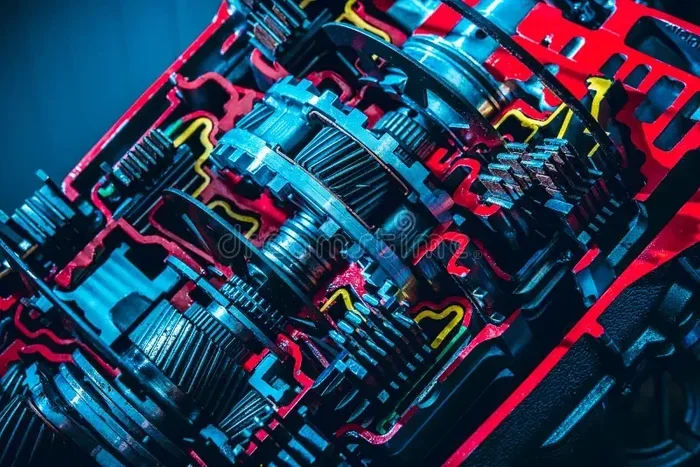
Transmission fluid keeps your gears shifting smoothly. Check it regularly and change it according to your maintenance schedule. Some manufacturers claim their transmissions are sealed for life, but most experts still recommend a change every 60,000 to 100,000 miles.
Do you need to leave the car running when adding transmission fluid? In most cases, yes. The fluid needs to be warm to give an accurate reading. Always check your manual for the specific procedure for your vehicle.
Windshield Washer Fluid
This one is often forgotten, but it is important for visibility. Keep your washer fluid topped up, especially before long trips or during rainy seasons. It is a cheap and easy task that makes a real difference.
Air Filters, Spark Plugs, and Filters
Your engine needs clean air and fuel to run efficiently. Replacing filters on schedule is a small cost that pays off in better performance and fuel economy.
Engine Air Filter
The engine air filter keeps dust and debris from entering the combustion chamber. A clogged filter reduces airflow and makes your engine work harder. Most air filters should be replaced every 15,000 to 30,000 miles. Check yours during every oil change.
Spark Plugs
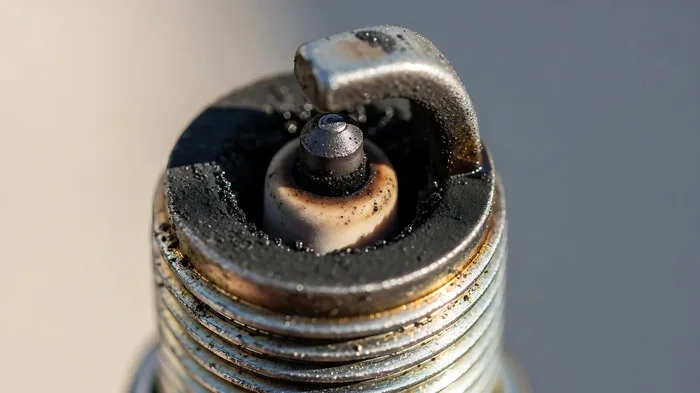
Spark plugs ignite the fuel-air mixture in your engine. Worn spark plugs cause rough idling, poor fuel economy, and difficulty starting. Spark plug replacement is typically needed every 30,000 to 100,000 miles depending on the type of plugs you have.
Cabin Air Filter
The cabin air filter keeps the air inside your car clean. It filters out pollen, dust, and pollution. Replace it every 15,000 to 25,000 miles or as recommended in your manual. A clean cabin filter makes a noticeable difference in air quality inside the car.
Addressing Warning Lights and Alerts
Modern cars are full of sensors and warning systems. These alerts are designed to tell you something needs attention. Ignoring them is never a good idea.
The Check Engine Light
The check engine light can mean many things. It could be a loose gas cap or a serious engine problem. When it comes on, do not panic, but do not ignore it either. Have a diagnostic tool read the error codes, or visit a mechanic for a quick check.
If you see the maintenance required light on a Toyota, you might wonder if it is safe to keep driving. Can I drive with maintenance required light on Toyota vehicles? In most cases, yes, for a short distance. But it is best to address the underlying issue as soon as possible.
Other Important Dashboard Alerts
- Oil pressure warning — stop immediately and check your oil level
- Battery light — your charging system may have a problem
- Brake warning light — check brake fluid level and pads
- Temperature warning — pull over safely and let the engine cool
- Tire pressure monitoring — check all tires for proper inflation
Learning what each light means gives you confidence and helps you act quickly. Early attention to warning lights prevents minor issues from becoming major repairs.
Seasonal Maintenance Tips
Different seasons bring different challenges for your car. A little preparation goes a long way in keeping your vehicle reliable year-round.
Winter Preparation
Cold weather is tough on car batteries and tires. Before winter hits, have your battery tested and replace it if it is more than three years old. Check your tire tread depth and consider winter tires if you live in an area with heavy snow.
How long can a car sit in cold weather without problems? If your car sits unused for extended periods, the battery can drain and fluids can thicken. If you must leave your car parked for a long time, start it at least once a week and let it run for 15 to 20 minutes.
Summer Preparation
Hot weather creates its own set of challenges. Check your coolant level before summer begins. Inspect your hoses and belts for cracks or wear. How hot can a car get in the sun? Interior temperatures can exceed 150 degrees, which stresses your dashboard, seats, and electronics. Use a sunshade to protect your interior and keep the car cooler.
Common Car Maintenance Mistakes to Avoid
Even the best car owners make mistakes. Here are some common ones to watch out for:
- Skipping oil changes — old oil destroys engines over time
- Ignoring the check engine light — small problems become big expenses
- Neglecting tire rotations — uneven wear means early tire replacement
- Using the wrong fuel — always use the octane rating recommended by your manufacturer
- Skipping brake inspections — worn brakes are a safety hazard
- Delaying fluid flushes — old fluids lose their protective properties
Avoiding these mistakes keeps your car healthy and saves you money in the long run. Prevention is always cheaper than repair.
Quick Tips for Busy Car Owners
Not everyone has time for detailed maintenance routines. Here are some quick tips that take just a few minutes but make a big difference:
- Check tire pressure once a month while you are at the gas station
- Inspect your wipers every six months and replace them when they streak
- Keep your gas tank above a quarter full to avoid fuel pump issues
- Wash your car regularly to protect the paint and undercarriage from rust
- Listen for unusual sounds — new noises often signal a problem early
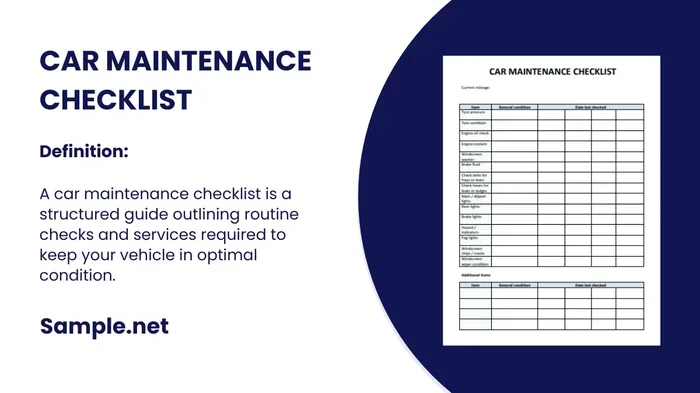
- Keep a maintenance log in your glove box to track all services
These small habits add up. They keep your car in good shape between professional service visits and give you peace of mind every time you get behind the wheel.
Expert Insights on Long-Term Car Care
Experienced mechanics agree on a few core principles of car care. First, follow the maintenance schedule in your owner’s manual. It was written by the people who built your car, so it knows what your specific model needs.
Second, do not wait for something to break. Proactive maintenance always costs less than reactive repairs. Third, keep records of everything. A detailed maintenance history increases your car’s resale value and helps mechanics diagnose problems faster.
Finally, find a trusted mechanic. You do not need to go to the dealership for every service, but you do need someone who knows your car well. Building a relationship with a reliable mechanic means you always have someone in your corner.
For those wondering about specific maintenance tasks like timing belt replacement, the answer depends on your vehicle. At what mileage should a timing belt be replaced on a Toyota Camry is a common question, and the answer is typically around 60,000 to 100,000 miles. Always refer to your owner’s manual for the exact interval.
Conclusion
Understanding what car maintenance is necessary does not have to be complicated. The key is consistency. Stick to a regular schedule, pay attention to warning signs, and address small issues before they become big problems.
Your car works hard for you every day. It deserves the same care in return. With the tips in this guide, you have everything you need to keep your car running smoothly for years to come. Start with your next oil change, check your tire pressure today, and make a plan for the bigger services coming up.
Preventive maintenance is the best investment you can make in your vehicle. It saves money, keeps you safe, and gives you confidence every time you turn the key. Take charge of your car’s health now, and your future self will thank you.
Frequently Asked Questions
What is the most important car maintenance task?
Regular oil changes are the single most important maintenance task. Fresh oil lubricates your engine, reduces friction, and prevents costly damage. Skipping oil changes is the fastest way to shorten your engine’s lifespan.
How often should I change my car’s oil?
Most cars need an oil change every 5,000 to 7,500 miles. However, check your owner’s manual for the exact recommendation for your model. Driving conditions like extreme heat or stop-and-go traffic may require more frequent changes.
Can I drive with the maintenance required light on?
In most cases, yes, you can drive a short distance with the maintenance light on. However, it is a reminder that service is overdue. Address the underlying issue soon to avoid potential problems and keep your car running at its best.
How do I know if my battery needs replacing?
If your car struggles to start, your lights dim when idle, or your battery is more than three years old, it may need replacing. Have a mechanic test the battery voltage to confirm. Most batteries last between three and five years.
What fluids does my car need checked regularly?
The main fluids to check are engine oil, coolant, brake fluid, transmission fluid, and windshield washer fluid. Each one plays a critical role in your car’s operation. Checking them regularly during routine service keeps everything running smoothly.
How can I make my car last longer?
Follow the maintenance schedule in your owner’s manual, drive gently, keep your tires properly inflated, and address issues early. Regular care and attention are the best ways to ensure your car stays reliable for many years.