Should I Change Spark Plugs at 100K Miles Right Now
Should you change spark plugs at 100K miles? The answer depends on your vehicle, spark plug type, and driving habits. Changing spark plugs at 100K miles is a smart move for many cars, but it is not always required. Worn plugs can hurt your fuel economy, engine performance, and even cause misfires. This guide walks you through everything you need to know to make the right call for your car.
You are cruising down the highway, and your check engine light flickers on. Or maybe your car feels a little sluggish when you hit the gas. You start wondering about your maintenance schedule. One question keeps popping up: should I change spark plugs at 100K miles?
The truth is, spark plugs are small parts that play a huge role in how your engine runs. They ignite the air-fuel mixture in your combustion chamber thousands of times every minute. When they wear out, your engine suffers. But does 100,000 miles automatically mean it is time for a replacement? Not always.
In this guide, we will break down everything you need to know. We will look at the signs of worn plugs, the different types available, and whether pulling the trigger at 100K miles makes sense for your vehicle. By the end, you will feel confident making the right decision for your car.
Key Takeaways
- Spark plugs wear out over time: They degrade with mileage and can cause engine problems if not replaced.
- 100K miles is a common service interval: Many manufacturers recommend replacement around this mark, but it varies.
- Watch for warning signs: Misfires, rough idle, and poor fuel economy are red flags for worn plugs.
- Spark plug type matters: Iridium and platinum plugs last longer than standard copper plugs.
- DIY replacement is possible: You can save money by doing it yourself with basic tools.
- Ignoring worn plugs causes bigger problems: It can lead to engine damage, catalytic converter failure, and more.
- Check your owner manual first: Always follow your vehicle manufacturer’s recommended maintenance schedule.
📑 Table of Contents
Why Spark Plugs Matter for Your Engine
Spark plugs might be tiny, but they are essential. Without them, your engine simply cannot run. They create the tiny electrical spark that ignites the fuel and air inside your cylinders. This ignition is what powers your car forward.
Over time, those spark plugs take a beating. The electrodes wear down. Carbon builds up on the tips. The gap between the electrodes widens. All of this affects how well the spark fires. And when the spark is weak or mistimed, your engine pays the price.
Here is what happens when your spark plugs are in good shape:
- Smooth and consistent engine idling
- Quick and responsive acceleration
- Optimal fuel combustion and efficiency
- Lower emissions from your exhaust
- Reliable cold starts every time
When spark plugs degrade, you lose all of these benefits. Your engine has to work harder. That means worse fuel economy and more wear on other components. Think of spark plugs as the heartbeat of your engine. Keep them healthy, and your car stays strong.
The Role of Spark Plugs in Combustion
Each cylinder in your engine needs its own spark plug. When the piston reaches the top of its compression stroke, the spark plug fires. This ignites the compressed fuel-air mixture. The explosion pushes the piston back down, creating power. This cycle repeats hundreds of times per minute.
If the spark plug is not firing correctly, the combustion is incomplete. Unburned fuel escapes into the exhaust. Your engine loses power. You waste fuel. Over time, this can even damage your catalytic converter. That is an expensive repair you definitely want to avoid.
What Happens When You Hit 100K Miles
At 100,000 miles, your vehicle has been through a lot. The engine has cycled through millions of combustion events. Your spark plugs have been working hard the entire time. By this mileage, most standard spark plugs are reaching the end of their effective life.
But here is the thing. Not all spark plugs are created equal. The type of plug your car uses makes a big difference in how long they last. Let us look at the common types and their expected lifespans.
| Spark Plug Type | Typical Lifespan | Best For |
|---|---|---|
| Copper | 20,000 to 30,000 miles | Older vehicles, high-performance engines |
| Standard Platinum | 60,000 to 80,000 miles | Most modern sedans and trucks |
| Iridium | 100,000 to 120,000 miles | Long-life applications, luxury vehicles |
| Double Platinum | 100,000 miles | Waste-spark ignition systems |
So if your car uses iridium plugs, 100K miles might still be within the safe range. But if you have copper plugs, you should have changed them long ago. Always check your owner manual. The manufacturer knows best when it comes to your specific engine.
Some drivers push past 100K miles without replacing their plugs. This is risky. Worn plugs can cause a chain reaction of problems. The engine misfires. Unburned fuel enters the exhaust system. The catalytic converter overheats. What starts as a small issue becomes a costly repair.
How Mileage Affects Spark Plug Electrodes
The electrodes on your spark plugs are the parts that create the spark. Over thousands of miles, they erode. The gap between them gets wider. A wider gap means the spark has to jump farther. This requires more voltage from your ignition coil.
Eventually, the coil cannot provide enough voltage. The spark becomes weak or fails entirely. You might notice this as a rough idle or a hesitation when you accelerate. Some drivers also experience a clicking or tapping noise from the engine bay.
At 100K miles, the electrode erosion is significant on most plugs. Even if your car seems to run fine, the plugs are likely past their peak performance. Replacing them proactively is always better than waiting for a failure.
Signs Your Spark Plugs Need Replacing
You do not always need a mechanic to tell you your plugs are bad. Your car gives you plenty of warning signs. The key is knowing what to look for. Here are the most common symptoms of worn spark plugs:
Rough or shaky idle. When your car is sitting at a stoplight, the engine should run smooth. If it feels like it is vibrating or stumbling, the plugs might be the culprit. A rough idle means the combustion in some cylinders is inconsistent.
Difficulty starting the car. Worn plugs struggle to create a strong spark. On cold mornings or when the engine is cool, this becomes very noticeable. You might turn the key and hear the engine crank longer than usual before it catches.
Engine misfires. This is one of the most obvious signs. A misfire feels like a brief hesitation or jerking when you are driving. It happens when one or more cylinders fail to fire properly. Bad spark plugs can cause overheating in some cases, because misfires send unburned fuel into the exhaust system.
Poor fuel economy. If you are filling up more often than usual, worn plugs could be to blame. When the spark is weak, fuel does not burn completely. Your engine compensates by using more fuel to maintain power.
Sluggish acceleration. You press the gas pedal and the car does not respond like it used to. This is a classic sign of spark plug degradation. The engine is not getting the efficient combustion it needs for quick acceleration.
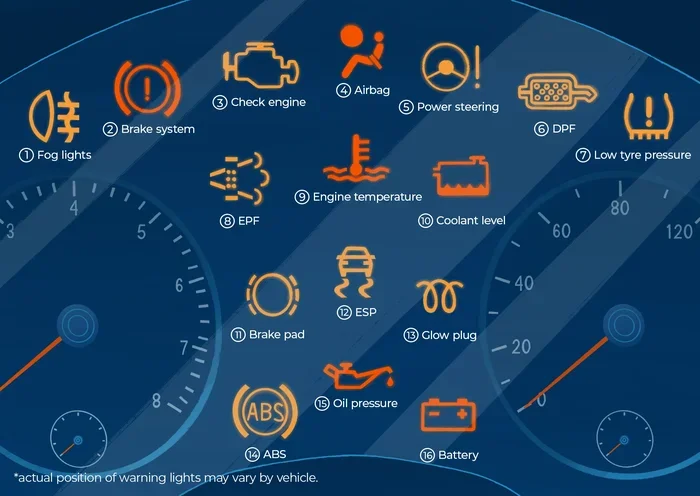
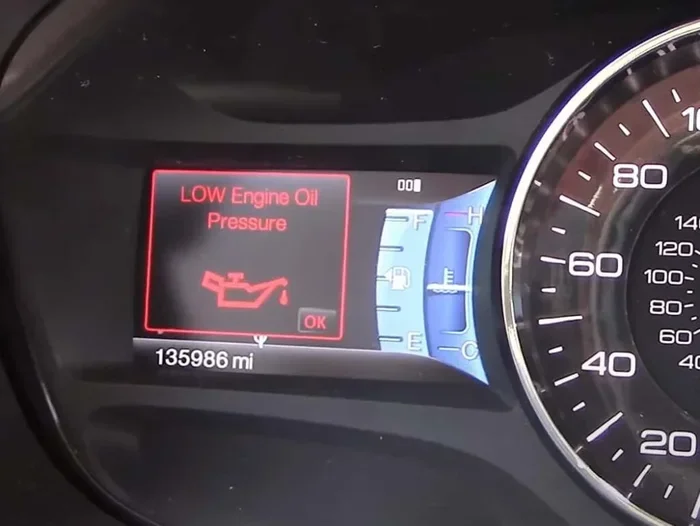
Check engine light. Your car’s onboard diagnostics system monitors engine performance. When it detects misfires or inefficient combustion, it triggers the warning light. Do not ignore this light. Get your plugs checked right away.
If you notice any of these symptoms, do not wait. Address the issue quickly. The longer you drive on bad plugs, the more damage you risk to your engine and exhaust system.
How to Check Your Spark Plugs Yourself
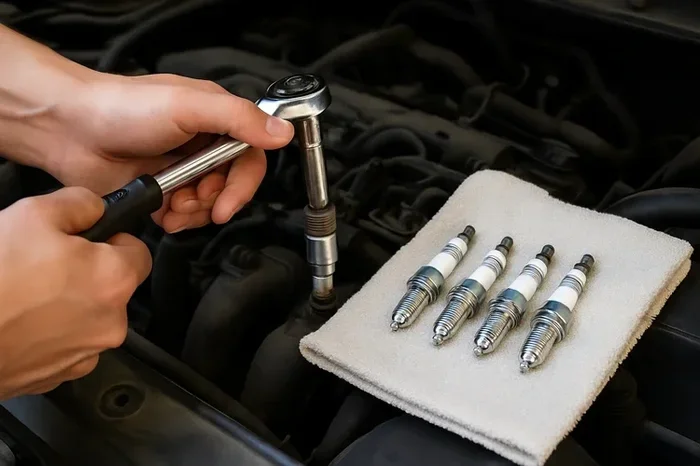
You can inspect your spark plugs without visiting a mechanic. All you need is a socket wrench and a spark plug socket. Here is how to do it:
- Make sure the engine is cool.
- Locate the spark plug wires or coils on your engine.
- Remove one wire or coil at a time.
- Use the socket to unscrew the spark plug carefully.
- Examine the electrode and insulator for wear, carbon buildup, or damage.
- Compare the gap to your owner manual specifications.
- Repeat for each cylinder.
If the electrodes look worn, the insulator is cracked, or there is heavy carbon buildup, it is time for new plugs. A quick inspection can save you from unexpected breakdowns.
How to Decide If 100K Miles Is the Right Time
So, should you change spark plugs at 100K miles? The answer is not a simple yes or no. Several factors influence the right timing for your vehicle. Let us walk through them.
Check your owner manual first. This is your best resource. The manufacturer designed your engine with specific maintenance intervals in mind. Some Toyotas, for example, recommend iridium plugs that last up to 120,000 miles. Others might suggest replacement at 60,000 miles. The manual will tell you exactly what your car needs.
Consider your driving conditions. If you drive mostly on highways in clean conditions, your plugs may last longer. But if you deal with stop-and-go traffic, extreme temperatures, or dusty roads, your plugs wear faster. Short trips are especially hard on plugs because the engine does not reach full operating temperature often enough.
Think about your vehicle’s age. An older car with higher mileage might benefit from a proactive plug replacement. Newer cars with low mileage might still have plenty of life left in their plugs. It is all about the condition of the plugs, not just the number on the odometer.
Look at your maintenance history. If you do not know when the plugs were last changed, it is better to replace them at 100K miles. Old plugs of unknown age are a risk. You do not want to be stranded because of a simple maintenance item you could have prevented.
When to Replace Before 100K Miles
There are situations where you should replace your plugs well before 100K miles:
- You notice any of the symptoms listed above
- Your car has high mileage plugs of unknown age
- You drive in severe conditions (towing, extreme heat, dusty roads)
- You use copper plugs that have a shorter lifespan
- Your engine has been running rough or misfiring
Replacing plugs early is always better than dealing with engine damage later. Spark plugs are one of the cheapest maintenance items on your car. The cost of replacement is a fraction of what you would pay for a tow, a new catalytic converter, or engine repairs.
When It Is Okay to Go Beyond 100K Miles
If your car uses long-life plugs like iridium and you have maintained them well, you might have some flexibility. Iridium plugs can last up to 120,000 miles in some cases. However, going beyond the recommended interval is a gamble.
The risk increases as the plugs age. You might get lucky and have plugs that still perform well at 110K miles. Or you might experience a sudden misfire that leaves you stranded. For most drivers, sticking to the 100K mile mark is the safest bet.
Also, keep in mind that replacing plugs at 100K miles is part of a broader maintenance strategy. When you change your oil life or do other routine services, adding spark plug replacement keeps your whole engine healthy. It is one of those small investments that pays off big.
DIY Spark Plug Replacement Tips
Changing your own spark plugs is one of the most satisfying DIY maintenance tasks you can do. It is not as hard as it looks, and it can save you a lot of money. Many people ask, can you do an oil and filter change yourself, and the same confidence applies here. With the right tools and a little patience, you can do this at home.
Here is what you need to get started:
- A spark plug socket (usually 5/8 inch or 13/16 inch)
- A ratchet and extension
- A torque wrench
- A gap tool for checking electrode spacing
- Anti-seize compound (check your manual first)
- A clean cloth and compressed air
Step-by-step process:
- Remove the engine cover if your car has one.
- Disconnect the spark plug wires or coil connectors one at a time. Label them so you know which goes where.
- Use compressed air to blow any debris out of the spark plug wells. You do not want dirt falling into the cylinder.
- Fit the spark plug socket onto the plug and turn counterclockwise to remove it.
- Check the gap on the new plug with your gap tool. Adjust it if needed.
- Hand-thread the new plug to avoid cross-threading. Then use the torque wrench to tighten it to spec.
- Reconnect the wire or coil and move to the next plug.
Take your time. Rushing this job can lead to cross-threading or damaged wires. If you are not comfortable doing it yourself, a quick trip to a mechanic is still affordable. Many shops charge between $50 and $150 for a full set of plugs and labor.
Common Mistakes to Avoid During Replacement
Even experienced DIYers make mistakes with spark plugs. Here are a few to watch out for:
- Over-tightening the plugs. This can strip the threads in the cylinder head. Always use a torque wrench.
- Forgetting anti-seize compound. Without it, plugs can seize in the head and become impossible to remove later.
- Mixing plug types. Use the same type and brand of plug for all cylinders. Mismatched plugs cause uneven performance.
- Not checking the gap. Even new plugs sometimes need gap adjustment. Always verify before installation.
- Dropping a plug into the cylinder. This can crack the piston or valve. Be careful when removing old plugs.
Common Mistakes People Make With Spark Plugs
There are some habits that can shorten the life of your spark plugs or cause bigger problems. Avoiding these mistakes will keep your engine running smoothly for years to come.
Ignoring the check engine light. Many drivers see a warning light and hope it goes away. Sometimes a misfire caused by bad plugs triggers that light. The longer you ignore it, the more damage you risk.
Using the wrong spark plug type. Not all plugs fit every engine. Using the wrong heat range or electrode material can cause poor performance and even engine damage. Always match the plug to your vehicle specifications.
Skipping spark plug wires. If your car uses wires, they wear out too. Old wires increase resistance and weaken the spark. Replace them along with the plugs for best results.
Neglecting the ignition coil. The ignition coil provides the voltage for the spark. A failing coil mimics bad plug symptoms. If you replaced your plugs but still have issues, the coil might be the real problem.
Waiting too long between replacements. Spark plugs do not last forever. Even long-life plugs degrade over time. Stick to the recommended interval and your engine will thank you.
How Spark Plugs Affect Fuel Economy
One of the biggest reasons to stay on top of spark plug replacement is fuel economy. A study by the National Institute for Automotive Service Excellence found that worn plugs can reduce fuel efficiency by up to 30 percent. That is a significant hit to your wallet at the pump.
When the spark is weak or inconsistent, the fuel-air mixture does not burn completely. Some fuel exits the engine unused. Your car compensates by injecting more fuel to maintain power. The result is you filling up more often and spending more money.
Fresh spark plugs restore that efficient combustion. You get better mileage, more power, and cleaner emissions. It is one of the easiest ways to save money on fuel and extend the life of your engine.
Expert Insights on Spark Plug Maintenance
We asked experienced mechanics what they recommend when it comes to spark plugs at 100K miles. Here is what the experts say:
Start with the owner manual. The manufacturer’s recommendation is your baseline. If the manual says replace at 100K, trust that interval. If it says 60K, do not push it.
Inspect, do not guess. When in doubt, pull the plugs and look at them. A quick inspection tells you more than any mileage chart. You can see the wear, the carbon buildup, and the electrode condition with your own eyes.
Replace in sets. Always replace all plugs at once. Mixing old and new plugs causes uneven engine performance. You want every cylinder firing at its best.
Consider the whole ignition system. If your plugs are worn, the ignition coils and wires have been working harder to compensate. It is smart to inspect these components too when you do a plug change.
Do not skip this maintenance. Spark plugs are one of the cheapest and most impactful maintenance items you can do. Skipping them leads to bigger problems and bigger bills down the road.
How This Relates to Other Maintenance Items
Spark plug replacement fits into a larger maintenance picture. When you are at 100K miles, you should also consider other services:
- Timing belt inspection or replacement
- Transmission fluid change
- Coolant flush
- Brake inspection
- Air filter replacement
Think of 100K miles as a major milestone. It is a great time to give your car a thorough checkup. Changing your spark plugs is one piece of that puzzle. Keeping up with all your maintenance keeps your car reliable and resale value strong.
If you own a Lexus and wonder about service options, you might ask, can you get a Lexus oil change anywhere? The same flexibility applies to spark plugs. You are not locked into the dealership for every service. Many qualified independent shops can handle plug replacements with the same quality parts.
Conclusion
So, should you change spark plugs at 100K miles? For most vehicles, the answer is yes. At 100,000 miles, your spark plugs have done their job and are likely past their peak performance. Replacing them at this interval keeps your engine running smoothly, improves fuel economy, and prevents costly repairs down the road.
Remember to check your owner manual for your specific vehicle. Consider your driving conditions and the type of plugs your car uses. Watch for the warning signs of worn plugs, and do not ignore them. Whether you do it yourself or visit a shop, this is one maintenance task you should not skip.
Your car is a big investment. Taking care of small things like spark plugs pays off in the long run. A few dollars spent on new plugs today can save you hundreds on engine repairs tomorrow. Stay on top of your maintenance, and your car will keep running strong for many miles to come.
Frequently Asked Questions
How do I know if my spark plugs need to be changed at 100K miles?
Look for symptoms like rough idling, engine misfires, poor fuel economy, and difficulty starting your car. You can also pull the plugs out and inspect them for worn electrodes or heavy carbon buildup. If you are unsure, have a mechanic check them during your next oil change.
Can I drive with bad spark plugs?
You can drive with bad spark plugs for a short time, but it is not recommended. Worn plugs cause engine misfires that can damage your catalytic converter and reduce fuel efficiency. The longer you drive on bad plugs, the more expensive the repairs become.
What happens if I dont change my spark plugs at 100K miles?
If you skip spark plug replacement at 100K miles, you risk engine misfires, rough running, poor fuel economy, and potential damage to your catalytic converter. In severe cases, unburned fuel can cause overheating in the exhaust system, leading to costly repairs.
How much does it cost to change spark plugs at 100K miles?
The cost depends on your vehicle and the type of spark plugs it uses. For most cars, you can expect to pay between $50 and $150 for parts and labor. DIY replacement can save you even more, with plugs costing $20 to $60 for a full set.
Do I need to replace spark plug wires when I change the plugs?
If your car uses spark plug wires, it is a good idea to inspect them when you change the plugs. Worn wires can cause the same symptoms as bad plugs. Replacing both at the same time ensures your ignition system works at its best.
Can I use any spark plug brand for my car?
You should always use spark plugs that match your vehicle’s specifications. Check your owner manual for the recommended plug type, heat range, and gap. Using the wrong plugs can cause poor performance and potential engine damage.
=== CONCLUSION ===
Changing spark plugs at 100K miles is a smart move for most car owners. It keeps your engine healthy, your fuel economy strong, and your drives smooth. Do not wait for symptoms to appear. Be proactive with your maintenance and give your car the care it deserves. Your future self and your wallet will thank you.