How to Unlock an Ignition And Start Your Car Right Now
Stuck in a situation where you can’t turn your ignition? You’re not alone, and there’s a fix for almost every cause. This guide walks you through how to unlock an ignition using simple tools and proven techniques. Whether your key is stuck, your steering wheel is locked, or your push-button start isn’t responding, you’ll find the right solution here.
There are few moments more frustrating than standing by your car, key in hand, and realizing the ignition won’t turn. Maybe the steering wheel is jammed. Maybe the key feels stuck. Or maybe your push-button start system just doesn’t respond. Whatever the reason, how to unlock an ignition is a skill every driver should know.
You don’t need to be a mechanic to handle most ignition problems. In fact, many of the fixes are simple enough to do in your driveway with tools you already have. This guide covers every common scenario you might face. We’ll walk through each step clearly so you can get back on the road quickly.
Let’s start with the basics. Understanding why your ignition gets stuck in the first place makes every fix easier. Once you know the ignition troubleshooting basics, you’ll feel confident tackling the problem yourself.
Key Takeaways
- Gentle jiggling and lubrication often free a stuck ignition key without any special tools.
- A locked steering wheel is the most common reason your ignition won’t turn.
- Dead key fob batteries can mimic ignition problems on push-button start vehicles.
- Never force a key — it can break inside the ignition cylinder and cause costly damage.
- Knowing when to call a locksmith saves time and prevents further ignition damage.
- Regular maintenance keeps your ignition system working smoothly for years.
📑 Table of Contents
- Why Your Ignition Gets Stuck
- How to Unlock an Ignition With a Stuck Key
- How to Unlock an Ignition on Push-Button Start Vehicles
- Common Ignition Problems and Their Fixes
- When to Call a Professional Locksmith
- Preventing Ignition Problems Before They Start
- Expert Insights and Common Mistakes to Avoid
- Final Thoughts
Why Your Ignition Gets Stuck
A stuck ignition isn’t random. There’s always a reason behind it. Understanding the root cause helps you pick the right fix. Here are the most common culprits behind ignition lock cylinder problems.
The Steering Wheel Lock Mechanism
This is the number one reason car owners search for how to unlock an ignition. When you turn off your car and turn the steering wheel slightly, the steering column lock engages. It’s a security feature designed to prevent theft. But it also locks the ignition in place.
The result? You can’t turn the key or push the start button. The steering wheel feels rigid. Many people panic at this point, but it’s actually one of the easiest problems to solve.
A Worn or Damaged Key
Over time, your car key replacement needs can increase. Keys wear down from regular use. The ridges that match the ignition barrel become smooth. A worn key simply won’t engage the tumblers inside the ignition cylinder properly.
If your key looks shiny or feels thin at the tip, that’s a sign. A damaged key can also snap inside the lock, leading to a more serious key extraction situation. That’s when professional help becomes necessary.
Debris and Dirt Inside the Lock
Your ignition lock cylinder collects dust, lint, and tiny particles over the years. This buildup creates resistance when you try to turn the key. In some cases, the debris is enough to jam the mechanism entirely.
Cars driven in dusty or sandy environments face this problem more often. The ignition switch itself can also wear out from internal electrical contact degradation, causing intermittent starting failures that feel like a mechanical lockup.
How to Unlock an Ignition With a Stuck Key
Now that you know the common causes, let’s get into the fixes. These steps work for most traditional key ignitions. Follow them in order for the best results.
Step 1: Don’t Force It
This is the most important rule. Forcing a stuck key can break it inside the lock. A broken key inside the ignition lock cylinder means a much more complicated repair. You’ll likely need a locksmith or a dealer to extract the pieces.
Take a deep breath. Apply gentle, steady pressure. If the key doesn’t move after a few seconds, stop and try the next step. Patience is your best tool here.
Step 2: Wiggle the Steering Wheel
If the steering column lock is the problem, wiggling the wheel often frees the ignition. Follow these steps:
- Grab the steering wheel with both hands.
- Rock it gently left and right.
- While rocking, try turning the key.
- You should feel the lock release when the wheel moves enough.
This simple trick works about 80% of the time. The locked steering wheel releases its grip on the ignition, and the key turns freely. It feels almost magical when it works.
Step 3: Jiggle the Key Gently
While applying light turning pressure, gently jiggle the key up and down. This motion helps the worn ridges catch the tumblers inside the cylinder. Use small, controlled movements.
Never yank the key or twist it aggressively. Smooth, gentle motion is the key here. Think of it like coaxing a stubborn latch open rather than forcing it.
Step 4: Apply a Penetrating Lubricant
If the key still won’t turn, a little lubricant can help. Use a graphite-based lock lubricant or a dry PTFE spray. Avoid WD-40 for long-term use, as it can attract dust and create more buildup over time inside the ignition cylinder.
Spray a small amount into the keyhole. Then work the key in and out several times. The lubricant coats the internal tumblers and reduces friction. This simple step often solves the problem instantly.
Step 5: Try a Spare Key
Do you have a spare key? It’s worth trying. A spare key that isn’t worn might turn easily when your primary key won’t budge. This also helps you determine whether the problem is with the key or the lock itself.
If the spare key works, you know you need a car key replacement for the worn one. Most dealerships and locksmiths can cut a new key from your vehicle identification number.
How to Unlock an Ignition on Push-Button Start Vehicles
Modern cars with push button start systems don’t use traditional keys. But they can still have ignition problems. The good news is these issues are usually easy to fix at home.
The Dead Key Fob Battery
The most common reason a push-button start car won’t start is a dead key fob battery. When the fob’s battery dies, the system can’t detect the key inside the car. The immobilizer system blocks the engine from starting as a security measure.
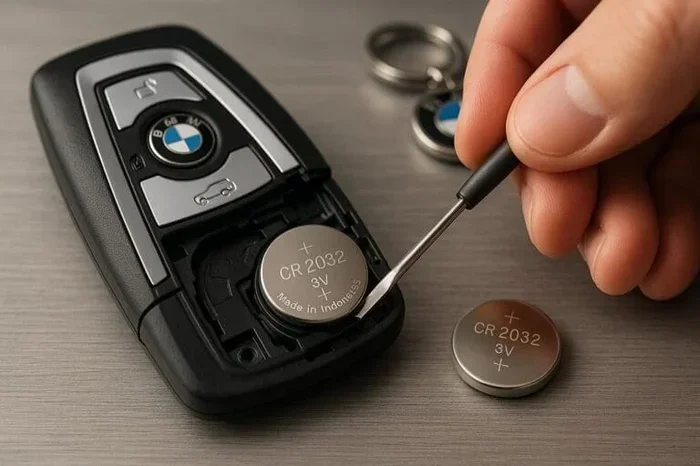
Replacing the battery is simple. Most key fobs use a small CR2032 coin cell battery. Pop open the fob, swap the battery, and you’re usually good to go. If you just replaced the battery and the car still won’t start, you might need to do you need to do anything after replacing a key fob battery — yes, there are a few steps like holding the fob close to the start button that many people miss.
Reprogramming the Key Fob
Sometimes the fob loses its pairing with the car. This happens after battery replacements or if the fob gets dropped hard. Reprogramming usually involves a specific sequence of button presses.
Check your owner’s manual for the exact steps. Each brand has its own process. Some models let you reprogram the fob yourself in under two minutes. Others require a dealer visit. The good news is this rarely costs anything if you do it yourself.
Placing the Fob in the Right Spot
Many push-button start cars have a backup spot for the fob. If the battery is dying, placing the fob directly on the start button or a specific pad on the center console can bypass the weak signal. This trick works as a temporary fix while you replace the battery.
Some vehicles also let you place the fob near the ignition barrel area. Check your manual for the exact location. This is a handy trick to know for emergencies.
Common Ignition Problems and Their Fixes
Not every ignition problem looks the same. Here’s a quick reference guide for the most frequent issues drivers face with their ignition troubleshooting efforts.
The Key Turns But the Engine Won’t Start
If the key turns or the push button works but the engine cranks without firing, the problem might not be the ignition at all. Check these first:
- Fuel level — it sounds obvious, but an empty tank happens.
- Fuel pump — a failing pump won’t deliver fuel to the engine.
- Spark plugs — worn plugs can prevent ignition of the fuel-air mixture.
- Starter motor — a bad starter mimics ignition failure.
Sometimes the issue traces back to the ignition relay or the ignition switch itself. These electrical components control the flow of power to the starter and engine management system. A multimeter test can confirm whether they’re working properly.
The Key Won’t Come Out of the Ignition
This problem often happens on automatic transmission vehicles. The ignition lock has a safety feature that prevents the key from turning to the off position unless the car is fully in Park. If the shifter is slightly between Park and Neutral, the key stays locked.
Shift the gear lever firmly into Park. Press the brake pedal while turning the key. This releases the interlock mechanism. The key should come out without resistance.
The Ignition Feels Loose or Wobbly
A loose ignition cylinder is more than an annoyance. It can indicate internal wear that will eventually lead to complete failure. The key might turn on its own or feel like it has too much play.
This is a sign to visit a mechanic sooner rather than later. A worn ignition cylinder can leave your car vulnerable to theft. Replacing the cylinder is a relatively affordable repair when caught early.
When to Call a Professional Locksmith
Not every ignition problem should be DIY. Some situations call for professional expertise. Knowing when to call for help saves you time, money, and potential damage.
Signs You Need a Locksmith
Watch for these warning signs:
- The key is broken inside the ignition and you can’t extract it.
- The ignition cylinder feels completely seized and nothing works.
- Your transponder key isn’t being recognized by the car’s computer.
- You’ve tried all the DIY steps and the ignition still won’t release.
- You notice signs of tampering or forced entry around the lock.
A professional locksmith has specialized tools for key extraction and ignition cylinder replacement. They can also program new transponder keys on the spot in many cases. Trying to extract a broken key yourself with pliers or screwdrivers almost always makes things worse.
Cost Expectations
Ignition repair costs vary widely. A simple lubrication or key replacement might cost under 50 dollars. Replacing an entire ignition cylinder typically runs between 150 and 300 dollars including parts and labor. Transponder key programming can add another 50 to 100 dollars depending on your vehicle.
These costs are minor compared to the damage that comes from forcing the ignition or attempting repairs you’re not qualified for. A professional fix done right the first time is always the smarter choice.
Preventing Ignition Problems Before They Start
The best way to deal with ignition trouble is to prevent it altogether. A few simple habits keep your ignition system in great shape for years.
Keep Your Key Clean
Wipe your key regularly with a soft cloth. Dirt and grime from your hands transfer to the key ridges and into the ignition cylinder. Over time, this buildup creates friction and wear on the internal tumblers.
For push-button start vehicles, keep the key fob clean too. A dirty fob can cause intermittent signal issues that feel like ignition problems. A quick wipe with a damp cloth keeps everything working smoothly.
Use the Right Key
Never use a copied or duplicate key that doesn’t match your original precisely. Cheap copies wear out faster and can damage the ignition cylinder. If you need a spare, get it cut by a reputable locksmith using your vehicle’s specifications.
Also, avoid hanging heavy keychains on your ignition key. The extra weight puts stress on the key shaft and the internal mechanism. A lightweight keychain or a key pouch makes a real difference over time.
Address Small Problems Early
If you notice the key getting harder to turn, don’t ignore it. Early stiffness often means the cylinder needs lubrication or the key is starting to wear. Catching these small signs prevents the full lockup scenario later.
Regular maintenance checks during oil changes or service visits give a mechanic a chance to spot ignition wear before it becomes a serious problem. Think of it like brushing your teeth — small preventive care avoids big expensive fixes down the road.
Protect Your Car From Extreme Temperatures
Extreme cold can thicken the lubricant inside the ignition cylinder and make the key harder to turn. Parking in a garage during winter months helps. In hot weather, the ignition switch components can expand, causing similar issues.
If you live in an area with harsh temperature swings, consider using a key fob cover to protect the electronics. These small accessories extend the life of your ignition system significantly.
Expert Insights and Common Mistakes to Avoid
Even with the best intentions, drivers make mistakes when dealing with ignition problems. Here’s what the experts wish you knew.
Mistake: Using Oil-Based Lubricants
Many people reach for WD-40 or motor oil when their ignition gets stiff. These products attract dust and create a gritty paste that worsens the problem. Always use dry graphite or PTFE-based lubricants designed for locks.
Mistake: Shaking the Steering Wheel Violently
While rocking the steering wheel is helpful, violent shaking can damage the steering column linkage. Gentle, rhythmic movement is all you need. Think of it as coaxing, not forcing.
Mistake: Ignoring the Dashboard Warning Lights
Modern cars display warning lights when there’s an ignition or immobilizer issue. A flashing security light or an engine warning that won’t go away often points directly to the ignition system. Ignoring these lights can lead to bigger problems.
Mistake: Assuming It’s Always the Key
Sometimes the problem isn’t the key at all — it’s the ignition switch, the starter motor, or even the car not starting but battery is fine what to check scenario where electrical gremlins masquerade as ignition failures. A proper diagnosis saves you from replacing parts that aren’t actually broken.
Final Thoughts
Knowing how to unlock an ignition gives you confidence and independence. Most ignition problems have simple, affordable fixes that you can handle yourself. From wiggling a locked steering wheel to replacing a dead key fob battery, the solutions are within reach.
Remember the golden rules: don’t force the key, use the right lubricant, and call a professional when the problem exceeds your comfort level. Your ignition system is the gateway to every drive. Taking care of it pays off every time you turn the key or press that start button.
Stay proactive with maintenance, keep a spare key handy, and address small issues before they grow. Your car will start right up every time, and you’ll skip the frustration of standing by a stubborn ignition on a busy morning.
Frequently Asked Questions
Can a dead battery prevent the ignition from turning?
Yes, in some cases. A dead battery can cause the steering wheel lock to engage more firmly, making the key harder to turn. It can also prevent push-button start systems from detecting the key fob. Try jump-starting the battery first if nothing else works.
How do I know if my ignition cylinder needs replacement?
Signs include a loose or wobbly key, the key getting stuck frequently, or the ignition feeling gritty when you turn it. If lubrication and key replacement don’t solve the problem, the cylinder itself likely needs to be swapped out by a professional.
Is it safe to use a locksmith for ignition repair?
Absolutely. Licensed locksmiths specialize in ignition and lock systems. They have the right tools and training to handle key extraction, cylinder replacement, and transponder key programming safely. Look for a locksmith with good reviews and proper certification.
Why does my key keep getting stuck in the ignition?
Recurring sticking usually points to a worn key, a dirty ignition cylinder, or a failing ignition switch. Try cleaning the cylinder with a dry lubricant first. If the problem persists, have a mechanic inspect the ignition switch and cylinder for wear.
Can cold weather cause ignition problems?
Yes, cold weather thickens the lubricant inside the ignition cylinder and can cause the key to stick. Parking in a garage helps. If your car sits outside in freezing temperatures, try warming the keyhole with your breath before inserting the key.
What should I do if my key breaks off in the ignition?
Do not try to extract it with tweezers or pliers — you risk pushing it deeper. Contact a locksmith or mechanic who has specialized extraction tools. In the meantime, use your spare key if you have one to get to a repair shop safely.