How to Fix a Low Tire Pressure Sensor Without Replacing It
A low tire pressure sensor warning can scare you, but you often do not need to buy a new one. This guide shows you how to fix a low tire pressure sensor without replacing it using simple tools and easy steps. You will learn to reset the sensor, check for leaks, replace the battery, and clear the dashboard light yourself.
That little yellow light on your dashboard just popped on, and it says check tire pressure. You look at your tires and they seem fine. What gives? This is one of the most common car warnings drivers face, and the good news is you can often fix it yourself.
Many people rush to the auto shop and spend hundreds of dollars on a new sensor when the real fix takes five minutes. Whether it is a dead battery inside the sensor, a loose valve stem, or just a recalibration need, there are several ways to resolve a low tire pressure sensor without spending a dime on replacement parts.
In this guide, we walk you through every step. You will learn how to check your tire pressure, reset the sensor, replace the small battery inside the unit, and clear the warning light. We also cover common mistakes that make the problem come back. By the end, you will feel confident handling this repair on your own.
If you have ever wondered can I fix my own tire pressure sensor, the answer is yes. Let us get into it.
Key Takeaways
- Resetting the TPMS sensor often fixes the low tire pressure light without any parts replacement.
- Checking for air leaks at the valve stem is the most common fix for a persistent sensor warning.
- Replacing the sensor battery is a cheap DIY job that costs under $10 in most cases.
- Cold weather and heat can trigger false low tire pressure sensor readings, so always check conditions first.
- An OBD2 scanner can help you diagnose sensor faults quickly and accurately at home.
- Knowing when to call a pro saves time and prevents costly mistakes with your tire pressure monitoring system.
📑 Table of Contents
- Understanding Your Tire Pressure Monitoring System
- Step-by-Step Guide to Fixing a Low Tire Pressure Sensor
- Common Mistakes That Cause the TPMS Light to Return
- When to Call a Professional
- Preventing Future TPMS Problems
- Quick Tips for a Perfect Tire Pressure Check
- Expert Insights on Tire Pressure Sensors
- Conclusion
Understanding Your Tire Pressure Monitoring System
Before you fix anything, it helps to understand what you are working with. The tire pressure monitoring system, or TPMS, is a safety feature in your car. It watches the air pressure inside each tire and alerts you when pressure drops too low.
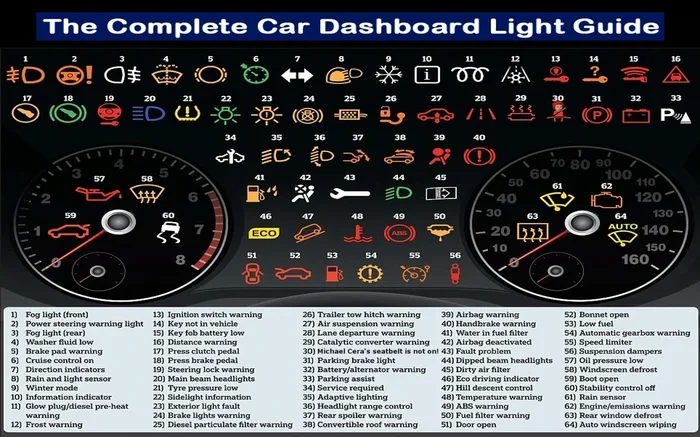
The system uses small sensors inside each wheel. These sensors send data to your car’s computer. When the pressure falls below the recommended level, a light appears on your dashboard. This is your tire pressure warning light.
How the Sensor Works
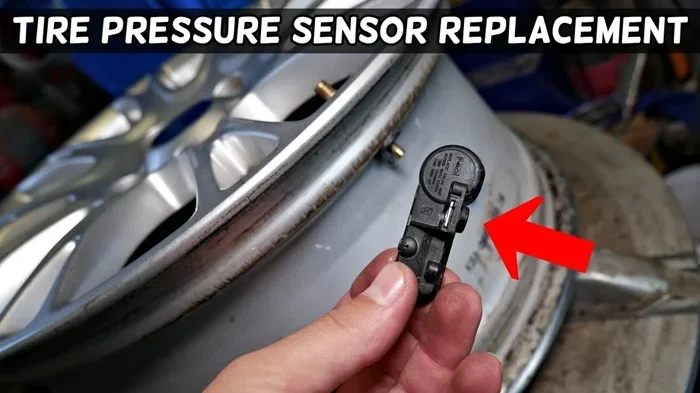
Each sensor sits inside the tire, usually attached to the valve stem. It measures the air pressure and transmits the data wirelessly to your car’s onboard computer. The sensor has a small battery that powers it. Most sensor batteries last between five and ten years.
When the battery dies or the sensor gets damaged, it can send false readings. This triggers the low tire pressure light even when your tires are perfectly fine. Understanding this helps you know whether you need a full replacement or just a simple fix.
Why the Light Comes On
There are many reasons the TPMS light turns on. Here are the most common ones:
- Actual low pressure from a slow leak or puncture
- Temperature changes that reduce air pressure inside the tire
- Dead sensor battery causing a fault signal
- Sensor damage from road debris or corrosion
- Need for recalibration after adding air or rotating tires
- Loose or damaged valve stem letting air seep out slowly
Not all of these require a new sensor. In fact, most do not. That is what this guide is all about.
Step-by-Step Guide to Fixing a Low Tire Pressure Sensor
Now let us get to the good stuff. Here is how you can fix a low tire pressure sensor without replacing it. Follow these steps in order for the best results.
Step 1: Check Your Tire Pressure Manually
Start with the basics. Do not trust the dashboard alone. Get a tire pressure gauge from any auto parts store. They cost about five to fifteen dollars. Remove the valve cap from each tire and press the gauge onto the valve stem.
Compare the reading to your car’s recommended pressure. You can find this number on a sticker inside the driver’s door frame. It is usually between 30 and 35 PSI for most passenger cars.
If any tire is low, add air using a portable air compressor or the air pump at a gas station. Fill to the recommended level and put the valve cap back on. This alone fixes the problem more often than you would think.
Step 2: Reset the TPMS Sensor
After checking and adjusting your tire pressure, the next step is to reset the system. Most cars have a simple reset process. Look for the TPMS reset button under the steering column or on the dashboard. It is often labeled with a tire symbol.
Turn the ignition to the on position but do not start the engine. Press and hold the reset button until the TPMS light blinks three times. Release the button and start the engine. The light should turn off within a few minutes of driving.
Some vehicles require you to drive at a steady speed for about 15 to 20 minutes after resetting. This allows the system to recalibrate. Check your owner’s manual for the exact reset procedure for your specific model.
You can also use an OBD2 scanner to reset the system. Plug the scanner into the diagnostic port under your dashboard. Follow the on-screen prompts to clear the TPMS fault code. This method works for most makes and models.
Step 3: Inspect the Valve Stem
A damaged valve stem is one of the top causes of slow air leaks. Grab a flashlight and look closely at each valve stem. Check for cracks, bending, or corrosion around the base.
Wiggle the valve stem gently. If it feels loose or wobbly, the rubber grommet around it may be worn out. You can replace the valve stem for just a few dollars at any tire shop. This is a quick fix that often solves the problem completely.
Also, make sure the valve cap is on tight. Sounds simple, but a missing valve cap lets moisture and dirt get inside, which causes slow leaks over time.
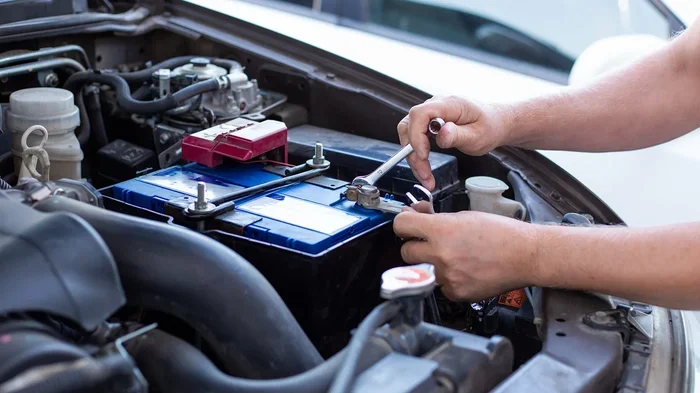
Step 4: Replace the Sensor Battery
Each TPMS sensor has a small internal battery. When this battery dies, the sensor stops sending accurate readings. The warning light comes on as a result. Replacing the battery is easy and costs less than ten dollars.
You will need a small socket wrench, a new battery (usually a CR2032 or CR1632 depending on your sensor model), and a clean workspace. Here is how to do it:
- Remove the tire from the wheel or lift the vehicle with a jack
- Unscrew the sensor from the valve stem using the socket wrench
- Open the sensor housing and remove the old battery
- Insert the new battery, matching the positive and negative sides
- Reassemble the sensor and screw it back onto the valve stem
- Reset the TPMS system following the steps above
Can I take my Toyota to any dealership for warranty work? If your car is still under warranty, the sensor replacement may be covered. Check with your dealer first before doing it yourself.
Step 5: Clean the Sensor and Surrounding Area
Dirt, road salt, and brake dust can build up around the sensor and valve stem. This buildup can interfere with the sensor’s signal and cause false readings. Use a wire brush and some soapy water to clean the area thoroughly.
Make sure the sensor is dry before reinstalling it. Moisture trapped inside the sensor can damage the electronics and shorten the battery life. A clean sensor works better and lasts longer.
Common Mistakes That Cause the TPMS Light to Return
You fixed the light, but it came back a week later. Frustrating, right? Here are the most common mistakes that cause this problem.
Not Checking All Four Tires
Many people only check the front tires. But the TPMS monitors all four wheels. If one tire is low, the light comes on. Always check every single tire, including the spare if it has a sensor.
Overinflating the Tires
Adding too much air is just as bad as having too little. Overinflated tires wear unevenly and can trigger the TPMS light. Always use a gauge to verify the exact pressure before and after adding air.
Ignoring Temperature Changes
How long can a car sit in cold weather before tire pressure drops? Even a few hours in cold temperatures can reduce tire pressure by 1 to 2 PSI. This is completely normal and does not mean you have a leak. Temperature swings are one of the biggest triggers for false TPMS warnings.
Similarly, how hot can a car get in the sun can affect pressure readings. Heat causes air inside the tire to expand, which can temporarily raise pressure. If you check your tires after the car has been sitting in direct sun, wait for them to cool down first.
Skipping the Reset After Adding Air
This is the number one mistake people make. You add air to the tire, but you forget to reset the TPMS system. The sensor has already recorded the low pressure event, and it will keep the light on until you manually reset it. Always reset after any pressure adjustment.
Using the Wrong Tire Pressure
Every car has a different recommended tire pressure. Using the wrong number can cause the TPMS to trigger. Always check the sticker on the driver’s door or your owner’s manual. Do not use the pressure listed on the tire sidewall. That number is the maximum pressure, not the recommended pressure.
When to Call a Professional
Most TPMS issues are simple fixes you can do at home. But there are times when it is smart to call in the experts. Here is when to make that call.
- The TPMS light stays on after you have reset the system and checked all tires
- You hear a hissing sound from a tire, indicating a significant leak
- The sensor body is visibly damaged or corroded
- Multiple sensors are triggering the warning at the same time
- Your vehicle requires a special TPMS tool for recalibration
A professional mechanic has access to specialized diagnostic tools. They can read sensor data and identify problems that are not visible to the naked eye. Sometimes the sensor needs to be replaced, and a pro can handle that quickly and correctly.
Keep in mind that how long can car parts be on backorder varies. If your sensor needs replacement, ask your dealer about availability and lead times before scheduling the service.
Preventing Future TPMS Problems
The best way to deal with a low tire pressure sensor is to prevent problems before they start. Here are some simple habits that keep your TPMS working properly.
Check Tire Pressure Monthly
Get in the habit of checking your tire pressure once a month. This takes just a few minutes and catches small problems before they trigger the TPMS light. It also improves your fuel economy and extends tire life.
Keep Valve Caps On
Always replace valve caps after checking pressure. These small caps protect the valve stem from dirt and moisture. A missing cap can lead to slow leaks that trigger the sensor.
Rotate Tires Regularly
Tire rotation helps ensure even wear across all four tires. Uneven wear can affect pressure readings and sensor performance. Most experts recommend rotating tires every 5,000 to 7,500 miles.
Replace Sensor Batteries on Schedule
TPMS sensor batteries typically last 5 to 10 years. If your car is getting older, keep track of battery life. Proactively replacing the battery before it dies prevents unexpected TPMS warnings.
Avoid Road Hazards When Possible
Potholes, curbs, and road debris can damage sensors and valve stems. Driving carefully and avoiding rough road surfaces helps protect your TPMS components from damage.
Quick Tips for a Perfect Tire Pressure Check
Here are some fast tips to make your tire pressure checks easier and more accurate:
- Always check tire pressure when the tires are cold, meaning the car has been parked for at least three hours
- Keep a tire pressure gauge in your glove box so it is always handy
- Write down the recommended pressure for each tire in your glove box
- Check the spare tire pressure too, especially if it has a sensor
- Use the same tire pressure gauge every time for consistent readings
- Check pressure before long road trips to ensure safety and fuel efficiency
Expert Insights on Tire Pressure Sensors
Automotive experts agree that most TPMS warnings are not caused by a bad sensor. They are caused by simple issues like low air pressure, temperature changes, or a forgotten reset. The key is to stay calm and work through the troubleshooting steps systematically.
Many drivers do not realize that the sensor itself can last the lifetime of the tire in most cases. The battery is the weak point, and it is an inexpensive and easy component to replace. You do not need to replace the entire sensor unit unless the sensor body is physically damaged.
Regular maintenance and awareness go a long way. A few minutes of attention each month can prevent most TPMS issues from becoming costly repairs.
Conclusion
Fixing a low tire pressure sensor without replacing it is easier than most people think. The key is to stay calm, check your tire pressure first, reset the system, and inspect the valve stem for leaks. In most cases, these simple steps resolve the issue completely.
Remember that cold weather and hot weather can both trigger false readings. Always check conditions before assuming something is wrong. Replace the sensor battery if it is dead, and never skip the reset step after making any adjustment.
By following the steps in this guide, you can save time and money. You will also gain confidence in handling basic car maintenance on your own. The next time that yellow TPMS light comes on, you will know exactly what to do.
Keep your tires properly inflated, maintain your sensors, and drive safely. Your car will thank you for it.
Frequently Asked Questions
Can I fix my own tire pressure sensor?
Yes, in most cases you can fix a low tire pressure sensor yourself without replacing it. Simple steps like checking tire pressure, resetting the TPMS system, and inspecting the valve stem often resolve the issue. You do not need special tools or professional training for these fixes.
How do I reset my tire pressure sensor?
To reset your TPMS sensor, locate the reset button under the steering column or on the dashboard. Turn the ignition to the on position, press and hold the button until the light blinks three times, then release. Start the engine and drive for 15 to 20 minutes to allow the system to recalibrate.
Why does my tire pressure light come back after I reset it?
The light usually comes back because the underlying issue was not fully resolved. This could be a slow leak, a dead sensor battery, a damaged valve stem, or a need for recalibration after temperature changes. Go back through each troubleshooting step to find and fix the root cause.
How much does it cost to replace a tire pressure sensor battery?
Replacing a TPMS sensor battery costs between five and fifteen dollars for the battery itself. If you do it yourself, you only pay for the battery. If a shop does it, labor adds around twenty to fifty dollars. Either way, it is much cheaper than replacing the entire sensor unit.
Can cold weather cause a low tire pressure sensor warning?
Yes, cold weather can cause tire pressure to drop by 1 to 2 PSI for every 10 degree drop in temperature. This is normal and often triggers the TPMS light. Check your tire pressure when the tires are cold and add air if needed, then reset the system.
How long does a tire pressure sensor battery last?
A TPMS sensor battery typically lasts between five and ten years. The exact lifespan depends on driving conditions, climate, and how often the sensor transmits data. If your car is over five years old and the TPMS light keeps coming on, a dead battery is a likely cause.
=== SEO METADATA ===
SEO Title: How to Fix a Low Tire Pressure Sensor Without Replacing It
Meta Title: Fix Low Tire Pressure Sensor Without Replacing It
Meta Description: Learn how to fix a low tire pressure sensor without replacing it. Save money with simple DIY steps, tips, and troubleshooting for your TPMS light.
URL Slug: how-to-fix-low-tire-pressure-sensor-without-replacing-it
Internal Links Used:
1. Can I Fix My Own Tire Pressure Sensor
2. Can You Check Tire Pressure On The Dashboard
3. How Long Can A Car Sit In Cold Weather
4. How Hot Can A Car Get In The Sun