Does Car Insurance Cover Rodent Damage to Your Vehicle
Car insurance may cover rodent damage, but only if you have comprehensive coverage. Standard liability policies do not pay for damage caused by mice, rats, or other pests. This guide explains exactly what car insurance covers for rodent damage, how to file a claim, and steps to prevent future infestations.
Key Takeaways
- Comprehensive coverage is required: Rodent damage is only covered under comprehensive car insurance, not basic liability.
- Claim approval depends on evidence: You must document the damage and prove it was caused by rodents, not wear and tear.
- Deductibles apply: You will pay your deductible before your insurance kicks in for rodent damage repairs.
- Prevention matters: Taking steps to deter rodents can help you avoid costly repairs and denied claims.
- Older vehicles are at higher risk: Cars parked for long periods or in rural areas are more vulnerable to rodent infestations.
- Act quickly after damage: File your claim promptly and gather evidence to improve your chances of approval.
- Repairs can be expensive: Rodent damage to wiring, engines, and interiors can cost hundreds to thousands of dollars.
📑 Table of Contents
- Does Car Insurance Cover Rodent Damage to Your Vehicle?
- What Causes Rodent Damage to Cars?
- Does Car Insurance Cover Rodent Damage?
- How to File a Rodent Damage Insurance Claim
- How Much Does Rodent Damage Repair Cost?
- How to Prevent Rodent Damage to Your Car
- Common Mistakes People Make With Rodent Damage Claims
- Expert Insights on Rodent Damage and Insurance
- Conclusion
Does Car Insurance Cover Rodent Damage to Your Vehicle?
Finding chewed wires or nests in your car engine is frustrating. You wonder, “Will my car insurance cover rodent damage?” The answer is not a simple yes or no. It depends on your policy type, your coverage limits, and the details of the damage. This article breaks down everything you need to know about filing a claim for rodent damage.
Rodents can cause serious harm to your vehicle. They chew through wiring, insulation, and even seat cushions. The repair costs can add up fast. Understanding your auto insurance coverage helps you avoid surprise bills and know exactly what to expect.
Whether you drive a new car or an older model, rodent infestations do not care. They strike parked cars in garages, driveways, and even dealer lots. Let us walk through how car insurance claims work for this type of damage and what you can do to protect yourself.
What Causes Rodent Damage to Cars?
Rodents are naturally drawn to vehicles for several reasons. Understanding why they target your car helps you take better prevention steps. Here are the most common causes:
- Warm engine compartments: Mice and rats love the heat from your engine. It keeps them warm during cold months.
- Chewable materials: Wiring insulation, hoses, and belts are made from materials rodents find irresistible.
- Parked cars for long periods: A car sitting unused for weeks gives rodents time to nest undisturbed.
- Food crumbs inside the car: Even small food particles attract rodents into your cabin and trunk.
- Rural and wooded areas: Cars parked near fields, forests, or trails face higher rodent exposure.
- Seasonal migration: Rodents seek shelter as temperatures drop, often choosing cars as their winter home.
Common Areas of Rodent Damage
Rodents do not just chew randomly. They target specific parts of your vehicle where damage is most likely to occur:
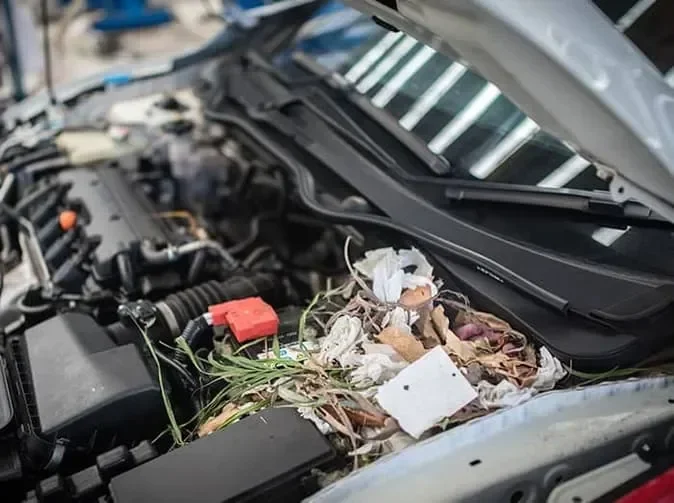
- Engine wiring: This is the most common and expensive area affected. Chewed wires can cause electrical failures and even engine misfires.
- Air filters and intake systems: Rodents build nests in air filter boxes, blocking airflow and reducing engine performance.
- Seat upholstery and carpeting: Mice shred fabric for nesting material, ruining interior surfaces.
- Battery cables: Corroded or chewed cables can prevent your car from starting.
- Plastic panels and trim: Rodents gnaw on interior and exterior plastic pieces, causing cosmetic and structural damage.
Does Car Insurance Cover Rodent Damage?
The short answer is: it depends on your policy. Comprehensive car insurance is the type of coverage that typically includes rodent damage. Let us look at the different coverage types and what each one covers.
Comprehensive Coverage and Rodent Damage
Comprehensive coverage is the part of your auto insurance policy that pays for damage not caused by a collision. This includes theft, vandalism, weather events, and yes, rodent damage to your vehicle. If you have comprehensive coverage and your car suffers rodent damage, your insurance company should cover the repair costs minus your deductible.
Here is what comprehensive coverage typically includes:
- Rodent damage to wiring, engine components, and interior
- Damage from other animals such as deer or birds
- Vandalism and theft-related damage
- Weather-related damage like hail, flooding, and fire
- Falling objects that damage your vehicle
Liability Coverage Does Not Cover Rodent Damage
It is important to understand that liability insurance only covers damage you cause to other people or their property. It does not pay for damage to your own vehicle from any cause, including rodents. If you only have liability coverage, you will pay for rodent repairs out of pocket.
Similarly, collision insurance covers damage from accidents with other vehicles or objects. Rodent damage does not fall under collision. You need comprehensive coverage for this type of claim.
If you are unsure whether you have comprehensive coverage, check your policy or contact your insurance provider. You can also look at how much collision insurance on an older car costs versus comprehensive to decide if adding or keeping comprehensive is worth it.
Factors That Affect Rodent Damage Claims
Not every rodent damage claim gets approved automatically. Insurance companies look at several factors before deciding to pay out:
- Policy type: You must have comprehensive coverage on your policy.
- Evidence of rodent activity: You need to provide proof such as photos of nests, chew marks, or droppings near the damaged area.
- Vehicle storage location: Cars stored in garages or covered areas may be viewed differently than those parked outside.
- Maintenance history: If your car was well-maintained and the damage looks sudden, claims are more likely to be approved.
- Claims history: Frequent claims may lead to higher premiums or denial.
How to File a Rodent Damage Insurance Claim
Filing a claim for rodent damage follows a similar process to other comprehensive insurance claims. Here is a step-by-step guide to help you navigate the process smoothly.
Step 1: Document the Damage
Before you touch anything, take clear photos and videos of all the damage. Capture close-ups of chewed wires, nests, and any visible rodent evidence. These images serve as your primary evidence for the claim.
Step 2: Contact Your Insurance Company
Call your insurance provider as soon as you discover the damage. Report the incident and ask about the specific claims process for rodent damage. Your insurer will assign a claim number and may ask for initial photos or a written description.
Step 3: Get an Inspection
Your insurance company may send an adjuster to inspect the damage. In some cases, they will ask you to take the vehicle to an approved repair shop. The adjuster will assess the extent of the damage and determine whether it was caused by rodents.
Step 4: Get Repair Estimates
Ask your mechanic or repair shop for a detailed estimate. The estimate should list every damaged component and the cost to repair or replace it. Share this with your insurance company as part of your claim.
Step 5: Pay Your Deductible and Get Repairs
Once the claim is approved, you pay your deductible. Your insurance company covers the remaining cost up to your policy limits. After payment, you can proceed with the repairs.
How Much Does Rodent Damage Repair Cost?
The cost of repairing rodent damage varies widely. It depends on the extent of the damage, your vehicle model, and which parts need replacing. Here is a general breakdown:
| Type of Damage | Estimated Cost Range |
|---|---|
| Minor wiring damage | $100 – $500 |
| Major wiring harness replacement | $500 – $2,000 |
| Engine damage from chewed wires | $1,000 – $4,000 |
| Interior upholstery repair | $200 – $1,000 |
| Full interior restoration | $1,000 – $3,000 |
| Air filter and intake system damage | $150 – $600 |
These costs can add up quickly. This is why having comprehensive coverage is so important. Without it, you bear the full financial burden of rodent damage repair costs.
To understand how your vehicle’s value affects your claim, you can learn about how to determine the actual cash value of a car. This knowledge helps you understand what your insurance company considers when assessing damage.
How to Prevent Rodent Damage to Your Car
Prevention is always better than dealing with a claim. Taking proactive steps can save you hundreds or even thousands of dollars in repair costs. Here are the most effective prevention methods:
- Park in well-lit, open areas: Rodents prefer dark, hidden spaces. Parking in open, well-lit areas discourages them from nesting.
- Use peppermint oil or rodent deterrents: Soak cotton balls in peppermint oil and place them near the engine compartment. Rodents dislike the smell.
- Keep your car clean: Remove all food crumbs and trash from your vehicle regularly. Do not leave snacks or wrappers inside.
- Seal entry points: Check for gaps around the hood, trunk, and wheel wells. Seal any openings with steel wool or metal mesh.
- Drive your car regularly: A car that is driven frequently is less attractive to rodents. The noise and vibration disturb nesting rodents.
- Use rodent-repellent tape: Some companies make tape treated with capsaicin or other deterrents. Wrap it around wiring harnesses.
- Store your car in a garage: A closed garage reduces rodent access significantly compared to open-air parking.
- Check under the hood regularly: Open your hood once a week and look for signs of nesting, droppings, or chew marks.
Common Mistakes People Make With Rodent Damage Claims
Avoid these common pitfalls that can lead to a denied claim or lower payout:
- Waiting too long to report: Delaying your claim can raise suspicions with your insurer. Report damage as soon as you discover it.
- Not documenting properly: Vague or insufficient evidence makes it hard for your insurer to approve the claim.
- Ignoring small signs of rodents: A few droppings today can become a full infestation tomorrow. Address rodent activity early.
- Assuming all policies cover rodent damage: Not all policies include comprehensive coverage. Always verify your policy details.
- DIY repairs before the claim: Do not attempt repairs before your insurance adjuster inspects the damage. This can complicate your claim.
Expert Insights on Rodent Damage and Insurance
Insurance experts agree that rodent damage claims have been rising in recent years. Warmer winters and urban expansion into natural habitats have increased rodent activity near vehicles. Here is what industry professionals recommend:
“Always keep your comprehensive coverage active, even on older vehicles,” says one insurance agent. “Rodent damage can be surprisingly expensive, and without comprehensive coverage, you are paying entirely out of pocket.”
Another expert suggests, “If you park your car for extended periods, invest in rodent deterrents. It is a small cost that can save you from a major claim. And if damage does occur, document everything immediately.”
Understanding your car insurance policy coverage is the first line of defense. Know exactly what is included and what is not. This knowledge empowers you to make smart decisions about your vehicle and your insurance.
Conclusion
Car insurance can cover rodent damage, but only if you have comprehensive coverage. Liability and collision policies do not pay for pest-related damage to your vehicle. If you want protection against rodent infestations, make sure comprehensive coverage is part of your auto insurance policy.
Prevention plays a huge role too. Simple steps like parking in open areas, using deterrents, and keeping your car clean can significantly reduce your risk. And if damage does occur, act fast. Document everything, file your claim promptly, and work closely with your insurance adjuster.
Taking the time to understand your coverage today can save you from unexpected expenses tomorrow. Protect your vehicle, protect your wallet, and do not let rodents catch you off guard.
Frequently Asked Questions
Will my car insurance pay for rodent damage if I only have liability coverage?
No, liability coverage does not pay for damage to your own vehicle. You need comprehensive coverage for rodent damage claims. If you only have liability, you will need to pay for all repairs yourself. Consider upgrading your policy to include comprehensive coverage.
How long does it take to process a rodent damage insurance claim?
Most insurance companies process comprehensive claims within two to four weeks. The timeline depends on the complexity of the damage and how quickly you provide evidence. Having clear photos and documentation speeds up the process significantly.
Does my deductible apply to rodent damage claims?
Yes, your deductible applies. You will pay your deductible amount first, and your insurance company covers the rest up to your policy limits. Deductibles for comprehensive coverage are typically lower than collision deductibles.
What should I do if I notice rodent damage while driving?
Pull over safely and inspect your vehicle. Do not continue driving if you suspect chewed wires or engine damage. Call a tow truck if needed and contact your insurance company right away. Document everything with photos before any repairs are made.
Can I be denied a rodent damage claim?
Yes, claims can be denied if you do not have comprehensive coverage, if you fail to provide sufficient evidence, or if the insurer determines the damage was pre-existing or caused by neglect. Always maintain proper documentation and report damage promptly to avoid denial.
Are certain car brands more susceptible to rodent damage?
Yes, some brands and models are more prone to rodent damage. Vehicles with soy-based wiring insulation or those parked in rural areas face higher risk. Toyota, Ford, and Honda models have been reported frequently for rodent issues. Check with your mechanic about rodent-resistant wiring options for your specific vehicle.
=== INTERNAL LINKS ===
If you are dealing with vehicle damage and wondering about coverage, check out our article on does car insurance cover repairs for more details on what your policy includes.
For older vehicles, understanding your coverage options is important. Learn more about collision insurance on an older car to make informed decisions about your policy.
If you need to assess the value of your vehicle after damage, our guide on how to determine the actual cash value of a car can help you understand what your insurance company evaluates.