How Reliable Are NADA Values When Buying Used Cars
NADA Values are a popular car valuation guide used by millions of buyers and sellers. They offer a helpful starting point for used car pricing, but they are not always perfectly accurate. Understanding their strengths and limitations helps you make smarter car buying decisions.
SEO Title: How Reliable Are NADA Values When Buying Used Cars
Meta Title: NADA Values Reliability Guide for Used Car Shopping
URL Slug: /nada-values-reliability-used-cars
Are NADA Values trustworthy when you are shopping for a used car? Many buyers rely on these numbers, but how accurate are they really? NADA Values serve as a popular car valuation guide used by dealers, buyers, and sellers every day. They provide a quick estimate of what a vehicle might be worth in the current market value. However, these numbers have limitations that every smart buyer should understand before making a purchase.
When you are buying a used car, knowing the fair price is everything. You do not want to overpay, and you do not want to lowball a seller either. NADA Values are one of the most widely used car pricing tools available today. They give you a quick number to reference during negotiations. But are they always right? The honest answer is both yes and no. Let us dive into what NADA Values really are, how they work, and how you can use them to your advantage.
Key Takeaways
- Solid Starting Point: NADA Values give you a reliable baseline for used car pricing and market value estimates.
- Not the Final Word: These numbers do not account for every variable, so always compare them with other sources.
- Condition Matters: The same vehicle can have very different values based on its vehicle condition and maintenance history.
- Compare Multiple Guides: Use NADA Values alongside Kelley Blue Book and Edmunds for a fuller picture.
- Negotiation Power: Knowing NADA Values gives you real negotiation leverage when talking to dealers or private sellers.
- Check Local Markets: Regional pricing differences can make a big difference in what a car is actually worth.
- Use Them as a Tool, Not a Rule: NADA Values work best when combined with your own research and inspection.
📑 Table of Contents
What Are NADA Values?
NADA Values come from the National Automobile Dealers Association. This organization has been setting vehicle appraisal standards for decades. Their values are used across the automotive industry to estimate what a car is worth. You will find NADA Values referenced by dealers, banks, insurance companies, and individual buyers.
The guide covers a wide range of vehicles. From new cars to older models, NADA Values attempt to capture the depreciation curve for nearly every make and model. They break down pricing into several categories. Each category serves a different purpose in the buying or selling process.
The Different Value Types in NADA
NADA Values are not just one number. They give you several price points to consider. Here are the main types you will see:
- Trade-In Value: This is what a dealer will likely offer you if you are trading your car in. It is usually the lowest number.
- Private Party Value: This reflects what a car might sell for between two individuals. It sits between trade-in and retail.
- Dealer Retail Value: This is what a dealer would ask for the vehicle. It is typically the highest number.
- Certified Pre-Owned Value: This applies to vehicles that have been inspected and certified by the manufacturer or dealer.
Each of these values serves a different role. When you are buying a used car, the private party value and dealer retail value matter most. When you are selling or trading in, the trade-in value becomes your reference point.
How NADA Values Are Calculated
Understanding how NADA Values are calculated helps you trust them more. The numbers are not pulled out of thin air. They come from real-world data collected across the automotive market.
What Data Goes Into the Calculation?
NADA Values are built from millions of transactions. The organization collects data from dealer sales, auction results, and retail listings. They also factor in regional demand and seasonal trends. All of this data is analyzed to create the average values you see in the guide.
Here are the key factors that go into the calculation:
- Vehicle make and model: Popular brands tend to hold value better than niche ones.
- Year of production: Newer cars depreciate faster in the first few years.
- Mileage: Higher mileage generally means a lower value.
- Condition ratings: NADA uses categories like excellent, good, fair, and poor.
- Optional features: Add-ons like leather seats, navigation, and safety packages can boost value.
- Regional market trends: Some areas have higher demand for certain types of vehicles.
The more data points they have, the more accurate the NADA Values tend to be. However, no dataset is perfect. There will always be outliers and gaps in the data.
How Vehicle Condition Affects the Number
Vehicle condition plays a huge role in the final NADA Value. The guide uses a simple rating system. A car rated as “excellent” will have a much higher value than one rated as “fair.” But here is the tricky part. These ratings are subjective. What one person calls “excellent” might look different to another buyer.
For example, a car with a clean vehicle history report and no accidents might be rated excellent by one dealer and good by another. This subjectivity can lead to differences of several hundred dollars. Always be honest about your vehicle’s condition when looking up values.
Are NADA Values Accurate?
This is the million-dollar question. The short answer is that NADA Values are fairly accurate as a baseline. They give you a solid starting point for used car pricing. But they are not a guarantee of what any specific car will sell for.
When NADA Values Work Well
NADA Values shine in certain situations. They work great for:
- Getting a quick estimate before you start shopping
- Understanding the general price range for a specific vehicle
- Comparing different models side by side
- Setting a realistic budget for your car buying goals
- Having a reference point during negotiations
If you are buying a common model with a clean history, NADA Values will likely be close to the actual market price. The more common the vehicle, the more reliable the data tends to be.
When NADA Values Fall Short
There are times when NADA Values may not reflect reality. Here are some common scenarios:
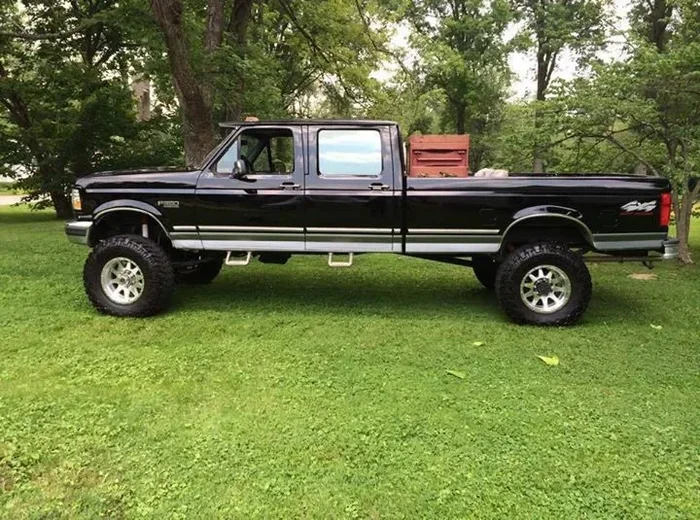
- Rare or collectible vehicles: These cars often sell for more than any guide suggests because of niche demand.
- Heavily modified cars: Aftermarket upgrades can increase or decrease value in ways NADA does not capture.
- Vehicles with accident history: A car with a salvage title or major repairs may be worth far less than the guide suggests.
- Rapidly changing markets: Supply chain issues or sudden demand shifts can make guide values outdated quickly.
- Cars in poor condition: If a vehicle has mechanical problems, the NADA Value may not reflect the true cost of ownership.
In these cases, you need to do additional research. A professional vehicle appraisal from a trusted source can give you a more accurate number.
Quick Tips for Checking NADA Values
- Always check the vehicle condition rating that matches the car you are looking at.
- Look up values for the specific trim level and engine option.
- Compare the NADA Value with listings on local marketplaces.
- Check the date of the NADA Values you are using. Older data may be outdated.
- Use the values as a range, not a fixed price.
NADA Values vs. Other Pricing Guides
NADA Values are not the only car pricing tool available. Other guides offer their own take on used car pricing. Comparing them helps you get a fuller picture of what a car is really worth.
| Feature | NADA Values | Kelley Blue Book | Edmunds |
|---|---|---|---|
| Primary Users | Dealers and lenders | Consumers and dealers | Consumers and dealers |
| Value Categories | Trade-in, Private Party, Retail | Trade-in, Private Party, Retail | Trade-in, Private Party, Retail |
| Data Sources | Dealer transactions, auctions | Consumer trade-ins, sales | Market data, expert reviews |
| Condition Ratings | Excellent, Good, Fair, Poor | Good, Average, Fair | Excellent, Good, Fair, Poor |
| Free Access | Limited free access | Free basic access | Free basic access |
| Regional Adjustments | Yes | Yes | Yes |
| Best For | Dealer transactions and loans | Consumer buying and selling | Detailed car research |
NADA Values vs. Kelley Blue Book
Kelley Blue Book (KBB) is perhaps the most well-known car valuation guide among consumers. While NADA Values focus heavily on dealer transactions, KBB leans more toward consumer-facing data. Both guides use similar categories and data sources, but they sometimes produce different numbers for the same vehicle.
The differences come from how each organization weights its data. KBB may give more weight to consumer trade-in transactions, while NADA focuses on wholesale and retail dealer data. This is why you should always check both guides before making a decision.
NADA Values vs. Edmunds
Edmunds offers a more detailed approach to used car pricing. Their True Market Value tool includes factors like mileage impact and specific feature breakdowns. Edmunds also provides a “Fair Purchase Price” estimate, which is often more precise than a single NADA Value number.
However, Edmunds is best used as a complement to NADA Values, not a replacement. Using multiple car pricing tools together gives you the strongest negotiation leverage when buying or selling.
How to Use NADA Values When Buying a Used Car
Now that you understand what NADA Values are and how they work, let us talk about how to actually use them. Simply looking up a number is not enough. You need to use the data wisely.
Using NADA for Trade-In Negotiations
If you are trading in your current car, NADA Values give you a starting point. Walk into the dealer knowing the trade-in value for your vehicle. This prevents the dealer from lowballing you. Use the private party value as your target, and the trade-in value as your floor.
Remember, dealers need to make a profit. They will not give you the full private party value. But knowing the NADA Value gives you a factual basis for your counteroffer. It shows the seller you have done your homework and you are serious about a fair deal.
Using NADA for Private Party Purchases
When buying from a private seller, NADA Values help you determine a fair purchase price. Look up the private party value for the specific vehicle. Then check local listings to see what similar cars are selling for in your area.
If the seller is asking significantly more than the NADA Value, you have room to negotiate. If the price is at or below the guide number, you may be getting a good deal. Always factor in the vehicle condition and any needed repairs when making your offer.
Using NADA for Financing Decisions
Banks and lenders often use NADA Values to determine your car loan amount. If you are financing your purchase, the lender will base the loan on the vehicle’s appraised value. This means a higher NADA Value can help you qualify for a larger loan. It also affects your down payment requirements.
Before you apply for financing, check the NADA Value for the car you want to buy. Make sure the loan amount aligns with the vehicle’s value. Being underwater on a car loan is a situation you want to avoid at all costs.
Common Mistakes to Avoid
Even with a good tool like NADA Values, buyers make mistakes. Here are the most common ones to watch out for:
- Using outdated values: NADA Values are updated regularly. Always check for the most recent edition.
- Ignoring local market conditions: A car might be worth more in a warm climate than in a cold one. Regional pricing differences matter.
- Skipping the vehicle inspection: No pricing guide can replace a thorough inspection. Always get a pre-purchase check.
- Relying on a single source: Use NADA Values alongside other guides and real listings for the best accuracy.
- Forgetting about fees and taxes: The NADA Value is the base price. Add taxes, title fees, and dealer charges to get the total cost.
- Overvaluing aftermarket mods: Custom upgrades rarely add dollar-for-dollar value. Stick to factory options when possible.
Expert Insights on NADA Value Reliability
Industry professionals have mixed views on the reliability of NADA Values. Many dealers use them as a baseline for pricing. However, experienced buyers know that the real world does not always follow the guide.
“NADA Values are a great starting point, but they are not gospel,” says one veteran dealer. “I always tell my customers to look at actual local listings. The guide gives you the average, but every car is unique.”
This advice holds true for both buyers and sellers. The more data you have, the better your decisions will be. Use NADA Values as one tool in your toolkit, not the only one. Pair them with a vehicle history report, a physical inspection, and your own common sense.
Final Thoughts on NADA Value Reliability
So, how reliable are NADA Values when buying a used car? They are a trustworthy car valuation guide that gives you a solid baseline for used car pricing. They work best when you use them as part of a broader strategy. Combine them with local research, vehicle inspections, and other pricing tools for the best results.
NADA Values will not tell you everything about a specific car. They cannot account for every variable. But they give you the knowledge to walk into a negotiation with confidence. That alone makes them a valuable resource for any car buyer.
The next time you are shopping for a used car, start with NADA Values. Check the numbers, compare them with local listings, and adjust for condition and mileage. This approach will help you find a fair purchase price and avoid overpaying. Armed with the right information, you can buy with confidence and drive away knowing you got a good deal.
Frequently Asked Questions
Are NADA Values the Same as Market Value?
NADA Values are an estimate of market value, but they are not always the exact price a car will sell for. They represent an average based on large datasets. Individual transactions may vary based on condition, location, and demand.
Can I Trust NADA Values More Than Kelley Blue Book?
Neither guide is inherently more trustworthy. Both NADA Values and Kelley Blue Book use solid data sources. The best approach is to check both and compare the numbers. If they are close, you have a reliable estimate. If they differ significantly, dig deeper into why.
How Often Are NADA Values Updated?
NADA Values are updated regularly to reflect current market trends. The frequency of updates can vary by vehicle and region. Always use the most recent version of the guide to ensure your numbers are current and accurate.
Do NADA Values Account for Accident Damage?
NADA Values assume a vehicle is in its standard condition for its rating. They do not specifically account for accident damage. A car with a history of collisions will likely be worth less than the guide suggests. Always get a vehicle history report before relying on any pricing guide.
Why Is There a Big Difference Between NADA and the Actual Listing Price?
Several factors can cause this gap. Regional pricing differences, the seller’s urgency, and the specific condition of the vehicle all play a role. NADA Values give you an average, but individual listings can be higher or lower based on these variables.
Are NADA Values Useful for Selling My Car?
Yes, NADA Values are very useful for selling. The private party value gives you a realistic target price. The trade-in value helps you understand what a dealer might offer. Using both numbers helps you set a fair asking price and negotiate effectively.