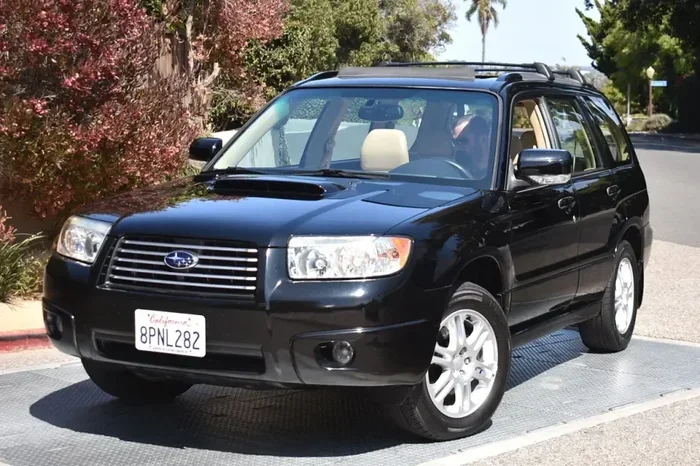
How Much Is a 2006 Subaru Forester Worth Right Now
The 2006 Subaru Forester holds its value surprisingly well thanks to its reputation for reliability and all-wheel drive capability. Depending on condition, mileage, and trim level, a 2006 Forester can range from around $2,000 to $7,500 in the current used car market. Understanding what drives this Subaru Forester value helps you buy or sell with confidence.
So you are looking at a 2006 Subaru Forester and want to know what it is really worth. Maybe you are thinking about buying one. Or perhaps you already own one and want to sell. Either way, you landed in the right place. Let us break down everything you need to know about the 2006 Forester price right now.
The Subaru Forester has always been a practical, dependable compact SUV. The 2006 model year is no exception. It came with standard all-wheel drive, a rugged design, and a reputation for lasting well beyond 200,000 miles. But what does all of that mean for your wallet today? Let us find out.
Key Takeaways
- Price Range: A 2006 Subaru Forester typically sells between $2,000 and $7,500 depending on condition and mileage.
- Trim Levels Matter: Higher trims like the XT and Limited command better prices in the used market.
- Condition Is King: Clean title, low mileage, and well-maintained mechanicals significantly boost resale value.
- AWD Advantage: The standard all-wheel drive system makes the Forester desirable year-round, adding to its worth.
- Parts Value: Even high-mileage Foresters hold value because Subaru parts remain widely available and affordable.
- Selling Tips: Private party sales typically yield the best return compared to trade-in offers.
- Market Demand: The Forester’s reputation for reliability keeps steady demand in the used car market.
📑 Table of Contents
- Understanding the 2006 Subaru Forester Value
- Current Market Pricing for the 2006 Subaru Forester
- Factors That Increase or Decrease Your Forester’s Worth
- Where to Sell or Buy a 2006 Subaru Forester
- Maintenance Tips to Protect Your Forester’s Value
- How the 2006 Forester Compares to Competitors
- Final Thoughts on the 2006 Subaru Forester Value
Understanding the 2006 Subaru Forester Value
When we talk about Subaru Forester value, we are really talking about several things at once. The 2006 Forester price depends on many factors. These include the vehicle’s condition, mileage, trim level, and where you live. Let us look at each of these more closely.
Why the 2006 Forester Still Holds Value
Subaru built a loyal fan base over the years. The Forester sits right at the heart of that loyalty. People trust these vehicles. They know they can drive a Forester for a long time without spending a fortune on repairs. That trust translates directly into resale value.
Here are a few reasons the 2006 Forester still commands a fair price today:
- Reliability: The EJ25 engine in the 2006 Forester is known for durability. Many owners report 200,000+ miles with proper maintenance.
- Standard AWD: Every 2006 Forester came with symmetrical all-wheel drive. That is a huge selling point in snowy or rainy climates.
- Ground Clearance: The Forester sits higher than most sedans. This makes it great for light off-road use and bad roads.
- Simple Design: The 2006 model is not overly complicated. Repairs are straightforward and parts are easy to find.
Even if you are checking NADA values or other pricing guides, the Forester consistently shows up as a solid choice in the used compact SUV segment.
How Trim Levels Affect the 2006 Forester Price
The 2006 Forester came in several trim levels. Each one affects the 2006 Forester price differently. Here is a quick look at what was available:
- Base (2.5X): The entry-level trim. It includes the essentials but lacks some comfort features. These sell for the lowest prices.
- 2.5XS: A step up with better audio, upgraded wheels, and more comfort features. Buyers pay a bit more for this trim.
- 2.5XT: The turbocharged version. This is the performance-oriented Forester. It has more power and usually sells for a premium.
- Limited: The top trim. Leather seats, automatic climate control, and more. These command the highest used Subaru Forester prices.
If you are buying, the base model offers the best value for money. If you are selling, having a Limited or XT trim helps you ask for a higher price. The turbocharged 2.5XT is especially sought after by enthusiasts.
Current Market Pricing for the 2006 Subaru Forester
Now let us get into the numbers. What can you actually expect to pay or receive for a 2006 Subaru Forester in today’s market? Prices vary widely, but here is a general breakdown.
Price Range by Condition
Condition is the single biggest factor in determining Subaru Forester value. Let us break this down into three categories:
| Condition Level | Typical Price Range | What to Expect |
|---|---|---|
| Excellent | $5,500 – $7,500 | Clean interior, no rust, service records available, low miles |
| Good | $3,500 – $5,500 | Minor wear and tear, runs well, some cosmetic issues |
| Fair | $2,000 – $3,500 | Higher mileage, visible wear, may need minor repairs |
These numbers reflect typical private party sales. Trade-in values from dealerships will usually be 10% to 20% lower. If you are trading in, expect to get less than these figures. But if you sell privately, you can capture more of the 2006 Forester price potential.
How Mileage Impacts Value
Mileage plays a huge role in any vehicle’s worth. For the 2006 Forester, here is what you should know:
- Under 100,000 miles: These models hold value very well. Many buyers see this as a long-term purchase.
- 100,000 to 150,000 miles: Still a solid range. The Forester’s engine can handle this mileage easily with proper care.
- Over 150,000 miles: Prices drop noticeably. However, a well-maintained high-mileage Forester can still be a great deal.
If you want a deeper dive into what mileage means for a car’s value, check out our guide on how many miles on a car is a red flag. It covers the warning signs and what to look for.
Factors That Increase or Decrease Your Forester’s Worth
Not all 2006 Foresters are created equal. Several factors can push the price up or pull it down. Understanding these helps you make a smarter buying or selling decision.
Things That Increase Value
- Clean Title: A clear, accident-free title is essential. Buyers will pay more for peace of mind.
- Service Records: If you have receipts showing regular oil changes and maintenance, that adds trust and value.
- Low Mileage: Obviously, fewer miles means more life left in the vehicle.
- Fresh Fluids and Filters: A recently serviced Forester signals to buyers that it has been well cared for.
- Cosmetic Condition: Clean paint, intact upholstery, and no rust go a long way.
- AWD with Good Tires: Fresh all-season tires on an AWD system make the car immediately more attractive.
Things That Decrease Value
- Accident History: Even minor accidents can reduce value significantly. Always get a vehicle history report.
- High Mileage Without Service: A Forester with 180,000 miles and no records will scare off most buyers.
- Rust or Body Damage: Rust on the frame or wheel wells is a major red flag.
- Check Engine Light: Any unresolved warning lights reduce buyer confidence. If you need help clearing one, read about how to clear a check engine code.
- Interior Wear: Torn seats, cracked dashboards, and stained carpeting lower the perceived value.
Where to Sell or Buy a 2006 Subaru Forester
Once you know what your Forester is worth, the next step is finding the right place to buy or sell. Where you transact matters a lot for the final price.
Best Places to Sell Privately
Selling privately almost always gets you the most money. Here are the top platforms to consider:
- Facebook Marketplace: Free to list and very popular for local car sales. You can reach buyers in your area quickly.
- Craigslist: A classic choice. Still widely used for used car transactions.
- CarGurus: This platform adds a layer of buyer trust. Listings here tend to attract serious shoppers.
- AutoTrader: A bit more formal, but it reaches a large audience of used car buyers.
When selling privately, take good photos. Write a detailed description. Be honest about any issues. Transparency builds trust and helps you sell faster.
Trading In at a Dealership
If convenience matters more than maximum price, trading in at a dealership is the way to go. You will get less money, but the process is faster and simpler. The dealership handles the paperwork and you can roll your Forester’s value right into a new purchase.
Keep in mind that the 2006 Forester price at a dealership trade-in will be lower. Dealers need to factor in reconditioning costs and their profit margin. That said, it is a perfectly valid option if you do not want to deal with private sales.
Selling to a Junkyard or for Parts
Even if your Forester is not running, it still has value. Subaru parts remain in high demand. The engine, transmission, and AWD components are all sought after. If your car is totaled or too worn to drive, you can still get money for it. You might even check if your Subaru catalytic converters have scrap value by reading our article on are Subaru catalytic converters worth anything.
Maintenance Tips to Protect Your Forester’s Value
If you own a 2006 Forester, keeping it in great shape protects your investment. Here are some practical tips to maintain or even improve your vehicle’s worth over time.
Regular Maintenance Schedule
Follow the maintenance schedule in your owner’s manual. Here are the key services to stay on top of:
- Oil Changes: Every 5,000 to 7,500 miles with quality synthetic oil.
- Timing Belt: The 2006 Forester’s timing belt should be replaced around 105,000 miles if not done already.
- Brake Inspections: Check pads and rotors regularly. Subaru brakes are robust but do wear over time.
- CV Boots: The front CV boots on AWD Foresters can crack. Inspect them and replace if needed.
- Coolant Flush: Every 30,000 miles or as specified in the manual.
Quick Tips to Boost Resale Value
- Keep a detailed service log. Paper trails matter to buyers.
- Fix small issues before they become big problems. A $50 repair now can save you hundreds in negotiation later.
- Wash and wax regularly. Paint protection prevents rust and keeps the car looking sharp.
- Address any interior stains or odors before listing the car for sale.
- Replace worn tires before selling. Good tires make a strong first impression.
If you are wondering about how much stuff you can fit in your Forester for a move or trip, we have you covered with tips on how much stuff you can put in your car. The Forester’s cargo area is surprisingly versatile.
How the 2006 Forester Compares to Competitors
To truly understand the 2006 Subaru Forester worth, it helps to compare it to similar vehicles from the same era. Here is how it stacks up:
Forester vs. Similar 2006 Compact SUVs
- Honda CR-V (2006): Similar in size and reliability. The CR-V tends to be slightly cheaper but also very dependable.
- Toyota RAV4 (2006): The RAV4 holds value comparably to the Forester. Both are excellent choices in the used compact SUV market.
- Mazda CX-7 (2006): More sporty but less practical. The CX-7 does not offer standard AWD on all trims.
- Suzuki XL-7 (2006): A budget option but less refined. The Forester outperforms it in nearly every category.
The Forester’s standard AWD and boxy design give it an edge in rugged usability. This is why it remains a popular choice among used car buyers looking for a dependable compact SUV.
Final Thoughts on the 2006 Subaru Forester Value
The 2006 Subaru Forester is a smart buy in the used car market. It offers reliability, AWD capability, and a price point that is hard to beat. Whether you are paying $2,000 for a runner or $7,500 for a well-kept Limited, you are getting a vehicle that will serve you well for years to come.
If you are buying, always get a pre-purchase inspection. If you are selling, invest a little time in cleaning and minor repairs. Both steps pay off in the final Subaru Forester value you achieve.
Remember that the used car market shifts with seasons, fuel prices, and economic conditions. The figures in this guide reflect current trends, but they can change. Use them as a starting point and adjust based on your specific vehicle and local market.
The 2006 Forester is more than just an old SUV. It is a proven platform that Subaru fans and practical buyers alike continue to trust. That trust is the foundation of its lasting value.
Frequently Asked Questions
What is the average price of a 2006 Subaru Forester?
The average price for a 2006 Subaru Forester ranges from about $2,000 to $7,500. The exact price depends on the trim level, mileage, and overall condition of the vehicle. Private party sales tend to fall in the middle of this range, while trade-in offers from dealerships will be on the lower end.
Is the 2006 Subaru Forester a reliable car?
Yes, the 2006 Forester is widely regarded as a reliable vehicle. The EJ25 engine and standard symmetrical all-wheel drive system are built to last. With regular maintenance, many owners report driving their Foresters well past 200,000 miles without major issues.
How does mileage affect the 2006 Forester price?
Mileage has a significant impact on the 2006 Forester price. Models under 100,000 miles hold the most value. Those between 100,000 and 150,000 miles still sell well at moderate prices. Vehicles over 150,000 miles are cheaper but can still be excellent buys if properly maintained.
What trim level of the 2006 Forester is worth the most?
The Limited and 2.5XT trims typically command the highest prices. The Limited comes with premium features like leather seats and automatic climate control. The 2.5XT adds a turbocharged engine that enthusiasts value. Base models sell for less but still offer great value for the money.
Can I get a good deal buying a used 2006 Forester today?
Absolutely. The 2006 Forester is past its depreciation peak, which means you can find solid examples at reasonable prices. Focus on vehicles with clean titles, service records, and moderate mileage. Always get a pre-purchase inspection before buying to avoid unexpected costs.
Are Subaru Foresters expensive to maintain?
Subaru Foresters are generally affordable to maintain, especially the 2006 model. Parts are widely available and reasonably priced. Common services like oil changes, brake jobs, and fluid replacements are straightforward. The biggest maintenance cost to watch for is the timing belt replacement, which should be done according to the maintenance schedule.