How Much Does It Cost to Fix an Overheating Car Today
The cost to fix an overheating car ranges from $100 for a simple thermostat replacement to over $2,000 for a blown head gasket. Most overheating repairs fall between $300 and $800 depending on the root cause and your vehicle model. Understanding the exact cause of your overheating car is the first step to getting a fair repair estimate and avoiding unnecessary expenses.
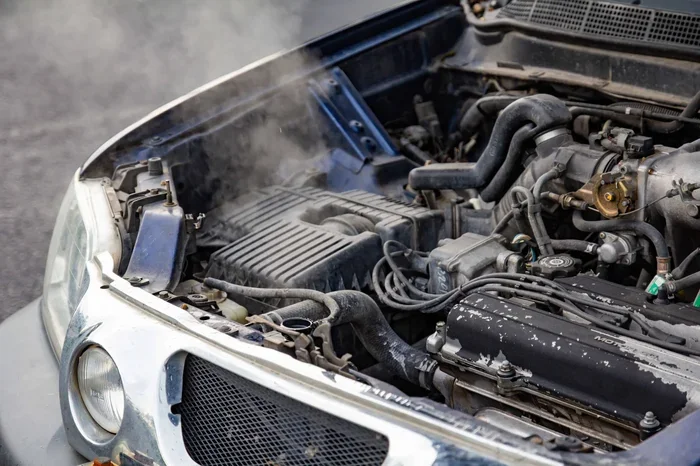
Your temperature gauge just spiked into the red zone. Steam is rising from under the hood. Your heart drops as you pull over to the side of the road. If this sounds familiar, you are not alone. Overheating is one of the most common car problems drivers face. And the real question on everyone’s mind is simple: how much is this going to cost?
The overheating car repair cost can vary wildly. A minor fix might set you back just a hundred dollars. A major repair could drain your wallet by two thousand or more. This guide breaks down every possible expense so you know exactly what to expect. We will cover the most common causes, what each repair involves, and how to avoid getting ripped off at the shop.
Understanding the cost to fix an overheating car starts with knowing what went wrong in the first place. Every vehicle has a cooling system that keeps the engine at a safe operating temperature. When something goes wrong in that system, heat builds up fast. The sooner you identify and address the problem, the less it will cost you. Ignoring an overheating engine is the fastest way to turn a small repair bill into a major financial disaster.
Key Takeaways
- Minor overheating fixes like thermostat or hose replacements cost $100-$400 and are quick repairs.
- Mid-range repairs such as radiator or water pump replacement run $300-$900 on average.
- Major overheating damage like a head gasket failure can cost $1,000-$2,500 or more.
- Driving an overheating car can turn a small fix into a catastrophic engine failure.
- Regular coolant flushes and inspections help prevent overheating problems before they start.
- DIY repairs can save you money on simple fixes, but complex issues need a professional mechanic.
- Location matters for repair costs, with labor rates varying significantly by region.
📑 Table of Contents
- Why Cars Overheat: The Most Common Causes
- Breakdown of Overheating Car Repair Costs
- How to Save Money on Overheating Repairs
- Can You Drive an Overheating Car?
- How Hot Can a Car Get? Understanding Temperature Limits
- When to Seek Professional Help vs. DIY
- Common Mistakes That Make Overheating Worse
- Final Thoughts on Overheating Car Repair Costs
Why Cars Overheat: The Most Common Causes
Before diving into repair costs, it helps to understand what is actually causing your car to overheat. The cooling system is a complex network of parts that work together. When even one component fails, the whole system suffers. Here are the most common culprits behind an overheating engine.
Low Coolant Levels
Coolant is the lifeblood of your car’s cooling system. It flows through the engine block, absorbing heat and carrying it away to the radiator. When coolant levels drop too low, the engine cannot regulate its temperature properly. Leaks in hoses, the radiator, or the water pump are the most common reasons coolant gets low. Topping off the coolant might seem like a quick fix, but it does not address the underlying leak. Ignoring a coolant leak will only lead to more serious problems down the road.
Faulty Thermostat
The thermostat is a small valve that opens and closes to regulate coolant flow. When it gets stuck closed, coolant cannot reach the radiator. The engine heats up rapidly, often within minutes of driving. Thermostat failures are incredibly common and usually inexpensive to fix. However, if you ignore a stuck thermostat, the consequences can escalate quickly.
Water Pump Failure
The water pump circulates coolant through the engine and radiator. It is driven by a belt or chain and works constantly while your engine runs. When the water pump fails, coolant stops moving. Heat builds up fast. Water pump replacement is a mid-range repair that typically costs between $400 and $700. The exact price depends on your vehicle make and model.
Radiator Problems
The radiator releases heat from the coolant into the air. Over time, radiators can develop leaks, get clogged, or suffer damage from road debris. A damaged radiator means the cooling system cannot do its job. Radiator replacement costs vary widely based on the type of radiator your vehicle needs. Some cars have aluminum radiators that are more expensive to replace. Others have plastic tanks that are prone to cracking and leaking.
Head Gasket Blowout
This is the nightmare scenario for any car owner. The head gasket sits between the engine block and the cylinder head. It keeps coolant and oil from mixing while sealing the combustion chambers. When a head gasket blows, coolant can leak into the cylinders or oil passages. This causes overheating, white smoke from the exhaust, and milky oil. A head gasket repair is one of the most expensive overheating fixes, often costing over $1,500. For more on whether you can keep driving when your engine shows warning signs, check out this guide on can I still drive my car if it says engine malfunction.
Clogged Catalytic Converter
A clogged catalytic converter can actually cause your car to overheat. When exhaust flow is restricted, heat builds up in the exhaust system and backs up into the engine. This is a less obvious cause of overheating that many drivers overlook. For a deeper look at this specific issue, read about clogged catalytic converter causes and bad catalytic converter overheating.
Breakdown of Overheating Car Repair Costs
Now let us get into the numbers. The table below gives you a realistic picture of what different overheating repairs cost at a typical auto shop. Keep in mind that prices vary by location, vehicle type, and the severity of the damage.
Repair Cost Comparison Table
Here is a general breakdown of common overheating repairs and their associated costs. These are national averages for parts and labor combined.
- Thermostat replacement: $100-$300. This is the most affordable overheating repair. The part itself costs around $30-$50, and labor takes about an hour.
- Coolant flush and refill: $100-$200. A routine service that prevents many overheating issues. Most shops charge $80-$120 for labor and $20-$40 for coolant.
- Radiator hose replacement: $100-$250. Hoses are wear items that need periodic replacement. The hose costs $15-$40, and labor is straightforward.
- Water pump replacement: $400-$700. This repair takes several hours of labor since the pump is often driven by the timing belt.
- Radiator replacement: $300-$900. The cost varies significantly depending on the vehicle. Some radiators are easy to access; others require extensive disassembly.
- Head gasket replacement: $1,000-$2,500. This is a major engine repair that involves removing the cylinder head. Labor is the biggest cost factor here.
- Cooling system pressure test: $50-$100. A diagnostic service that helps identify leaks. Most shops charge a flat fee for this test.
- AC condenser replacement: $400-$900. The AC condenser is part of the cooling system and can contribute to overheating when it fails.
As you can see, the overheating car repair cost spans a huge range. A simple thermostat fix costs less than a tank of gas for some people. A blown head gasket can cost more than the car is worth on older vehicles. This is why early detection matters so much.
Factors That Influence Repair Costs
Several factors determine exactly what you will pay to fix your overheating car. Understanding these can help you make informed decisions and avoid surprises.
- Vehicle make and model: Luxury and imported vehicles cost more to repair. Parts for a BMW or Mercedes will cost significantly more than parts for a Honda or Toyota. Domestic vehicles generally fall in the middle range.
- Labor rates: Independent shops typically charge $80-$120 per hour. Dealerships charge $100-$200 per hour. Your location also plays a role, with urban areas generally having higher labor rates.
- Extent of damage: If you caught the overheating early, the repair is likely simple and affordable. If you kept driving after the temperature gauge spiked, you may have caused additional damage. Warped cylinder heads, cracked engine blocks, and damaged pistons can all result from prolonged overheating.
- New vs. remanufactured parts: Many repair shops offer remanufactured parts as a cost-saving option. A remanufactured water pump or thermostat can save you 30-50% compared to a new OEM part. The trade-off is that remanufactured parts may not last as long.
- Warranty coverage: Some repairs may be covered under your vehicle’s powertrain warranty or extended warranty. Always check with your dealership or warranty provider before authorizing expensive repairs.
How to Save Money on Overheating Repairs
Nobody wants to spend more money than necessary on car repairs. Fortunately, there are several ways to keep your overheating repair costs down without sacrificing quality.
Get Multiple Estimates
Always get at least two or three repair estimates before committing to a major fix. Different shops may use different parts or quote different labor rates. You might find that one shop can do the same repair for several hundred dollars less. This is especially true for repairs like water pump or radiator replacement where labor time is significant.
Ask About Used or Aftermarket Parts
OEM parts from the dealership are the highest quality, but they come at a premium. Aftermarket parts from reputable brands like Gates, AC Delco, or Denso offer excellent quality at a lower price. Used parts from salvage yards can save you even more, but they come with no warranty. For most cooling system repairs, a quality aftermarket part is the best value.
Do Simple Repairs Yourself
If you are handy with tools, you can save a significant amount on labor by doing some repairs yourself. Thermostat replacement, coolant flush, and radiator hose replacement are all repairs that a motivated DIYer can handle with basic tools and a repair manual. The thermostat is one of the easiest replacements you can do at home. The part costs about $30, and the job takes about an hour.
Prevent Future Overheating
The best way to save money on overheating repairs is to prevent them from happening in the first place. Here are some simple maintenance tips that keep your cooling system healthy:
- Check coolant levels regularly: Look at the coolant reservoir at least once a month. Low coolant is the #1 cause of overheating.
- Flush the coolant on schedule: Most manufacturers recommend a coolant flush every 30,000 to 50,000 miles. Old coolant loses its effectiveness and can cause corrosion.
- Inspect hoses and belts: Look for cracks, bulges, or soft spots in your coolant hoses. Replace any that show signs of wear before they fail.
- Watch the temperature gauge: Get in the habit of glancing at your temperature gauge while driving. Catching an overheating trend early can prevent major damage.
- Address leaks immediately: If you notice a puddle of green, orange, or pink fluid under your car, get it checked right away. A small coolant leak can become a big problem fast.
Can You Drive an Overheating Car?
This is one of the most common questions drivers ask when their temperature gauge starts climbing. The short answer is: it depends on the situation. If your car just started overheating and you are close to a safe place, you might be able to drive a short distance. However, continuing to drive an overheating car is extremely risky.
When the engine runs too hot, metal parts expand and can warp or seize. The head gasket can blow. The engine block can crack. These are all catastrophic failures that turn a $200 repair into a $2,000+ repair or even a total loss. If your temperature gauge enters the red zone, pull over safely and turn off the engine as soon as possible.
After you have safely stopped, let the engine cool for at least 15-20 minutes before opening the hood. Never open the radiator cap while the engine is hot. Pressurized coolant can spray out and cause severe burns. Once the engine has cooled, check the coolant level and look for obvious leaks. If you cannot identify the problem, call a tow truck and have the vehicle taken to a repair shop.
Driving an overheating car can also cause damage that is not immediately visible. Internal engine components can be stressed by excessive heat even if the car does not seize up. This is why many mechanics recommend a full inspection after any overheating event, even if the car seems to run fine afterward.
How Hot Can a Car Get? Understanding Temperature Limits
Most car engines are designed to operate between 195°F and 220°F. When the temperature exceeds 230°F, you are entering the danger zone. At 245°F and above, engine damage becomes a real risk. Understanding these thresholds helps you know when to take action immediately.
Several factors affect how hot a car can get in different driving conditions. Stop-and-go traffic in summer heat is particularly hard on cooling systems. Towing heavy loads raises engine temperatures significantly. Driving up steep mountain grades puts extra strain on the cooling system. If you frequently drive in these conditions, it is worth being extra vigilant about your temperature gauge.
For more information on how heat affects your vehicle, check out this guide on how hot a car can get in the sun. Understanding the environmental factors that contribute to overheating can help you take better care of your vehicle.
When to Seek Professional Help vs. DIY
Not all overheating repairs are created equal. Some are simple enough for a home mechanic, while others require professional expertise and specialized tools. Here is a guide to help you decide when to tackle a repair yourself and when to call in the pros.
DIY-Friendly Repairs
- Topping off coolant: If you have the right coolant type and a few basic tools, this is an easy job.
- Thermostat replacement: Most thermostats are accessible and take about an hour to replace.
- Radiator hose replacement: Hoses are held on with clamps and can be swapped out with basic hand tools.
- Coolant flush: This involves draining old coolant, flushing the system, and refilling with fresh coolant. It is straightforward for anyone with basic mechanical skills.
Professional-Only Repairs
- Water pump replacement: Often requires removing the timing belt or serpentine belt. Incorrect installation can cause serious engine damage.
- Radiator replacement: Requires proper refrigerant handling and system bleeding to remove air pockets.
- Head gasket replacement: This is a major engine repair that requires specialized tools and expertise.
- Diagnosing complex overheating issues: If the cause is not obvious, a professional mechanic has diagnostic tools that can pinpoint the problem quickly.
Common Mistakes That Make Overheating Worse
When your car starts overheating, it is natural to panic. But certain reactions can actually make the problem worse and increase your repair costs. Here are the most common mistakes drivers make when dealing with an overheating car.
- Continuing to drive: This is the #1 mistake. Even a few more minutes of driving can cause irreversible engine damage.
- Adding cold water to a hot engine: The sudden temperature change can crack the engine block or warp the cylinder head. Always let the engine cool first.
- Ignoring the problem: Some drivers notice the temperature gauge rising and simply ignore it. “It might cool down on its own,” they think. It rarely does, and the damage gets worse every minute.
- Using the wrong coolant: Not all coolants are compatible with all vehicles. Mixing incompatible coolants can cause corrosion and blockages in the cooling system.
- Overfilling the coolant reservoir: Too much coolant can cause pressure buildup and leaks. Always fill to the recommended level.
Avoiding these mistakes can save you hundreds of dollars in unnecessary repairs. The best approach is to stay calm, pull over safely, and address the problem systematically.
Final Thoughts on Overheating Car Repair Costs
The cost to fix an overheating car depends entirely on what caused the problem in the first place. A simple thermostat replacement might cost you less than a dinner out. A head gasket failure could cost more than the car is worth. The key takeaway is that early detection and prompt action save you money and prevent catastrophic engine damage.
Regular maintenance is your best defense against overheating problems. Check your coolant levels, flush the system on schedule, and never ignore warning signs like a rising temperature gauge or steam from under the hood. These simple habits can keep your cooling system healthy for years and help you avoid expensive repairs.
If your car is currently overheating, the most important thing is to stop driving it safely and get it diagnosed as soon as possible. The longer you wait, the more expensive the repair will be. A quick inspection today could save you thousands of dollars tomorrow. Take care of your vehicle, and it will take care of you on the road ahead.
Frequently Asked Questions
What is the average cost to fix an overheating car?
The average cost ranges from $100 to $2,500 depending on the cause. Simple repairs like thermostat replacement cost $100-$300, while major repairs like a head gasket blowout can exceed $2,000. The exact cost depends on your vehicle, your location, and how much damage has occurred.
Can I drive my car if it is overheating?
You should not drive an overheating car. Continuing to drive can cause severe engine damage including warped cylinder heads, blown head gaskets, and cracked engine blocks. Pull over safely, turn off the engine, and call for a tow if needed.
What is the most common cause of car overheating?
The most common cause is low coolant due to a leak. Other frequent causes include a faulty thermostat, a failing water pump, a clogged radiator, and a broken cooling fan. Regular maintenance helps prevent most of these issues.
How much does it cost to replace a radiator?
Radiator replacement typically costs between $300 and $900. The price varies based on the vehicle make and model, the type of radiator needed, and local labor rates. Aluminum radiators and specialty vehicles tend to cost more.
Is it worth repairing an overheating car?
It depends on the repair needed and the overall condition of the vehicle. Minor overheating repairs like a thermostat or hose replacement are almost always worth it. Major repairs like a head gasket replacement on an older vehicle may not be cost-effective. Get a detailed estimate before deciding.
How can I prevent my car from overheating?
Regular maintenance is the best prevention. Check coolant levels monthly, flush the coolant on schedule, inspect hoses and belts for wear, and never ignore warning signs like a rising temperature gauge. These simple habits keep your cooling system working properly.