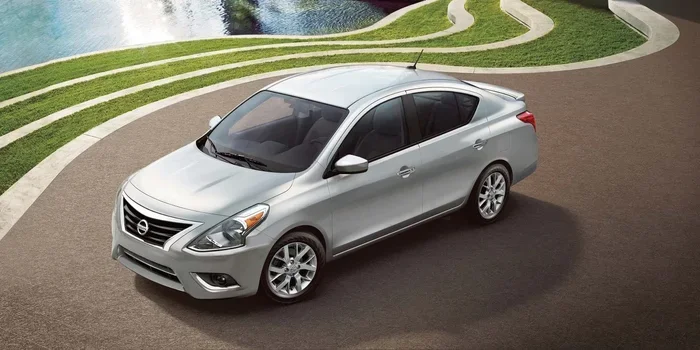
How Many Miles Per Gallon Does the Nissan Versa Get
The Nissan Versa delivers an impressive miles per gallon rating that makes it one of the most fuel-efficient sedans in its class. The 2024 Versa achieves up to 40 mpg on the highway and around 32 mpg in the city, giving drivers a combined EPA-rated 35 mpg. Whether you commute daily or take weekend road trips, the Versa’s fuel economy helps you save money at the pump.
Are you thinking about buying a Nissan Versa? One of the first questions most buyers ask is, how many miles per gallon does the Nissan Versa get? The answer might surprise you. This compact sedan punches well above its weight when it comes to fuel economy. In this guide, we break down the Nissan Versa MPG ratings, explain what affects them, and share tips to help you get the most out of every gallon.
The Nissan Versa has long been a favorite for budget-conscious buyers. It offers a comfortable ride, modern tech features, and a price tag that won’t break the bank. But what really sets it apart is its fuel efficiency. When you compare the Versa to other sedans in its class, the difference at the pump is hard to ignore. Let’s dive into the numbers and see what makes this car such a strong choice for daily driving.
Key Takeaways
- Highway MPG Leader: The Nissan Versa gets up to 40 mpg on the highway, making it a top choice for long commutes and road trips.
- Competitive City MPG: With 32 mpg in city driving, the Versa holds its own against other compact sedans.
- Multiple Trims, Similar Efficiency: Both the Versa S and Versa SL offer nearly identical fuel economy numbers.
- Full Tank Range: A full tank lets you drive over 400 miles before needing to refuel.
- Easy to Improve MPG: Simple driving habits and maintenance can boost your Versa’s fuel efficiency even more.
- CVT Transmission Helps: The continuously variable transmission plays a big role in the Versa’s strong MPG numbers.
- Affordable to Own: Great fuel economy means lower annual fuel costs compared to many competitors.
📑 Table of Contents
- What Is the Nissan Versa MPG Rating?
- Nissan Versa Fuel Economy by Year and Trim
- How to Get the Best MPG from Your Nissan Versa
- Nissan Versa Fuel Economy vs. Competitors
- Understanding Your Nissan Versa’s Fuel Tank Range
- Tips for Maintaining Your Versa’s Fuel Efficiency Over Time
- Why the Nissan Versa Is a Great Choice for Fuel-Conscious Buyers
- Final Thoughts on Nissan Versa MPG
What Is the Nissan Versa MPG Rating?
The miles per gallon rating for the Nissan Versa depends on the model year and trim level. But across the board, the Versa delivers some of the best fuel economy in the compact sedan segment. The current generation offers a combined EPA rating of 35 mpg, which is excellent for a car in this price range.
City vs Highway MPG
Understanding the difference between city and highway MPG is important. City driving involves frequent stops and starts, which uses more fuel. Highway driving lets the engine run at a steady pace, which is much more efficient.
- City MPG: Around 32 mpg for most Versa trims
- Highway MPG: Up to 40 mpg on the highway
- Combined MPG: EPA-rated at 35 mpg
These numbers put the Versa ahead of many competitors. The fuel efficiency is especially strong on the highway, making the Versa a great choice for anyone who drives long distances regularly. If you want to know more about how far you can go on a specific amount of fuel, check out how many miles 12 gallons of gas gets you.
Nissan Versa Fuel Economy by Year and Trim
The Nissan Versa comes in a few different trims, and each one offers slightly different features. But when it comes to fuel economy, the differences are minimal. Both the base Versa S and the higher-end Versa SL deliver nearly the same MPG numbers. This is great news for buyers who want efficiency without paying for a luxury trim.
Versa S vs Versa SL MPG Comparison
Let’s look at a quick side-by-side comparison of the two main trims. The Versa S is the base model, while the Versa SL adds more comfort and tech features. But neither one sacrifices fuel economy.
| Trim Level | City MPG | Highway MPG | Combined MPG |
|---|---|---|---|
| Versa S | 32 | 40 | 35 |
| Versa SL | 32 | 40 | 35 |
As you can see, both trims deliver the same miles per gallon. The CVT transmission (continuously variable transmission) is the same in both models, and that plays a big role in the Versa’s efficiency. The CVT keeps the engine running at its most efficient speed, which saves fuel over time.
Older model years may have slightly different ratings, but the trend has been consistent. The Nissan Versa has always been a fuel-efficient compact sedan. If you are curious about how the Versa’s mileage compares to other vehicles, it’s worth checking how many miles on a car is considered a red flag when shopping for used models.
How to Get the Best MPG from Your Nissan Versa
Want to squeeze every last mile out of each gallon? There are several simple things you can do to improve your Nissan Versa fuel economy. These tips work for both new and used Versas, and they can make a real difference in your monthly fuel costs.
Drive Smoothly and Steadily
Aggressive driving kills fuel efficiency. Rapid acceleration and hard braking can lower your MPG by up to 30% on the highway and 40% in the city. Instead, try to accelerate gently and maintain a steady speed. Using cruise control on the highway is one of the easiest ways to improve your miles per gallon.
Keep Your Tires Properly Inflated
This is a simple tip that many people overlook. Underinflated tires create more rolling resistance, which means your engine has to work harder. Check your tire pressure at least once a month. The recommended pressure for the Versa is listed on the driver’s side door jamb. Properly inflated tires can improve fuel economy by up to 3%.
Reduce Excess Weight
Extra weight in your car means your engine burns more fuel. Clear out anything you don’t need from your trunk or back seat. The Versa is already a lightweight car, so every extra pound counts. Don’t carry around heavy items unless you absolutely need them.
Keep Up with Maintenance
Regular maintenance keeps your Versa running efficiently. Change your oil on schedule, replace air filters when they get dirty, and keep your spark plugs in good condition. A well-maintained engine simply gets better gas mileage. If you notice any issues with your check engine light, address it quickly to avoid wasting fuel.
Use the Right Grade of Gasoline
The Nissan Versa runs perfectly well on regular unleaded gasoline. You do not need premium fuel. Using a higher octane rating than what the manufacturer recommends will not improve your fuel economy and will only cost you more money.
Nissan Versa Fuel Economy vs. Competitors
How does the Versa stack up against other compact sedans? Let’s take a look at some popular competitors and their MPG ratings.
| Vehicle | City MPG | Highway MPG | Combined MPG |
|---|---|---|---|
| Nissan Versa | 32 | 40 | 35 |
| Toyota Corolla | 31 | 40 | 34 |
| Honda Civic | 32 | 42 | 36 |
| Hyundai Elantra | 33 | 43 | 37 |
| Mazda3 | 30 | 41 | 34 |
The Versa holds its own in this comparison. While the Hyundai Elantra and Honda Civic edge it out slightly on combined fuel economy, the difference is small. And the Versa often comes in at a lower starting price than these competitors. That means you get great miles per gallon without paying a premium.
If you are comparing the Versa to larger vehicles, the difference becomes even more clear. The Versa uses significantly less fuel than SUVs and trucks. For example, if you are curious about how much weight a regular car can carry, that weight directly affects fuel consumption. Lighter, more aerodynamic cars like the Versa naturally get better gas mileage.
Understanding Your Nissan Versa’s Fuel Tank Range
The Versa has a fuel tank that holds about 12.2 gallons. With a combined MPG of 35, that means you can expect a range of roughly 427 miles on a full tank. That is a lot of driving between fill-ups, which is great for road trips and daily commutes alike.
If you want to calculate your own range, you can multiply your tank size by your miles per gallon rating. For example, 12.2 gallons multiplied by 40 mpg on the highway equals about 488 miles of range. In the city, 12.2 gallons times 32 mpg gives you around 390 miles. These numbers are estimates, but they give you a good idea of what to expect.
Knowing your fuel range is helpful for planning trips and avoiding unnecessary stops. If you are interested in how long you can keep driving on a full tank, there are plenty of resources that can help you estimate your range more precisely.
Tips for Maintaining Your Versa’s Fuel Efficiency Over Time
Your Nissan Versa’s fuel economy will change over time. New cars always get the best MPG, but with proper care, you can keep your Versa running efficiently for many years. Here are some tips to maintain your fuel efficiency as the car ages.
- Follow the maintenance schedule: Stick to Nissan’s recommended service intervals. Regular oil changes, air filter replacements, and spark plug checks all contribute to better gas mileage.
- Watch for warning signs: If you notice a drop in fuel economy, it could be a sign of a problem. Issues like a clogged fuel injector, worn spark plugs, or a faulty oxygen sensor can all hurt your MPG.
- Use quality fuel: Stick with reputable gas stations. Low-quality fuel can leave deposits in your engine that reduce efficiency over time.
- Keep the car clean: A clean car is more aerodynamic. Remove roof racks and cargo carriers when you are not using them. They create drag that lowers your fuel economy.
- Warm up properly: Modern cars do not need long warm-up periods. Just start the engine and drive gently for the first few minutes. This helps the engine reach its optimal operating temperature faster, which improves fuel efficiency.
Taking care of your Versa means it will take care of you. A well-maintained Nissan Versa can deliver excellent miles per gallon for hundreds of thousands of miles. The key is consistency and attention to detail.
Why the Nissan Versa Is a Great Choice for Fuel-Conscious Buyers
The Nissan Versa offers one of the best packages of fuel economy, affordability, and features in the compact sedan market. When you combine its strong MPG ratings with a low starting price, you get a car that is cheap to buy and cheap to run. This makes it an excellent choice for first-time buyers, students, and anyone who wants to minimize their monthly expenses.
The Versa’s CVT transmission is a big part of its efficiency story. Unlike traditional automatic transmissions, a CVT constantly adjusts the gear ratio to keep the engine in its power sweet spot. This means less wasted energy and better fuel economy. It is a smart engineering choice that pays off at the pump.
Another factor is the Versa’s lightweight design. Nissan uses high-strength steel and smart engineering to keep the car as light as possible without sacrificing safety. A lighter car needs less energy to move, which directly translates to better miles per gallon. This is a simple physics principle, but Nissan has applied it very effectively in the Versa.
If you are in the market for a reliable, efficient, and affordable sedan, the Nissan Versa deserves a serious look. Its fuel economy is just one of many reasons why this car has been a bestseller for years. Whether you are commuting to work, running errands, or taking a weekend getaway, the Versa makes every gallon count.
Final Thoughts on Nissan Versa MPG
The Nissan Versa delivers outstanding fuel economy for a compact sedan. With up to 40 mpg on the highway and 32 mpg in the city, it is one of the most efficient cars you can buy in this segment. The combined EPA rating of 35 mpg means real savings at the pump over time.
Whether you choose the Versa S or the Versa SL, you get the same excellent MPG numbers. Add in affordable pricing, a generous fuel range, and strong resale value, and the Versa becomes a very compelling choice. If you want to learn more about the Versa’s fuel tank and how far it can take you, check out how many miles is 12 gallons of gas for a useful reference.
Take care of your Versa, drive smoothly, and enjoy the savings that come with great fuel economy. The Nissan Versa proves that you do not need to spend a fortune to get excellent miles per gallon. It is a smart, practical, and efficient car that fits real life.
Frequently Asked Questions
What is the Nissan Versa’s combined MPG rating?
The Nissan Versa has an EPA-rated combined miles per gallon of 35. This combines both city and highway driving to give you an average fuel economy figure that works well for most drivers.
Does the Nissan Versa get good gas mileage for its class?
Yes, the Versa is one of the best fuel-efficient compact sedans on the market. Its MPG ratings compete with or beat many rivals in the same price range, making it a smart choice for budget-conscious buyers.
Can I improve my Nissan Versa’s fuel economy?
Absolutely. Simple habits like driving smoothly, keeping tires properly inflated, reducing excess weight, and staying on top of maintenance can all help you get better miles per gallon from your Versa.
How far can a Nissan Versa go on a full tank?
With a 12.2-gallon fuel tank and a combined MPG of 35, the Versa can travel roughly 427 miles on a full tank. Highway driving extends this range even further, sometimes reaching close to 500 miles.
Is the Nissan Versa fuel-efficient for a used car?
Yes, older Nissan Versa models also deliver strong fuel economy. Even older generations of the Versa are known for their excellent gas mileage, which is one reason they remain popular on the used car market.
Does the CVT transmission help the Versa’s MPG?
Yes, the continuously variable transmission is a key reason the Versa gets such good fuel economy. It keeps the engine running at its most efficient speed, which saves fuel compared to traditional automatic transmissions.
=== CONCLUSION ===
The Nissan Versa is a standout when it comes to fuel economy. With strong miles per gallon numbers across city, highway, and combined driving, it offers real savings for daily drivers and road trippers alike. Whether you are looking at the Versa S or the Versa SL, you get excellent MPG without paying extra. The car’s lightweight design, efficient CVT transmission, and smart engineering all contribute to its impressive fuel efficiency. If you want a reliable, affordable, and efficient compact sedan, the Nissan Versa should be at the top of your list. Take the time to enjoy every mile, and let the Versa’s great gas mileage work for you.