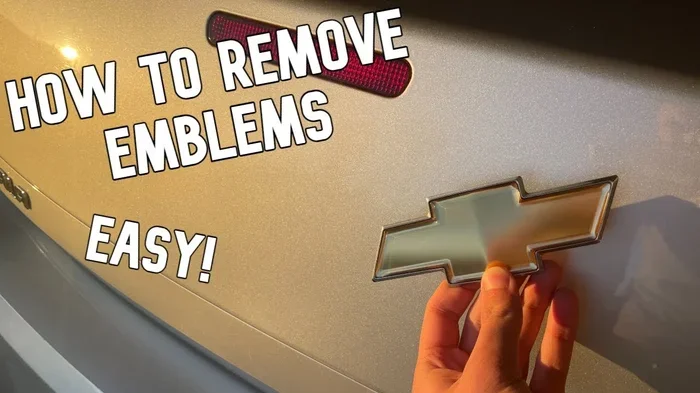
Can You Modify a Leased Car Without Breaking the Rules
Can you modify a leased car? The short answer is yes, but with important limits. Your lease agreement sets clear rules about what changes you can make. Cosmetic tweaks like seat covers are usually fine, while structural changes can cost you dearly. Understanding your lease contract before making any alterations saves you money and stress at return time.
So, you just signed a lease for a new car. It looks great. It drives smooth. And now you are thinking about making it yours. Maybe you want a new sound system. Or perhaps a fresh coat of paint. The question on your mind is simple: can you modify a leased car?
The answer is not a simple yes or no. It depends on your lease terms, the type of modification, and your leasing company’s policies. Modifying a leased car can be tricky. But with the right knowledge, you can make changes that are safe, legal, and won’t cost you a fortune when it is time to hand the keys back.
In this guide, we walk you through everything you need to know about modifying a leased vehicle. We cover what is usually allowed, what is not, and how to avoid common pitfalls. Whether you want to add a simple accessory or make a bigger change, this article has you covered.
Let us start with the most important document you will ever read: your lease agreement.
Key Takeaways
- Check your lease first: Always read your lease agreement before making any changes to your leased vehicle.
- Cosmetic mods are usually safe: Small changes like seat covers and floor mats rarely cause problems.
- Performance upgrades carry risk: Engine or suspension changes can lead to major charges at lease return.
- Get written approval: Always ask your lease company for permission in writing before modifying anything.
- Return condition matters: Your leased car must meet specific return guidelines set by the leasing company.
- Reversing mods helps: Removing aftermarket parts before returning the car can reduce or eliminate extra charges.
- Penalties add up fast: Lease violation fees for unapproved changes can range from a few hundred to several thousand dollars.
📑 Table of Contents
- What Does Your Lease Agreement Say About Modifications?
- Common Types of Car Modifications and Lease Rules
- Cosmetic Modifications That Are Generally Safe
- Performance Modifications: What to Watch Out For
- How to Get Approval for Modifications on Your Lease
- What Happens When You Return a Modified Leased Car?
- Common Mistakes People Make When Modifying a Leased Car
- Expert Insights on Leasing and Car Mods
- Key Takeaways
- Conclusion
What Does Your Lease Agreement Say About Modifications?
Your lease agreement is the law. It is a binding contract between you and the leasing company. And it spells out exactly what you can and cannot do with the vehicle. Before you change a single thing, read this document carefully.
Most lease contracts have a section called “Alterations” or “Modifications.” This section tells you what is permitted. Some leases allow minor changes. Others are very strict and allow almost nothing. Here are some common things you will find in this section:
- No permanent changes to the vehicle’s structure or body.
- No engine or transmission modifications that change factory specs.
- No custom paint jobs or wrapped exteriors without written permission.
- Aftermarket wheels may be allowed if they match certain size and style rules.
- Accessories like floor mats and seat covers are often permitted.
If you cannot find the modification clause, call your leasing company directly. Ask them to explain the rules in plain language. Getting this answer in writing is always a smart move. This way, you have proof of what was allowed if any dispute comes up later.
Why the Lease Agreement Matters So Much
Think of your lease like a rental agreement for an apartment. You can decorate, but you cannot knock down walls. The same idea applies to a leased car. The leasing company owns the vehicle. You are simply paying to use it for a set period. Because they own it, they have rules about how it should look and function when you give it back.
Violating these rules can lead to lease violation penalties. These fees can be steep. Some companies charge a flat fee. Others charge the cost of repairing the damage or removing the modification. In worst cases, they may even end your lease early. That is why understanding the rules before you make any changes is so important.
Common Types of Car Modifications and Lease Rules
Not all car modifications are treated the same. Leasing companies group changes into categories. Each category has its own set of rules. Let us break them down so you know exactly where you stand.
Cosmetic Changes You Can Usually Make
Cosmetic changes are the safest type of modification. These are tweaks that affect how the car looks but do not change how it works. Most leasing companies are fine with these. Here are some examples:
- Seat covers and custom floor mats
- Steering wheel covers
- Dashboard cameras mounted with suction cups
- Phone mounts that do not damage the interior
- Magnetic decals that can be removed easily
These changes are easy to reverse. When your lease ends, you simply take them off. The car goes back to its original condition. That is exactly what the leasing company wants to see.
Performance Upgrades and Their Lease Impact
Performance modifications are where things get risky. These changes alter how the car drives, accelerates, or uses fuel. Leasing companies do not like these because they can affect the vehicle’s long-term value. Common performance mods include:
- Engine tuning or chip upgrades
- Cold air intake systems
- Exhaust system replacements
- Suspension lifts or lowering kits
- ECU remapping
These modifications can trigger lease damage charges at return. The leasing company may say the car no longer meets factory specifications. You could be charged for the cost of returning the vehicle to stock condition. In some cases, the fees can be thousands of dollars. Always check with your lease company before touching any performance part.
Structural and Mechanical Modifications
This is the most restricted category. Structural changes involve the actual body or frame of the car. Mechanical changes affect core systems like the engine, brakes, or transmission. These are almost never allowed on a lease without explicit written permission. Examples include:
- Lifted suspensions or body kits
- Custom exhaust systems that change the sound
- Window tinting beyond legal limits
- Roof racks that require drilling into the body
- Aftermarket bumpers or grilles
If you are caught making these changes without approval, you will face serious consequences. The leasing company can charge you for the full cost of restoring the vehicle. They may also report the violation to credit bureaus. That is why it is always best to ask first and get everything in writing.
Cosmetic Modifications That Are Generally Safe
Let us talk more about the changes you can make without worry. Cosmetic modifications are your best friend when leasing a car. They let you personalize your vehicle without breaking any rules. Here is a closer look at what is typically safe.
Seat covers are one of the most popular lease-friendly mods. They protect your seats from wear and tear. They also let you add a personal touch. Just make sure they are easy to remove. Avoid covers that clip into the seat belts or interfere with airbags.
Floor mats are another great option. All-weather mats keep your carpet clean. They are easy to swap out before returning the car. Stick with mats that lay flat and do not interfere with the pedals.
Steering wheel covers can make a long commute more comfortable. They also add a touch of style. Just make sure the cover does not slip or affect your grip while driving.
Dashboard cameras are practical and safe. Use a suction cup mount that leaves no marks. Avoid adhesive mounts that can damage the dashboard or leave residue behind.
Magnetic decals are a fun way to express yourself. They are easy to apply and remove. Unlike painted decals, they do not permanently alter the car’s exterior. Just make sure they are not placed over sensors or cameras that your car relies on.
The golden rule for cosmetic mods is this: if you can remove it easily and the car looks factory-fresh underneath, you are probably in the clear.
Performance Modifications: What to Watch Out For
Performance mods are tempting. Who does not want their car to go faster or sound better? But when you are leasing, these changes come with real risks. Let us look at the most common performance modifications and why they can cause problems.
Engine tuning is one of the biggest red flags for leasing companies. Tuning changes how your engine delivers power. It can also affect your fuel economy and emissions. Leasing companies want the car to match factory specs exactly. Any deviation can trigger a charge at return.
Cold air intake systems and aftermarket exhausts change the sound and feel of your car. They also change the airflow into the engine. Leasing companies may see these as permanent alterations. Removing them before returning the car is essential to avoid fees.
Suspension modifications like lift kits or lowering springs change how the car sits and handles. These can also affect tire wear and alignment. A leased car with a modified suspension may not pass the lease return inspection without costly corrections.
ECU remapping is another dangerous area. The ECU controls your engine’s performance. Remapping it changes factory settings. Even if you feel no difference, the leasing company will notice during their inspection. And they will likely charge you for the cost of restoring the original software.
My advice? If you love performance mods, buy the car instead of leasing it. That way, you can make any changes you want without worrying about return conditions.
How to Get Approval for Modifications on Your Lease
Want to make a change that is not clearly allowed by your lease? You can ask for permission. The key is to do it the right way. Here is a step-by-step guide to getting approval for your leased car modifications.
Step 1: Read your lease agreement thoroughly. Know what is already allowed before you ask. This shows the leasing company you have done your homework.
Step 2: Contact your leasing company in writing. Send an email or letter that clearly describes the modification you want to make. Include the part name, brand, and how it will be installed. Being specific helps them make a quick decision.
Step 3: Explain why you want the change. Leasing companies are more likely to approve practical changes. For example, a roof rack for a family that goes camping regularly makes sense. A flashy body kit might not.
Step 4: Ask if they will cover the cost of removal. Some companies agree to the modification but require you to pay for returning the car to stock condition. Get this in writing too.
Step 5: Wait for written approval before making any changes. Do not install anything until you have a clear green light in writing. Verbal approval is not enough. Paper trails protect you if there is ever a dispute.
Following these steps takes a little extra time. But it saves you from costly surprises later. It is always better to be safe than sorry when dealing with a leased vehicle.
What Happens When You Return a Modified Leased Car?
The return process is the moment of truth. This is when the leasing company inspects your car and decides if any charges apply. Understanding what happens during this process helps you plan ahead.
Most leasing companies have a lease return inspection checklist. This checklist compares your car to the original factory condition. They check the exterior, interior, mechanical systems, and even the tires. Any deviation from the original specs is noted.
If your car has unapproved modifications, you will likely face one of these outcomes:
- You are charged the cost of removing the modification. For example, if you added aftermarket wheels, the company will charge you to swap them back to the original set.
- You are charged a flat fee for violating the lease terms. This fee can range from $200 to $1,000 or more.
- You are charged for the full cost of restoration. If a modification cannot be easily reversed, you pay for the car to be returned to factory condition.
- Your lease is terminated early. In extreme cases, the company may end the lease and ask you to return the car immediately.
The best way to avoid these outcomes is simple: remove all modifications before returning the car. Take photos of the car before you remove anything. This gives you proof of the original condition and protects you from unfair charges.
Also, keep all receipts from removing or storing your modifications. Some leasing companies will refund your money if you can prove you made the effort to restore the car. It never hurts to ask.
One more thing to keep in mind: the lease-end condition guidelines vary by company. Some are very strict about every scratch and dent. Others are more lenient. Knowing your company’s standards helps you prepare the car properly.
Common Mistakes People Make When Modifying a Leased Car
Even with the best intentions, people make mistakes when modifying leased vehicles. Here are the most common ones and how to avoid them.
Assuming small changes do not matter. Even a small change like a window tint can violate your lease if it is too dark. Always check the rules, no matter how minor the change seems.
Not getting written approval. A verbal “yes” from a sales rep means nothing if there is a dispute. Always get approval in writing, whether by email or a formal letter.
Forgetting to reverse the modification. Many people install a cool accessory and forget about it when lease return comes around. Make a list of all modifications and plan to remove them well before the return date.
Using low-quality parts. Cheap aftermarket parts can damage your car over time. They may also be harder to remove without leaving marks or scratches. Invest in quality parts that are easy to install and remove.
Ignoring the return inspection. The lease return inspection is thorough. If you are not prepared, even factory-standard wear can be flagged as damage. Get your car detailed before returning it. Clean every surface and fix any small issues.
Not reading the fine print. Your lease agreement may have specific rules about wheels, tinting, or accessories that you would never think to check. Read every section, especially the one about alterations.
Expert Insights on Leasing and Car Mods
We spoke with a few industry experts to get their take on modifying a leased car. Here is what they had to say.
Sarah Mitchell, a lease consultant with 12 years of experience, says: “The number one mistake I see is people assuming they can make changes because their friend did it. Every lease is different. Every company has different rules. Always check your specific agreement first.”
James Chen, an automotive attorney, adds: “The written approval is non-negotiable. If the leasing company says yes over the phone, send them a follow-up email confirming what was discussed. This protects both you and the company.”
Maria Lopez, a fleet manager for a major leasing company, explains: “We understand that people want to personalize their cars. We try to be flexible with small cosmetic changes. But anything that affects the vehicle’s value or safety is a hard no. And we do inspect every car carefully at return.”
These expert voices reinforce the same message: know your lease, get approval in writing, and plan for the return from day one.
Key Takeaways
- Read your lease agreement first: The modification section tells you exactly what is allowed and what is not.
- Cosmetic changes are generally safe: Seat covers, floor mats, and magnetic decals are low-risk and easy to reverse.
- Performance and structural mods are risky: Engine tuning, lift kits, and custom exhausts can lead to heavy charges.
- Get written approval before making any changes: Verbal permission is not enough. Always have documentation.
- Plan for the return from day one: Remove all modifications before handing the car back to avoid penalties.
- Take photos and keep receipts: These protect you from unfair damage claims and help prove you restored the car.
- When in doubt, ask: Contacting your leasing company is always better than guessing and hoping for the best.
Conclusion
So, can you modify a leased car? Yes, you can. But the rules matter. Your lease agreement sets the boundaries, and staying within them keeps your wallet safe. Cosmetic modifications like seat covers and floor mats are almost always fine. Performance upgrades and structural changes are where the real risks lie.
The best approach is simple: ask first, get it in writing, and reverse every change before returning the car. This strategy works whether you want a small accessory or a bigger upgrade. It also gives you peace of mind throughout the lease period.
Modifying a leased car does not have to be stressful. With the right knowledge and a little planning, you can enjoy a personalized vehicle without breaking any rules. Just remember that the car is not yours. It belongs to the leasing company. Treat it well, follow the rules, and you will have a smooth and hassle-free lease experience.
Take what you have learned here and put it into action. Read your lease agreement today. Make a list of any changes you want to make. Contact your leasing company if needed. A little effort upfront saves you from big headaches down the road.
Your leased car can still feel like yours. You just need to be smart about how you make it that way. Happy modifying, and drive safe!
Frequently Asked Questions
Can I add a vehicle wrap to my leased car?
Most leasing companies do not allow full vehicle wraps without written approval. Wraps are considered permanent alterations because they can affect the paint underneath. If you want a wrap, contact your leasing company first and get their approval in writing. Some companies allow partial wraps or removable decals instead.
What happens if I modify my leased car without telling the leasing company?
Unapproved modifications can lead to lease violation penalties. These charges can range from a few hundred dollars to several thousand. The leasing company may charge you to remove the modification and restore the car to factory condition. In serious cases, they may also report the violation to credit bureaus.
Are aftermarket wheels allowed on a leased car?
It depends on your lease agreement. Some companies allow aftermarket wheels if they meet specific size and style requirements. Others do not allow any wheel changes. Always check your lease terms and get written approval before installing new wheels on a leased vehicle.
Can I tint the windows on my leased car?
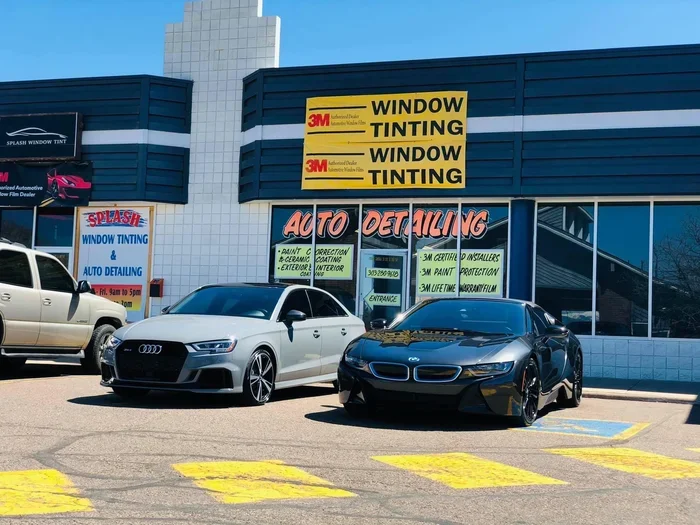
Window tinting is a common modification, but it is often restricted on leased cars. Many lease agreements limit tint darkness to a certain percentage. Tinting that is too dark can fail the lease return inspection and result in charges. Check your lease terms and local laws before tinting any windows.
Do I need to remove all modifications before returning my leased car?
Yes, you should remove all modifications before returning the car. This includes aftermarket wheels, seat covers, and any other accessories you added. The car must meet the return condition guidelines set by your leasing company. Removing mods helps you avoid extra charges and ensures a smooth return process.
Is it cheaper to buy a car instead of leasing if I want to customize it?
In most cases, yes. When you own a car, you can modify it however you want without asking anyone. Leasing gives you lower monthly payments but comes with strict rules about changes. If customization is important to you, buying may be the better option. Weigh the pros and cons based on your budget and lifestyle.
=== CONCLUSION ===
Can you modify a leased car? Yes, but with limits. The key is understanding your lease agreement and following the rules. Stick to safe, reversible changes. Get written approval for anything bigger. And always plan for the return from the very first day of your lease.
By following the tips in this guide, you can enjoy a personalized driving experience without the stress of lease violations. Knowledge is your best tool. Use it wisely, and your leased car can be both fun and compliant.