How Many Catalytic Converters Does a Toyota Tacoma Have
A Toyota Tacoma typically has two catalytic converters — one in the exhaust manifold area and one further down the exhaust system. The exact number can vary depending on the model year, engine type, and trim level. Understanding your Tacoma’s catalytic converter setup helps with maintenance, passing emissions tests, and protecting against theft.
If you own or are thinking about buying a Toyota Tacoma, you might wonder about the catalytic converter. This small but mighty part plays a huge role in keeping your truck running clean and legal. So, how many catalytic converters does a Toyota Tacoma actually have? The answer is usually two, but there is more to the story than that.
The catalytic converter is part of your truck’s exhaust system. It reduces harmful emissions before they leave the tailpipe. Without it, your Tacoma would pollute much more and could fail an emissions test. Understanding how many converters your truck has helps with maintenance, repairs, and even protecting against theft.
In this guide, we will break down everything you need to know. We will cover the exact number of converters, where they are located, why they matter, and what to do if one gets damaged or stolen. Let us dive in.
## How Many Catalytic Converters Does a Toyota Tacoma Have
Most Toyota Tacoma models come with two catalytic converters. The first one sits close to the engine, near the exhaust manifold. This is sometimes called the “front converter” or “pre-cat.” The second converter is located further down the exhaust line, usually in the mid-pipe area. This one is often called the “rear converter.”
These two converters work together to clean up the exhaust gases. The front converter warms up quickly and handles the bulk of emission control. The rear converter polishes the remaining gases before they exit the tailpipe. Together, they help your Tacoma meet federal and state emissions standards.
### Where Are the Catalytic Converters Located on a Tacoma
The first catalytic converter on a Toyota Tacoma sits right after the exhaust manifold. It is close to the engine, so it gets hot fast. This location helps it reach operating temperature quickly, which is essential for reducing emissions effectively.
The second catalytic converter is further down the exhaust system. It is usually found under the truck, near the middle of the frame or just before the muffler. This placement allows the converter to treat gases that have already cooled down a bit from the first stage.
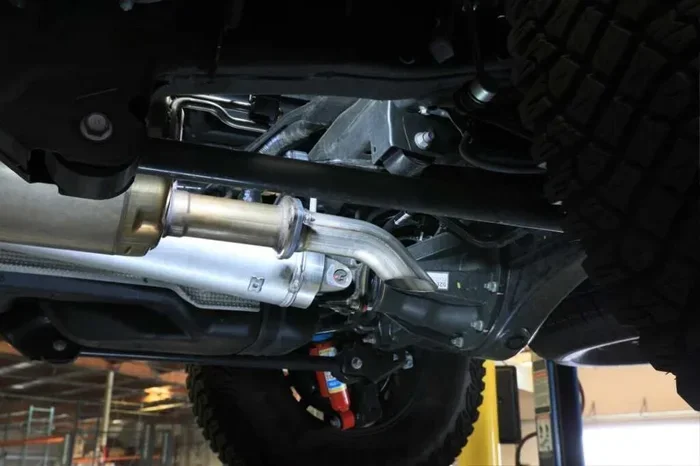
If you look under your Tacoma, you will see a series of pipes connecting the engine to the tailpipe. The catalytic converters are built into these pipes. They are not separate bolt-on pieces. Instead, they are part of the exhaust flow path.
### Does the Engine Type Matter
Yes, the engine type can affect the catalytic converter setup. The Toyota Tacoma has been offered with both 4-cylinder and V6 engines over the years. The V6 models, especially the more powerful TRD versions, tend to have a more robust exhaust system.
Most Tacoma V6 models use the standard two-converter setup. The 4-cylinder models also typically have two converters. However, some older or special edition models might differ slightly. If you are unsure, you can check your owner’s manual or consult a trusted mechanic.
Here is a quick look at what to expect:
- Toyota Tacoma V6: Two catalytic converters, standard setup.
- Toyota Tacoma 4-Cylinder: Two catalytic converters, standard setup.
- TRD and Off-Road Editions: Two catalytic converters, same as base models.
The number of converters stays consistent across most trims and years. The difference usually comes down to the exhaust pipe size and material quality, not the converter count.
## Why the Catalytic Converter Matters
The catalytic converter is one of the most important parts of your Tacoma’s exhaust system. It converts harmful gases like carbon monoxide, nitrogen oxides, and hydrocarbons into less harmful substances. Without it, your truck would release much more pollution into the air.
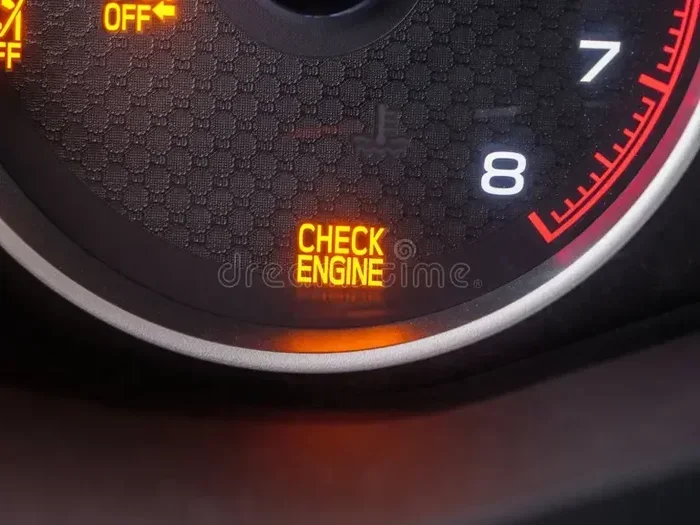
Beyond environmental benefits, the catalytic converter also plays a role in engine performance. A clogged or failing converter can reduce fuel efficiency and cause rough idling. In some cases, it can even trigger the check engine light.
### Passing Emissions Tests
If you live in a state that requires emissions testing, your catalytic converter is critical. A working converter helps your Tacoma pass the test with flying colors. A damaged or missing converter will almost certainly cause you to fail.
States like California have very strict emissions standards. If you own a Tacoma in one of these states, keeping your catalytic converter in good shape is even more important. Regular inspections and timely replacements can save you from costly fines and registration issues.
### Fuel Efficiency and Performance
A healthy catalytic converter allows exhaust gases to flow freely. This helps the engine breathe better and run more efficiently. When a converter gets clogged, it creates back pressure. That back pressure forces the engine to work harder, which burns more fuel.
Many Tacoma owners notice a drop in gas mileage when their converter starts to fail. If you are filling up more often than usual, a clogged converter might be the culprit. Getting it checked early can save you money at the pump and prevent further damage.
## Catalytic Converter Theft and Toyota Tacoma
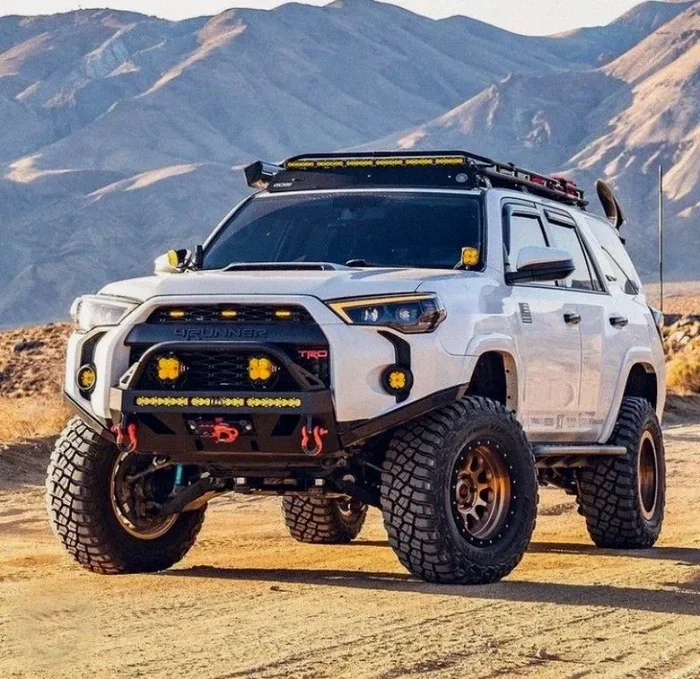
Catalytic converter theft has become a serious problem across the United States. Toyota Tacoma trucks are among the vehicles most commonly targeted. Why? Because Tacomas sit high off the ground, making it easy for thieves to slide underneath. Also, the catalytic converters in Tacomas contain precious metals like platinum, palladium, and rhodium.
These metals are valuable on the scrap market. Thieves can sell a stolen converter for anywhere from $50 to $300 or more, depending on the current metal prices. The replacement cost for the owner, however, is much higher.
### How to Protect Your Tacoma’s Catalytic Converter
There are several steps you can take to reduce the risk of theft. Here are some practical tips:
- Install a catalytic converter shield: These metal plates bolt under the truck and protect the converter from being accessed easily.
- Use anti-theft bolts: Specialty bolts require a unique tool to remove, making it harder for thieves to steal the converter.
- Park in well-lit areas: Thieves prefer dark, secluded spots. Parking in a garage or well-lit driveway reduces risk.
- Engrave your VIN on the converter: This makes it easier for police to recover a stolen converter and identify it if sold.
- Consider a motion-activated alarm: Some alarm systems detect vibration under the truck and sound off if someone is crawling underneath.
Taking these precautions can save you a lot of money and headaches. The cost of a protective shield is a fraction of what you would pay for a replacement converter.
## Catalytic Converter Replacement Cost
If you need to replace a catalytic converter on your Toyota Tacoma, be prepared for a significant expense. The cost varies depending on the model year, engine type, and whether you choose an OEM or aftermarket part.
On average, replacing one catalytic converter on a Tacoma costs between $500 and $1,500. Since most Tacomas have two converters, replacing both could cost $1,000 to $3,000 or more. Labor costs add to the total, especially since the converters are built into the exhaust system and require cutting and welding.
### OEM vs Aftermarket Converters
OEM converters are made by the same manufacturer that supplied parts for your truck when it was built. They tend to be more expensive but offer a better fit and longer lifespan. Aftermarket converters are cheaper but may not last as long or meet the same quality standards.
If you are replacing a converter, I recommend going with an OEM part whenever possible. The extra cost is worth the reliability and peace of mind. Plus, aftermarket converters may not carry the same warranty coverage.
### Can You Drive Without a Catalytic Converter
Many people wonder if they can just remove the catalytic converter and keep driving. The short answer is yes, technically you can. But there are serious downsides.
First, it is illegal in most states to drive without a catalytic converter. You can face hefty fines if you get pulled over. Second, your truck will likely fail an emissions test. Third, removing the converter can cause your check engine light to come on.
If you are dealing with a bad converter, you have options. You can replace it, repair it, or in some cases have it cleaned. But simply removing it is not a smart long-term solution. It will cause more problems than it solves.
## Common Catalytic Converter Problems on the Tacoma
Like any vehicle part, catalytic converters can develop problems over time. Here are some of the most common issues Tacoma owners face:
Clogging and Restricted Flow
Over time, carbon buildup can clog the catalytic converter. When this happens, exhaust gases cannot flow through easily. This creates back pressure that affects engine performance. You might notice reduced power, poor fuel economy, or a sulfur smell coming from the exhaust.
Contamination from Engine Oil or Coolant
If your Tacoma has an oil or coolant leak that reaches the exhaust system, it can contaminate the catalytic converter. The contaminants coat the inside of the converter and reduce its ability to process emissions. This is often a sign of a bigger engine problem that needs attention.
Heat Damage
Catalytic converters operate at extremely high temperatures. Over time, the internal honeycomb structure can crack or melt. This damage is often caused by running rich (too much fuel) or by engine misfires that send unburned fuel into the exhaust.
Check Engine Light
A failing catalytic converter often triggers the check engine light. The oxygen sensors monitor the efficiency of the converter. When the efficiency drops below a certain threshold, the car’s computer sets a code. If your Tacoma’s check engine light comes on, it is worth getting it diagnosed quickly.
## How to Maintain Your Catalytic Converter
Good maintenance habits can extend the life of your catalytic converter significantly. Here are some simple steps to keep it in great shape:
- Keep up with oil changes: Old or dirty oil can contaminate the converter. Follow the recommended oil change schedule for your Tacoma.
- Fix engine misfires promptly: Misfires send raw fuel into the exhaust, which can damage the converter over time.
- Use quality fuel: Lower quality fuel can leave deposits that eventually clog the converter.
- Address exhaust leaks early: Small leaks can grow into bigger problems if ignored. Have any exhaust issues checked out right away.
- Avoid short trips when possible: Short trips keep the converter from reaching full operating temperature, which can cause buildup over time.
These simple habits go a long way in protecting your Tacoma’s exhaust system. Prevention is always cheaper than repair.
## Expert Insights on Tacoma Catalytic Converters
From my experience working with Toyota trucks, the Tacoma’s catalytic converter system is fairly straightforward. Most models use a two-converter setup that is easy to access for maintenance. The main issues I see are clogging from neglected engine problems and theft.
One thing many Tacoma owners do not realize is that the converter’s lifespan is closely tied to engine health. If your engine is running poorly, it will wear out the converter faster. Keeping your engine in top shape is the best thing you can do for your catalytic converter.
Another tip is to be aware of the scrap metal market. When metal prices spike, theft rates go up. If you park your Tacoma outside frequently, investing in protection is a smart move.
## Final Thoughts
So, how many catalytic converters does a Toyota Tacoma have? The answer is almost always two. Whether you drive a V6 or a 4-cylinder, a base model or a TRD edition, the two-converter setup is standard across most Tacoma generations.
Understanding this helps you take better care of your truck. It also helps you make smarter decisions about repairs, replacements, and theft prevention. Your catalytic converter is not just a emissions part. It is a key component of your Tacoma’s overall performance and legality on the road.
Take the time to learn about your truck. Keep up with maintenance. And if you ever need to replace a converter, do it with quality parts and professional installation. Your Tacoma will thank you with years of reliable, clean-running performance.
If you are dealing with a catalytic converter issue and want to know if you can still drive your Tacoma without one, check out our guide on driving with a bad converter. And if you are curious about whether a cat back exhaust system includes the catalytic converter, we have that covered too.
Key Takeaways
- Most Toyota Tacomas have two catalytic converters: one near the exhaust manifold and one in the mid-pipe section.
- The number can vary by engine and year: V6 models and 4-cylinder models may differ slightly in their converter setup.
- Catalytic converter theft is a real risk: Tacoma trucks are targeted because the converters contain valuable precious metals.
- Replacement costs can be high: Expect to pay several hundred to over a thousand dollars depending on the model.
- Driving without a catalytic converter is illegal in most states: It can also trigger check engine lights and fail emissions tests.
- Regular maintenance helps prevent issues: Keep your exhaust system inspected to avoid costly repairs down the road.
Frequently Asked Questions
Can I Drive My Tacoma Without a Catalytic Converter?
Technically yes, but it is not recommended and is illegal in most states. Driving without a catalytic converter will cause your truck to fail emissions tests and may trigger the check engine light. It can also lead to increased pollution and potential fines. Always replace a damaged converter rather than removing it.
How Much Does It Cost to Replace a Catalytic Converter on a Toyota Tacoma?
The cost typically ranges from $500 to $1,500 per converter. Since most Tacomas have two converters, replacing both could cost $1,000 to $3,000 or more. OEM parts cost more but tend to last longer and fit better than aftermarket options. Labor costs vary depending on your location and the mechanic’s rates.
Why Are Toyota Tacoma Catalytic Converters Stolen So Often?
Tacomas are targeted because they sit high off the ground, making the converter easy to access. The converters also contain valuable precious metals like platinum, palladium, and rhodium. Thieves can sell stolen converters for quick cash on the scrap market, while replacement costs fall on the owner.
How Can I Tell If My Tacoma’s Catalytic Converter Is Failing?
Common signs include reduced fuel efficiency, rough idling, a sulfur or rotten egg smell, and the check engine light coming on. You may also notice a rattling sound from underneath the truck. If you experience any of these symptoms, have your Tacoma inspected by a mechanic as soon as possible.
Does a Cat Back Exhaust Include the Catalytic Converter?
Typically no. A cat back exhaust system replaces everything from behind the catalytic converter to the tailpipe. The converter itself stays in place. This means you can upgrade your exhaust sound and flow without removing the emissions equipment. Always confirm with the manufacturer before purchasing.
How Long Does a Catalytic Converter Last on a Toyota Tacoma?
A catalytic converter can last 100,000 miles or more with proper maintenance. However, engine problems, poor fuel quality, and neglect can shorten its lifespan significantly. Regular oil changes, timely repairs, and using quality fuel help ensure your converter lasts as long as possible.