How Big Is a Toyota Highlander Really and Why It Matters
The Toyota Highlander is a midsize SUV that offers generous space for families and commuters alike. With a length of around 198 inches, width near 78 inches, and seating for up to eight passengers, the Highlander delivers real-world roominess that stands out in its class. Understanding the Highlander’s size helps you make a smarter buying decision.
When people ask how big is a Toyota Highlander, they usually want to know if it fits their lifestyle. Maybe they need space for a growing family. Perhaps they want a comfortable ride for long road trips. Or maybe they are simply comparing SUVs and want the facts straight. Whatever the reason, understanding the real dimensions and interior room of the Highlander makes all the difference.
The Toyota Highlander has been a popular choice for years, and for good reason. It strikes a balance between compact maneuverability and spacious comfort. But numbers on a spec sheet only tell part of the story. In this guide, we break down every measurement, every interior dimension, and every practical detail you need to know. By the end, you will have a clear picture of what the Highlander really offers.
Knowing the size of your vehicle matters more than most people realize. It affects parking, fuel economy, towing ability, and how comfortable everyone feels on the road. Let us dive into the details of the Toyota Highlander and see exactly what makes it tick size-wise.
Key Takeaways
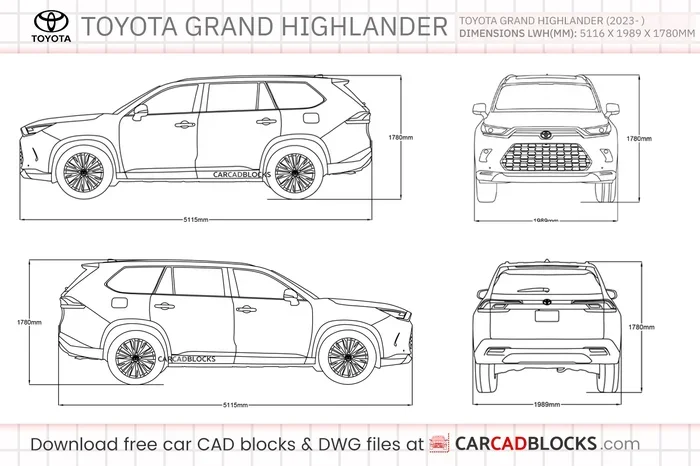
- Exterior Dimensions: The Highlander measures roughly 198 inches long, 78 inches wide, and 69 inches tall, making it a true midsize SUV.
- Interior Space: With up to 84.3 cubic feet of cargo space and room for eight passengers, the Highlander handles road trips with ease.
- Size Comparison Matters: The Highlander is larger than the RAV4 but smaller than full-size SUVs, hitting a sweet spot for many buyers.
- Third-Row Usability: The third row is genuinely usable for adults on shorter trips, unlike many competitors.
- Cargo and Towing: The Highlander can tow up to 5,000 pounds and offers a generous trunk for everyday hauling.
- Why Size Matters: Choosing the right size impacts comfort, fuel economy, parking ease, and overall driving experience.
📑 Table of Contents
- Toyota Highlander Exterior Dimensions
- Toyota Highlander Interior Dimensions and Passenger Space
- Toyota Highlander Weight and Towing Capacity
- Toyota Highlander Size in Real-World Situations
- Why Vehicle Size Matters When Choosing an SUV
- Quick Tips: Making the Most of Your Highlander’s Size
- Common Mistakes People Make When Choosing SUV Size
- Expert Insights on the Toyota Highlander’s Size
- Final Thoughts on How Big a Toyota Highlander Really Is
Toyota Highlander Exterior Dimensions
The first thing most people want to know when they ask how big is a Toyota Highlander is the outside measurement. The exterior dimensions define how the vehicle fits in a parking spot, a garage, or a narrow city street. Here is a breakdown of the key measurements for the current generation Highlander.
Length, Width, and Height
The Toyota Highlander sits in the midsize SUV segment. Its overall length is approximately 198 inches, which is about 16.5 feet. That is long enough to feel substantial on the road but not so long that it becomes a headache in tight parking lots. The width comes in at around 78 inches without mirrors, which gives it a solid, planted stance.
The height of the Highlander is roughly 69 inches, or about 5 feet 9 inches. This means the Highlander stands about as tall as an average adult male. The roofline is aerodynamic yet practical, offering good headroom for both the front and rear passengers.
Wheelbase and Ground Clearance
The wheelbase of the Highlander stretches to about 112 inches. A longer wheelbase generally means a smoother ride because there is more space between the front and rear wheels. This helps absorb bumps and road imperfections, contributing to the comfortable driving feel the Highlander is known for.
Ground clearance sits at approximately 8.4 inches. This is enough to handle most road conditions, including mild off-road terrain and steep driveways. If you live in an area with rough roads or snow, this clearance provides a helpful margin of safety.
How the Size Compares to Other Toyota SUVs
To put the Highlander’s size in perspective, compare it to other Toyota SUVs. The RAV4 is shorter and narrower, making it easier to park in tight spaces. The Highlander offers more interior room and a third row, which the RAV4 only recently added in a more compact form. On the other end, the Toyota Sequoia is a full-size SUV that dwarfs the Highlander in every dimension.
If you have been considering the Highlander Hybrid, the exterior dimensions are essentially the same. The hybrid powertrain does not add significant bulk to the vehicle. You get the same exterior footprint with the added benefit of better fuel economy. This makes the Highlander Hybrid a smart choice for families who want space and efficiency.
Toyota Highlander Interior Dimensions and Passenger Space
The interior is where the Highlander truly shines. How big is a Toyota Highlander on the inside? That is the question that really matters for families, road trippers, and anyone who values comfort. The interior dimensions tell a compelling story.
Seating Capacity and Configuration
The Highlander comfortably seats up to eight passengers across three rows. The first and second rows offer generous legroom and headroom for adults of most heights. The second row slides forward and backward, which gives you flexibility to adjust for passenger comfort or cargo needs.
The third row is often a point of curiosity. Many SUVs treat the third row as a child-only option, but the Highlander is different. Adults can sit in the third row for shorter trips without feeling cramped. For longer journeys, children and smaller adults will find it perfectly comfortable. This versatility is a major selling point.
Legroom and Headroom by Row
Front row legroom in the Highlander measures around 41 inches, which is generous for taller drivers. Headroom is also ample, ensuring that even drivers who are over six feet tall will not feel crowded. The second row offers about 39 inches of legroom, which is competitive in the midsize SUV segment.
The third row provides around 34 inches of legroom and adequate headroom. It is not luxury-level space, but it is functional. If you regularly carry five or fewer passengers, you can fold the third row flat to create a much larger cargo area.
Cargo Space and Practicality
With all seats up, the Highlander offers approximately 16 cubic feet of cargo space behind the third row. That is enough for a few bags of groceries or weekend luggage for three people. When you fold the third row down, the space expands to about 48 cubic feet. Fold the second row as well, and you get up to 84.3 cubic feet of flat cargo floor.
This flexibility is a huge advantage. Need to move a large piece of furniture? The Highlander can handle it. Going grocery shopping for the week? Plenty of room. The cargo versatility of the Highlander makes it a practical daily driver that does not force you to compromise.
For families who frequently haul gear, you might also consider whether a cargo net is necessary for keeping items secure during transport. A simple cargo net can make a big difference in organization and safety, especially with kids and pets in the vehicle.
Toyota Highlander Weight and Towing Capacity
Size is not just about length and width. It also includes how much weight the vehicle can carry and tow. Understanding the Highlander’s weight and towing capabilities gives you a complete picture of its size in practical terms.
Curb Weight
The Toyota Highlander weighs between 4,300 and 4,700 pounds depending on the trim and powertrain. The hybrid version tends to be slightly heavier due to the battery pack, but the difference is minimal. This weight class places the Highlander firmly in the midsize SUV category.
If you are wondering how this compares to a regular car, consider this: a typical sedan weighs around 3,300 to 3,500 pounds. The Highlander is roughly 1,000 pounds heavier than the average car. That extra weight contributes to the vehicle’s stability and road presence, but it also means you should be mindful of fuel economy.
Towing Capacity
The Highlander can tow up to 5,000 pounds when properly equipped with the towing package. This is enough to haul a small trailer, a boat, or a camper. For many families, this towing capacity opens up possibilities for weekend adventures that would not be possible with a smaller SUV.
If you plan to tow regularly, make sure you understand the full weight limits of your vehicle. For context, how much weight a regular car can carry is significantly less than what the Highlander handles. The Highlander’s towing ability is one of its strongest practical features.
Payload Capacity
The payload capacity of the Highlander is approximately 1,300 to 1,500 pounds, depending on the configuration. This includes the weight of all passengers and cargo combined. For most families, this is more than enough capacity for everyday use and occasional heavy loads.
Toyota Highlander Size in Real-World Situations
Theoretical numbers are helpful, but real-world experience is what truly tells you if a vehicle is the right size. Let us look at how the Highlander performs in everyday situations.
Parking and Maneuverability
At nearly 17 feet long, the Highlander is not a small vehicle. However, it is still manageable in most parking situations. Parallel parking might require a bit more skill than with a compact SUV, but the Highlander’s decent turning radius helps. Most drivers adjust within a few days of owning the vehicle.
If parking is a major concern in your daily routine, remember that you can also look at features like rearview cameras and parking sensors. These technologies make parking a large vehicle much easier and more confidence-inspiring.
Road Trips and Family Travel
This is where the Highlander truly excels. The combination of passenger space, cargo room, and comfort makes it an ideal road trip vehicle. A family of five can travel with luggage for a week-long vacation without feeling squeezed. The third row provides extra seating for grandparents or friends joining the trip.
If you enjoy camping or road trips with gear, you might want to explore options like turning a Toyota Sienna into a camper for inspiration on maximizing space in Toyota vehicles. The principles of interior organization apply to the Highlander as well.
Daily Commuting and City Driving
Some buyers worry that a midsize SUV is too large for daily commuting. The Highlander, however, handles city driving quite well. Its size provides excellent visibility, which enhances safety in traffic. The high seating position gives you a commanding view of the road ahead.
Fuel economy is a consideration with a vehicle this size. The standard V6 engine delivers around 21 miles per gallon in the city and 29 on the highway. The hybrid version improves this significantly, reaching up to 36 miles per gallon combined. If you drive a lot in the city, the hybrid option is worth serious consideration.
Why Vehicle Size Matters When Choosing an SUV
Choosing the right vehicle size is one of the most important decisions you will make when buying a car. Size affects nearly every aspect of ownership, from daily convenience to long-term satisfaction.
Comfort and Livability
A larger vehicle generally means more comfort for everyone on board. More legroom, more headroom, and more cargo space all contribute to a better driving and riding experience. The Highlander’s size hits a sweet spot where there is plenty of room without the vehicle becoming unwieldy.
Fuel Economy Trade-offs
Bigger vehicles typically use more fuel. This is a simple physics principle. The Highlander balances this trade-off reasonably well, especially in its hybrid form. If fuel economy is your top priority, you might consider a smaller SUV. But if you need the space, the Highlander offers a fair compromise.
Safety and Visibility
Larger vehicles often provide better visibility and a higher seating position, which can improve safety. The Highlander’s size gives drivers a clear view of the road and surrounding traffic. This advantage is especially valuable in busy urban environments and on highways.
Resale Value and Market Demand
Midsize SUVs like the Highlander hold their value well in the used car market. The size appeals to a broad range of buyers, from young families to retirees. If you plan to sell or trade in your vehicle down the road, the Highlander’s popularity works in your favor.
When considering the long-term value, it is also worth noting that vehicles with higher mileage can still be reliable. For insights on mileage concerns, check out our article on whether 145,000 miles is a lot for a used vehicle.
Quick Tips: Making the Most of Your Highlander’s Size
Here are some practical tips to help you get the most out of your Toyota Highlander’s generous dimensions:
- Use the second-row slide feature to balance passenger comfort and cargo space on different trips.
- Invest in good organizers for the cargo area to keep items secure and easy to find.
- Consider the hybrid model if you do a lot of city driving and want better fuel economy.
- Measure your parking space before buying to ensure the Highlander fits comfortably.
- Test drive with your family to make sure everyone finds the seating comfortable for their needs.
- Explore accessories like roof racks and cargo trays to maximize the Highlander’s carrying capacity.
Common Mistakes People Make When Choosing SUV Size
Avoid these common pitfalls when deciding if the Highlander is the right size for you:
- Choosing based only on specs: Numbers on paper do not always reflect real-world comfort. Always test drive and sit in every row.
- Ignoring parking needs: A large SUV is harder to park in tight urban spaces. Be honest about your parking situation.
- Overlooking fuel costs: Bigger vehicles cost more to fuel. Factor in the long-term operating cost when choosing size.
- Assuming more seats means more value: If you rarely carry more than five people, a two-row SUV might serve you better and save money.
- Forgetting about resale: Midsize SUVs tend to hold value better than larger or smaller alternatives, which is worth considering.
Expert Insights on the Toyota Highlander’s Size
Automotive experts consistently praise the Highlander for its balanced sizing. According to reviews from trusted sources, the Highlander offers one of the best combinations of interior space, driving dynamics, and practicality in the midsize SUV class. Its dimensions are carefully engineered to maximize usable space without making the vehicle feel too large to handle.
Expert reviewers often highlight the second-row legroom as a standout feature. At over 40 inches of legroom, the second row comfortably accommodates adults of all sizes. The overall cabin quality and the sense of spaciousness inside the Highlander exceed what the exterior dimensions might suggest.
When comparing the Highlander to competitors like the Honda Pilot, Ford Explorer, and Nissan Pathfinder, the Highlander often comes out ahead in interior packaging. Toyota engineers have done an excellent job of making the most of every inch of the vehicle’s footprint.
If you are also considering keyless entry features and how they relate to your vehicle choice, you can read about whether push-button start makes cars harder to steal for added peace of mind with your Highlander’s security features.
Final Thoughts on How Big a Toyota Highlander Really Is
The Toyota Highlander is a midsize SUV that delivers impressive size in all the right places. With its 198-inch length, spacious interior, seating for eight, and up to 84.3 cubic feet of cargo space, the Highlander offers real-world versatility that few competitors can match. Its dimensions are carefully balanced to provide comfort, practicality, and drivability in equal measure.
Understanding how big a Toyota Highlander is goes beyond just looking at numbers on a spec sheet. It is about how those measurements translate into your daily life. Can you fit your family comfortably? Yes. Can you haul gear for a weekend trip? Absolutely. Can you navigate city streets and parking lots without stress? Mostly, yes.
The Highlander’s size makes it one of the most well-rounded SUVs on the market today. Whether you choose the standard V6 or the hybrid version, you are getting a vehicle that is big enough to handle life’s demands and efficient enough to keep running costs reasonable. If you are in the market for a family SUV, the Highlander deserves a spot at the top of your list.
Take the time to test drive one, bring your family along, and experience the Highlander’s size for yourself. Once you see how much space and comfort this midsize SUV offers, the decision may become a lot easier.
Frequently Asked Questions
What are the length, width, and height of a Toyota Highlander?
The Toyota Highlander measures approximately 198 inches long, 78 inches wide, and 69 inches tall. These dimensions place it firmly in the midsize SUV category, offering a balance of road presence and everyday practicality.
How many people can a Toyota Highlander seat?
The Toyota Highlander can seat up to eight passengers across three rows. The first and second rows offer generous space for adults, while the third row is best suited for children or smaller adults on shorter trips.
How much cargo space does a Toyota Highlander have?
With all seats up, the Highlander offers about 16 cubic feet of cargo space. When the third row is folded down, that expands to 48 cubic feet, and with both the second and third rows folded, you get up to 84.3 cubic feet of flat cargo floor.
Is the Toyota Highlander bigger than the RAV4?
Yes, the Highlander is noticeably larger than the RAV4 in every dimension. The Highlander is longer, wider, and taller, and it offers more interior space and a standard third-row seating option that the RAV4 lacks in most configurations.
Can the Toyota Highlander tow a trailer or camper?
The Highlander can tow up to 5,000 pounds when equipped with the proper towing package. This is sufficient for a small trailer, boat, or lightweight camper, making it a versatile choice for families who enjoy outdoor activities.
Does the hybrid version of the Highlander have different dimensions?
No, the hybrid Highlander shares the same exterior dimensions as the gasoline version. The hybrid powertrain adds a small amount of weight due to the battery pack, but the overall size, interior space, and cargo capacity remain the same.