How Long Does Toyota Highlander Last and Why It Matters
The Toyota Highlander is built to last between 200,000 and 300,000 miles with proper care. Most owners can expect 10 to 15 years of reliable service before major issues arise. Regular maintenance, smart driving habits, and timely repairs play a huge role in maximizing your Highlander’s lifespan.
When you buy a Toyota Highlander, you are not just buying a vehicle. You are making a long-term commitment to reliability, safety, and value. The Toyota Highlander has earned a reputation as one of the most durable SUVs on the road. But the real question every buyer asks is simple: how long does Toyota Highlander last?
The answer might surprise you. With the right care and attention, your Highlander can easily surpass 200,000 miles. Some owners have pushed their Highlanders well past 300,000 miles without major issues. That kind of longevity does not happen by accident. It comes from understanding what makes this vehicle tick and how to keep it in top shape for the long haul.
In this guide, we will walk you through everything you need to know about Toyota Highlander lifespan. We will cover what affects durability, common problems to watch for, and practical steps you can take today to add years to your SUV. Whether you own a 2024 model or are considering buying a used one, this article has valuable insights for you.
Key Takeaways
- Longevity: A well-maintained Toyota Highlander can last 200,000 to 300,000 miles or more.
- Maintenance Matters: Staying on top of oil changes, brake jobs, and fluid replacements dramatically extends your Highlander’s life.
- Hybrid Advantage: The Highlander Hybrid may offer even greater longevity thanks to reduced engine wear.
- Common Issues: Being aware of known problems helps you catch them early before they become costly.
- Resale Value: The Highlander holds its value well, making it a smart long-term investment.
- Driving Habits: Gentle driving and proper storage significantly impact how long your Highlander lasts.
📑 Table of Contents
How Long Does a Toyota Highlander Last?
The Toyota Highlander longevity is one of the main reasons this SUV consistently ranks among the best-selling three-row SUVs in America. Most industry experts agree that a well-maintained Toyota Highlander can last between 200,000 and 300,000 miles. At an average annual mileage of 12,000 to 15,000 miles, that translates to roughly 13 to 20 years of service.
Toyota built the Highlander with durability in mind. The engine components are designed for extended use. The transmission is rated for hundreds of thousands of miles. Even the chassis and body structure are engineered to resist corrosion and wear over time. This is not a car that falls apart after 100,000 miles. It is a vehicle designed to keep going strong well beyond the average ownership period.
Of course, actual mileage will vary. Several factors determine whether your Highlander hits the 200,000-mile mark or falls short. Let us explore those factors in detail so you know exactly what to expect and how to maximize your investment.
Toyota Highlander Mileage Expectations by Model Year
Different model years of the Highlander have slightly different lifespans based on engineering improvements and known issues. Here is a general breakdown:
- 2010-2013 Models: These earlier Highlanders can still reach 200,000 miles with consistent maintenance. Some owners report hitting 250,000 miles.
- 2014-2019 Models: These years saw significant improvements in reliability. Many owners comfortably exceed 250,000 miles.
- 2020 and Newer Models: The latest Highlanders benefit from the latest engineering and materials. With proper care, 300,000 miles is a realistic goal.
How Long Does the Toyota Highlander Engine Last?
The Toyota Highlander engine life is impressive. The 3.5-liter V6 engine found in most Highlanders is known for its robustness. Toyota has designed this engine to handle high mileage without major rebuilds. With regular oil changes and proper care, the engine can easily last 250,000 miles or more.
The Highlander Hybrid uses a different powertrain setup. It combines a 2.5-liter four-cylinder engine with electric motors. This hybrid system actually reduces wear on the gas engine because the electric motor handles much of the low-speed driving. If you want to make your hybrid battery last longer, regular maintenance and smart charging habits are essential.
What Affects the Toyota Highlander Lifespan?
Not every Highlander reaches 300,000 miles. Understanding what factors influence Toyota Highlander durability helps you take control of your vehicle’s future. Let us break down the biggest contributors.
Maintenance Schedule and Service History
This is the single most important factor. A Highlander that receives regular maintenance will almost always outlast one that does not. Toyota recommends specific service intervals for a reason. Each one addresses wear and tear before it becomes a serious problem.
Here are the maintenance tasks that have the biggest impact on lifespan:
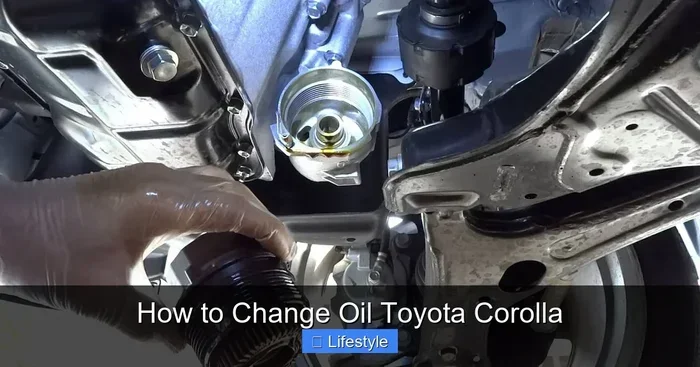
- Oil Changes: Change your oil every 5,000 to 7,500 miles. Fresh oil keeps the engine lubricated and prevents premature wear.
- Transmission Fluid: Replace every 60,000 to 100,000 miles. Clean transmission fluid keeps shifting smooth and prevents costly repairs.
- Coolant Flushes: Every 30,000 to 50,000 miles. This prevents overheating and internal corrosion.
- Brake Inspections: Check pads and rotors every 15,000 miles. Catching brake wear early prevents damage to other components.
- Timing Belt Replacement: Around 100,000 miles on most models. This is a critical service that prevents catastrophic engine failure.
Driving Habits and Usage Patterns
How you drive your Highlander matters more than you might think. Aggressive driving, frequent hard braking, and rapid acceleration all put extra stress on the engine, transmission, and brakes. Over time, this adds up and can shorten your vehicle’s lifespan significantly.
On the flip side, gentle driving extends every component. Smooth acceleration, gradual braking, and maintaining steady speeds all reduce wear. If you want your Highlander to last as long as possible, adopt a relaxed driving style. Your wallet and your vehicle will thank you.
Climate and Storage Conditions
Where you live and how you store your vehicle also play a role. Cars driven in harsh climates, such as extreme heat or heavy salt exposure, tend to age faster. Road salt causes corrosion. Extreme heat degrades fluids and rubber components more quickly.
If you live in a tough climate, take extra precautions. Wash your vehicle regularly, especially the undercarriage. Park in a garage when possible. These simple steps can add years to your Highlander’s life and help you make your car last longer than you thought possible.
Quality of Parts and Repairs
Using genuine Toyota parts or high-quality aftermarket replacements makes a real difference. Cheap parts may save money upfront but often wear out faster and cause additional damage. Always choose quality replacements and trust certified technicians for repairs.
Common Toyota Highlander Problems to Watch For
Even the most reliable vehicles develop issues over time. Knowing what to look for helps you address problems before they escalate into expensive repairs. Here are the most common issues Highlanders face as they age.
Transmission Concerns
Some Highlander owners, particularly those with 2014-2019 models, have reported transmission hesitation or rough shifting. This is not a universal problem, but it does appear often enough to warrant attention. Regular transmission fluid changes go a long way toward preventing these issues.
Engine Oil Consumption
Certain model years experience higher-than-normal oil consumption. If you notice your oil level dropping between changes, have a mechanic inspect the engine. Catching this early prevents damage to internal components.
Rust and Corrosion
Highlanders driven in northern climates where road salt is common can develop rust on the undercarriage. Regular washing and applying a rust inhibitor help protect the body and frame. Address any rust spots immediately before they spread.
Electrical Gremlins
As Highlanders age, electrical issues can pop up. These range from minor annoyances like flickering dashboard lights to more serious concerns like malfunctioning sensors. Most electrical problems are manageable if caught early.
Suspension Wear
The Highlander is a heavy SUV, and that puts stress on the suspension system. Shock absorbers, struts, and control arms wear out over time. Replacing these components on schedule keeps your ride smooth and safe.
Maintenance Tips to Extend Your Highlander’s Life
Want to get the most miles out of your Toyota Highlander? Follow these proven tips from long-time Highlander owners and automotive experts. These practices have helped many owners push past 250,000 miles without major issues.
Follow the Maintenance Schedule Strictly
Do not skip scheduled services, even if your vehicle seems fine. Toyota designs maintenance intervals based on extensive testing. Each service addresses wear that accumulates over time. Staying current with these services is the best investment you can make in your vehicle’s future.
Keep a Detailed Service Log
Maintain a record of every oil change, repair, and inspection. This log serves multiple purposes. It helps you track when services are due next. It provides proof of maintenance if you ever sell the vehicle. And it gives your mechanic a complete picture of your Highlander’s history.
Address Small Problems Immediately
That strange noise or minor leak might seem insignificant now. But small problems almost always become big problems if ignored. A $50 repair today can prevent a $5,000 repair tomorrow. Listen to your vehicle and act on warning signs quickly.
Drive with Care
We mentioned this earlier, but it deserves repeating. Gentle driving is one of the most effective ways to extend your Highlander’s life. Avoid sudden starts and stops. Give yourself extra following distance so you can brake smoothly. Treat your vehicle well, and it will reward you with years of reliable service.
Keep Fluids Fresh
Fluids are the lifeblood of your vehicle. Engine oil, transmission fluid, brake fluid, coolant, and power steering fluid all need regular attention. Dirty or low fluids cause increased friction, overheating, and premature wear. Make fluid maintenance a priority.
If you are also curious about how other Toyota models compare in terms of longevity, check out our article on Toyota Camry longevity for additional insights.
Toyota Highlander vs. Other SUVs: Longevity Comparison
How does the Highlander stack up against competitors? Let us look at a quick comparison of popular three-row SUVs and their expected lifespans.
| Vehicle | Expected Lifespan (Miles) | Expected Lifespan (Years) | Reliability Rating |
|---|---|---|---|
| Toyota Highlander | 200,000 – 300,000 | 13 – 20 | Excellent |
| Honda Pilot | 200,000 – 280,000 | 12 – 18 | Very Good |
| Chevrolet Traverse | 150,000 – 220,000 | 10 – 15 | Good |
| Ford Explorer | 150,000 – 230,000 | 10 – 16 | Good |
| Hyundai Palisade | 180,000 – 250,000 | 12 – 17 | Very Good |
As you can see, the Toyota Highlander leads the pack in expected lifespan and reliability ratings. This is not a coincidence. Toyota has spent decades engineering vehicles that prioritize longevity over short-term trends. When you buy a Highlander, you are choosing a vehicle that is built to endure.
For those interested in how hybrid vehicles compare in terms of long-term reliability, our article on how many years a hybrid will last provides excellent additional context.
Is the Toyota Highlander Worth the Investment?
The answer is a resounding yes. The Toyota Highlander offers an exceptional combination of reliability, practicality, and value. It is a vehicle that delivers day after day, year after year, without demanding constant attention or expensive repairs.
Beyond its longevity, the Highlander offers strong resale value. Used Highlanders hold their price well because buyers trust the Toyota brand. When it is time to upgrade, you will recover a significant portion of your original investment.
The Highlander also excels in safety. Toyota’s Safety Sense suite comes standard on most trims. This includes pre-collision warning, adaptive cruise control, lane departure alert, and automatic high beams. These features protect you and your family on every trip.
Add in a comfortable interior, ample cargo space, and strong fuel economy (especially in the hybrid version), and you have a vehicle that checks every box. The Toyota Highlander is not just a car that lasts a long time. It is a car that makes every mile enjoyable.
Quick Tips for Maximizing Your Highlander’s Lifespan
- Change oil every 5,000 to 7,500 miles without fail
- Rotate tires every 5,000 to 7,500 miles for even wear
- Replace air filters according to the maintenance schedule
- Address any warning lights on the dashboard immediately
- Keep the interior clean to prevent wear on seats and electronics
- Use the correct grade of motor oil specified in your owner’s manual
- Avoid overloading the vehicle beyond its rated capacity
- Warm up the engine gently in cold weather before driving hard
Common Mistakes That Shorten Your Highlander’s Life
- Skipping oil changes or extending intervals beyond recommendations
- Ignoring small leaks or unusual noises
- Driving aggressively on a regular basis
- Using low-quality fuel or aftermarket parts
- Neglecting tire maintenance and alignment
- Overloading the vehicle frequently
- Failing to address recall notices promptly
Expert Insights on Toyota Highlander Longevity
Automotive experts consistently rank the Toyota Highlander among the most reliable SUVs available. Consumer Reports, J.D. Power, and other rating agencies give the Highlander top marks for dependability. The vehicle’s reputation for longevity is not marketing hype. It is backed by decades of real-world data from millions of satisfied owners.
Mechanics who specialize in Toyota vehicles often say the same thing: the Highlander is one of the last vehicles you will ever need to buy. With basic care and attention, it becomes a dependable companion for your family’s transportation needs for many years to come.
The key is to be proactive rather than reactive. Do not wait for something to break. Stay ahead of wear and tear with regular services and inspections. This mindset shift alone can add several years and tens of thousands of miles to your Highlander’s life.
Conclusion
The Toyota Highlander is a vehicle that is truly built to last. With a potential lifespan of 200,000 to 300,000 miles, it offers exceptional value and reliability for families and individuals alike. The key to unlocking that longevity lies in consistent maintenance, smart driving habits, and prompt attention to any issues that arise.
By following the tips and insights in this guide, you can ensure your Highlander serves you well for many years to come. Whether you are a new owner or have been driving your Highlander for a decade, there is always something you can do to extend its life and keep it running at its best.
Invest in your Highlander today, and it will reward you with a lifetime of dependable service. That is the promise of the Toyota name, and the Highlander delivers on it every single day.
Frequently Asked Questions
What is the average lifespan of a Toyota Highlander?
Most Toyota Highlanders last between 200,000 and 300,000 miles with proper maintenance. At an average of 12,000 to 15,000 miles per year, this translates to roughly 13 to 20 years of reliable service. Regular oil changes, fluid replacements, and timely repairs are the key factors that determine where your Highlander falls in that range.
Can a Toyota Highlander last 300,000 miles?
Yes, it is absolutely possible for a Toyota Highlander to reach 300,000 miles. Many owners have reported hitting this milestone with their Highlanders. The key is consistent maintenance, gentle driving habits, and addressing small issues before they become major problems. The 3.5-liter V6 engine in the Highlander is specifically designed for extended durability.
What mileage do Toyota Highlanders start having problems?
Most Toyota Highlanders begin showing minor issues around the 150,000-mile mark. These can include things like suspension wear, minor electrical gremlins, or increased oil consumption. However, these are typically manageable repairs and do not signal the end of the vehicle’s life. With proper care, your Highlander can continue running smoothly well past this point.
Is the Toyota Highlander Hybrid more durable than the gas version?
The Highlander Hybrid can offer enhanced durability because the electric motor reduces the workload on the gas engine. This means less wear on internal engine components over time. However, the hybrid system introduces additional components like the battery pack and electric motors that also need maintenance. Overall, both versions are highly reliable and built to last.
How can I make my Toyota Highlander last longer?
Follow the manufacturer’s maintenance schedule strictly, change oil regularly, keep all fluids fresh, and address any unusual symptoms immediately. Gentle driving habits, proper storage, and using quality parts all contribute to a longer lifespan. If you want more tips on extending your vehicle’s life, check out our guide on how to make a car last longer.
Does the Toyota Highlander hold its value over time?
Yes, the Toyota Highlander is known for strong resale value. Its reputation for reliability means used Highlanders remain in high demand. This makes it a smart choice if you are thinking about long-term ownership and eventual resale. You can expect to recover a good percentage of your original purchase price when it is time to sell or trade in.