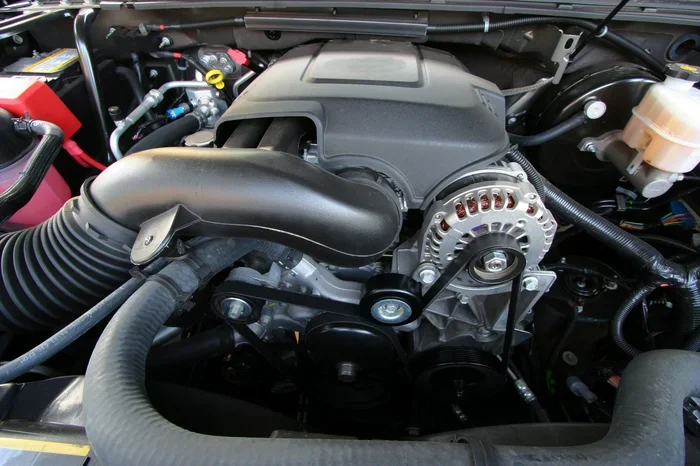
How Long Does a Toyota Alternator Last and When to Replace It
A Toyota alternator typically lasts between 80,000 and 150,000 miles or around 7 to 10 years. Knowing the alternator lifespan for your specific Toyota model helps you plan Toyota maintenance and avoid unexpected breakdowns. This guide covers every sign of a failing alternator, replacement costs, and simple tips to extend your Toyota alternator life.
Your Toyota alternator works quietly behind the scenes every time you turn the key. It keeps your battery charged and powers every electrical system in your car. Without it, your vehicle simply would not start. So how long does a Toyota alternator actually last? And more importantly, how do you know when it is time to replace it?
The answer depends on several factors. Your driving habits, the weather you face, and how well you maintain your car all play a role. Most drivers can expect their Toyota alternator to serve them well for many years. But ignoring early alternator symptoms can turn a simple fix into a costly repair. In this guide, we walk you through everything you need to know about Toyota alternator lifespan, replacement timing, and how to keep your car running strong.
Whether you drive a new Toyota Camry or an older model, understanding your electrical charging system is essential. Think of the alternator as the heartbeat of your car’s electrical network. It converts mechanical energy into electrical energy every single time the engine runs. Let us dive deep into what you need to know.
Key Takeaways
- Average Lifespan: A Toyota alternator lasts 80,000 to 150,000 miles under normal driving conditions.
- Early Warning Signs: Dim headlights, dashboard warning lights, and strange noises signal a failing alternator.
- Replacement Cost: Expect to pay between $300 and $700 for parts and labor, depending on your Toyota model.
- DIY Tips: Regular inspections of the serpentine belt and electrical connections can add years to alternator life.
- Cold Weather Impact: Extreme cold can reduce alternator efficiency and shorten its overall lifespan.
- Warranty Coverage: Many Toyota vehicles come with a 3-year/36,000-mile powertrain warranty that may cover alternator replacement.
📑 Table of Contents
How Long Does a Toyota Alternator Last?
The average Toyota alternator lasts somewhere between 80,000 and 150,000 miles. For most drivers, that translates to about 7 to 10 years of reliable service. However, these numbers are not set in stone. Several factors can push that lifespan higher or lower.
Toyota builds their alternators with quality components. The brand designs them to handle the demands of daily driving. That said, no car part lasts forever. Understanding what affects alternator durability helps you set realistic expectations for your Toyota maintenance schedule.
Factors That Affect Toyota Alternator Lifespan
Multiple things influence how long your alternator will last. Here is a closer look at the biggest factors:
- Driving Conditions: Stop-and-go city driving puts more stress on the alternator than steady highway cruising. Short trips also strain the system because the alternator never fully recharges the battery.
- Electrical Load: Running multiple accessories at once — headlights, air conditioning, stereo, and phone chargers — forces the alternator to work harder.
- Belt Condition: The serpentine belt drives the alternator. A worn or loose belt causes the alternator to spin unevenly, leading to premature wear.
- Climate: Extreme heat and extreme cold both take a toll. Cold weather makes the engine oil thicker, which means the alternator must work harder to turn the engine over. You can learn more about cold weather effects on your car in our article on how long a car can sit in cold weather.
- Battery Health: A weak battery forces the alternator to compensate. This extra load can significantly shorten alternator life.
- Water and Debris Exposure: Alternators exposed to road splash, moisture, or dirt can corrode internally over time.
Common Toyota Alternator Symptoms
Catching a failing alternator early saves you from getting stranded. Your car usually sends clear signals before the alternator completely dies. Here are the most common alternator symptoms to watch for:
1. Dashboard Warning Light
The battery-shaped warning light on your dashboard is your first clue. This light, often labeled “ALT” or “GEN,” illuminates when the electrical system detects a problem. If you see this light while driving, do not ignore it. Pull over safely and check your situation. Many drivers make the mistake of assuming it is just a battery issue. But the light often points directly to the alternator.
2. Dim or Flickering Headlights
Your headlights need a steady supply of electrical power. When the alternator starts to fail, you may notice your lights dimming at idle or flickering when you turn on the air conditioning. This happens because the alternator cannot produce enough voltage to keep up with demand.
3. Strange Noises Under the Hood
A healthy alternator runs smoothly and quietly. If you hear grinding, whining, or squealing sounds coming from the engine bay, pay attention. These noises often mean worn bearings or a loose serpentine belt. Ignoring them can lead to complete alternator failure.
4. Weak or Dead Battery
Here is a tricky one. A failing alternator often mimics battery problems. Your car starts fine one day and refuses to start the next. If you keep replacing the battery but the problem returns, the alternator is likely the real culprit. The alternator is supposed to recharge the battery while you drive. When it stops doing its job, the battery drains completely.
5. Electrical Accessories Malfunctioning
Power windows slow down. The radio cuts out. The heated seats stop working. These electrical gremlins often trace back to insufficient power from a dying alternator. Your car prioritizes essential systems first, so you may notice non-essential accessories failing before critical ones.
6. Stalling or Difficulty Starting
Without proper electrical power, your engine may stall unexpectedly or crank slowly when you turn the key. This is especially common at idle when the alternator output is lowest.
If you notice any combination of these signs, get your alternator tested right away. Many auto parts stores offer free alternator testing. You can also visit our guide on how to know if your alternator is still good for more detailed diagnostic steps.
Toyota Alternator Replacement Cost
Understanding the alternator cost helps you budget for the repair. Prices vary widely depending on your Toyota model, the year, and whether you choose original Toyota parts or aftermarket alternatives.
Parts and Labor Breakdown
On average, replacing a Toyota alternator costs between $300 and $700. Here is a typical breakdown:
- OEM Alternator Parts: $200 to $450. Original equipment manufacturer parts match what came in your car from the factory. They offer the best fit and reliability.
- Aftermarket Alternator Parts: $100 to $300. Quality aftermarket options from brands like Denso or Bosch can save you money without sacrificing performance.
- Labor Costs: $100 to $250. Most Toyota alternators are relatively accessible, so labor time is usually short. However, some models require removing additional components to reach the alternator, which increases labor time.
Keep in mind that these are national averages. Your local labor rates and the specific Toyota model you drive will affect the final price. Always ask for a detailed estimate before authorizing any repair work.
DIY vs. Professional Replacement
Experienced DIYers can save significant money by replacing the alternator themselves. The job typically takes one to three hours. You need basic tools, a serpentine belt tool, and a service manual for your specific Toyota. If you are comfortable working under the hood, this is a very manageable repair.
However, if you are unsure about any step, leave it to a professional. Incorrect installation can damage the new alternator or other car electrical parts. A certified Toyota technician ensures the job is done right the first time.
How to Extend Your Toyota Alternator Life
Good news — you can take simple steps to help your alternator last longer. Regular care and smart driving habits make a real difference. Here is how to protect your Toyota alternator:
1. Inspect the Serpentine Belt Regularly
The serpentine belt connects the engine to the alternator. Check it for cracks, glazing, or fraying during routine Toyota maintenance. A worn belt slips and causes the alternator to spin inconsistently. Replace it at the first sign of damage. Most Toyota manufacturers recommend belt inspection every 30,000 miles.
2. Keep Electrical Connections Clean
Corrosion on the alternator wiring harness can reduce electrical output. Periodically check the connections at the back of the alternator. Clean any green or white buildup with a wire brush and dielectric grease. Clean connections ensure maximum efficiency and prevent voltage drops.
3. Avoid Overloading the Electrical System
Your alternator has a rated output capacity. Running too many high-draw accessories simultaneously pushes it beyond its limits. If you have added aftermarket electronics like a high-powered stereo or additional lighting, make sure your alternator can handle the extra load. Upgrading to a higher-output alternator is a smart move for heavily accessorized vehicles.
4. Maintain Your Battery
A healthy battery reduces the strain on the alternator. Keep your battery terminals clean and ensure proper charge levels. A weak battery forces the alternator to work overtime, which accelerates wear. If your battery is more than three years old, have it tested regularly. You can also check out our article on how to make a car last longer for overall vehicle longevity tips.
5. Address Warning Signs Immediately
Do not wait for the alternator to completely fail. At the first sign of dimming lights or a dashboard warning, get it inspected. Early intervention prevents cascading damage to your battery, starter, and other electrical charging system components.
6. Follow the Toyota Maintenance Schedule
Toyota provides a detailed maintenance schedule for every model. Following it ensures that your alternator and related components get checked at recommended intervals. Routine inspections catch small problems before they become expensive repairs.
When Should You Replace Your Toyota Alternator?
Timing your alternator replacement correctly saves both money and inconvenience. Here is a practical guide to help you decide:
Replace Based on Mileage
If your Toyota has between 100,000 and 150,000 miles on the odometer, consider a preventive alternator replacement. Even if the alternator is still working, replacing it before it fails eliminates the risk of being stranded. This is especially wise if you rely on your Toyota for daily commuting or long road trips.
Replace After 7 to 10 Years
Time matters as much as mileage. Rubber seals and bearings inside the alternator degrade over time regardless of use. If your Toyota is over 7 years old, factor alternator health into your long-term Toyota maintenance plan.
Replace After a Serpentine Belt Failure
If your serpentine belt snapped or severely damaged the alternator, replacement is necessary. A broken belt can cause the alternator pulley to seize or damage internal windings. Always inspect the alternator after any belt-related incident.
Replace After Water Damage or Submersion
If your vehicle has been through a flood or deep water crossing, the alternator may have internal corrosion. Have a technician test the output voltage before it fails completely.
Toyota Alternator Warranty and Coverage
Toyota offers a 3-year/36,000-mile basic warranty and a 5-year/60,000-mile powertrain warranty on most new vehicles. Whether the alternator falls under coverage depends on the specific terms of your warranty and the cause of failure.
Normal wear and tear is typically not covered. However, if a manufacturing defect causes premature alternator failure, Toyota may cover the replacement cost. Keep your service records and purchase paperwork handy when filing a warranty claim.
Extended warranties from third-party providers often include alternator coverage. If your vehicle is out of the original warranty period, an extended plan can provide peace of mind and save you hundreds of dollars on Toyota repair costs.
Toyota Alternator vs. Other Brands
How does the Toyota alternator compare to alternatives? Toyota alternators are known for durability and consistent output. They are engineered specifically for each Toyota model, ensuring a perfect fit and reliable performance. Aftermarket alternators vary widely in quality, so always choose reputable brands like Denso, Bosch, or AC Delco.
Denso, in fact, supplies original alternators to Toyota for many models. Choosing a Denso replacement part ensures you get the same quality as the factory-installed unit. This is a smart choice for owners who want OEM-level reliability without the higher price tag of a genuine Toyota part.
Conclusion
Your Toyota alternator is a hardworking component that deserves attention and care. Under normal conditions, expect it to last between 80,000 and 150,000 miles or roughly 7 to 10 years. Watch for the warning signs of a failing alternator, and never ignore dashboard lights or unusual noises coming from under the hood.
Regular Toyota maintenance keeps your alternator and entire electrical charging system in top shape. Clean connections, fresh serpentine belts, and a healthy battery all contribute to a longer alternator lifespan. When replacement becomes necessary, choose quality parts and a trusted technician.
Taking care of your alternator today prevents inconvenient breakdowns tomorrow. Your Toyota will reward you with years of reliable, worry-free driving. Stay proactive, stay informed, and keep your car running at its best.
Frequently Asked Questions
How long does a Toyota alternator typically last?
A Toyota alternator generally lasts between 80,000 and 150,000 miles, which translates to about 7 to 10 years of normal driving. Regular maintenance and good driving habits can push the lifespan toward the higher end of that range.
What are the first signs of a failing Toyota alternator?
The earliest signs include a dashboard battery warning light, dim or flickering headlights, and strange grinding or whining noises from the engine bay. You may also notice electrical accessories like power windows or the radio malfunctioning intermittently.
Can I drive with a bad alternator?
You can drive short distances with a failing alternator, but the battery will drain quickly. Once the battery is depleted, your car will stall and will not restart. It is best to address alternator problems immediately to avoid being stranded.
How much does it cost to replace a Toyota alternator?
The average cost ranges from $300 to $700, including parts and labor. OEM parts cost more but offer the best reliability. Aftermarket parts from quality brands like Denso or Bosch provide a more budget-friendly option without sacrificing performance.
Does cold weather affect Toyota alternator life?
Yes, extreme cold can shorten alternator life. Cold temperatures thicken engine oil, making the engine harder to turn. The alternator must work harder to keep up, which adds stress to internal components. Keeping your Toyota in a garage during harsh winters helps protect the alternator.
How do I test my Toyota alternator at home?
You can test your alternator with a multimeter. Set it to DC voltage, touch the probes to the battery terminals with the engine off, and note the reading. Then start the engine and check again. A healthy alternator should show 13.5 to 14.5 volts with the engine running. If the voltage drops or stays the same, the alternator may be failing.