How Long Can My Toyota Go Without Getting an Oil Change
Most Toyotas can go between 5,000 and 10,000 miles without an oil change, but the exact interval depends on your model, engine type, and driving habits. Modern Toyotas equipped with synthetic oil often extend the gap, while older models or harsh driving conditions may require more frequent service. Ignoring the Toyota oil change interval can lead to engine damage, reduced fuel economy, and costly repairs down the road.
How long can my Toyota go without getting an oil change? This is one of the most common questions Toyota owners ask, and for good reason. Oil is the lifeblood of your engine. It keeps everything moving smoothly, reduces friction, and prevents overheating. When oil breaks down or runs low, your engine suffers. The good news is that modern Toyotas are built better than ever, and many can go longer between oil changes than older models. But “longer” does not mean “forever.” In this guide, we will walk through everything you need to know about Toyota oil change intervals, warning signs, and how to keep your engine running strong for years to come.
Whether you drive a brand-new 2024 Camry or an older Highlander, understanding your oil change schedule is essential. It saves you money, protects your engine, and keeps your Toyota running reliably. Let us break it all down in simple terms so you never have to guess again.
Key Takeaways
- Toyota oil change intervals vary by model and year: newer models can often go 10,000 miles, while older ones may need service at 5,000 miles.
- Synthetic oil lasts longer than conventional oil: switching to full synthetic can extend your change interval significantly.
- Driving conditions matter a lot: stop-and-go traffic, extreme heat, and towing all shorten the time between oil changes.
- Warning signs are your best friend: dark oil, engine noise, and dashboard lights tell you it is time for a change.
- Skipping oil changes risks engine damage: degraded oil loses its ability to lubricate, cool, and clean your engine.
- Always check your owner’s manual: Toyota provides specific recommendations for every model and engine combination.
📑 Table of Contents
- Understanding Toyota Oil Change Intervals
- Signs Your Toyota Needs an Oil Change
- What Happens When You Skip Oil Changes
- How Driving Conditions Affect Oil Change Frequency
- Tips to Keep Your Toyota Engine Healthy Between Oil Changes
- Common Mistakes Toyota Owners Make With Oil Changes
- The Bottom Line on Toyota Oil Changes
Understanding Toyota Oil Change Intervals
The standard answer to how long your Toyota can go without an oil change used to be simple: every 3,000 miles or every three months. Those days are gone. Modern Toyotas use better oils and tighter engine tolerances. Today, the Toyota oil change interval depends on several factors. Let us look at what they are.
The Role of Your Owner’s Manual
Your Toyota owner’s manual is the best place to start. Every Toyota model comes with a recommended maintenance schedule. This schedule tells you exactly how often to change your oil based on your engine type and the kind of oil you use. For most newer Toyotas, the interval falls between 5,000 and 10,000 miles. Some models with synthetic oil can even stretch to 10,000 miles or more.
Older Toyotas, especially those from before 2010, often still follow the 5,000-mile rule. The key is to check your specific model year. Do not rely on general advice from friends or internet forums. Your Toyota has its own needs, and the manual knows best.
Oil Type Matters: Synthetic vs Conventional
The type of oil you use plays a huge role in how long you can go between changes. Here is a quick comparison.
Conventional Oil: This is the standard oil used in many older Toyotas. It breaks down faster and loses its effectiveness after about 3,000 to 5,000 miles. If your Toyota uses conventional oil, stick to the 5,000-mile interval or closer.
Synthetic Oil: Full synthetic oil is designed to last longer. It resists heat breakdown better and keeps its lubricating properties for extended periods. Many newer Toyotas come filled with synthetic oil from the factory. With synthetic oil, you can often go 7,500 to 10,000 miles between changes.
Synthetic Blend: This is a mix of conventional and synthetic. It offers better protection than conventional oil alone and typically lasts about 5,000 to 7,500 miles.
Toyota Model-Specific Oil Change Intervals
Different Toyota models have different needs. Here are some general guidelines by popular model.
- Toyota Camry: Most models go 5,000 to 10,000 miles depending on the year and oil type.
- Toyota RAV4: Newer RAV4s with synthetic oil can go up to 10,000 miles.
- Toyota Highlander: Similar to the Camry, expect 5,000 to 10,000 miles.
- Toyota Tacoma: This truck often needs oil changes closer to 5,000 miles, especially if you tow or haul.
- Toyota Corolla: Most Corollas fall in the 5,000 to 7,500-mile range.
These are general ranges. Always double-check your owner’s manual for the exact number. When in doubt, visit a Toyota service center and ask a certified technician. They can look up your specific VIN and give you the right answer.
Signs Your Toyota Needs an Oil Change
Even if you have not hit the mileage mark yet, your Toyota will tell you when the oil needs attention. Learning to recognize these signs can prevent serious engine damage. Here are the most common warning signals.
Dark or Dirty Oil
Fresh oil is amber or golden in color. As it ages, it darkens. By the time it turns black or very dark brown, it has collected dirt, debris, and combustion byproducts. You can check your oil using the dipstick. Pull it out, wipe it clean, reinsert it, and pull it out again. If the oil on the stick looks like coffee instead of honey, it is time for a change.
Engine Noise and Knock
Oil reduces friction between moving engine parts. When oil gets old, it loses its ability to cushion those parts. You may notice a ticking or knocking sound when you start the engine. This happens because the oil is too thin or too dirty to provide proper lubrication. Do not ignore engine noise. It is your car asking for help.
Oil Change Reminder Light
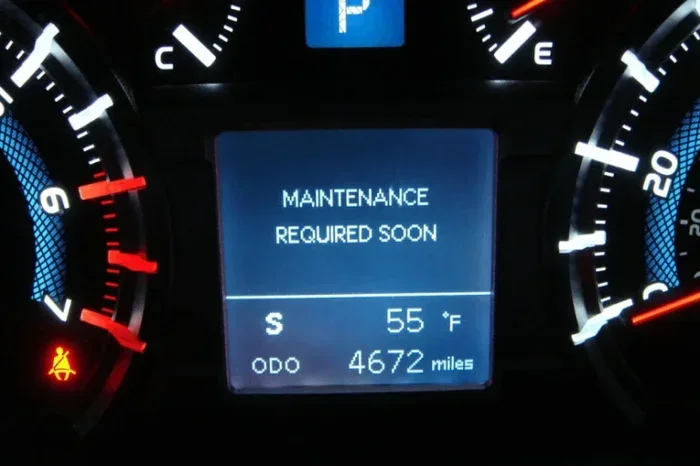
Most modern Toyotas have an oil change reminder system. This light on your dashboard will turn on when the system detects that it is time for service. Some systems are mileage-based, while others monitor driving habits and engine conditions. When this light comes on, do not delay your visit to the shop. Also, if you see a wrench-shaped light, this could indicate a maintenance issue related to your oil change schedule or other service needs.
Reduced Fuel Economy
Old, degraded oil creates more friction inside the engine. This extra friction forces your engine to work harder, which burns more fuel. If you notice your gas mileage dropping, dirty oil might be the culprit. A fresh oil change can often restore your fuel efficiency to normal levels.
Burning Oil Smell
If you smell something burning while driving, pull over safely. A burning oil smell can mean your oil level is too low or the oil has broken down completely. Running your engine with insufficient oil can cause catastrophic damage in a very short time. Turn off the engine and check the oil level right away.
What Happens When You Skip Oil Changes
It is tempting to push off an oil change, especially when life gets busy. But skipping oil changes has real consequences. Here is what can happen if you ignore your Toyota’s oil change needs.
Engine Wear and Tear
Oil lubricates thousands of moving parts inside your engine. Without clean oil, metal parts grind against each other. Over time, this causes wear on cylinder walls, bearings, and camshafts. Once this wear happens, it cannot be reversed. You may face expensive engine repairs or even a full engine replacement.
Overheating
Oil helps absorb and dissipate heat from your engine. When oil degrades, it loses its ability to regulate temperature. Your engine can overheat, leading to warped components, blown gaskets, and cracked engine blocks. Overheating is one of the most expensive repairs a Toyota owner can face.
Sludge Buildup
Old oil breaks down and forms sludge. This thick, dark substance clogs oil passages and prevents oil from reaching critical engine parts. Sludge buildup is a slow killer. It develops over months of neglected oil changes and can completely block oil flow, seizing your engine.
Voiding Your Warranty
If your Toyota is still under warranty, skipping or delaying oil changes can void that warranty. Toyota requires owners to follow the recommended maintenance schedule. If you need a major engine repair and your records show neglected oil changes, Toyota may deny the warranty claim. Keep your service records and stick to the schedule.
How Driving Conditions Affect Oil Change Frequency
Not all driving is equal. How and where you drive has a big impact on how quickly your oil degrades. Toyota recognizes this and classifies certain driving conditions as “severe.” If you regularly drive in any of the following conditions, you should shorten your oil change interval.
Stop-and-Go Traffic
City driving with lots of stops and starts is tough on oil. Frequent idling and low speeds do not allow the engine to reach optimal operating temperature. This causes moisture and fuel to contaminate the oil faster. If you drive in heavy traffic daily, consider changing your oil every 3,000 to 5,000 miles.
Extreme Temperatures
Both very hot and very cold weather affect oil performance. Extreme heat causes oil to break down faster. Cold weather makes oil thicker and harder to circulate. If you live in a climate with harsh temperature swings, your oil works harder and needs to be changed more often.
Towing and Hauling
If you use your Toyota to tow a trailer or carry heavy loads, your engine works much harder. This increases engine temperature and puts more stress on the oil. Toyota recommends shorter oil change intervals for towing applications. Check your owner’s manual for the specific towing maintenance schedule.
Dusty or Dirty Environments
Driving on unpaved roads or in dusty areas introduces more particles into the engine. These particles mix with the oil and accelerate wear. If you frequently drive in construction zones, dirt roads, or very dry climates, plan for more frequent oil changes.
Tips to Keep Your Toyota Engine Healthy Between Oil Changes
Waiting for your next oil change does not mean you should ignore your engine. Here are some simple tips to keep your Toyota in great shape between oil changes.
Check Your Oil Level Regularly
Get into the habit of checking your oil level at least once a month. Use the dipstick and make sure the oil sits between the minimum and maximum marks. If it is low, top it off with the oil type recommended in your owner’s manual. Low oil is one of the fastest ways to cause engine damage.
Watch Your Dashboard Warnings
Your Toyota has several warning systems designed to alert you to problems. If you see a check engine light or a maintenance reminder, do not ignore it. These lights exist to protect your engine. If you need to clear a check engine code after addressing the issue, make sure the root problem is fully resolved first.
Use the Right Oil
Always use the oil grade recommended by Toyota for your specific model. Using the wrong oil viscosity can affect engine performance and protection. For example, using the wrong grade could lead to poor lubrication in cold starts or excessive oil consumption at high temperatures. If you are unsure, ask a Toyota technician which oil is best for your vehicle.
Replace Your Oil Filter Too
Every time you get an oil change, the oil filter should be replaced as well. The oil filter traps dirt and debris, keeping your oil clean. A clogged filter restricts oil flow and reduces engine protection. Some people try to reuse old filters, but this is a false economy. A new filter is inexpensive insurance for your engine.
Keep Up With Other Maintenance
Oil changes are just one part of Toyota maintenance. Your engine also needs a clean air filter, fresh spark plugs, and proper tire pressure to run at its best. A clogged engine air filter can reduce airflow and affect engine performance. Staying on top of all maintenance tasks keeps your Toyota running smoothly and helps you avoid bigger problems later.
Common Mistakes Toyota Owners Make With Oil Changes
Even well-meaning Toyota owners sometimes make mistakes when it comes to oil changes. Here are the most common ones to avoid.
- Waiting too long after the reminder light: The oil change reminder is a guideline, not a suggestion. When it comes on, schedule your service soon.
- Using the wrong oil type: Not all oils are created equal. Using conventional oil when your Toyota requires synthetic can shorten engine life.
- Ignoring oil leaks: If you notice oil spots under your parked car, get it checked. Small leaks become big problems fast.
- Skipping the oil filter: Changing oil without a new filter leaves old contaminants in the system. Always replace the filter.
- Relying only on mileage: Time matters too. Oil degrades over time even if you do not drive many miles. If it has been more than six months since your last change, it is time.
Avoiding these mistakes will help you get the most life out of your Toyota engine. A little attention now saves a lot of money and headaches later.
The Bottom Line on Toyota Oil Changes
So, how long can my Toyota go without getting an oil change? The answer is different for every vehicle, but the range is typically between 5,000 and 10,000 miles for most modern Toyotas using synthetic oil. Older models or those using conventional oil usually need service closer to the 5,000-mile mark. The best approach is to follow your owner’s manual, pay attention to warning signs, and never skip an oil change when your Toyota is telling you it is time.
Your Toyota is a significant investment. Regular oil changes are one of the simplest and most affordable ways to protect that investment. Clean oil means a healthier engine, better fuel economy, smoother performance, and fewer surprises at the repair shop. Make oil changes a priority, and your Toyota will reward you with reliable service for hundreds of thousands of miles.
Stay proactive about your maintenance schedule. Check your oil regularly, watch for warning signs, and build a relationship with a trusted Toyota service center. When you take care of the basics, your Toyota takes care of you.
Frequently Asked Questions
How many miles can I go without an oil change in my Toyota?
Most modern Toyotas can go between 5,000 and 10,000 miles without an oil change when using synthetic oil. Older models or those using conventional oil typically need a change every 3,000 to 5,000 miles. Always check your owner’s manual for the exact recommendation for your specific model and year.
Can I use 87 octane gas in my Toyota and does it affect oil change frequency?
Yes, most Toyotas run fine on 87 octane gas, and using the recommended fuel grade does not directly change your oil change interval. However, driving habits and conditions matter more. If you tow or drive in harsh conditions, you should change your oil more frequently regardless of fuel type.
What happens if I go too long without an oil change?
Going too long without an oil change causes the oil to break down and lose its lubricating ability. This leads to increased engine wear, overheating, sludge buildup, and potentially catastrophic engine failure. The cost of an oil change is tiny compared to the cost of a new engine.
Does my Toyota have an oil life monitoring system?
Yes, most Toyotas manufactured after 2006 come equipped with an oil life monitoring system. This system tracks your driving conditions and mileage to estimate when your oil needs changing. When the system triggers a reminder, it is time to schedule your service. You can also clear a check engine code or maintenance light after completing the service to reset the reminder.
How do I know if my oil is dirty without a mechanic?
You can check your oil yourself using the dipstick. Pull it out, wipe it clean, reinsert it, and pull it out again. Fresh oil should be amber or golden. If the oil looks very dark brown or black, feels gritty between your fingers, or has a strong burnt smell, it is dirty and needs to be replaced.
Is it okay to change my Toyota oil every 10,000 miles?
For newer Toyotas using full synthetic oil and driving under normal conditions, 10,000-mile intervals are generally acceptable. However, if you drive in severe conditions like extreme heat, stop-and-go traffic, or towing, you should shorten the interval to 5,000 to 7,500 miles for best engine protection.
=== CONCLUSION ===
How long can my Toyota go without an oil change is a question with a clear answer when you know the facts. Most Toyotas need an oil change every 5,000 to 10,000 miles, but your specific model, oil type, and driving conditions all play a role. Pay attention to your owner’s manual, watch for warning signs like dark oil or engine noise, and never skip a scheduled oil change. Your Toyota’s engine works hard for you every day. Give it the care it deserves with regular oil changes and simple maintenance habits. A few minutes of attention now can save you thousands of dollars in repairs later and keep your Toyota running strong for many years to come.