Find Out Why My Toyota Hood Latch Is Not Working Now
A broken Toyota hood latch can leave you stranded and frustrated. Whether the latch is stuck, jammed, or completely unresponsive, this guide covers every common cause and fix. You will learn how to diagnose the problem, perform simple repairs, and know when to call a professional.
There are few things more annoying than standing in front of your Toyota with a hood that just will not open. You pull the release lever, nothing happens. You try again, maybe a little harder, and still nothing. A Toyota hood latch not working is a problem that can happen to any owner, and it always seems to come at the worst possible moment.
Whether you are trying to check your engine for overheating, add washer fluid, or just do routine maintenance, a stuck hood puts everything on hold. The good news is that most hood latch problems have simple solutions. You do not need to be a mechanic to fix many of these issues. In this guide, we will walk you through every common cause, every fix, and every tip that will get your Toyota hood working again.
We will start with the basics. How does a hood latch actually work? Then we will dive into the most common reasons your latch fails. Finally, we will cover step-by-step fixes and tell you exactly when it is time to visit a professional. By the end, you will have the knowledge and confidence to handle this problem yourself.
Key Takeaways
- Stuck Hood Latch: Dirt, rust, or a broken spring are the most common reasons your Toyota hood latch is not working.
- Cable Issues: A frayed or stretched hood release cable can prevent the latch from opening properly.
- Simple Fixes Work: Lubrication, adjustment, and cable replacement often solve the problem without a mechanic.
- Safety First: Always work on a cool engine and use proper support when accessing the hood latch.
- Know When to Call a Pro: If the latch assembly is damaged or the electronic release fails, professional help is the best choice.
- Preventive Care: Regular cleaning and lubrication can extend the life of your Toyota hood latch significantly.
📑 Table of Contents
How Your Toyota Hood Latch Works
Before you can fix a problem, you need to understand how the system works. The hood latch on a Toyota is a simple mechanical device. It has a few key parts that work together every time you open your hood.
Inside the cabin, there is a release lever. Usually, it sits on the left side of the driver’s footwell. When you pull this lever, it sends a signal through a cable to the latch assembly under the hood. The latch releases the hood, and you can lift it open.
Most Toyotas also have a safety latch. This is a secondary lock that keeps the hood from flying open while you are driving. You usually need to push or pull this safety latch by hand after the primary release clicks open.
The Main Components
- Interior Release Lever: The handle you pull inside the car.
- Release Cable: A metal cable that connects the lever to the latch.
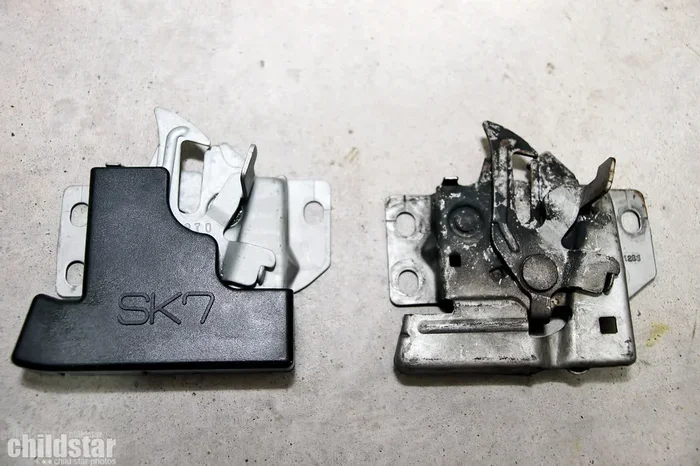
- Latch Assembly: The mechanism that holds the hood closed.
- Safety Latch: A secondary lock that prevents accidental opening.
- Spring Mechanism: Helps the latch return to its locked position.
Understanding these parts makes it much easier to figure out what went wrong. Each component can fail on its own, and the symptoms are often different depending on which part is the culprit.
Common Reasons Your Toyota Hood Latch Is Not Working
When your Toyota hood latch is not working, the cause usually falls into one of several categories. Let us look at each one in detail so you can narrow down the problem quickly.
1. Dirt and Debris Buildup
This is the number one cause of a sticky or unresponsive hood latch. Over time, dust, mud, leaves, and road grime build up around the latch mechanism. This gunk can gum up the moving parts and prevent the latch from clicking open.
If you live in an area with a lot of dust or you frequently drive on dirt roads, this problem comes on faster. The good thing is that this is usually the easiest fix. A good cleaning often brings the latch back to life.
2. Broken or Stretched Release Cable
The release cable connects your interior lever to the latch assembly. Over months and years of use, this cable can stretch, fray, or even snap. When the cable fails, pulling the lever inside the car does nothing at all.
You might notice warning signs before the cable completely breaks. The lever might feel loose or spongy. It might require more force than usual to release the hood. If you catch these signs early, you can replace the cable before it leaves you stranded.
3. Rust and Corrosion
Toyota vehicles are built to last, but that does not mean they are immune to rust. The hood latch assembly sits exposed to the elements. Rain, snow, road salt, and humidity can all cause rust to form on the latch and its moving parts.
Rust creates friction. It makes the latch stiff and hard to operate. In severe cases, rust can actually weld the latch in place. This is more common on older Toyotas or vehicles that have spent time in cold, snowy climates.
4. Broken Spring Mechanism
The spring inside the latch assembly keeps the hood securely closed. If the spring breaks or loses tension, the hood might not stay latched. In some cases, a weak spring can also make the latch feel loose or unresponsive.
A broken spring is not something you can fix with a quick spray of lubricant. You will usually need to replace the latch assembly or repair the spring. This is a slightly more involved fix, but it is still manageable for most DIYers.
5. Electronic Release Failure
Some newer Toyota models come with electronic or motorized hood release systems. These rely on electrical signals and small motors to release the latch. If the battery in your key fob dies or the electronic system has a glitch, the hood might not open.
Before you panic, check your car battery first. A weak battery can cause all sorts of electronic issues, including a hood release that does not respond. If the battery is fine, the problem might be in the electronic release module itself.
6. Hood Latch Alignment Problems
Sometimes the latch is not broken at all. It might just be out of alignment. If the hood is not sitting properly on the latch, it will not catch. This can happen after a hood replacement, a minor accident, or even from years of opening and closing the hood.
Alignment issues often cause the latch to feel loose or like it is not engaging fully. The hood might pop open while driving or fail to latch securely. This is a safety concern that should be addressed right away.
How to Diagnose Your Hood Latch Problem
Now that you know the common causes, let us figure out how to diagnose your specific problem. A little detective work can save you a lot of time and money.
Start by sitting in the driver’s seat. Pull the hood release lever. Do you feel any resistance? Does the lever feel normal, or does it feel loose and floppy? Your answer to these questions tells you a lot about where the problem is.
If the lever feels normal but the hood does not open, the cable might be broken. If the lever feels loose, the cable might have come disconnected. If you hear a click but the hood still does not open, the latch assembly itself might be jammed.
Next, go outside and look at the front of the car. Check the area around the hood latch. Do you see any visible damage? Is there a lot of dirt or rust? Use a flashlight to look into the latch area. Sometimes you can see the problem just by looking.
Also check the safety latch. Push or pull the safety latch mechanism while someone else tries the interior release. If the hood still does not open, the problem is likely in the main latch assembly or the cable.
Quick Diagnostic Checklist
- Does the interior release lever feel normal or loose?
- Do you hear a click when you pull the lever?
- Is there visible rust or debris around the latch?
- Does the hood open when you manually push the safety latch?
- Have you recently had any work done on the hood or front of the car?
This checklist helps you quickly narrow down the cause. Write down what you find. This information will be helpful if you need to visit a mechanic.
Step-by-Step Fixes for a Toyota Hood Latch Not Working
Now for the part you have been waiting for. Here are the fixes you can try at home. We will start with the simplest solutions and work our way up to more involved repairs.
Fix 1: Clean the Latch Mechanism
If dirt and grime are the problem, cleaning is your first step. Start by spraying a penetrating lubricant like WD-40 around the latch assembly. Let it sit for about 10 minutes. Then try pulling the release lever again.
If the lubricant does not work, you will need to do a deeper clean. Open the hood if you can access it from the engine bay. Look for the latch assembly. Use a brush to remove any visible dirt or debris. A toothbrush works great for this. Wipe the latch with a clean cloth, then spray it with more lubricant.
After cleaning, open and close the hood several times. This helps work the lubricant into all the moving parts. You should notice a big improvement right away.
Fix 2: Adjust the Release Cable
If the cable has stretched, it might not pull the latch with enough force. Most Toyota release cables have an adjustment point near the latch assembly. You will need to locate the cable end and tighten it.
Start by loosening the adjustment bolt. Pull the cable taut and then retighten the bolt. Have someone pull the interior lever while you watch the cable action. The cable should pull smoothly and release the latch with a clear click.
If the cable is frayed or damaged, adjustment will not help. You will need to replace the cable entirely. This is a moderately easy fix that most car owners can do with basic tools.
Fix 3: Replace the Release Cable
Cable replacement is one of the most common hood latch repairs. The good news is that replacement cables are affordable and widely available. You can find the right cable for your Toyota model online or at any auto parts store.
Start by disconnecting the cable from the interior lever. Then trace the cable to the latch assembly and disconnect it there. Remove the old cable and route the new one in the same path. Reconnect both ends and test the operation.
This fix usually takes about 30 minutes. If you are not comfortable working under the hood, ask a friend to help or watch a tutorial specific to your Toyota model. Removing windshield wipers is a similar under-hood task that many owners do themselves, and cable replacement is just as manageable.
Fix 4: Replace the Latch Assembly
If the latch itself is broken, rusted, or the spring has failed, you will need a new assembly. This is a more involved repair, but it is still doable for most DIYers.
Start by disconnecting the negative battery terminal. This prevents any electrical issues while you work. Remove the hood release cable from the old latch. Unbolt the latch assembly from the hood frame. Install the new latch and reverse the removal steps.
Make sure the new latch is properly aligned before tightening all the bolts. Test the release lever and the safety latch before closing the hood. A properly installed latch should feel smooth and secure.
Fix 5: Address Electronic Release Issues
For Toyotas with electronic hood release, the fix depends on the specific problem. Start by replacing the key fob battery. A dead battery is the most common cause of electronic release failure.
If that does not work, check the fuse box. A blown fuse can disable the electronic release system. Refer to your owner’s manual to find the right fuse and replace it if needed.
If the fuse is fine, the electronic release module might need to be replaced. This is a job for a professional mechanic. The module is located under the hood, and accessing it requires some mechanical knowledge.
Preventing Future Hood Latch Problems
The best way to deal with a Toyota hood latch not working is to prevent the problem before it starts. A little regular maintenance goes a long way toward keeping your latch working smoothly for years.
Regular Cleaning
Make it a habit to clean around the latch area every few months. Use a damp cloth to wipe away dirt and grime. If you live in a dusty area or drive on dirt roads, clean more frequently. A few minutes of cleaning can prevent months of problems.
Lubricate Moving Parts
Spray the latch mechanism with a silicone-based lubricant every six months. This keeps the moving parts smooth and prevents rust from forming. Avoid using grease, as it can attract dirt and make the problem worse.
Check the Cable Regularly
Every time you open your hood, pay attention to how the release lever feels. If it starts to feel different, check the cable. Catching cable wear early can save you from a sudden failure.
Avoid Slamming the Hood
It is tempting to just let the hood slam shut, but this puts stress on the latch mechanism. Always close the hood gently. Make sure it is fully latched before walking away. A properly closed hood lasts longer and stays secure.
Protect Against Rust
If you live in a coastal area or a place with harsh winters, take extra steps to protect your latch from rust. Apply a rust inhibitor spray to the latch assembly once or twice a year. Wash the underside of your car regularly to remove salt and road chemicals.
When to Call a Professional Mechanic
Not every hood latch problem needs a DIY fix. Some issues are best left to the professionals. Here are the signs that you should stop trying to fix it yourself and call a mechanic.
- The latch assembly is visibly damaged or cracked.
- The hood is completely stuck and none of the release methods work.
- You have tried all the fixes above and the problem persists.
- The electronic release system has multiple failures.
- You are not comfortable working under the hood.
There is no shame in calling a professional. A mechanic has the tools and experience to diagnose and fix complex problems quickly. If your Toyota hood latch is not working and you have tried everything, a professional visit might be the smartest choice.
Also, if your Toyota is still under warranty, check with your dealer before attempting any repairs. Some warranty work needs to be done at an authorized service center. You can learn more about this in our article on taking your Toyota to any dealership for warranty work.
Dealing with a stuck hood can be stressful, but remember that it is almost always a solvable problem. Whether it is a simple cleaning job or a cable replacement, the fix is usually straightforward and affordable. The key is to act quickly and not ignore the problem. A latch that is not working today might leave you unable to check your engine tomorrow.
Keep this guide bookmarked. If your hood latch ever gives you trouble again, you will know exactly what to do. And share it with a friend who might be dealing with the same frustration. A little knowledge can save a lot of time and money.
Frequently Asked Questions
Why won’t my Toyota hood open when I pull the lever?
The most common reason is a broken or stretched release cable. The cable connects your interior lever to the latch assembly, and when it fails, pulling the lever does nothing. Another possibility is a jammed latch mechanism caused by dirt or rust buildup.
Can I drive my Toyota with the hood not fully latched?
No, you should never drive with the hood not fully secured. An unlatched hood can fly open while driving, blocking your view and causing a serious accident. Always make sure the latch clicks securely before you start the engine.
How much does it cost to fix a Toyota hood latch?
The cost depends on the problem. A simple cleaning or cable adjustment costs little to nothing. A cable replacement typically runs between $50 and $150 for parts and labor. A full latch assembly replacement can range from $150 to $400 depending on your Toyota model.
Is it safe to use WD-40 on my hood latch?
Yes, WD-40 is safe and effective for cleaning and lubricating hood latches. It helps dissolve grime and reduces friction in the moving parts. For long-term lubrication, consider using a silicone-based lubricant after the initial WD-40 cleaning.
What should I do if my electronic hood release stops working?
Start by replacing your key fob battery, as a dead battery is the most common cause. If that does not work, check the fuse box for a blown fuse. If both of those are fine, the electronic release module may need professional diagnosis and repair.
How can I manually open my Toyota hood if the release cable is broken?
Most Toyotas have an emergency hood release located under the front grille or behind the bumper. You can access it by feeling around with your hand or using a long tool. Once you find it, pull or release it to unlock the hood, then lift it open and secure it with the prop rod.
=== CONCLUSION ===
A Toyota hood latch not working is a frustrating problem, but it is almost always fixable. Whether the cause is dirt, a broken cable, rust, or an electronic failure, you now have the knowledge to tackle it head-on. Start with the simplest fixes and work your way up. Most of the time, a little cleaning or a cable replacement gets the job done.
Remember to maintain your latch regularly. Clean it, lubricate it, and check the cable. These small habits prevent big problems down the road. And when the problem is beyond your comfort level, do not hesitate to call a professional mechanic.
Your Toyota is a reliable machine, and a working hood latch is a small but important part of keeping it that way. Use this guide, share it with others, and keep your Toyota running strong for years to come.