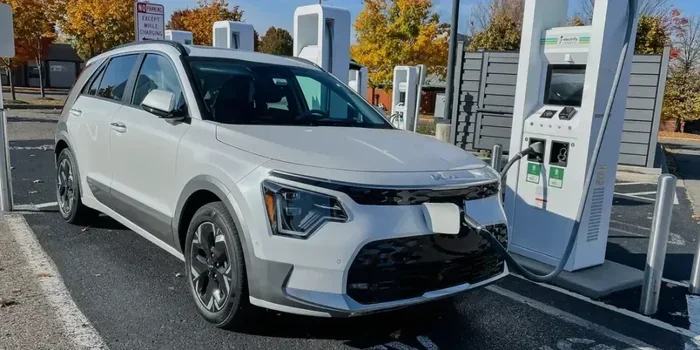
How to Charge a Kia Niro Everything You Need to Know
Charging a Kia Niro is simple whether you use a home outlet, a Level 2 charger, or a public station. This guide covers every method, including charging times, costs, and battery maintenance tips. You will learn how to get the most range from your Kia Niro without confusion or guesswork.
Key Takeaways
- Home Charging Is the Easiest Option: A standard 120V outlet works for slow overnight charging, while a 240V Level 2 charger cuts time dramatically.
- Public Stations Offer Fast Top-Ups: DC fast charging can add significant range in under an hour for the Niro PHEV and EV models.
- Charging Cost Is Much Lower Than Gas: Home electricity rates make overnight charging very affordable compared to filling up at a pump.
- Battery Health Matters for Longevity: Avoiding extreme discharge levels and using the right charger extends your Kia Niro battery life.
- Regenerative Braking Helps Too: The Niro recaptures energy while driving, reducing how often you need to plug in.
- Check Your Trim and Model: The Niro HEV, PHEV, and EV each have different charging needs and capabilities.
📑 Table of Contents
- How to Charge a Kia Niro Everything You Need to Know
- Understanding Your Kia Niro Charging Options
- How Long Does It Take to Charge a Kia Niro
- Kia Niro Charging Cost and Savings
- Kia Niro Battery Maintenance and Charging Tips
- Common Kia Niro Charging Mistakes to Avoid
- Final Thoughts on Charging Your Kia Niro
How to Charge a Kia Niro Everything You Need to Know
Owning a Kia Niro means you are driving one of the most popular hybrid and electric SUVs on the road today. Whether you picked up the standard hybrid version or the plug-in hybrid or full electric model, knowing how to charge it properly is essential. This guide walks you through every charging method, every tip, and every detail you need.
People often worry about charging an electrified vehicle. It sounds complicated. But in reality, it is much simpler than most folks think. You plug in a cable, wait a few hours, and you are ready to go. The real question is knowing which method works best for your lifestyle and your specific Niro model.
In this article, we break down all the charging options for the Kia Niro. We cover home charging, public stations, charging times, costs, and battery care. By the end, you will feel confident about keeping your Niro powered up every single day. Let us get into it.
Understanding Your Kia Niro Charging Options
Not every Kia Niro charges the same way. The model you own determines what kind of charging port you have and how fast you can refill the battery. The Niro comes in three main electrified versions: the standard hybrid, the plug-in hybrid, and the full electric. Each one has different charging needs.
The standard Niro HEV does not plug in at all. It charges its battery through regenerative braking and the gas engine. But the Niro PHEV and Niro EV both need external power. If you own one of these two models, you will want to understand the different charging levels available to you.
Level 1 Charging (Standard Household Outlet)
Level 1 charging uses a regular 120-volt household outlet. This is the most basic method. Every Niro PHEV and EV comes with a portable charging cord that you can plug into any standard wall outlet. The big advantage is convenience. You can charge anywhere there is an outlet. No special equipment needed.
The downside is speed. Level 1 charging is very slow. It can take over 20 hours to fully charge a Niro PHEV battery from empty. For the Niro EV, it takes even longer. This method works best for overnight charging when you are not using the car. If you have a short commute and can plug in every night, Level 1 might be all you need.
Some owners ask whether they can use the same approach for other hybrids. For example, if you have wondered can I charge my Prius at home, the answer is similar. Most plug-in hybrids use the same basic Level 1 setup.
Level 2 Charging (240V Home Charger)
Level 2 charging is the gold standard for home charging. It uses a 240-volt outlet, the same type that powers a clothes dryer or an oven. You will need to install a dedicated Level 2 charger in your garage or driveway. A licensed electrician can set this up for you in a few hours.
The speed difference is huge. A Level 2 charger can fully charge a Niro PHEV in about 2 to 3 hours. The Niro EV takes roughly 6 to 8 hours on a Level 2 setup. This means you can plug in when you get home from work and wake up to a full battery every morning.
Most Niro owners consider a Level 2 charger a worthwhile investment. The installation cost ranges from 500 to 1500 dollars depending on your electrical panel and wiring distance. But the convenience and time savings make it well worth it for daily drivers.
DC Fast Charging (Public Stations)
DC fast charging uses high-powered public stations to replenish your battery quickly. The Niro PHEV and Niro EV both support fast charging to varying degrees. These stations are commonly found at shopping centers, rest stops, and dedicated EV charging hubs.
Fast charging is perfect for road trips or when you need a quick top-up. The Niro EV can gain about 60 to 80 miles of range in roughly 20 to 30 minutes on a fast charger. The PHEV charges much faster too since its battery is smaller. Public fast charging is also useful if you do not have home charging access, such as living in an apartment building.
Some drivers also explore whether they can use Tesla Superchargers for non-Tesla vehicles. If you are curious about cross-brand charging, you might find it helpful to read about charging a Prius Prime at a Tesla station. The principles are similar, and some networks are opening up to more brands.
How Long Does It Take to Charge a Kia Niro
Charging time depends on three main factors: battery size, charger type, and starting charge level. Here is a breakdown of typical charging times for each Niro variant.
Kia Niro PHEV Charging Times
- Level 1 (120V): Approximately 18 to 24 hours from empty to full.
- Level 2 (240V): About 2 to 3 hours from empty to full.
- DC Fast Charging: Roughly 30 to 45 minutes for a partial charge up to 80 percent.
Kia Niro EV Charging Times
- Level 1 (120V): Around 36 to 48 hours from empty to full.
- Level 2 (240V): Approximately 6 to 8 hours from empty to full.
- DC Fast Charging: About 45 to 60 minutes to reach 80 percent.
These times are estimates based on ideal conditions. Cold weather, battery temperature, and charger condition can all affect actual charging speed. In winter months, expect slightly longer charging times, especially with Level 1 and Level 2 methods.
What Affects Charging Speed
Several factors influence how fast your Niro charges. Battery temperature is a big one. Cold batteries charge more slowly because the system protects the cells. The state of charge also matters. Charging from 10 to 80 percent is faster than going from 0 to 100. Many EV owners learn to stop at 80 percent for daily use and only charge to 100 for long trips.
Charger condition matters too. A worn or damaged charging cable slows things down. Always inspect your cables and connectors before plugging in. If you notice fraying or damage, replace the cable immediately. Safety first, always.
Kia Niro Charging Cost and Savings
One of the biggest advantages of driving a Niro is the lower fueling cost. Electricity is cheaper than gasoline in almost every part of the country. Here is a closer look at what you can expect to spend on charging your Niro.
Home Charging Cost
The average cost of electricity in the United States is about 15 to 16 cents per kilowatt-hour. A Niro PHEV has a battery of about 8.9 kWh. A full charge from empty costs roughly 1.30 to 1.40 dollars. A Niro EV has a larger battery around 64 kWh, so a full charge runs about 9 to 10 dollars.
Compare that to gasoline. Even at 30 miles per gallon, a similar-sized SUV would cost 8 to 12 dollars to fill the tank for the same driving distance. Over a year, Niro owners can save hundreds or even thousands of dollars on fuel. These savings add up fast.
Public Charging Cost
Public charging stations charge more than home electricity. Level 2 public stations typically cost 30 to 60 cents per kWh. DC fast charging stations range from 40 cents to 70 cents per kWh. Some networks charge by the minute instead of per kilowatt-hour. The cost varies widely by location and provider.
If you can charge at home, you will save significantly compared to relying on public stations. Think of public charging as a backup option for road trips or emergencies. For daily use, home charging is always the most economical choice.
Kia Niro Battery Maintenance and Charging Tips
Taking care of your Niro battery goes hand in hand with charging it properly. Good habits can extend battery life and keep your range strong for years to come. Here are some practical tips every Niro owner should follow.
Do Not Let the Battery Drop to Zero
Letting your battery drain completely on a regular basis puts stress on the cells. Try to plug in when your charge drops below 20 percent. This keeps the battery in a healthy range and reduces long-term degradation. Think of it like keeping your phone between 20 and 80 percent charge for best longevity.
Use the Right Charger for Your Model
Not all chargers are the same. Make sure you use a charger that matches your Niro model and charging port. The PHEV uses a J1772 connector for Level 1 and Level 2 charging. The EV uses the same J1772 connector plus a CCS port for DC fast charging. Using the wrong connector can damage your car or simply not work at all.
Keep the Battery Cool
Heat is the enemy of lithium-ion batteries. Park your Niro in the shade when possible, especially during hot summer months. If you are charging in direct sunlight, try to do it in the early morning or evening when temperatures are cooler. Some Niro models have battery thermal management systems, but helping them out with smart parking habits goes a long way.
Take Advantage of Regenerative Braking
One of the best things about the Niro is regenerative braking. When you slow down or brake, the electric motor acts as a generator and sends energy back to the battery. This means you are charging while you drive. It does not replace plug-in charging, but it helps you get more range from every trip. You can adjust the regenerative braking strength in some Niro models to maximize energy recapture.
Many drivers do not realize this feature is always working. Once you understand how it helps, you start to see the Niro differently. It is not just a car you plug in. It is a car that charges itself while you drive too.
Follow the Manufacturer Maintenance Schedule
Kia includes battery health checks in the regular maintenance schedule. During service appointments, the dealer or technician can check the battery state of health and flag any issues early. Staying on top of scheduled maintenance helps you catch small problems before they become big expensive ones. It also keeps your warranty intact, which is important since the Niro battery comes with a solid warranty coverage.
Common Kia Niro Charging Mistakes to Avoid
Even the best intentions can lead to mistakes. Here are some common errors Niro owners make and how to avoid them.
- Using a damaged charging cable: Frayed or cracked cables can cause slow charging or safety hazards. Inspect your cord regularly and replace it if you see any damage.
- Charging to 100 percent every night: While it is fine occasionally, constantly charging to full can slightly reduce battery lifespan over time. For daily use, 80 to 90 percent is plenty.
- Ignoring software updates: Kia occasionally releases updates that improve charging efficiency and battery management. Keep your car software up to date.
- Leaving the car uncharged for weeks: If you plan to store the Niro for an extended period, charge it to about 50 percent before parking it. A fully depleted battery can suffer damage during long storage.
- Skipping the manual: Your Niro owner manual has specific charging instructions for your exact model. It is worth reading through the charging section at least once.
Avoiding these simple mistakes can save you time, money, and protect your investment for the long haul. Small habits make a big difference over the life of the vehicle.
Final Thoughts on Charging Your Kia Niro
Charging a Kia Niro does not have to be intimidating. Whether you use a simple wall outlet at home or a fast public station, the process is straightforward and user-friendly. The key is finding the method that fits your daily routine and sticking with it. Most Niro owners find that home charging becomes second nature within the first week.
Remember that the Niro is designed to be practical and forgiving. Its battery management system does a lot of the heavy lifting behind the scenes. You do not need to be an expert to charge it effectively. Just plug in, follow the basic tips in this guide, and enjoy the savings that come with driving an electrified vehicle.
Take a moment to understand your specific Niro model and its charging capabilities. Whether it is the hybrid, plug-in hybrid, or full electric version, you now have the knowledge to charge it right. Start applying these tips today and you will notice the difference in range, battery health, and overall driving confidence.
Stay consistent with your charging habits, keep your cables in good shape, and trust the process. Your Kia Niro is built to serve you well for many miles to come. Happy charging.
Frequently Asked Questions
Can I Charge My Kia Niro at a Regular Outlet?
Yes, both the Niro PHEV and Niro EV can be charged using a standard 120-volt household outlet. This is called Level 1 charging and it comes with the portable charging cord included with your vehicle. It is the slowest method, but it works perfectly for overnight charging when you do not need a full charge in a hurry.
How Much Does It Cost to Fully Charge a Kia Niro at Home?
A full charge for the Niro PHEV costs roughly 1 to 2 dollars at average electricity rates. The Niro EV costs about 9 to 10 dollars for a complete charge. These costs are a fraction of what you would spend on gasoline for a similar-sized SUV, making the Niro one of the most affordable electrified vehicles to own and fuel.
Can I Install a Level 2 Charger in My Garage Myself?
It is strongly recommended to hire a licensed electrician for Level 2 charger installation. The setup involves a dedicated 240-volt circuit and proper electrical panel capacity. A professional ensures the installation is safe, up to code, and optimized for your Niro charging speed. Attempting a DIY installation can be dangerous and may void your home insurance.
Does the Kia Niro Have Regenerative Braking?
Yes, the Kia Niro uses regenerative braking to recapture energy while you drive. When you lift off the accelerator or apply the brakes, the electric motor reverses and charges the battery slightly. This feature helps extend your range and reduces how often you need to plug in. You can adjust the regenerative braking intensity in some Niro trims for maximum energy recapture.
How Long Does the Kia Niro Battery Last?
Kia warranties the Niro battery for 10 years or 100,000 miles, whichever comes first. With proper charging habits and regular maintenance, many Niro batteries last well beyond the warranty period. Avoiding deep discharges, keeping the battery cool, and using the correct charger all contribute to long battery life.
Can I Drive My Kia Niro if the Battery Is Dead?
The Niro HEV can still drive on gasoline if the hybrid battery is depleted, though performance will be limited. The Niro PHEV can also run on gas in a low-battery state. The Niro EV cannot drive without battery charge. If your battery is completely dead, you will need to charge it before driving again. For more information on hybrid battery situations, you can read about driving a Prius without the hybrid battery for a similar perspective on hybrid operation.