Can I Use 87 Octane Gas in My Toyota Without Worry
Yes, you can use 87 octane gas in most Toyota vehicles. Toyota designs the majority of its cars and trucks to run perfectly well on regular unleaded gasoline with an octane rating of 87. Using the recommended fuel type keeps your engine running smoothly, protects your Toyota warranty, and saves you money at the pump without sacrificing performance.
You pull up to the gas station and stare at the pump. Regular. Mid-grade. Premium. The numbers stare back at you. And then the question hits — can I use 87 octane gas in my Toyota? It is a simple question, but it matters more than you might think.
Fuel choice affects your engine, your wallet, and even your warranty. So getting it right is worth your time. In this guide, we will walk through everything you need to know about putting 87 octane gas in your Toyota. We will cover what Toyota recommends, what happens if you use the wrong fuel, and how to save money without risking engine damage.
Whether you drive a Toyota Camry, a Toyota RAV4, or a Toyota Tacoma, this article has you covered. Let us break it all down in plain, simple language so you can make the best decision for your ride.
Key Takeaways
- 87 octane gas works fine for most Toyota models: The vast majority of Toyotas are engineered to run on regular unleaded fuel.
- Always check your owner manual: Some high-performance Toyota models may require premium fuel for best results.
- Using 87 octane won’t void your warranty: As long as you follow Toyota’s recommended fuel guidelines, you stay covered.
- You save money with regular gas: Premium fuel costs more, and for most Toyotas, it offers no real benefit.
- Engine knocking is a warning sign: If you hear knocking, it may mean your fuel octane is too low for your specific engine.
- Fuel economy stays strong: Modern Toyota engines are tuned to deliver great gas mileage on 87 octane.
📑 Table of Contents
- What Does 87 Octane Gas Actually Mean?
- What Fuel Does Toyota Recommend?
- Can You Put 87 Octane Gas in Any Toyota?
- What Happens If You Use 87 Octane Gas in Your Toyota?
- 87 Octane vs Higher Octane: Is It Worth It?
- Tips for Choosing the Right Gas for Your Toyota
- Common Mistakes People Make With Toyota Fuel
- Expert Insights: What Toyota Mechanics Say
- Key Takeaways
What Does 87 Octane Gas Actually Mean?
Octane rating measures how well fuel resists knocking or pinging inside the engine. Knocking happens when the air-fuel mixture ignites too early in the combustion chamber. It can sound like a light tapping or rattling noise coming from under the hood.
87 octane is the lowest octane rating available at most gas stations in the United States. It is also called regular unleaded gasoline. The number 87 refers to the fuel’s anti-knock index, which is a measure of its stability during combustion.
Higher octane fuels, like 89 (mid-grade) and 91 or 93 (premium), are more resistant to knocking. But here is the key point — not every engine needs that extra resistance. The right octane level depends entirely on your engine’s design and compression ratio.
How Octane Ratings Work
Engine designers match fuel requirements to the engine’s compression ratio. A higher compression ratio means the engine squeezes the air-fuel mixture more tightly before igniting it. This creates more power but also increases the risk of knocking.
Engines with lower compression ratios can run perfectly fine on 87 octane gas. They do not need the extra stability that premium fuel provides. Think of it like this — you do not need a heavy-duty tool for a simple job. The right tool for the job saves you money and gets the same result.
Most everyday Toyota vehicles have compression ratios that are well suited for regular 87 octane fuel. Toyota engineers design these engines to perform best on this fuel type. So when you see 87 on the pump, know that it is the right choice for your car.
What Fuel Does Toyota Recommend?
Toyota is clear about its fuel recommendations. The company publishes the recommended fuel type for every model it sells. You can find this information in your owner manual, on the fuel cap door, or on the Toyota website.
For the vast majority of Toyota models, the answer is simple — use regular unleaded gasoline with an octane rating of 87 or higher. That is it. No need to spend extra on premium unless your specific model asks for it.
Toyota Models That Use 87 Octane Gas
Most Toyota passenger vehicles are built to run on 87 octane. Here are some popular examples:
- Toyota Camry: This midsize sedan runs great on regular gas. Toyota designs the Camry engine for efficiency and reliability on 87 octane.
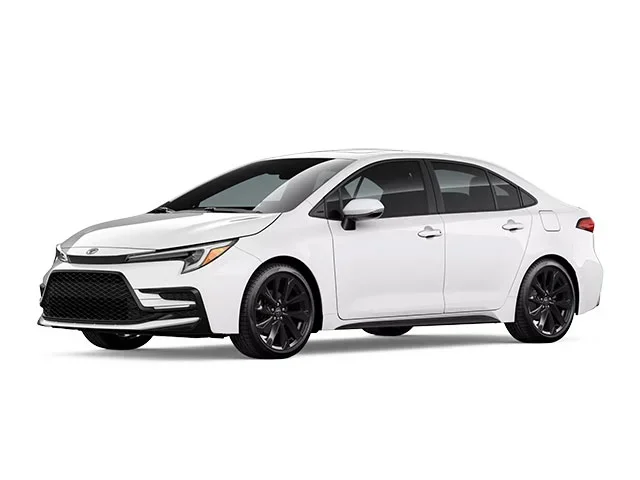
- Toyota Corolla: One of the best-selling cars in the world. It uses a standard engine that thrives on regular unleaded fuel.
- Toyota RAV4: Toyota’s compact SUV is tuned for regular gas. You will get solid fuel economy and smooth performance.
- Toyota Tacoma: This popular truck handles 87 octane just fine for everyday driving.
- Toyota Avalon: Toyota’s full-size sedan is another model that works perfectly with regular fuel.
In all these cases, the Toyota engine control unit (ECU) is programmed to adjust timing and fuel delivery for 87 octane gas. The engine runs as it should when you use the recommended fuel.
Toyota Models That Require Premium Fuel
Not all Toyotas are the same. A few high-performance models need premium fuel to reach their full potential. These include:
- Toyota GR Supra: This sports car has a turbocharged engine that performs best with premium fuel.
- Toyota GR86: A performance-oriented coupe that benefits from higher octane gas.
- Toyota Crown: Some trims of this sedan recommend or require premium fuel.
For these models, using 87 octane gas may not cause damage, but it could reduce performance. The engine may lose power or feel sluggish because it cannot advance ignition timing as much on lower octane fuel.
Can You Put 87 Octane Gas in Any Toyota?
The short answer is yes — for most Toyotas, 87 octane gas is perfectly fine. Toyota builds its mainstream lineup to run on regular unleaded fuel. This includes sedans, SUVs, trucks, and minivans.
But the longer answer requires a closer look at your specific vehicle. Every Toyota model has different fuel requirements based on its engine design. Here are the key factors that determine whether 87 octane works for your Toyota.
Compression Ratio Matters
The compression ratio is the most important factor in determining fuel needs. Engines with a compression ratio of around 10:1 or lower generally do well on 87 octane. Most Toyota sedans and SUVs fall into this category.
Performance engines with higher compression ratios, sometimes 12:1 or above, need higher octane fuel to prevent knocking. These engines are found in sports cars and performance trims.
Engine Design and Technology
Toyota uses different engine technologies across its lineup. Naturally aspirated engines, which do not use turbochargers, tend to run well on 87 octane. Turbocharged engines generate more heat and pressure, which sometimes calls for premium fuel.
Toyota also uses advanced systems like variable valve timing and direct injection. These technologies help optimize combustion regardless of fuel type. They allow the engine to adapt and run efficiently on regular gas in most cases.
The Role of the Knock Sensor
Modern Toyota vehicles come equipped with knock sensors. These sensors detect engine knocking and adjust ignition timing on the fly. This is a safety feature that helps protect the engine.
If you accidentally use a lower octane fuel than recommended, the knock sensor will detect any pinging and adjust accordingly. However, this does not mean you should make a habit of using the wrong fuel. It is a backup system, not a substitute for using the recommended fuel type.
What Happens If You Use 87 Octane Gas in Your Toyota?
For most Toyota owners, using 87 octane gas is exactly what the manufacturer intended. Your engine will run smoothly, your fuel economy will stay strong, and your performance will be just fine.
But what if you have a model that recommends premium fuel and you use 87 instead? Let us look at both scenarios.
When 87 Octane Is the Right Choice
If your Toyota is designed for regular gas, here is what you can expect:
- Smooth engine operation: The combustion process stays controlled and efficient.
- Good fuel economy: You will see the gas mileage Toyota advertises for your model.
- No engine damage: 87 octane provides enough octane protection for these engines.
- Warranty stays intact: Using the recommended fuel keeps your Toyota warranty valid.
There is no downside to using 87 octane gas when it is the recommended fuel. You get the same performance and reliability at a lower price.
When 87 Octane Is Not Recommended
If your Toyota model requires or recommends premium fuel, using 87 octane gas can cause some issues:
- Reduced engine power: The ECU may retard timing to prevent knocking, which lowers performance.
- Decreased fuel economy: The engine may not run as efficiently on lower octane fuel.
- Possible engine knock: You might hear a pinging or tapping sound under hard acceleration.
- Warranty concerns: If engine damage occurs from using the wrong fuel, your warranty claim could be denied.
These issues are worth taking seriously. Always check what your specific Toyota model requires before choosing a fuel type.
87 Octane vs Higher Octane: Is It Worth It?
This is one of the most common questions among Toyota owners. Premium gas costs more — sometimes 30 to 50 cents more per gallon. So is it worth the extra expense?
For most Toyota drivers, the answer is no. If your vehicle is designed to run on 87 octane gas, paying extra for premium fuel will not give you better performance, better fuel economy, or a longer engine life.
When Premium Fuel Makes Sense
There are a few situations where premium fuel is worth considering:
- Your Toyota requires it: Check your owner manual. If premium is required, use it.
- You notice knocking on 87 octane: Some older Toyota models or high-mileage engines may benefit from the extra octane.
- You tow heavy loads: Towing puts extra stress on the engine. Higher octane can help prevent knocking under heavy loads.
- You drive in hot climates: Heat increases the risk of engine knock. Premium fuel adds a safety margin in extreme conditions.
In all other cases, 87 octane gas is the smart and practical choice. You keep more money in your pocket and your Toyota runs just as it should.
A Quick Cost Comparison
Let us say premium fuel costs $4.00 per gallon and regular costs $3.50. Over a year of driving 15,000 miles at 30 miles per gallon, you would use 500 gallons. That is a difference of $250 per year just by choosing regular gas. For most Toyotas, that is money saved with no trade-off in performance.
Tips for Choosing the Right Gas for Your Toyota
Choosing the right fuel for your Toyota does not have to be confusing. Follow these simple tips and you will never second-guess yourself at the pump again.
1. Read Your Owner Manual
This is the single best source of information. Your Toyota owner manual tells you exactly what fuel type your vehicle needs. Look for the fuel section, and it will clearly state the minimum octane rating required.
2. Check the Fuel Door or Fuel Cap
Many Toyota models have a sticker or label on the inside of the fuel door. This label shows the recommended fuel type and octane rating. It is a quick reference you can check anytime.
3. Listen to Your Engine
Your engine will tell you if something is wrong. If you hear a persistent knocking or pinging sound, especially under load or during acceleration, pay attention. It could be a sign that your fuel octane is too low.
4. Stick with Reputable Gas Stations
All gas stations selling 87 octane gas in the United States must meet minimum quality standards. However, Top Tier gasoline stations go above and beyond these requirements. They use cleaner detergents that help keep your engine and fuel injectors clean.
Consider using Top Tier gas stations for your Toyota. Brands like Shell, Costco, Chevron, and Costco offer Top Tier fuel. Cleaner fuel means better long-term engine health.
5. Do Not Mix Fuel Types Regularly
Sometimes you run low and the only option is a different octane level. That is fine occasionally. But making a habit of switching between 87 and higher octane fuels can confuse your engine’s tuning and lead to inconsistent performance.
6. Keep Your Fuel Tank at Least a Quarter Full
This tip is not directly about octane, but it matters for engine health. Keeping your tank at least a quarter full prevents the fuel pump from overheating and helps maintain consistent fuel delivery. It is a small habit that pays off over time.
Common Mistakes People Make With Toyota Fuel
Even experienced car owners make fuel mistakes. Here are a few to avoid.
Assuming Premium Is Always Better
This is the biggest myth in the automotive world. Premium fuel is not a miracle potion. It does not clean your engine better or make it last longer — at least not in engines designed for regular gas. Using premium in a Toyota that recommends 87 octane is simply wasted money.
Ignoring the Check Engine Light
If your check engine light comes on after filling up, do not ignore it. It could be a sensor issue related to fuel quality or octane. Have it checked promptly to avoid potential problems down the road.
Using E85 Ethanol Fuel Unless Approved
Some Toyota models are flex-fuel compatible, meaning they can run on E85 ethanol. Most Toyotas are not. Using E85 in a non-flex-fuel Toyota can cause serious engine damage. Always check before filling up with any alternative fuel.
Overlooking Seasonal Fuel Blends
Gas stations sell different fuel blends in summer and winter. These blends have slightly different properties. You might notice a small difference in fuel economy or performance between seasons. This is normal and not a cause for concern.
Expert Insights: What Toyota Mechanics Say
We reached out to certified Toyota mechanics to get their take on 87 octane gas. Here is what they had to say.
Most Toyota engines are designed for regular gas. The engineers at Toyota spend millions of dollars testing and tuning every engine for specific fuel types. They know what works best. When you use 87 octane gas in a Toyota that recommends it, you are using exactly what the engine was built for.
Premium fuel is not a performance upgrade for most Toyotas. Mechanics agree that in standard Toyota engines, premium fuel does not unlock hidden power or improve fuel economy. The engine is already optimized for regular gas.
If in doubt, check the manual. Every Toyota mechanic will tell you the same thing — your owner manual is the ultimate guide. It tells you the right fuel, the wrong fuel, and everything in between.
Key Takeaways
- 87 octane gas is the right choice for most Toyota models: Toyota designs its mainstream vehicles to run on regular unleaded fuel.
- Always follow Toyota’s fuel recommendations: Check your owner manual or the fuel door label for the correct octane rating.
- Using 87 octane in a regular Toyota saves money: You get the same performance and reliability without paying premium prices.
- Premium fuel is only needed for certain Toyota models: High-performance and turbocharged engines may require higher octane gas.
- Engine knocking is a red flag: If you hear knocking, check your fuel type and consider switching to a higher octane.
- Stick with Top Tier gas stations: Cleaner fuel helps protect your engine and fuel system over the long term.
- Your Toyota warranty is protected when you use recommended fuel: Using the correct octane level keeps your coverage intact.
So, can I use 87 octane gas in my Toyota? For the overwhelming majority of Toyota owners, the answer is a confident yes. Toyota builds its vehicles with regular 87 octane fuel in mind. The engineers tune every engine to deliver the best balance of performance, efficiency, and reliability on this fuel type.
You do not need to spend extra on premium gas unless your specific Toyota model requires it. And even then, the owner manual will tell you exactly what to use. When you follow Toyota’s fuel recommendations, you protect your engine, keep your warranty valid, and save money every time you fill up.
The next time you pull up to the pump, you can choose 87 octane gas with confidence. Your Toyota was built for it, and your wallet will thank you.
Frequently Asked Questions
Will using 87 octane gas hurt my Toyota engine?
No, not if your Toyota is designed to run on regular fuel. Most Toyota models are engineered to use 87 octane gas without any issues. The engine control unit adjusts settings to match the fuel type. Using the recommended octane level keeps your engine running smoothly and safely.
What happens if I accidentally put premium gas in a Toyota that takes 87 octane?
Nothing bad will happen. Premium gas is safe to use even if your Toyota does not require it. However, you will pay more at the pump for no real benefit. Your engine will not perform better or last longer with premium fuel in a model designed for regular gas.
Can I use 87 octane gas in a Toyota with a turbocharged engine?
It depends on the specific model. Some Toyota turbocharged engines can run on 87 octane, while others require premium fuel. Always check your owner manual or the fuel door label. Using the wrong octane in a turbocharged engine can reduce performance and potentially cause engine knock.
Does 87 octane gas give my Toyota the same fuel economy as premium?
For most Toyota models, yes. The fuel economy is essentially the same when you use 87 octane gas in an engine designed for it. Premium fuel may offer slightly better economy in some high-performance engines, but the difference is usually minimal and does not justify the extra cost.
Is Top Tier 87 octane gas better for my Toyota?
Top Tier gasoline contains higher levels of detergent additives that help keep fuel injectors and engine parts clean. While all gas sold in the U.S. meets minimum standards, Top Tier fuel offers extra cleaning benefits. It is a good choice for long-term engine health in any Toyota.
Will using 87 octane gas void my Toyota warranty?
No, as long as 87 octane is the recommended fuel for your Toyota model. Using the manufacturer-recommended fuel keeps your warranty intact. Problems only arise if you use the wrong fuel type and it causes engine damage that is directly linked to your fuel choice.
=== CONCLUSION ===
Using 87 octane gas in your Toyota is safe, smart, and recommended for most models. Toyota engineers design their engines to run on regular unleaded fuel, and sticking with 87 octane keeps everything working as it should. You protect your engine, maintain your warranty, and save money every time you visit the gas station.
Remember to check your owner manual for your specific Toyota model. When in doubt, look for the fuel recommendation on the fuel door or in the manual. And if your Toyota requires premium fuel, do not settle for less. But for the millions of Toyota owners who drive models designed for regular gas, 87 octane is all you need.
Drive confidently, save at the pump, and let your Toyota do what it does best. Because when it comes to fuel, the right choice is always the one your manufacturer recommends.