What Is the Code C1-241 – Causes Fixes and Meaning
The C1-241 code is an OBD-II diagnostic trouble code indicating a fault in the ABS hydraulic motor or its control circuit. This code can disable your anti-lock braking system, making wet-weather driving dangerous. Learn the top causes, symptoms, and step-by-step fixes to get your ABS system working again.
If your check engine light or ABS warning light just threw a C1-241 code, you’re probably wondering what’s going on. This code is directly tied to your vehicle’s anti-lock braking system, and ignoring it can put you at risk. The good news is that you don’t necessarily need a mechanic to understand or even fix the problem. In this article, I’ll break down everything you need to know about the C1-241 code in plain language.
The C1-241 diagnostic trouble code is a standard OBD-II alert that tells you something is wrong with the ABS hydraulic motor. Your car’s ABS system relies on this motor to rapidly pump the brakes during a skid. When the motor fails or its circuit has a problem, the system can’t protect you from wheel lockup. That’s why learning the C1-241 code meaning is so important for every car owner.
Key Takeaways
- C1-241 Points to ABS Hydraulic Motor Failure: This code means the ABS pump or motor is not responding correctly to commands from the control module.
- Common Symptoms Include ABS Light and Traction Control Issues: You may notice a lit ABS warning light, flashing traction control light, or a spongy brake pedal.
- Top Causes Are Wiring, Fluid, and Pump Motor Problems: Corroded connectors, low brake fluid, and a burned-out hydraulic motor are the most frequent culprits.
- Diagnosis Starts with a Scan Tool and Visual Inspection: You can check connectors, fluid levels, and motor resistance before replacing expensive parts.
- Repair Costs Range from $50 to $600+: Simple wiring fixes are cheap, while replacing the ABS hydraulic unit can be pricey.
- Do Not Ignore This Code: A failed ABS system increases stopping distance on slippery roads and can cause wheel lockup during hard braking.
- Prevention Is Simple: Regular brake fluid flushes and keeping connectors clean help the C1-241 code from returning.
📑 Table of Contents
Understanding the C1-241 Code Definition
What Does C1-241 Mean?
The C1-241 code is a chassis-related OBD-II DTC. The “C” stands for the chassis network, and “1-241” is the specific fault index. In simple terms, your vehicle’s ABS control module has detected that the hydraulic motor cannot build pressure or respond as expected. This motor is the heart of the ABS pump assembly. Without it, your anti-lock braking system stays disabled, even if the rest of the brakes work fine.
When the C1-241 code sets, the module also stores a freeze frame of the conditions at the time of failure. This includes vehicle speed, brake pedal input, and wheel speed sensor data. A mechanic can pull this data with a scan tool to understand exactly when the fault happened.
How the ABS System Works
To really grasp the C1-241 code, it helps to know how the ABS system works. When you slam on the brakes and a wheel starts to lock, the ABS control module sends a signal to the hydraulic motor. The motor rapidly pressurizes and releases brake fluid to that wheel. This happens dozens of times per second, keeping the tire rolling and the car stable.
The system depends on several components working together:
- Wheel speed sensors that monitor each wheel’s rotation.
- The ABS control module that processes the sensor data.
- The hydraulic motor and pump that create the pressure changes.
- Brake fluid that transmits the force through the lines.
If any part of this chain breaks, the C1-241 code can appear. Most often, the fault lies in the motor or its wiring.
Common Symptoms of C1-241
You might not always feel a difference when the C1-241 code first appears. However, over time, the symptoms become clear. Watch for these signs:
- The ABS warning light stays on or flashes on the dashboard.
- The traction control light also illuminates, since traction control shares the ABS system.
- You notice the brake pedal feels harder or sometimes spongy during hard stops.
- On wet or icy roads, the wheels lock up more easily than they should.
- A grinding or buzzing noise comes from the rear of the car when you brake hard.
If you experience any of these, a scan tool will likely confirm the C1-241 code. The earlier you address it, the safer your vehicle remains.
Top Causes of the C1-241 Code
Faulty ABS Hydraulic Motor
The most common cause of the C1-241 code is a worn-out or burned ABS hydraulic motor. This small electric motor sits inside the ABS pump assembly and works incredibly hard during emergency stops. Over time, the brushes wear down, the armature can short, or the motor simply burns out. When that happens, the control module loses its ability to command pressure changes.
In many vehicles, the motor and pump are sold as a single unit. This means replacing it can be expensive. But before you commit to that cost, you should rule out simpler causes.
Wiring and Connector Issues
Corroded or damaged wiring is a frequent reason for the C1-241 code. The ABS hydraulic motor connects to the control module through a wiring harness. This harness is often exposed to road debris, moisture, and heat. Over time, the connectors can corrode, or the wires can chafe against a nearby bracket.
Even a single broken wire can stop the signal from reaching the motor. A visual inspection of the connector at the pump motor often reveals green corrosion or bent pins. Repairing a wire is far cheaper than replacing the entire motor.
Low Brake Fluid or Contaminated Fluid
Brake fluid plays a critical role in the ABS system. If the fluid level drops low, the pump motor may not have enough pressure to operate correctly. This can trigger the C1-241 code even if the motor itself is healthy. Common reasons for low fluid include a leak at a brake line or a worn brake pad that has allowed the fluid level in the reservoir to drop.
Contaminated fluid is another hidden cause. Brake fluid is hygroscopic, meaning it absorbs moisture over time. Moisture in the system can cause internal corrosion in the ABS pump and damage the motor windings. A brake fluid flush every two years can prevent this issue.
ABS Control Module Failure
In rare cases, the C1-241 code stems from a failing ABS control module. The module itself may have an internal short or a software glitch. If the module cannot send the correct signal to the hydraulic motor, it will set this code. Module failure is uncommon, but it does happen, especially in older vehicles with high mileage.
Step-by-Step Diagnosis and Repair
Tools You’ll Need
Before you start diagnosing the C1-241 code, gather a few basic tools. You don’t need anything fancy, but having the right equipment saves time and frustration.
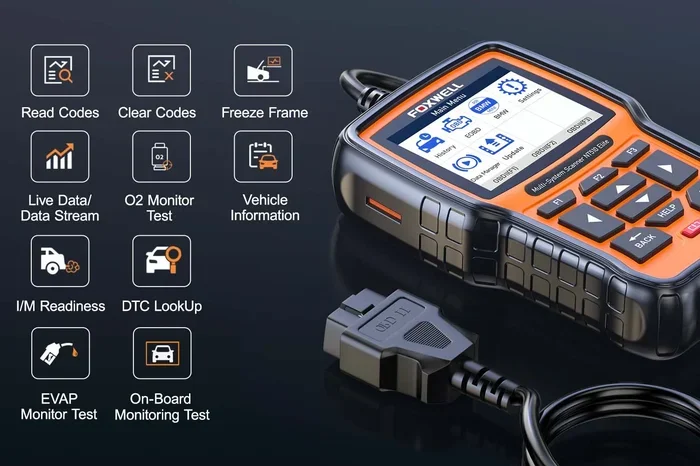
- A basic OBD-II scan tool or code reader.
- A digital multimeter for checking voltage and resistance.
- A set of wrenches and screwdrivers.
- Brake fluid and a small container for bleeding.
- Electrical contact cleaner and a wire brush.
Diagnostic Steps
Follow these steps in order to pinpoint the exact cause of the C1-241 code.
Step 1: Check the Brake Fluid Level
Open the hood and locate the brake fluid reservoir. If the level is below the minimum mark, top it off with the correct DOT fluid for your vehicle. Low fluid is an easy fix and sometimes clears the code immediately.
Step 2: Inspect the ABS Pump Connector
Find the ABS pump motor assembly, usually near the rear of the engine bay or on the firewall. Unplug the electrical connector and examine it closely. Look for green or white corrosion, melted pins, or moisture. Clean the connector with electrical contact cleaner and a small brush. If the pins are corroded, use fine-grit sandpaper to gently clean them.
Step 3: Test the Hydraulic Motor
With the connector unplugged, set your multimeter to the resistance (ohms) setting. Touch the probes to the motor terminals. A healthy ABS hydraulic motor typically reads between 2 and 5 ohms. If the reading is infinite (open circuit) or zero (short circuit), the motor is faulty and needs replacement. You can also apply 12 volts directly to the motor terminals (briefly) to see if it spins. A motor that doesn’t spin or spins weakly is bad.
Step 4: Check the Wiring Between the Module and Motor
With the connector still unplugged, test the wiring harness for continuity. You’re looking for a complete circuit with no breaks. A reading of zero or near-zero ohms indicates good continuity. An infinite reading means a broken wire somewhere in the harness. Follow the wiring diagram for your specific vehicle to trace the exact path.
Step 5: Clear the Code and Test Drive
After completing the repairs, use your scan tool to clear the C1-241 code. Take the car for a test drive, including some hard braking on a safe, empty road. If the code doesn’t return, your fix was successful. If it does return, the problem is likely deeper, and you may need to replace the ABS pump motor or the control module.
Quick Tips for Diagnosis
- Always check the brake fluid first. It’s the simplest and cheapest thing to rule out.
- Don’t assume the motor is bad just because the code says so. Wiring issues are more common.
- Use a factory service manual for your specific vehicle. Wiring diagrams vary widely between models.
- When applying voltage directly to the motor, do it for only a second or two to avoid overheating.
C1-241 Repair Costs and Time Estimates
Cost Breakdown by Cause
The cost to fix the C1-241 code varies widely depending on the root cause. Here’s a comparison of the most common repair scenarios.
| Cause | Parts Cost | Labor Cost | Total Cost | Time to Fix |
|---|---|---|---|---|
| Wiring/Connector Repair | $10–$30 | $50–$100 | $60–$130 | 1–2 hours |
| Low Brake Fluid (Top-Off) | $15–$30 (fluid) | $0 (DIY) | $15–$30 | 15 minutes |
| ABS Hydraulic Motor Replacement | $200–$500 | $150–$300 | $350–$800 | 2–4 hours |
| ABS Control Module Replacement | $400–$800 | $100–$200 | $500–$1,000 | 1–3 hours |
As you can see, a simple wiring fix is a fraction of the cost of a full pump replacement. That’s why a proper diagnosis before parts purchase is so important.
DIY vs Professional Repair
If you’re comfortable working on your car, many of the steps above are DIY-friendly. Checking the fluid, cleaning a connector, and testing a motor with a multimeter are all tasks you can do in your garage. However, replacing the ABS hydraulic motor or the control module often requires bleeding the brake system, which can be tricky for beginners.
If you’re not confident, it’s worth paying a shop to handle the repair. A professional will have the specialized bleed tools and the expertise to ensure the ABS system works perfectly after the fix. A wrong repair could leave the ABS inoperative, which is a serious safety risk.
Preventing the C1-241 Code from Returning
Regular Maintenance Tips
Once you’ve fixed the C1-241 code, you’ll want to keep it from coming back. Regular maintenance is your best defense. Here’s what I recommend:
- Flush your brake fluid every two years. This removes moisture and prevents internal corrosion in the ABS pump.
- Inspect the ABS pump connector during every oil change. Look for any signs of corrosion or damage. Clean it with contact cleaner if needed.
- Keep your brake fluid at the proper level. Check the reservoir monthly, especially if you notice any fluid leaks under the car.
- Replace worn brake pads promptly. Worn pads can cause the fluid level to drop, stressing the entire system.
Driving Habits That Help
Your driving style also affects the ABS system’s health. Avoid riding the brakes on long downhill drives, as this can overheat the hydraulic motor. If you frequently drive through deep water, the ABS sensors and connectors can be exposed to extra moisture. Rinsing the undercarriage occasionally helps prevent corrosion.
Expert Insights and Common Mistakes
What Mechanics Wish You Knew
Experienced technicians see the C1-241 code all the time. Here’s what they want you to understand:
- The ABS light being on doesn’t mean your regular brakes are gone. You can still stop the car, but you lose the anti-lock protection. On a wet road, that’s a big deal.
- Don’t just replace parts blindly. I’ve seen owners buy a new ABS motor based on the code alone, only to find out a corroded connector was the real problem.
- Scanning for other codes is essential. The C1-241 code often appears alongside wheel speed sensor codes or traction control codes. Those additional codes can point you to the root cause faster.
Common Mistakes to Avoid
When dealing with the C1-241 code, many people make the same errors. Avoid these to save time and money:
- Ignoring the code and hoping it goes away. The ABS system won’t fix itself, and the code will return every time you start the car.
- Using the wrong brake fluid. Mixing DOT 3 and DOT 4 or using the wrong spec can damage the ABS pump internals.
- Not bleeding the system after a repair. Air in the ABS lines causes a spongy pedal and can prevent the motor from building proper pressure.
- Clearing the code without fixing the problem. The code will just come back, and you’ll waste money on a new scan tool visit.
By following the steps in this guide, you’ll have a clear path to understanding and fixing the C1-241 code. Whether you handle the repair yourself or take it to a shop, the knowledge helps you make smarter decisions and avoid unnecessary expenses.
Conclusion
The C1-241 code is a serious but fixable issue that affects your vehicle’s anti-lock braking system. It signals a problem with the ABS hydraulic motor or its control circuit, and ignoring it can compromise your safety on wet or icy roads. By understanding the C1-241 code meaning, checking the common causes, and following the diagnostic steps outlined here, you can tackle this repair with confidence. Start with the simple checks—fluid level, connector condition, and wiring—before moving on to motor replacement. The right approach saves you money and gets your ABS system working again. Don’t wait until the next rainy day to address this code. Take action now, and drive with the peace of mind that your brakes will perform when you need them most.
Frequently Asked Questions
Can I drive my car with the C1-241 code?
You can drive short distances carefully, but it’s not recommended. The ABS system won’t prevent wheel lockup during hard braking, which increases your stopping distance on slippery surfaces. Have the vehicle inspected as soon as possible to restore full braking safety.
What is the most common cause of the C1-241 code?
The most common cause is a faulty ABS hydraulic motor or corroded wiring at the pump connector. Before replacing the motor, always check the connector for green corrosion and test the wiring harness for continuity. These simple checks often reveal the real problem without a costly parts replacement.
How much does it cost to fix the C1-241 code?
Costs range from about $15 for a brake fluid top-off to $800 or more for a full ABS hydraulic motor replacement. Wiring repairs typically cost between $60 and $130. The final price depends entirely on what’s causing the code in your specific vehicle.
Will clearing the C1-241 code fix the problem?
No, clearing the code only erases the error from the module’s memory. The underlying issue—whether it’s a bad motor, low fluid, or a wiring fault—still exists. The code will return as soon as the system detects the problem again. Always diagnose and repair the root cause first.
Can low brake fluid cause the C1-241 code?
Yes, low brake fluid can absolutely trigger the C1-241 code. The ABS hydraulic motor needs adequate fluid pressure to operate. If the level drops too low, the pump can’t build the necessary pressure, and the control module will set the code. Check your brake fluid reservoir as the first step when you see this code.
Is the C1-241 code the same across all car brands?
The code definition is standardized by SAE, so C1-241 means the same thing for Ford, Chevrolet, Toyota, Honda, and most other brands. However, the exact location of the ABS pump motor and the wiring layout can vary. Always refer to your vehicle-specific service manual for the exact repair procedure and wiring diagram.