Can You Jump-Start a Prius A Simple Step-by-Step Guide
Yes, you can jump-start a Prius using a standard set of jumper cables and another vehicle. The process is similar to a regular car but requires extra care because of the hybrid battery system. This guide walks you through every step safely and clearly, so you can handle a dead battery situation with confidence.
So your Toyota Prius won’t start. The dashboard lights are dim, and you turn the key — nothing happens. You might feel a little panicked, but here is the good news. Can you jump-start a Prius? Absolutely. The answer is yes, and the process is simpler than most people think.
A dead battery can happen to anyone. Whether you left your lights on overnight or your hybrid battery has simply aged, a jump-start can get you back on the road in minutes. But a Prius is not a regular gasoline car. It has two battery systems, and knowing which one to use matters a lot.
This guide gives you every step you need. We will cover how the battery system works, what tools you need, the exact jump-start procedure, common mistakes to avoid, and tips to prevent a dead battery in the future. By the end, you will feel confident handling this situation on your own.
Let us get into it. Whether you are a first-time Prius owner or have been driving one for years, this step-by-step guide will make the process clear and safe.
Key Takeaways
- You can jump-start a Prius: The process uses the same jumper cables as any car, but you must connect them to the correct terminals.
- The 12-volt auxiliary battery is the key: The hybrid traction battery is not what you jump-start — it is the smaller 12V battery that powers accessories and engine start.
- Safety first: Always read your owner’s manual and follow each step in order to protect yourself and the vehicle.
- Common mistakes cause damage: Mixing up positive and negative clamps or connecting to the wrong battery can lead to costly repairs.
- Prevention is easy: Regular maintenance and smart habits keep your Prius battery healthy and reduce the chance of a dead battery.
- Know when to call for help: If you are unsure or something feels wrong, roadside assistance is always a safe option.
📑 Table of Contents
- Understanding How the Prius Battery System Works
- Can You Jump-Start a Prius? Yes — Here Is How
- Common Mistakes to Avoid When Jump-Starting a Prius
- When to Call for Professional Help
- Preventing a Dead Battery in Your Prius
- Key Differences Between Jump-Starting a Prius and a Regular Car
- Quick Tips for a Safe and Successful Jump-Start
- Final Thoughts
Understanding How the Prius Battery System Works
Before you connect any cables, it helps to understand what is under the hood. A Toyota Prius uses two separate battery systems. This is different from a regular car that has just one battery. Knowing the difference is the first step to a successful jump-start.
The 12-Volt Auxiliary Battery
The smaller battery in your Prius is a standard 12-volt battery. It looks a lot like the battery in a regular gasoline car. This battery powers the lights, the radio, the dashboard, and the engine start system. When this battery dies, your Prius will not start.
This is the battery you jump-start. You do not need to touch the big hybrid traction battery to get your car running again. The 12V battery is usually located in the trunk or under the rear seat, depending on your Prius model year.
The Hybrid Traction Battery
The larger battery pack is what makes your Prius a hybrid. This high-voltage battery powers the electric motor and helps the gasoline engine. It operates at several hundred volts, which is why you should never touch it during a jump-start.
The good news is that this battery rarely causes starting problems. Even if the traction battery is low, the 12V auxiliary battery still handles the engine start. So when you jump-start a Prius, you are working with the 12V system only.
Can You Jump-Start a Prius? Yes — Here Is How
Now that you understand the battery system, let us answer the big question again. Can you jump-start a Prius? Yes, and here is exactly how to do it. Follow each step carefully and in order.
What You Will Need
Before you start, gather these items. Having everything ready makes the process smooth and safe.
- A set of jumper cables — standard red and black clamps
- A second vehicle with a working battery or a portable jump starter pack
- Your Prius owner’s manual (for reference)
- Safety gloves and eye protection (optional but smart)
- A flat, stable surface to park both vehicles
Make sure the jumper cables are in good condition. Look for any fraying or exposed wire. Damaged cables can cause sparks or uneven power flow, which is dangerous.
Step-by-Step Jump-Start Process
Follow these steps in exact order. Skipping or rearranging steps can damage the electrical system.
- Park both vehicles close together. Make sure they are not touching. Turn off the engines and all accessories in both cars.
- Open the hood or trunk to locate the 12V auxiliary battery in your Prius. On most models, it is in the trunk on the driver’s side.
- Identify the positive and negative terminals. The positive terminal has a red cover or a “+” sign. The negative terminal has a black cover or a “-” sign.
- Connect the red clamp to the positive terminal on your Prius first.
- Connect the other red clamp to the positive terminal on the working vehicle.
- Connect the black clamp to the negative terminal on the working vehicle.
- Connect the remaining black clamp to an unpainted metal surface on your Prius, away from the battery. This is called grounding, and it reduces spark risk.
- Start the working vehicle and let it run for a few minutes. This charges your Prius battery.
- Try starting your Prius. Press the power button and hold the brake pedal. If it starts, let it run.
- Disconnect the cables in reverse order. Remove the black clamp from your Prius first, then from the working vehicle. Then remove the red clamps.
That is it. You have successfully jump-started a Prius. Let the engine run for at least 15 minutes to recharge the battery before turning it off.
Common Mistakes to Avoid When Jump-Starting a Prius
Even though the process is straightforward, mistakes happen. Here are the most common errors people make when they jump-start a Prius and how to avoid them.
Connecting Clamps in the Wrong Order
Order matters a lot. If you connect the clamps out of sequence, you can cause a short circuit. Always follow the order we listed above. Red to positive first, black to ground last.
Connecting to the Wrong Battery
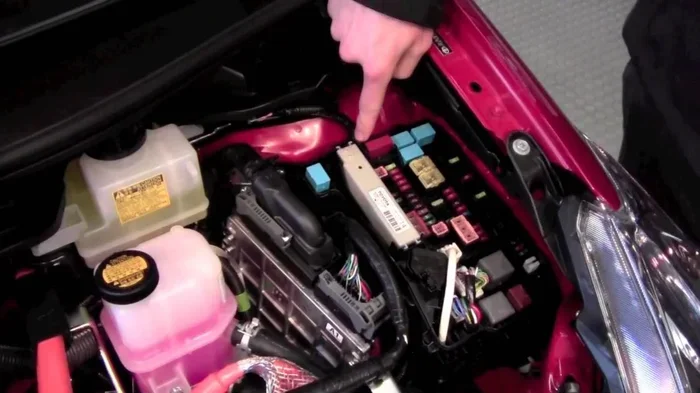
Some Prius models have a secondary accessory battery in the engine bay. Make sure you are connecting to the correct 12V battery. Check your owner’s manual if you are not sure. Connecting to the wrong terminal can damage the electrical system.
Letting Clamps Touch Each Other
Never let the red and black clamps touch each other while either end is still connected to a battery. This creates a spark and can damage both vehicles. Keep the clamps separated and handle them one at a time.
Ignoring the Owner’s Manual
Every Prius model is slightly different. Some have the battery in the trunk, others under the seat. Your owner’s manual shows you the exact location and terminal layout. Skipping this step can lead to confusion and wrong connections.
Not Letting the Battery Charge Long Enough
After a successful jump-start, many people turn the car off right away. This is a mistake. Let the engine run for at least 15 to 20 minutes. This gives the 12-volt battery time to recharge before you turn it off again.
When to Call for Professional Help
Most of the time, a jump-start solves the problem quickly. But there are situations where you should call for help instead of trying it yourself.
If you notice a burning smell while working near the battery, stop immediately. This could mean a short circuit or a damaged battery. Also, if your Prius still will not start after a full jump-start attempt, the battery may need to be replaced. A dead hybrid battery sometimes cannot hold a charge anymore, even after being jumped.
Another reason to call for help is if you feel unsure about any step. There is no shame in that. Roadside assistance services can handle a jump-start for you quickly and safely. Many insurance plans and car warranties include this service for free.
If you have a portable jump starter pack and are not sure how to use it, read the instructions carefully before connecting anything. These devices are convenient but must be used correctly.
Preventing a Dead Battery in Your Prius
The best way to deal with a dead battery is to never have one. Here are simple habits that keep your hybrid vehicle battery healthy and strong.
Drive Your Prius Regularly
Hybrid batteries stay healthy when the car is driven often. If you only use your Prius for short trips once a week, the 12-volt battery may not get fully charged. Try to take longer drives when you can, at least once a week.
Turn Off Accessories When the Engine Is Off
Leaving the lights, radio, or air conditioning on while the engine is off drains the battery fast. Make it a habit to check that everything is off before you turn off the engine.
Check the Battery Age
Most 12-volt car batteries last three to five years. If your Prius battery is older than that, consider having it tested at a Toyota service center. A weak battery will fail more often, especially in cold weather.
Keep the Terminals Clean
Corrosion on battery terminals can weaken the connection and cause starting problems. Check the terminals every few months. If you see a white or greenish buildup, clean it off with a wire brush and a baking soda solution.
Use a Battery Maintainer for Long Parking
If you are going on a long trip or storing your Prius for weeks, use a battery maintainer or trickle charger. This keeps the 12V battery topped off and prevents it from dying during storage.
Key Differences Between Jump-Starting a Prius and a Regular Car
While the basic process is similar, there are a few key differences you should know. These details set the hybrid vehicle jump-start apart from a regular car.
First, the location of the 12V battery. In most regular cars, it is under the hood. In many Prius models, it is in the trunk. This means you may need to open the trunk and look behind a panel to find the terminals.
Second, the grounding step is more important on a Prius. Because the hybrid system is sensitive, grounding the black clamp to a metal body part instead of directly to the negative terminal reduces the risk of electrical damage.
Third, the hybrid system has a warning. Never attempt to open or touch the bright orange cables that connect to the high-voltage traction battery. Those carry dangerous voltage levels and should only be handled by trained technicians.
Finally, some newer Prius models have a power inverter system that manages how energy flows between the batteries. This system is smart and protects itself, but it also means you should not use any jump-start method that is not standard. Stick to the basic jumper cable method or a certified portable jump starter.
Understanding these differences helps you feel more confident. When you know what makes a Prius jump-start unique, you are less likely to make a mistake and more likely to succeed on your first try.
Quick Tips for a Safe and Successful Jump-Start
Here are some quick tips to keep in mind. These small details make a big difference.
- Always wear safety glasses when working near any battery, even if the voltage is low.
- Keep your phone charged so you can call for help if needed.
- Check the other vehicle’s battery voltage before connecting. Both vehicles should have a 12V system for a safe jump-start.
- Never jump-start a Prius in the rain or in standing water. Water increases the risk of electrical shorts.
- Read your owner’s manual before you need it. Familiarity makes everything faster in an emergency.
- Keep jumper cables in your trunk at all times. You never know when you or someone else will need them.
- Let the Prius run for at least 15 minutes after a successful jump-start to recharge the auxiliary battery.
Final Thoughts
So the answer to can you jump-start a Prius is a clear and confident yes. You have everything you need to handle a dead battery situation. You know how the two battery systems work, you have the step-by-step process, and you know the common mistakes to avoid.
The key is to stay calm and follow the steps in order. A jump-start procedure does not have to be scary. With the right tools and a little knowledge, you can get your Prius back on the road in no time.
Remember to take care of your battery before it dies. Regular driving, clean terminals, and smart habits go a long way. And if something ever feels off, do not hesitate to call for professional help.
Your Prius is a smart, efficient vehicle. With a little attention and the right know-how, it will keep running strong for years to come. Now you have the knowledge to handle a dead battery like a pro.
Frequently Asked Questions
Can You Jump-Start a Prius with Another Prius?
Yes, you can jump-start a Prius using another Prius or any vehicle with a 12V battery. The process is the same as jump-starting a regular car. Just make sure both vehicles are turned off and you follow the correct cable connection order.
How Long Should I Let My Prius Run After a Jump-Start?
Let your Prius run for at least 15 to 20 minutes after a successful jump-start. This gives the 12V auxiliary battery time to recharge. If you turn it off too soon, the battery may not hold enough charge to start the car again.
Can a Dead Prius Battery Damage the Hybrid System?
Generally, no. The 12V auxiliary battery and the hybrid traction battery are separate systems. A dead 12V battery will not damage the hybrid system. However, improper jump-start techniques can cause electrical issues, so always follow the correct steps.
Where Is the 12V Battery Located on a Prius?
On most Toyota Prius models, the 12V auxiliary battery is located in the trunk, usually on the driver’s side behind a plastic cover. Some older models have it under the rear seat. Check your owner’s manual for the exact location of your specific model year.
Is It Safe to Jump-Start a Prius in the Rain?
It is not recommended to jump-start a Prius in the rain or in wet conditions. Water increases the risk of electrical shorts and sparks. Wait for dry conditions or move both vehicles to a covered area before attempting a jump-start.
What Should I Do If My Prius Won’t Start After a Jump-Start?
If your Prius still will not start after a proper jump-start attempt, the 12V battery may need to be replaced. Other possible causes include a faulty alternator or a problem with the hybrid system. Contact a Toyota service center or roadside assistance for further diagnosis.
=== CONCLUSION ===
Can you jump-start a Prius? Yes, and now you know exactly how to do it safely. The process is straightforward once you understand the two-battery system and follow the correct order of steps. Always connect red to positive, black to ground, and let the car run long enough to recharge. Avoid common mistakes like mixing up clamp order or touching the high-voltage components. With the tips and guidance in this article, you are well prepared to handle a dead battery situation. Keep your jumper cables handy, drive regularly, and take care of your hybrid battery. Your Prius will reward you with reliable performance for many miles to come.