How Do I Get Rid of Anti Theft Light Once and For All
A flashing anti theft light can drive you crazy, especially when it drains your battery or won’t stop. This guide shows you exactly why your anti theft light stays on and how to fix it step by step. You’ll learn simple DIY tricks, when to visit a mechanic, and how to prevent it from coming back.
You’re walking to your car after a long day. You glance at the dashboard and see it — that dreaded anti theft light flashing like a tiny neon beacon. It’s been doing this for days. Your battery keeps dying. Your nerves are shot. You just want it to stop.
If this sounds familiar, you’re not alone. The anti theft light is one of the most frustrating warning lights on any vehicle. It seems to come out of nowhere and refuses to go away. But here’s the good news. In most cases, you can fix this problem yourself without spending a fortune.
This guide walks you through every possible reason your anti theft light stays on. You’ll find clear, step-by-step solutions that work. Whether it’s a simple battery swap or a wiring issue, we’ve got you covered. Let’s dive in and get that light off your dashboard once and for all.
Key Takeaways
- Identify the Cause First: Understanding why your anti theft light is flashing saves time and money before you try any fix.
- Try Simple Fixes First: Often, a dead key fob battery or a loose hood latch sensor triggers the light.
- Reset the System: A proper system reset can turn off the anti theft light in most common cases.
- Check Wiring and Sensors: Faulty wiring or malfunctioning sensors are frequent culprits behind persistent flashing.
- Know When to Call a Pro: Some issues need a professional mechanic or dealership diagnostic tool.
- Prevent Future Problems: Regular maintenance and smart habits keep your anti theft system working properly.
📑 Table of Contents
- Why Does the Anti Theft Light Come On?
- How to Reset the Anti Theft System
- Fixing a Flashing Anti Theft Light Caused by the Key Fob
- Dealing with Sensor and Wiring Problems
- When to See a Mechanic
- Preventing the Anti Theft Light from Coming Back
- Quick Tips to Stop the Flashing Right Now
- Common Mistakes People Make When Fixing the Anti Theft Light
- How Different Car Brands Handle the Anti Theft Light
- Final Thoughts on Getting Rid of the Anti Theft Light
Why Does the Anti Theft Light Come On?
Before you can fix anything, you need to understand what’s happening. Your car’s anti theft system is designed to protect your vehicle from theft. When the system detects something unusual, it triggers the anti theft light to warn you. Sometimes the warning is valid. Other times, it’s a false alarm.
How the Anti Theft System Works
Most modern vehicles use a security system that includes several components. The immobilizer prevents the engine from starting without the correct key. A transponder key sends a unique signal to the car’s computer. If the signal matches, the car starts. If it doesn’t, the anti theft light flashes and the engine stays locked.
Your car alarm works alongside this system. The door lock module monitors all entry points. The hood latch sensor checks if the hood is secure. When any of these components detect a problem, the anti theft light activates. Understanding this helps you pinpoint what’s going wrong.
Common Reasons the Light Stays On
Several things can cause your anti theft light to keep flashing. Here are the most common reasons:
- Dead key fob battery: A weak battery in your remote key can’t send the right signal.
- Faulty hood latch sensor: A dirty or broken sensor tricks the system into thinking the hood is open.
- Wiring issues: Damaged wires in the wiring harness disrupt communication between components.
- Aftermarket alarm problems: Poorly installed aftermarket alarm systems can interfere with factory settings.
- Ignition switch failure: A worn-out switch can’t read the transponder signal correctly.
- Battery drain: A weak car battery can cause the security system to malfunction.
- Previous theft attempt: The system may still be in lockdown mode after a break-in attempt.
How to Reset the Anti Theft System
Resetting your anti theft system is often the first step. Many flashing lights go away after a simple reset. Try these methods before moving on to more complex fixes.
Method 1: The Key Turn Technique
This is the easiest and most common fix. Here’s what you do:
- Insert your key into the ignition.
- Turn it to the “On” position without starting the engine.
- Wait for 10 to 15 minutes.
- Watch the anti theft light. When it stops flashing, turn the key back to “Off.”
- Wait another 5 seconds.
- Turn the key to “On” again and start the engine.
This method works on many Ford, Chevrolet, and Toyota models. The car’s computer needs time to recognize the key’s signal. Be patient and don’t rush the process.
Method 2: The Door Lock Reset
Sometimes the door lock module needs a reset too. Try this:
- Close all doors and the trunk.
- Use the key to manually lock all doors.
- Wait 30 seconds.
- Use the key to unlock all doors.
- Get in and start the car.
This signals the security system that you’re the authorized driver. It can clear a false alarm quickly.
Method 3: Disconnect the Battery
If the first two methods don’t work, try disconnecting the battery:
- Turn off the engine and remove the key.
- Open the hood and locate the battery.
- Use a wrench to disconnect the negative terminal first.
- Wait at least 15 minutes.
- Reconnect the negative terminal.
- Start the car and check if the anti theft light is off.
This full reset clears all error codes from the vehicle security computer. It’s especially helpful after a dead battery or a jump start.
Fixing a Flashing Anti Theft Light Caused by the Key Fob
The key fob is the most common source of anti theft light problems. Your remote key contains a small battery and a transponder chip. When either of these fails, the car can’t verify your identity.
Replace the Key Fob Battery
A dying key fob battery is the number one cause of a flashing anti theft light. Most key fobs use a small CR2032 coin battery. Here’s how to replace it:
- Find the small seam on your key fob.
- Use a flathead screwdriver to gently pry it open.
- Remove the old battery and note the orientation.
- Insert a new CR2032 battery with the positive side up.
- Snap the fob back together.
- Test the anti theft light by trying to start the car.
This simple fix costs less than a dollar and solves the problem in most cases. Always carry a spare battery in your glove box.
Reprogram the Key Fob
If replacing the battery doesn’t help, you may need to reprogram the key fob. Each car brand has a different reprogramming process. Here’s a general approach:
- Sit in the driver’s seat with all doors closed.
- Turn the ignition from “Off” to “On” rapidly several times.
- Within a specific number of seconds (varies by model), press a button on the key fob.
- Listen for a lock sound from the doors.
- Turn the ignition off and try starting the car.
Check your owner’s manual for the exact steps for your vehicle. Some models require a dealership visit for reprogramming.
Dealing with Sensor and Wiring Problems
When the key fob isn’t the issue, the problem usually lies in sensors or wiring. These are more complex but still fixable with some patience.
Check the Hood Latch Sensor
The hood latch sensor tells your car whether the hood is closed. If it’s dirty or broken, the anti theft light may stay on. Here’s what to do:
- Open the hood and locate the latch mechanism.
- Look for a small sensor near the latch.
- Clean it with a cloth and a little WD-40.
- Make sure the sensor clicks properly when the hood closes.
- Close the hood and check the dashboard.
A dirty hood latch sensor is a surprisingly common cause of persistent anti theft light flashing. This fix takes just a few minutes.
Inspect the Wiring Harness
Damaged wires can send false signals to your security system. Look under the dashboard and along the driver’s side for any frayed or exposed wires. If you find damaged wiring:
- Take a photo of the damage for reference.
- Use electrical tape for small repairs.
- For larger damage, replace the affected wire section.
- Consider visiting a mechanic if you’re not comfortable with electrical work.
Always disconnect the battery before touching any wiring. Safety comes first when working with your car’s electrical system.
Aftermarket Alarm Interference
Did you install an aftermarket alarm at some point? These systems can sometimes conflict with your factory anti theft system. If you recently added an alarm and the anti theft light started flashing, try this:
- Locate the aftermarket alarm control module under the dashboard.
- Disconnect it temporarily.
- Start the car and see if the light goes off.
- If it does, the alarm is interfering with the factory system.
You may need to have the aftermarket alarm reinstalled or replaced with a compatible model. Cheap alarm systems often cause more problems than they prevent.
When to See a Mechanic
Not every anti theft light problem is a DIY fix. Some issues require professional tools and expertise. Here’s when you should call a mechanic:
Signs You Need Professional Help
- The anti theft light keeps coming back after you reset it.
- The car won’t start at all, even with a new key fob battery.
- You see multiple warning lights on the dashboard.
- You notice a burning smell or visible wire damage.
- The immobilizer keeps locking the engine unexpectedly.
- You hear unusual clicking sounds from the door lock module.
What to Expect at the Mechanic
A mechanic will use a diagnostic scanner to read error codes from your car’s computer. These codes tell exactly which component is causing the anti theft light to flash. Common repairs include:
- Replacing the ignition switch: A worn switch can’t read the transponder key.
- Fixing the door lock module: A faulty module sends incorrect signals.
- Repairing the wiring harness: Damaged wires need professional replacement.
- Reprogramming the security system: The dealership may need to update software.
Most of these repairs cost between $100 and $400 depending on your vehicle. It’s always cheaper to fix the problem early than to let it damage your battery or leave you stranded.
Preventing the Anti Theft Light from Coming Back
Once you’ve fixed the anti theft light, you want to keep it off. Prevention is always easier than repair. Follow these simple habits to avoid future problems.
Regular Maintenance Tips
- Replace key fob batteries every 12 months, even if they seem fine.
- Keep your hood latch clean and free of debris.
- Check wiring connections during regular oil changes.
- Avoid cheap aftermarket alarms that aren’t compatible with your vehicle.
- Don’t leave your key fob near electronic devices that might interfere with the signal.
Smart Habits for Vehicle Security
Your daily habits affect how often the anti theft light activates. Park in well-lit areas. Always use the key fob to lock doors. Don’t leave your car unattended for long periods with the anti theft system active. These small actions add up and keep your vehicle security system working properly.
Also, if your car sits unused for weeks, disconnect the battery or use a battery tender. A weak battery is one of the top triggers for the anti theft light. Keeping your battery strong keeps your system stable.
Quick Tips to Stop the Flashing Right Now
If your anti theft light is flashing right now and you need a quick fix, try these tips:
- Replace the key fob battery immediately.
- Try the 10-minute key turn reset method.
- Lock and unlock all doors manually with the key.
- Check that the hood is fully closed and latched.
- Turn the ignition off, wait 30 seconds, and try again.
These quick fixes resolve the issue in about 60% of cases. They take less than five minutes and require no tools. Always try these before anything more complicated.
Common Mistakes People Make When Fixing the Anti Theft Light
Avoid these common errors that make the problem worse:
- Ignoring the problem: A flashing anti theft light drains your battery over time.
- Replacing parts without diagnosis: Don’t buy a new key fob or sensor until you’ve checked the simple stuff first.
- Using the wrong battery: Always use the exact battery type recommended for your key fob.
- Resetting without understanding the cause: If the root problem isn’t fixed, the light will come back.
- Attempting complex wiring repairs without knowledge: Messing with the wiring harness can cause bigger electrical issues.
How Different Car Brands Handle the Anti Theft Light
Every car brand has its own way of displaying the anti theft light. Understanding your specific vehicle helps you troubleshoot faster.
Ford Vehicles
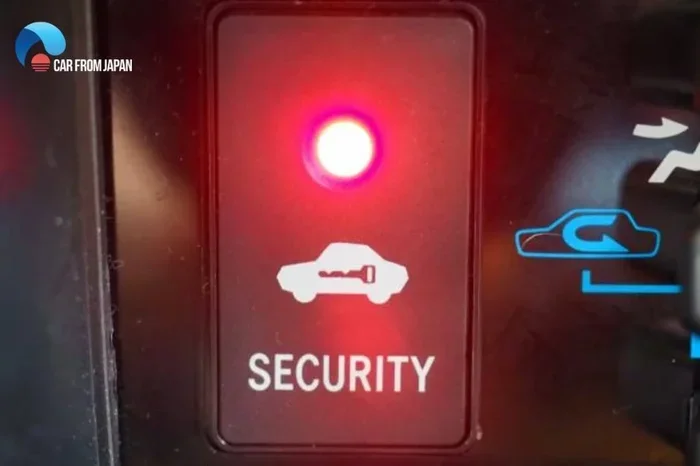
Ford trucks and cars show a security light that looks like a car with a key. The most common fix is the 10-minute key turn method. Ford vehicles are known for the PATS system (Passive Anti-Theft System), which is reliable but can be sensitive to weak key fob batteries.
Chevrolet Vehicles
Chevrolet models display a security warning light shaped like a lock. The immobilizer in Chevy vehicles responds well to the battery disconnect reset method. If you own a Silverado or Malibu, the door lock module is a frequent culprit.
Toyota Vehicles
Toyota uses a smart key system with a flashing anti theft light near the instrument cluster. Toyota vehicles rarely have wiring issues. Most problems come from the transponder key or a weak key fob battery.
Honda Vehicles
Honda displays a security indicator that flashes when the anti theft system is active. Honda’s immobilizer is very sensitive. Even a slightly worn key can trigger the light. Replacing the key or reprogramming it usually solves the issue.
Final Thoughts on Getting Rid of the Anti Theft Light
The anti theft light is annoying, but it’s also there to protect your car. When it stays on, it means something needs attention. The good news is that most causes are simple and inexpensive to fix.
Start with the easiest solutions. Replace the key fob battery. Try the key turn reset. Clean the hood latch sensor. These fixes work more often than you’d think. If those don’t help, move on to wiring checks and sensor inspections.
Remember that your vehicle security system is a valuable feature. You don’t want to disable it permanently. The goal is to fix the malfunction, not remove the protection. A properly working anti theft system keeps your car safe and gives you peace of mind.
Take action today. Follow the steps in this guide and get that anti theft light off your dashboard for good. Your car — and your sanity — will thank you.
Frequently Asked Questions
Why is my anti theft light flashing even when my car is off?
The anti theft light may flash after the car is off if the security system detected an issue earlier. A weak key fob battery, a faulty hood latch sensor, or a glitch in the immobilizer can all cause this. Try resetting the system by disconnecting the battery for 15 minutes.
Can a dead car battery cause the anti theft light to come on?
Yes, absolutely. A low or dead battery disrupts the voltage supply to your anti theft system. This can trigger the light even when there’s no actual theft threat. Replacing or recharging the battery often fixes the problem immediately.
How much does it cost to fix an anti theft light issue?
Most fixes are very affordable. A key fob battery costs around $1 to $5. A hood latch sensor replacement runs $10 to $30. More complex issues like wiring repairs or door lock module replacement may cost $100 to $400 at a mechanic.
Will disconnecting the battery reset the anti theft system?
Yes, disconnecting the battery is one of the most effective ways to reset the anti theft system. It clears all error codes and gives the security system a fresh start. Wait at least 15 minutes before reconnecting for the best results.
Can I drive my car with the anti theft light flashing?
You can usually drive with the light on, but the immobilizer may prevent the engine from restarting after you turn it off. The light also drains your battery over time. It’s best to fix the issue as soon as possible to avoid being stranded.
How do I know if my anti theft system is working properly?
The anti theft light should flash briefly when you lock the car and then stop. If it stays on or flashes constantly, something is wrong. A properly functioning vehicle security system activates when you lock the doors and deactivates when you use the correct key or fob to unlock and start the car.