How Do You Check Tire Pressure on a 2018 Toyota Highlander
Checking your tire pressure on a 2018 Toyota Highlander is one of the simplest yet most important maintenance tasks you can do to keep your SUV safe, fuel-efficient, and road-ready. The recommended tire pressure for this model is typically listed on a sticker inside the driver’s door jamb, and you can check it quickly with a basic tire gauge in just a few minutes. This guide walks you through the exact steps to ensure your Highlander tires are properly inflated every time.
Key Takeaways
- How Do You Check Tire Pressure on a 2018 Toyota Highlander? Always measure when tires are cold.
- Find the recommended PSI on the driver’s door jamb or owner’s manual.
- Use a quality tire gauge and press firmly onto the valve stem.
- Reset the TPMS warning after adjusting pressure to keep your Highlander safe.
- Inspect tires for damage while checking pressure to spot bulges or uneven wear.
- Check all tires monthly, including the spare, to maintain fuel efficiency and safety.
📑 Table of Contents
- Why Tire Pressure Matters for Your 2018 Toyota Highlander
- What the Recommended Tire Pressure Is for the 2018 Toyota Highlander
- Tools You Need to Check Tire Pressure
- Step-by-Step Guide to Checking Tire Pressure on a 2018 Toyota Highlander
- Common Tire Pressure Problems and How to Fix Them
- Tips for Maintaining Proper Tire Pressure Long-Term
- Key Takeaways
Why Tire Pressure Matters for Your 2018 Toyota Highlander
Proper tire pressure is one of the simplest things you can do to keep your 2018 Toyota Highlander running safely and efficiently. Yet so many drivers overlook it until something goes wrong. Whether you have noticed a tire pressure light on your dashboard or you simply want to stay ahead of problems, understanding how to check your tire pressure is essential.
Think of your tires as the foundation of your entire vehicle. When the air pressure is off, even slightly, everything else suffers. Your fuel economy drops. Your tires wear unevenly. Your handling feels sluggish or unpredictable. And in worst-case scenarios, you risk a blowout on the highway.
The good news is that checking tire pressure takes only a few minutes. You do not need to be a mechanic. You do not even need to visit a service center. With the right tools and a little know-how, you can handle this yourself at home. In this guide, we will walk you through everything you need to know about checking tire pressure on your 2018 Toyota Highlander. By the end, you will feel confident doing it on your own.
Keeping up with regular maintenance tasks like this is one of the best ways to make your car last 500 thousand miles or more. Small habits like checking tire pressure add up to big savings over time.
What the Recommended Tire Pressure Is for the 2018 Toyota Highlander
Before you grab a gauge, you need to know what number you are aiming for. The recommended tire pressure for a 2018 Toyota Highlander depends on your trim level and whether you are running the standard wheels or the larger alloy upgrade.
Finding the Correct PSI for Your Highlander
The easiest way to find the right number is to look at the sticker inside the driver’s door frame. Open your door and look along the edge of the door. You will see a small label with tire specifications printed on it. This sticker tells you the recommended tire pressure for both the front and rear tires.
For most 2018 Highlander trims, the recommended pressure falls between 32 and 35 PSI. However, always go by the sticker on your specific vehicle. Here is a general breakdown:
- Front tires: 32 to 35 PSI
- Rear tires: 32 to 35 PSI
- Spare tire: 60 PSI (compact spare) or as indicated on the spare tire itself
Remember that these numbers are for cold tire pressure. This means you should check your tires before driving or at least three hours after your last trip. Driving heats up the tires and increases the air pressure inside them, which can give you a false reading.
Understanding the TPMS Light
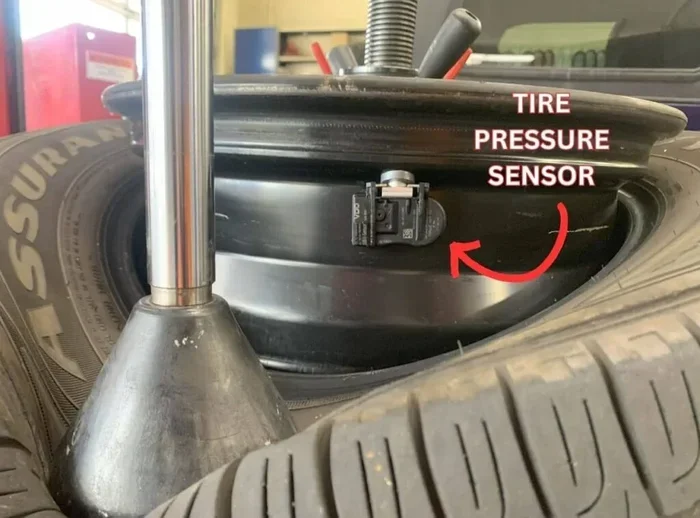
The 2018 Highlander comes equipped with a Tire Pressure Monitoring System, commonly known as TPMS. This system uses sensors inside each wheel to monitor air pressure in real time. When one or more tires drop below the recommended level, a yellow warning light shaped like a horseshoe with an exclamation point will illuminate on your dashboard.
If you see this light, do not ignore it. It is your vehicle telling you something needs attention. You can learn more about other dashboard warning lights and how to address them by reading how to get rid of the engine management light, which covers related warning systems on your vehicle.
Tools You Need to Check Tire Pressure
Checking tire pressure on a 2018 Toyota Highlander is straightforward, but you do need the right tools. The good news is that none of them cost much, and they will last you for years.
Digital Tire Gauge
A digital tire gauge is the most accurate option available. It gives you a precise reading in seconds. Most digital gauges cost between $10 and $25. Look for one that has a lighted display so you can read it easily at night or in dim garages.
Analog Tire Gauge
If you prefer a simpler option, an analog tire gauge (also called a pencil gauge) works just fine. These are the stick-style gauges that slide out of a small barrel. They are slightly less accurate than digital ones, but they get the job done. Many gas stations provide these for free, though their accuracy can vary.
Air Compressor or Inflation Station
Once you know your tires are low, you need a way to add air. You have a few options:
- Portable air compressor: Plugs into your car’s 12V outlet. Great for home use and emergencies.
- Gas station air pump: Most gas stations have coin-operated air pumps. They work well but can be noisy and crowded.
- Electric pump at a tire shop: Many tire shops will let you use their air for free or a small fee.
Step-by-Step Guide to Checking Tire Pressure on a 2018 Toyota Highlander
Now that you have your tools and know the target numbers, let us walk through the actual process. This is simpler than most people think.
Step 1: Park on a Flat Surface
Find a flat, level surface to park on. This ensures your tires are seated evenly and gives you the most accurate reading. Turn off the engine and let the tires cool down if you have been driving.
Step 2: Remove the Valve Stem Cap
Each tire has a small plastic cap on the valve stem. Twist it counterclockwise to remove it. Set the cap aside in a safe place so it does not get lost. These caps are small but they serve an important purpose, keeping dirt and moisture out of the valve core.
Step 3: Press the Gauge onto the Valve Stem
Take your tire pressure gauge and press it firmly onto the valve stem. You should hear a brief hiss of air escaping, but it should stop quickly. If air is leaking continuously, you are not pressing the gauge on straight or your valve stem may need replacing.
Step 4: Read the Pressure
Look at the gauge display. A digital gauge will show you the PSI immediately. An analog gauge will have a sliding stick that extends to show the number. Compare this reading to the recommended pressure on your door sticker.
Step 5: Add or Release Air as Needed
If your tire pressure is low, attach your air compressor or go to a nearby air pump. Add air in short bursts, checking the gauge after each addition. If you overinflate, you can release a small amount of air by pressing the small pin inside the valve stem with a pen or the back of the gauge.
Step 6: Replace the Valve Stem Cap
Once the pressure is correct, put the valve stem cap back on. Twist it clockwise until it is snug. This simple step protects your valve stem from debris and moisture.
Step 7: Repeat for All Tires
Do this for every tire, including the spare. It only takes about five minutes once you get the hang of it. Make it a habit to check all four tires at least once a month.
Common Tire Pressure Problems and How to Fix Them
Even with regular care, tire pressure problems can pop up. Here are the most common issues you might encounter with your 2018 Toyota Highlander and how to address them.
Slow Leaks
A slow leak is the most common cause of low tire pressure. It happens when a small puncture or a worn valve stem lets air escape gradually. You might not notice it day to day, but over a week or two, the pressure drops significantly.
To find a slow leak, apply soapy water to the tire surface and valve stem. Look for bubbles forming, which indicate where air is escaping. If you find the leak, you can often seal it with a tire plug kit or have a tire shop patch it for you.
Temperature Changes
Did you know that cold weather can drop your tire pressure? For every 10-degree drop in temperature, your tires lose about 1 PSI of pressure. This is why many drivers notice their tire pressure light coming on during winter months. It is completely normal and usually just means you need to add a little air.
TPMS Sensor Battery Failure
The sensors in your TPMS system run on small batteries that eventually die. When a sensor battery fails, the TPMS light may stay on even if your tire pressure is fine. If you have checked all your tires and they are at the correct pressure but the light remains, a sensor battery replacement is likely needed.
Overinflation
Some drivers think more air is better. It is not. Overinflated tires ride harder, wear out faster in the center of the tread, and provide a less comfortable ride. Always stick to the recommended PSI on your door sticker.
Tips for Maintaining Proper Tire Pressure Long-Term
Checking tire pressure is one thing. Keeping it consistent over time is another. Here are some practical tips to make tire maintenance effortless.
Set a Monthly Reminder
Mark your calendar or set a phone reminder to check your tire pressure once a month. It becomes second nature after a few months, and you will catch problems early before they turn into costly repairs.
Keep a Tire Pressure Log
Write down the pressure readings for each tire every time you check them. Over time, you will notice patterns. Maybe one tire consistently loses air faster than the others. That could point to a slow leak that needs attention.
Check Tires Before Long Trips
Before any road trip, take five minutes to check all four tires and your spare. Properly inflated tires improve your fuel economy, make your ride smoother, and reduce the risk of a flat tire far from home.
Rotate Your Tires Regularly
Tire rotation helps your tires wear evenly, which keeps your pressure readings more consistent across all four wheels. Most experts recommend rotating your tires every 5,000 to 7,500 miles.
Invest in a Quality Digital Gauge
The free gauges at gas stations are convenient, but they are often inaccurate. A reliable digital gauge gives you confidence that your readings are correct. This small investment pays for itself many times over through better fuel economy and longer tire life.
Know When to Replace Your Tires
Even with perfect pressure, tires wear out over time. Check your tread depth regularly using the penny test. Insert a penny into the tread groove with Lincoln’s head facing down. If you can see the top of his head, it is time for new tires. Proper tire care is one of the best ways to ensure your Highlander stays reliable for years to come.
Key Takeaways
Checking tire pressure on your 2018 Toyota Highlander is quick, easy, and incredibly important. Here is a summary of what we covered:
- The recommended tire pressure for most 2018 Highlanders is between 32 and 35 PSI, found on the driver’s door sticker.
- Always check tire pressure when the tires are cold for the most accurate reading.
- You need a tire pressure gauge and an air source, both of which are affordable and widely available.
- The TPMS light alerts you to low pressure, but you should not rely on it alone.
- Regular monthly checks and seasonal adjustments keep your tires in top shape.
- Proper tire pressure improves safety, fuel economy, and tire longevity.
Taking a few minutes each month to check your tire pressure is one of the smartest things you can do for your vehicle. It costs nothing, takes almost no time, and pays dividends in safety, performance, and savings at the pump. Your 2018 Toyota Highlander will thank you with miles of smooth, reliable driving.
Frequently Asked Questions
How Do You Check Tire Pressure on a 2018 Toyota Highlander?
To check your tire pressure, start by locating the recommended PSI on the driver’s side door jamb sticker. Remove the valve cap from the tire, press the tire gauge firmly onto the valve stem, and read the number. Compare it to the recommended pressure and add or release air as needed.
What Is the Recommended Tire Pressure for a 2018 Toyota Highlander?
The recommended tire pressure for most 2018 Toyota Highlander models is between 32 and 35 PSI. You can find the exact number on the sticker located on the driver’s side door frame. Always check tire pressure when the tires are cold for the most accurate reading.
Can You Check Tire Pressure Without a Gauge on a 2018 Toyota Highlander?
While a tire pressure gauge is the most reliable tool, you can visually inspect tires for signs of underinflation like bulging sidewalls or excessive wear on the outer edges of the tread. However, this method is not precise and should only serve as a quick check. Always use a proper gauge for accurate tire pressure readings.
How Often Should You Check Tire Pressure on a 2018 Toyota Highlander?
It is best to check your tire pressure at least once a month and before any long road trips. Air naturally leaks from tires over time, and temperature changes can also affect pressure levels. Regular checks help maintain fuel efficiency, safety, and even tire wear on your Highlander.
Where Is the Tire Pressure Sensor Located on a 2018 Toyota Highlander?
The 2018 Toyota Highlander uses a Tire Pressure Monitoring System (TPMS) with sensors inside each wheel. These sensors send real-time pressure data to your dashboard display. If the TPMS light comes on, it usually means one or more tires are significantly underinflated and need immediate attention.
Why Does My 2018 Toyota Highlander TPMS Light Stay On Even After Checking Tire Pressure?
The TPMS light may stay on if a sensor battery is low, a sensor is malfunctioning, or the system needs a reset after adjusting tire pressure. You can try driving at highway speeds for a few minutes to see if the light turns off on its own. If it persists, visit a dealership or tire shop to scan and reset the system properly.