What Triggers Immobilizer And Why Cars Refuse To Start
Your car’s immobilizer is a security system that blocks the engine if it doesn’t detect the right key or signal. Common triggers include a dead key fob battery, a damaged transponder chip, or a faulty immobilizer module. Understanding these triggers helps you fix the problem fast and get your car running again.
You turn the key or press the start button. Nothing happens. The dashboard lights up, but the engine stays dead silent. This is one of the most frustrating moments any driver can face. And more often than not, the culprit is your car’s immobilizer system.
The immobilizer is a smart security feature built into modern vehicles. It stops your engine from starting unless it recognizes the correct key. This is great for keeping your car safe from thieves. But when it triggers at the wrong time, it can leave you stranded. In this article, we will break down exactly what triggers immobilizer, why your car refuses to start, and how you can fix it yourself in many cases.
Whether you drive a new sedan or a used SUV, understanding your car’s anti-theft system is essential. Let’s dive into the world of immobilizers and figure out why your car is saying “no” when you need it the most.
Key Takeaways
- A dead key fob battery is one of the most common reasons the immobilizer activates and stops your car from starting.
- A damaged or worn transponder chip in your key can send the wrong security code to the engine control unit.
- Water damage or electrical faults can disrupt the immobilizer module and trigger a no-start condition.
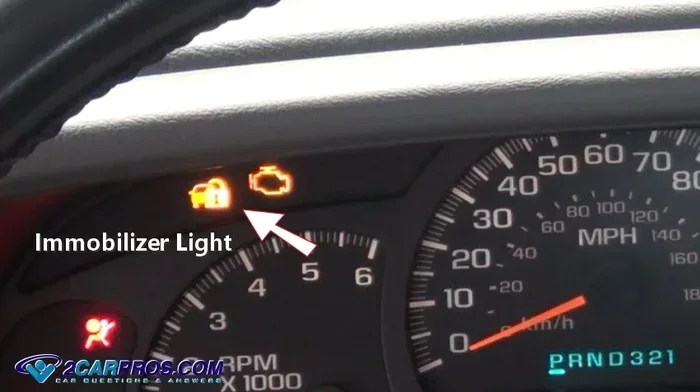
- The immobilizer warning light on your dashboard is the first clear sign that the system has been activated.
- Simple fixes like replacing the key fob battery often resolve immobilizer issues without a mechanic visit.
- Ignoring warning signs can lead to bigger problems with your car’s anti-theft system and starter motor.
- Professional key programming may be needed if the immobilizer won’t recognize your key after a reset.
📑 Table of Contents
- What Is an Immobilizer and How Does It Work?
- Common Triggers That Activate the Immobilizer
- Signs Your Immobilizer Has Been Triggered
- How to Fix a Triggered Immobilizer
- Preventing Immobilizer Issues Before They Happen
- When to Seek Professional Help for Immobilizer Problems
- Key Takeaways
- Frequently Asked Questions
- Conclusion
What Is an Immobilizer and How Does It Work?
An immobilizer is an electronic security device in your car. It works behind the scenes every time you try to start your engine. Most cars made after 1995 come with this system built in. Its main job is to prevent theft. If someone tries to hot-wire your car or use a wrong key, the immobilizer blocks the engine from firing.
Here is how it works in simple terms. Your key has a small chip inside it called a transponder. When you insert the key or place the key fob near the ignition, the transponder sends a unique security code. The car’s engine control unit (ECU) reads this code. If the code matches what the car expects, the immobilizer lets go. Fuel flows to the engine. The starter motor turns over. Your car starts.
If the code does not match, the immobilizer stays active. It cuts off fuel supply and prevents the starter motor from engaging. Your car simply will not start. This all happens in a fraction of a second. You may not even notice it working when it does its job right.
The Role of the Transponder Key
The transponder key is the heart of the immobilizer system. Without it, your car cannot communicate with the security system. The chip inside the key sends a rolling code or fixed code each time you start the vehicle. This code changes or stays the same depending on your car’s system design.
Modern cars use rolling codes for extra safety. This means the code changes every time you use the key. It makes it very hard for thieves to copy the signal. But it also means that if the chip is damaged or the battery in the key fob dies, the system cannot read the code at all.
How the ECU Controls the Process
The engine control unit acts as the brain of the immobilizer system. It stores the correct security codes for all your approved keys. When you turn the ignition, the ECU checks the incoming code against its list. If there is a match, it sends a signal to release the fuel injector and ignition system.
If there is no match, the ECU activates the immobilizer. It stops fuel delivery and disables the ignition spark. This is why your car cranks but won’t fire up when the immobilizer is triggered. The engine turns over, but it cannot run without fuel and spark.
Common Triggers That Activate the Immobilizer
Several things can cause your immobilizer to activate when you do not want it to. Some triggers are simple and easy to fix. Others require a bit more effort or professional help. Let us look at the most common reasons your car’s anti-theft system might kick in.
Dead Key Fob Battery
This is the number one reason cars refuse to start with a push-button ignition. The key fob has a small coin-cell battery inside it. When this battery dies, the fob cannot send its security code to the car. The immobilizer sees no valid signal and blocks the engine.
You can usually tell if this is the problem. If the key fob range gets shorter over time or the buttons feel weak, the battery is likely low. Replacing the battery is cheap and easy. Most key fobs use a CR2032 battery. You can swap it out in minutes with a small flathead screwdriver.
Wrong or Unrecognized Key
Using a key that is not programmed to your car will trigger the immobilizer. This happens when you have a duplicate key cut but not programmed. The chip inside the new key does not have the correct security code. The ECU rejects it, and the car will not start.
This also happens if you try a spare key that has not been used in a long time. Some cars need the key to be re-programmed after a certain period. Always make sure your keys are properly registered with your vehicle’s system.
Damaged Transponder Chip
The transponder chip inside your key can get damaged over time. This can happen if you drop your key on a hard surface. Water exposure is another common cause. Even normal wear and tear can weaken the chip’s signal.
When the chip is damaged, it sends a weak or incorrect code. The ECU cannot read it properly. The immobilizer stays active, and your car refuses to start. In this case, you will need a new key with a fresh chip programmed to your vehicle.
Faulty Immobilizer Module
Sometimes the problem is not the key. It is the immobilizer module itself. This small computer box controls the anti-theft system. If it develops a fault, it may block the engine even with the correct key.
Electrical surges, water leaks, and corroded wiring can all damage the immobilizer module. A faulty module needs to be diagnosed with a professional scan tool. In some cases, it can be repaired. In others, it must be replaced entirely.
Aftermarket Alarm or Stereo Installations
Adding aftermarket parts to your car can sometimes interfere with the immobilizer. Cheap alarm systems or stereos may send electrical noise that disrupts the ECU’s communication with the key. Poor wiring during installation can also cause short circuits that trigger the anti-theft system.
Always have aftermarket parts installed by a qualified technician. If you notice immobilizer issues after a new install, go back to the shop and have them check the wiring.
Low Voltage or Dead Car Battery
A weak or dead car battery can also trigger the immobilizer. When the battery voltage drops too low, the ECU may not have enough power to read the key’s transponder. The system goes into a fail-safe mode and locks the engine.
This often happens after a long period of not driving. If your car sits idle for weeks, the battery may drain. Jump-starting the car or using a battery charger can often resolve this issue. Once the battery is recharged, the immobilizer usually resets on its own.
Signs Your Immobilizer Has Been Triggered
Knowing the warning signs of a triggered immobilizer can save you time and frustration. The system usually gives you clear signals that something is wrong. Here are the most common signs to watch for.
Immobilizer Warning Light on the Dashboard
Most cars have a specific warning light for the immobilizer system. It often looks like a car with a key inside it or a lock symbol. If this light stays on or flashes when you try to start the engine, the immobilizer has been activated.
The light may behave differently depending on your car model. In some vehicles, it stays solid. In others, it blinks rapidly. Either way, it is a clear sign that the ECU has not recognized your key.
Engine Cranks But Will Not Start
This is the most common symptom of a triggered immobilizer. You hear the starter motor spinning. The engine turns over normally. But it just will not fire up. This happens because the immobilizer is cutting off fuel delivery even though the engine is turning.
If your car cranks but does not start, check the immobilizer light first. If it is on, the security system is the likely culprit. Do not keep trying to start the car repeatedly. This can drain your battery further.
Key Fob Not Recognized by the Car
With push-button start systems, the car must detect the key fob inside the cabin. If the car does not recognize the fob, it will not allow you to start the engine. You may see a message on the dashboard saying “Key Not Detected” or “Push Key Fob to Start.”
This often happens when the key fob battery is low. It can also happen if the fob is too far from the ignition sensor. Try placing the fob directly on the start button or in the designated detection area in your car.
Car Starts Then Immediately Dies
In some cases, the immobilizer lets the engine start briefly. But then it cuts off fuel or spark after a few seconds. The car starts and then immediately stalls. This is a less common but very telling sign of an immobilizer issue.
This usually points to a deeper problem. The ECU may be reading the key code correctly at first. But then it loses the signal or detects a mismatch. This type of issue often requires a diagnostic scan tool to fully understand.
How to Fix a Triggered Immobilizer
Dealing with a triggered immobilizer can feel overwhelming. But many fixes are simple and can be done at home. Let us walk through the steps you can take to get your car running again.
Step 1: Try the Spare Key
The easiest first step is to try your spare key. If the spare key works, the problem is likely with the primary key’s battery or chip. You can then focus on fixing or replacing the problematic key.
Keep in mind that the spare key may also need a fresh battery. Try both keys before moving on to more complex fixes. This simple step saves a lot of time and money.
Step 2: Replace the Key Fob Battery
If the spare key also fails, replace the battery in your primary key fob. Use the correct battery type for your fob model. CR2032 is the most common, but check your owner’s manual to be sure.
After replacing the battery, test the key fob by standing close to the car and pressing the start button. If the immobilizer light goes off and the car starts, you have found the fix. Keep spare batteries in your glove box for emergencies.
Step 3: Try the Passive Reset Method
Many cars have a passive reset for the immobilizer. This involves leaving the key in the ignition in the “ON” position for a specific amount of time. The ECU then re-learns the key’s code.
For most cars, you turn the key to the “ON” position without starting the engine. You wait about 10 to 15 minutes. Then you turn the key back to “OFF” and try starting the car again. Check your owner’s manual for the exact procedure for your vehicle model.
Step 4: Check the Steering Lock
Sometimes the steering lock mechanism gets engaged and mimics an immobilizer issue. When you turn the key, the steering wheel locks up. This can prevent the ignition cylinder from turning fully.
To fix this, gently wiggle the steering wheel left and right while turning the key. Do not force it. The wheel should release, and the key will turn smoothly. This simple trick resolves many no-start situations that look like immobilizer problems.
Step 5: Use a Diagnostic Scan Tool
If none of the above steps work, you need a diagnostic scan tool. This device connects to your car’s OBD-II port. It reads error codes stored in the ECU related to the immobilizer system.
You can buy a basic scan tool for under $50. Or you can visit an auto parts store where they will read the codes for free. The error codes will tell you exactly what is wrong with the immobilizer system. Common codes point to key recognition failures, module faults, or wiring issues.
Step 6: Seek Professional Key Programming
If the immobilizer still will not let your car start, you need professional help. A locksmith or dealer can program a new key for your vehicle. They use specialized equipment to pair the new key’s transponder chip with your car’s ECU.
This process is called key programming or key cloning. It is different from just cutting a new key. The chip inside the key must be written with the correct security code. Most dealers charge between $50 and $200 for this service. Independent locksmiths often charge less.
Quick Tips to Avoid Immobilizer Problems
- Replace your key fob battery every 1 to 2 years before it dies completely.
- Keep your spare key in a safe and accessible place at home.
- Avoid dropping your key fob or exposing it to water.
- Have aftermarket installations done by certified professionals only.
- Read your owner’s manual for the specific immobilizer reset procedure for your car.
- Keep a battery charger or jumper cables in your trunk for emergencies.
Preventing Immobilizer Issues Before They Happen
The best way to deal with an immobilizer problem is to prevent it from happening in the first place. Regular maintenance and good habits can keep your car’s anti-theft system working smoothly. Here are some simple steps you can take.
First, always use the correct key for your vehicle. Do not try to use a key that has not been programmed to your car. Even if the key fits the ignition physically, the transponder chip must be registered with the ECU for the car to start.
Second, keep your key fob clean and dry. Moisture can damage the internal electronics and the transponder chip. If your key fob gets wet, dry it thoroughly before using it. Do not charge electronic key fobs near water sources.
Third, pay attention to warning signs. If your key fob range starts getting shorter, replace the battery right away. If the immobilizer warning light flickers on occasionally, get your car checked before it becomes a bigger problem.
Fourth, have your car’s electrical system inspected regularly. Corroded wires, loose connections, and faulty grounds can all interfere with the immobilizer module. A simple inspection during your regular oil change can catch these issues early.
When to Seek Professional Help for Immobilizer Problems
Not every immobilizer issue can be fixed at home. Some problems require the skills of a trained professional. Knowing when to call for help can save you from wasting time and money on DIY fixes that do not work.
You should seek professional help if your car shows the immobilizer warning light and none of the basic fixes work. If you have tried a new battery, a spare key, and a passive reset, but the car still will not start, it is time to see an expert.
Also, seek help if you have recently had a car battery replacement or a jump start. Sometimes these procedures can reset the ECU in ways that confuse the immobilizer system. A professional can re-program the system and get everything back to normal.
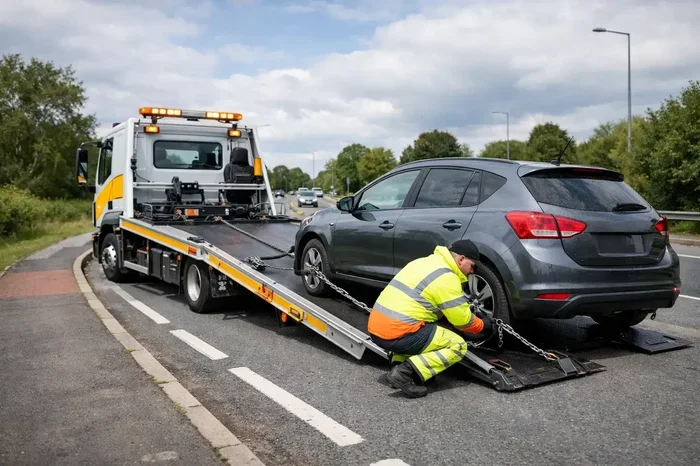
Finally, if you have lost all your keys or the transponder chip is damaged beyond repair, a locksmith or dealer is your best option. They have the tools and expertise to create and program a new key on the spot. This may cost more than a DIY fix, but it gets you back on the road safely.
Expert Insights on Immobilizer Systems
Automotive security experts agree that immobilizer systems have greatly reduced car theft rates worldwide. According to studies, vehicles with factory-installed immobilizers are significantly harder to steal than those without them. The technology has evolved a lot since its introduction in the 1990s.
Today’s systems use advanced encryption and rolling codes that are nearly impossible to clone. However, this complexity also means that when something goes wrong, it can be harder to diagnose. That is why understanding your car’s system and knowing the common triggers is so valuable.
Experts also recommend keeping your car’s software updated. Some manufacturers release ECU updates that improve immobilizer performance and fix known bugs. Check with your dealer to see if your vehicle has any available updates.
Key Takeaways
- A dead key fob battery is the most common trigger for the immobilizer system and the easiest to fix.
- A damaged transponder chip in your key prevents the ECU from recognizing your car’s security code.
- The immobilizer warning light on your dashboard is the clearest sign that the system has been activated.
- Simple fixes like battery replacement and passive reset resolve many immobilizer issues at home.
- Professional key programming may be needed for damaged chips or unrecognized keys.
- Regular maintenance of your key fob and car battery helps prevent most immobilizer problems.
- Understanding your car’s anti-theft system empowers you to troubleshoot faster and avoid unnecessary repairs.
Frequently Asked Questions
Can a low car battery trigger the immobilizer?
Yes, a low car battery can trigger the immobilizer. When the battery voltage drops too low, the ECU may not have enough power to read the transponder chip in your key. This causes the immobilizer to activate and block the engine from starting. Jump-starting your car or charging the battery often resolves this issue quickly.
How do I know if my key fob battery is causing the immobilizer issue?
If your key fob battery is low, you will notice reduced range. The buttons may feel weak or unresponsive. The immobilizer warning light may flash when you try to start the car. Replacing the battery with a fresh CR2032 often fixes the problem immediately. Try the spare key first to confirm this is the issue.
Can I bypass the immobilizer if it is triggered?
Bypassing the immobilizer is not recommended. It disables your car’s anti-theft protection and may void your warranty. In some cases, it can also cause electrical problems. Always try proper fixes like battery replacement, key programming, or professional diagnosis first. A bypass should only be considered as a last resort by a qualified technician.
How much does it cost to replace a damaged transponder key?
The cost varies depending on your car make and model. A basic transponder key replacement usually costs between $50 and $150. Luxury or foreign vehicles may cost $200 or more. Key programming at a dealer may add another $50 to $100 to the total. Independent locksmiths often offer lower prices than dealerships.
Will the immobilizer reset itself after a battery change?
In many cases, yes. After replacing the key fob battery or the car battery, the immobilizer often resets on its own. You may need to perform a passive reset by leaving the key in the “ON” position for 10 to 15 minutes. Check your owner’s manual for the exact reset procedure for your specific vehicle.
Can water damage cause the immobilizer to trigger?
Yes, water damage can cause the immobilizer to trigger. Moisture can corrode the wiring or damage the transponder chip inside the key. It can also affect the immobilizer module itself. If your key or car has been exposed to water, dry everything thoroughly and check for signs of corrosion. If the problem persists, have a professional inspect the electrical system.
Conclusion
Your car’s immobilizer system is one of the best defenses against theft. It works silently every day to keep your vehicle safe. But when it triggers at the wrong time, it can bring your day to a complete halt. Understanding what triggers immobilizer is the first step to solving the problem quickly.
Most immobilizer issues come from simple causes. A dead key fob battery, a damaged transponder chip, or a low car battery are the usual suspects. These problems are easy to identify and fix in many cases. By staying proactive with maintenance and paying attention to warning signs, you can avoid most immobilizer headaches.
When the problem is beyond a simple fix, do not hesitate to seek professional help. A qualified locksmith or mechanic can diagnose the issue with the right tools and get you back on the road. Remember, your car’s anti-theft system is there to protect you. With the right knowledge and a little patience, you can keep it working exactly as it should.