Does Mazda CX-5 Have TPMS Sensors Here Is the Answer
The Mazda CX-5 comes standard with TPMS sensors on all trim levels. These sensors monitor your tire pressure and warn you when levels drop too low. Knowing how your Mazda CX-5 TPMS works helps you stay safe and avoid costly repairs.
If you drive a Mazda CX-5 or are thinking about buying one, you might wonder about the tire pressure monitoring system. TPMS is a safety feature that keeps an eye on your tire pressure at all times. It lights up on your dash when something is off. So, does the Mazda CX-5 have TPMS sensors? The short answer is yes. Every Mazda CX-5 comes with TPMS from the factory. But there is more to know about how it works, when to reset it, and what to do when the light comes on.
In this guide, we will walk you through everything you need to know about the Mazda CX-5 TPMS system. We will cover how the sensors work, where they are located, and what to do when the warning light flashes. We will also share tips on maintenance and common mistakes to avoid. By the end, you will feel confident about your tire pressure system and how to keep it running right.
Key Takeaways
- TPMS is standard: Every Mazda CX-5 comes equipped with tire pressure monitoring sensors from the factory.
- Two types exist: Direct sensors sit inside the tire, while indirect systems use the ABS to measure pressure.
- Dashboard light matters: A TPMS warning light tells you when pressure is low and needs attention.
- Reset is simple: You can reset the system after checking or adding air to your tires.
- Battery life is limited: TPMS sensors typically last 5 to 10 years before the battery needs replacing.
- Mazda service helps: You can get your Mazda CX-5 TPMS checked and serviced at any authorized Mazda dealer.
📑 Table of Contents
- What Is TPMS and Why Does It Matter?
- Does the Mazda CX-5 Have TPMS Sensors?
- How Does the Mazda CX-5 TPMS System Work?
- Common TPMS Problems in the Mazda CX-5
- How to Maintain Your Mazda CX-5 TPMS
- TPMS Sensor Replacement Cost for the Mazda CX-5
- TPMS Tips Every Mazda CX-5 Owner Should Know
- Final Thoughts on Mazda CX-5 TPMS
What Is TPMS and Why Does It Matter?
TPMS stands for Tire Pressure Monitoring System. It is a safety feature built into your Mazda CX-5. The system uses sensors to check the air pressure inside each tire. When the pressure drops below the recommended level, the system sends a warning to your dashboard.
Why does this matter? Low tire pressure can cause several problems. It reduces fuel efficiency. It wears down your tires faster. It can also lead to blowouts, which are dangerous at high speeds. The tire pressure monitoring system helps you catch low pressure early. This keeps you safe and saves you money on fuel and tire replacements.
Most cars made after 2007 in the United States are required to have TPMS. The Mazda CX-5 has had this feature for many years now. Whether you drive a 2016 model or a 2024 model, your CX-5 has TPMS built in.
Does the Mazda CX-5 Have TPMS Sensors?
Yes, the Mazda CX-5 has TPMS sensors on all trim levels. This includes the Sport, Touring, Grand Touring, and Signature trims. Every new CX-5 rolls off the line with a working tire pressure monitoring system. You do not need to add or install anything extra.
The Mazda CX-5 uses a direct TPMS system. This means each wheel has its own sensor. The sensor sits inside the tire, mounted on the rim. It measures the exact air pressure in that specific tire. Then it sends the data wirelessly to your car’s computer.
Some older or budget cars use an indirect TPMS system. This type does not have physical sensors inside the tire. Instead, it uses the anti-lock braking system to detect differences in wheel speed. A tire with low pressure rolls differently than one with proper pressure. The system picks up on this difference and triggers the warning light.
The Mazda CX-5 does not use the indirect system. It uses direct sensors. This gives you more accurate readings. You get a precise pressure number for each tire, not just a general warning.
Where Are the TPMS Sensors Located?
Each TPMS sensor is located inside the tire. It sits between the tire and the rim. The sensor is attached to the valve stem. You cannot see it from the outside. The sensor is sealed inside the tire to protect it from dirt, water, and road debris.
Here is how the sensors are placed on a Mazda CX-5:
- Front left tire: One sensor mounted near the valve stem.
- Front right tire: One sensor mounted near the valve stem.
- Rear left tire: One sensor mounted near the valve stem.
- Rear right tire: One sensor mounted near the valve stem.
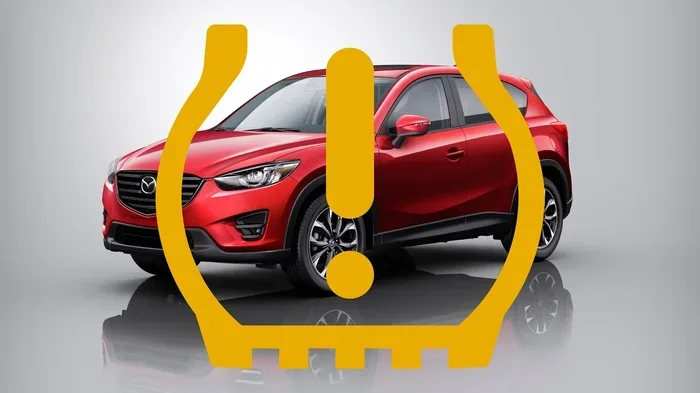
All four sensors work together. They send data to the car’s central computer. If one sensor detects low pressure, the system lights up the TPMS warning on your dash. The light usually looks like a horseshoe shape with an exclamation mark in the middle.
How Does the Mazda CX-5 TPMS System Work?
The Mazda CX-5 TPMS system is designed to be simple and reliable. Here is how it works step by step.
First, the sensors inside each tire measure the air pressure. They do this every few seconds while you drive. The sensors send this data to a receiver module in the car. The receiver module processes the information. It compares each tire’s pressure to the recommended level.
The recommended pressure for a Mazda CX-5 is usually between 32 and 35 PSI. You can find the exact number on a sticker inside the driver’s door frame. If any tire drops below the threshold, the system triggers the warning light.
There are two types of warnings you might see:
- Steady light: This means one or more tires have low pressure. Check your tires right away.
- Flashing light: This usually means there is a problem with the TPMS system itself. The sensor might be faulty or the battery might be dead.
When you see the light, do not ignore it. Pull over safely and check your tire pressure with a gauge. If the pressure is low, add air. If the light stays on after you fill the tires, you might need to reset the system.
How to Reset the TPMS Light
Resetting the TPMS light on a Mazda CX-5 is easy. Here is what to do:
- Check all four tires and make sure the pressure is correct.
- Drive the car at a steady speed of 30 to 50 mph for a few minutes.
- The system should automatically recalibrate and turn off the light.
If the light does not go off, you can try a manual reset. The reset button is usually located under the steering column. Press and hold it until the TPMS light blinks three times. Then release the button. Start the car and the light should be off.
For more detailed steps on resetting your system after checking tire pressure, check out our guide on Do You Have to Reset TPMS After Filling Air. It covers the process in detail for many vehicle models.
Common TPMS Problems in the Mazda CX-5
Like any car part, TPMS sensors can have issues. Here are the most common problems CX-5 owners face.
Dead Sensor Battery
Each TPMS sensor has a small battery inside. The battery powers the sensor so it can send data to your car. These batteries do not last forever. Over time, they lose their charge. When the battery dies, the sensor stops working.
Most TPMS sensor batteries last between 5 and 10 years. If your Mazda CX-5 is older than 10 years, the sensors might need replacing. A dead battery will cause the TPMS light to stay on even when your tires are fine.
Corroded or Damaged Sensors
TPMS sensors sit inside the tire near the rim. They are exposed to road salt, water, and debris. Over time, this can cause corrosion. The sensor might stop sending data or send incorrect readings.
If you live in an area with harsh winters, your sensors might wear out faster. Road salt is tough on metal parts, including TPMS sensors. Regular cleaning and inspection can help extend their life.
TPMS Light Comes On After Tire Rotation
Sometimes the TPMS light comes on after you rotate your tires. This happens because the sensors are moved to different wheels. The system needs time to relearn the new positions. Driving for a few minutes usually fixes this issue.
If the light stays on after rotation, you might need to reset the system manually. Use the reset button under the steering column to recalibrate the sensors.
Cold Weather and TPMS
Cold weather can cause the TPMS light to come on. When temperatures drop, the air inside your tires contracts. This reduces the pressure. A tire that was fine in summer might trigger the TPMS warning in winter.
This is normal and not a cause for alarm. Simply check your tire pressure when the light comes on. Add air if needed. The light should turn off after the tires are properly inflated.
How to Maintain Your Mazda CX-5 TPMS
Taking care of your TPMS system is simple. Regular maintenance keeps it working well. Here are some tips to keep your Mazda CX-5 TPMS in top shape.
Check Your Tire Pressure Monthly
Do not wait for the TPMS light to come on. Get into the habit of checking your tire pressure once a month. Use a reliable tire pressure gauge. Compare the reading to the recommended PSI on the driver’s door sticker.
Checking pressure monthly helps you catch slow leaks early. It also keeps your tires wearing evenly. This saves you money and keeps you safe on the road.
Replace Sensors When Needed
TPMS sensors do not last forever. When the battery dies, you need to replace the sensor. Most Mazda dealerships can replace the sensor for you. They have the right tools and the correct parts for your CX-5.
If you want to service your Mazda at a location other than a dealer, you can visit any qualified auto shop. For more information on Mazda service options, read our article Can I Get My Mazda Serviced Anywhere. It covers where you can take your CX-5 for maintenance and repairs.
Keep Your Tires Clean
Dirt and road grime can build up around the TPMS sensors. This can cause corrosion over time. When you wash your car, take a moment to clean around the valve stems. This simple step can help your sensors last longer.
Watch for Dashboard Warning Lights
Your Mazda CX-5 has several warning lights on the dash. It is important to know what each one means. For example, the wrench light might look similar to the TPMS light but means something different. The wrench light often indicates a general maintenance need, not a tire issue. If you are unsure about a warning light, check out our article on Does the Wrench Light Mean an Oil Change to learn more about dashboard symbols.
TPMS Sensor Replacement Cost for the Mazda CX-5
If you need to replace a TPMS sensor, you might wonder about the cost. The price varies depending on where you go and the type of sensor you need.
Here is a quick cost breakdown:
- Single sensor replacement: $50 to $100 per sensor at a dealership.
- All four sensors: $200 to $400 for a full set.
- Aftermarket sensors: $30 to $70 per sensor at independent shops.
- Labor cost: Usually $10 to $30 per sensor if done by a mechanic.
These prices can vary based on your location and the model year of your CX-5. Newer models might use more advanced sensors that cost a bit more. Always ask for a quote before committing to a replacement.
Keep in mind that TPMS sensors are safety devices. Do not skip replacement just to save money. A working TPMS system helps prevent accidents caused by low tire pressure.
TPMS Tips Every Mazda CX-5 Owner Should Know
Here are some quick tips to help you get the most out of your TPMS system:
- Know your recommended pressure: Check the sticker on the driver’s door for the correct PSI.
- Do not ignore the light: A TPMS warning means your tires need attention right away.
- Reset after adding air: Always reset the system after filling your tires.
- Replace sensors in pairs: If one sensor fails, consider replacing the opposite tire’s sensor too.
- Keep a tire gauge in your trunk: This lets you check pressure anywhere, anytime.
- Check pressure when tires are cold: Driving heats up the air inside tires, which raises the pressure reading.
Final Thoughts on Mazda CX-5 TPMS
The Mazda CX-5 is a well-equipped SUV that comes with TPMS sensors on every model. The system keeps you safe by monitoring your tire pressure and warning you when something is wrong. Understanding how the system works helps you take better care of your car.
Regular maintenance goes a long way. Check your tire pressure monthly. Reset the system after adding air. Replace sensors when the battery dies. These simple steps keep your TPMS working and your CX-5 running smoothly.
If you ever have questions about your tire pressure system, do not hesitate to visit a Mazda dealer or a trusted mechanic. They can check your sensors, replace batteries, and make sure everything is in good shape. Taking care of your TPMS is taking care of your safety.
With proper care, your Mazda CX-5 TPMS will serve you well for many years. Stay safe on the road and keep those tires properly inflated.
Frequently Asked Questions
Do all Mazda CX-5 trims come with TPMS sensors?
Yes, every Mazda CX-5 trim comes standard with TPMS sensors. Whether you drive the Sport or the Signature, your CX-5 has a direct tire pressure monitoring system built in from the factory.
How long do TPMS sensors last in a Mazda CX-5?
TPMS sensors typically last between 5 and 10 years. The built-in battery eventually dies and needs replacement. If your CX-5 is over 10 years old, consider having the sensors checked during routine maintenance.
Can I drive with the TPMS light on?
You can drive short distances with the TPMS light on, but it is not safe. The light means one or more tires have low pressure. Low pressure can cause poor handling, reduced fuel economy, and even a blowout. Check your tire pressure as soon as possible.
What does a flashing TPMS light mean on a Mazda CX-5?
A flashing TPMS light usually means there is a problem with the system itself, not the tire pressure. This could be a faulty sensor, a dead battery in the sensor, or a communication issue. Have the system inspected by a qualified mechanic.
How much does it cost to replace a TPMS sensor on a Mazda CX-5?
A single TPMS sensor replacement costs between $50 and $100 at a Mazda dealership. If you replace all four sensors, the total cost ranges from $200 to $400. Aftermarket sensors at independent shops may cost less.
Does cold weather affect the Mazda CX-5 TPMS?
Yes, cold weather can trigger the TPMS light. When temperatures drop, the air inside your tires contracts and pressure decreases. This is normal. Simply add air to the recommended PSI and the light should turn off after a short drive.