Do 4Runners Hold Their Value See Why They Last So Long
Do 4Runners hold their value? Yes, and they do it better than almost any SUV on the road. The Toyota 4Runner consistently ranks at the top for resale value and low depreciation, making it one of the smartest buys for long-term ownership. Whether you buy new or used, this truck-based SUV keeps its worth far longer than most competitors.
Do 4Runners hold their value? If you have ever shopped for a used SUV, you already know the answer. The Toyota 4Runner sits in a league of its own when it comes to resale value. Year after year, this rugged SUV proves that it is not just a pretty face. It is a machine that refuses to give up its worth.
But why exactly does the 4Runner hold its value so well? And what makes it different from other SUVs that seem to drop in price the moment you drive them off the lot? In this article, we will break down everything you need to know about 4Runner depreciation, market trends, and what you can expect if you buy one today.
## Why the 4Runner Holds Its Value So Well
The Toyota 4Runner has been around since the 1980s. That is a long time. But longevity alone does not explain its impressive resale. There are several real reasons why buyers keep coming back to this SUV.
### Toyota’s Legendary Reliability
Let us start with the obvious. Toyota builds trucks and SUVs that just do not break easily. The 4Runner uses a body-on-frame design, which means it shares its bones with the Toyota Tacoma pickup truck. This rugged construction makes it incredibly durable.
Toyota reliability is not just a marketing slogan. It is backed by decades of real-world data. J.D. Power and Consumer Reports consistently rank the 4Runner among the most dependable SUVs. When a vehicle has a reputation for lasting 200,000 miles or more, buyers are willing to pay more for it used.
### Body-on-Frame Construction
Most modern SUVs use unibody construction. It is lighter and more efficient. But it does not hold up as well over time. The 4Runner’s body-on-frame design gives it real strength. It can handle serious off-road abuse without the frame bending or cracking.
This construction also means the 4Runner ages better. The body panels are separate from the frame, so repairs are simpler and cheaper. That translates to a lower cost of ownership, which helps protect used 4Runner prices.
### Off-Road Capability That Never Gets Old
The 4Runner was built for off-roading. It has solid axles, locking differentials (on some trims), and serious ground clearance. Whether you crawl over rocks or just drive through muddy trails, the 4Runner handles it.
This capability creates a loyal fanbase. Off-road enthusiasts will pay a premium for a 4Runner over a more comfortable but less capable SUV. The TRD Pro and Off-Road trims are especially sought after. Their resale numbers reflect that demand.
### Limited Production and High Demand
Toyota does not mass-produce the 4Runner the way it does the RAV4. Supply is deliberately limited. This creates a situation where demand often exceeds supply. When that happens, used 4Runners hold their value better.
Think about it like this. If every dealership had dozens of 4Runners sitting around, prices would drop. But because they are harder to find, buyers compete for them. That competition keeps 4Runner market demand strong.
## How Fast Does the 4Runner Depreciate?
Understanding vehicle depreciation is key to knowing if the 4Runner is a smart buy. Depreciation is the loss of value over time. Most cars lose about 15-25% of their value in the first year alone.
### The 4Runner Depreciation Rate
The 4Runner depreciates much slower than most SUVs. Here is a rough breakdown:
- Year 1: About 10-15% depreciation
- Year 3: About 25-30% depreciation
- Year 5: About 30-40% depreciation
- Year 10: About 45-55% depreciation
Compare that to the average SUV, which can lose 50-60% of its value in just five years. The 4Runner wins by a wide margin. This is why smart buyers often look at 3-5 year old 4Runners. You get the best bang for your buck.
### New vs. Used: Which Makes More Sense?
If you want the best value, buying a used 4Runner makes the most sense. The first owner takes the biggest depreciation hit. By the time the vehicle is 3-4 years old, the original owner has absorbed most of the loss. You get to enjoy the strong resale without paying the new-car premium.
That said, buying new has its perks. You get the full factory warranty. You know the complete service history. And you can customize it exactly how you want. Either way, the 4Runner holds value better than nearly any competitor.
## 4Runner vs. Other SUVs in Resale Value
How does the 4Runner stack up against the competition? Let us take a closer look.
### Head-to-Head Comparison
The table below shows estimated 5-year resale values for popular SUVs. Numbers are approximate and based on average market data.
- Toyota 4Runner: Retains about 60-65% of original value after 5 years
- Honda Pilot: Retains about 45-50% of original value after 5 years
- Ford Explorer: Retains about 40-45% of original value after 5 years
- Chevrolet Tahoe: Retains about 40-45% of original value after 5 years
- Jeep Grand Cherokee: Retains about 35-40% of original value after 5 years
As you can see, the 4Runner is in a class by itself. The Honda Pilot is a close second, but it still falls short. The 4Runner’s combination of reliability, capability, and cult following gives it a huge edge.
If you want to compare how another Toyota model holds value, check out our article on do Honda Civics hold their value for a different perspective on Toyota’s value retention across models.
### Why Competitors Fall Behind
Most competing SUVs use newer technology and more complex systems. More complexity means more things can go wrong. It also means higher repair costs. The 4Runner keeps things simple and proven. That simplicity is its strength.
Additionally, many SUVs from domestic brands like Ford and Chevrolet depreciate faster. This is partly due to brand perception and partly due to reliability concerns. Toyota’s reputation just hits different.
## Best 4Runner Trims for Value Retention
Not all 4Runners are created equal. Some trims hold value better than others. Here is what you need to know.
### TRD Pro
The TRD Pro trim is the crown jewel of the 4Runner lineup. It comes with upgraded suspension, Fox shocks, and unique styling. It is the trim that off-road enthusiasts dream about.
TRD Pro models consistently hold their value the best. If you see a used TRD Pro with low miles, expect it to command a premium price. The limited production of this trim adds to its exclusivity.
### Off-Road Trim
The Off-Road trim is a more affordable way to get solid off-road capability. It includes the locking rear differential, all-terrain tires, and crawl control. It is a great balance of capability and value.
Used Off-Road 4Runners also hold value well. They appeal to buyers who want the off-road experience without the TRD Pro price tag.
### Base SR5
The SR5 is the entry-level trim. It is still a very capable 4Runner. But it does not hold value quite as well as the higher trims. That said, the SR5 still outperforms most competing SUVs in resale.
If you are on a budget, a used SR5 4Runner can be an excellent deal. Just know that the premium trims will give you the best return if you decide to sell later.
## Tips to Maximize Your 4Runner’s Value
If you own a 4Runner or are planning to buy one, there are things you can do to protect its value.
### Keep Up with Maintenance
Regular oil changes, tire rotations, and brake inspections go a long way. A well-documented service history makes a huge difference when you sell. Buyers trust vehicles that have been cared for.
Toyota maintenance is relatively affordable compared to many brands. Parts are widely available, and any mechanic can service a 4Runner. This keeps your ownership costs low and your resale value high.
### Avoid Excessive Modifications
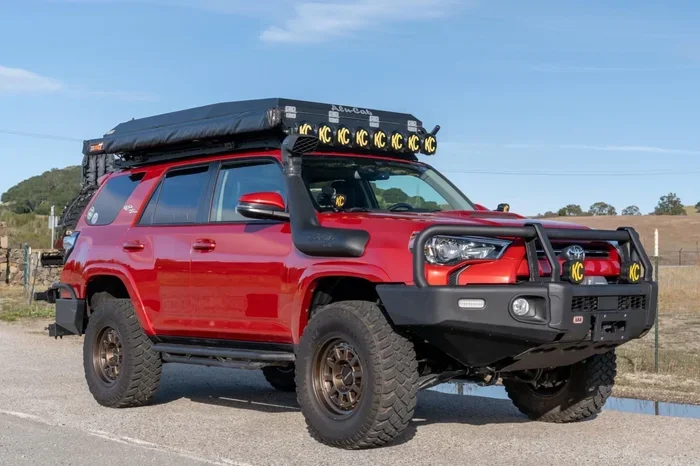
It is tempting to add lifts, big tires, and aftermarket bumpers. But heavy modifications can limit your buyer pool. Stock or lightly modified 4Runners appeal to the widest audience.
If you do modify, keep the original parts. You can reinstall them before selling. This simple step can add thousands to your resale price.
### Keep Mileage Reasonable
Low-mileage 4Runners sell for a premium. If you have two vehicles, consider using the 4Runner for weekends and special trips rather than a daily driver.
Average annual mileage for a 4Runner should stay around 10,000-12,000 miles. Lower mileage means less wear and a higher resale value.
### Store It Well
Sun damage, rust, and interior wear all hurt resale value. Park in a garage when possible. Use a sunshade on the windshield. Address any rust spots immediately.
A clean, well-kept 4Runner will always fetch more money than one that has been neglected.
## The Future of 4Runner Value
What does the future hold for the 4Runner? Toyota has hinted at changes. There are rumors of electrification and new technology. But the core of the 4Runner is likely to stay the same.
### Will Electrification Affect Value?
Some buyers worry that the shift toward electric vehicles could hurt 4Runner resale. But here is the thing. The 4Runner’s target audience is not looking for a hybrid or electric SUV. They want rugged, proven, off-road capability.
Toyota understands this. That is why the 4Runner has remained largely unchanged for years. It is a vehicle that does not need to chase trends. It already has a loyal following that will carry it forward.
### Limited Supply Keeps Demand High
Toyota has no plans to massively increase 4Runner production. This scarcity works in favor of owners. As long as demand stays strong and supply stays limited, used 4Runner prices will remain healthy.
If you are thinking about buying a 4Runner, now is a great time. The value proposition is hard to beat.
## Real-World Examples of 4Runner Value
Let us look at some real numbers to bring this to life.
A brand-new 2024 4Runner starts around $40,000 for the base SR5. A 2019 model with 50,000 miles might sell for $30,000-$33,000. That is only about 17-20% depreciation over five years. Compare that to a 2019 Honda Pilot that might sell for $22,000-$25,000, representing 35-40% depreciation.
The difference is staggering. Over five years, the 4Runner owner keeps roughly $7,000-$10,000 more value than the Pilot owner. That is real money in your pocket.
If you want to learn more about how to evaluate a vehicle’s true worth, check out our guide on how to determine the actual cash value of a car.
## Final Thoughts on 4Runner Value Retention
The Toyota 4Runner is more than just an SUV. It is an investment. When you buy a 4Runner, you are not just buying transportation. You are buying peace of mind, capability, and long-term value.
Do 4Runners hold their value? Absolutely. And they do it better than almost any other SUV on the market. Whether you buy new or used, the 4Runner rewards you with strong resale, low ownership costs, and a vehicle that simply will not quit.
If you have been on the fence about buying a 4Runner, now is the time. The numbers speak for themselves. This is one SUV that truly lasts.
For more insights on Toyota value retention, you might also enjoy our article on are Toyota 4Runners losing value.
If reliability is your main concern, we also have a deep dive on are 4Runners still reliable that covers what to expect long-term.
## Frequently Asked Questions
Do 4Runners hold their value better than trucks?
Yes, in many cases. The 4Runner holds value comparably to the Toyota Tacoma pickup. Both vehicles benefit from Toyota’s reliability reputation and strong brand loyalty. In some years, the 4Runner even holds value slightly better than certain truck models.
What is the best year for a used 4Runner?
The 2015-2019 model years are considered the sweet spot. They offer modern features, proven reliability, and strong resale. The 2020 and newer models also hold value well but come with a higher initial price tag.
Why are used 4Runners so expensive right now?
Limited supply and high demand drive up used 4Runner prices. Toyota produces fewer 4Runners compared to other SUVs. This scarcity, combined with the vehicle’s reputation, creates a strong used market.
Does the 4Runner TRD Pro hold value better than other trims?
Yes, the TRD Pro consistently holds the highest resale value among 4Runner trims. Its upgraded off-road components and limited availability make it highly desirable. If you plan to sell within a few years, the TRD Pro is the best choice.
How many miles can a 4Runner last?
A well-maintained 4Runner can easily last 250,000 to 300,000 miles or more. Many owners report crossing the 300,000-mile mark with only routine maintenance. This longevity is a major factor in the 4Runner’s strong resale value.
Should I buy a 4Runner new or used for the best value?
Buying used typically offers the best value. You avoid the steep first-year depreciation. A 3-5 year old 4Runner gives you most of the vehicle’s life at a significantly lower price. Either way, the 4Runner is a smart investment for the long term.
Key Takeaways
- Exceptional Resale: The 4Runner holds roughly 60-70% of its value after five years, far above the SUV average.
- Reliability Factor: Toyota’s legendary build quality keeps 4Runners on the road for hundreds of thousands of miles.
- Strong Market Demand: Used 4Runners sell fast and often above asking price due to limited supply and high buyer interest.
- Off-Road Credibility: The TRD Pro and Off-Road trims add even more value thanks to dedicated fanbases.
- Low Cost of Ownership: Fewer repairs and solid parts availability keep long-term costs low.
- Comparison Advantage: The 4Runner outperforms most rivals in value retention, including the Honda Pilot and Ford Explorer.
Frequently Asked Questions
What is Do 4Runners Hold Their Value??
Do 4Runners Hold Their Value? is an important topic with many practical applications.