Do You Need a Special Outlet to Charge a Hybrid Car
Do You Need a Special Outlet to Charge a Hybrid Car? The short answer is: it depends on your hybrid type. Conventional hybrids don’t need any special outlet at all. Plug-in hybrids and electric vehicles benefit greatly from a dedicated Level 2 charging station. Using a standard household outlet works in a pinch, but it’s slow. This guide walks you through every option so you can choose the best home charging setup for your needs.
This is a comprehensive guide about Do You Need a Special Outlet to Charge a Hybrid Car.
Key Takeaways
- Conventional hybrids self-charge and need no outlet.
- Plug-in hybrids can charge on a standard 120-volt outlet, but it’s slow.
- A Level 2 charger requires a 240-volt dedicated circuit and an electrician.
- Home charging costs are much lower than gas or public stations.
- Always have a licensed electrician inspect your electrical panel before installing.
- Charging time varies based on battery size and outlet type.
- Portable chargers offer flexibility for travelers and apartment dwellers.
[FEATURED_IMAGE_PLACEHOLDER]
You just bought a hybrid car, or you’re thinking about it. One of the first questions that pops into your head is probably this: do you need a special outlet to charge a hybrid car? It’s a fair question. The internet is full of conflicting advice, and nobody wants to spend money on something they don’t need.
The good news is that the answer is simpler than you think. Whether you drive a Toyota Prius, a plug-in hybrid, or a full electric vehicle, there’s a charging solution that fits your home and your budget. This guide breaks it all down in plain language. No jargon. No fluff. Just the facts you need to make the right decision.
By the end of this article, you’ll know exactly what kind of outlet your car needs. You’ll understand the difference between Level 1 and Level 2 charging. And you’ll have a clear picture of what it costs and how long it takes. Let’s dive in.
What Kind of Outlet Do You Need for a Hybrid Car?
The type of outlet you need depends entirely on the kind of hybrid you own. Not all hybrids are created equal. Some charge themselves while you drive. Others need to be plugged in. And some fall somewhere in between.
Conventional Hybrids: No Outlet Needed
If you drive a conventional hybrid, you don’t need any special outlet at all. These cars have a small battery that charges through regenerative braking and the engine. You never plug them in. Think of models like the standard Toyota Prius or the Honda Civic Hybrid. They handle everything on their own.
This is great news if you don’t want to deal with wiring or electrical upgrades. You just drive, fill up gas occasionally, and go. The hybrid battery does the rest.
Plug-in Hybrids: A Standard Outlet Works, But…
Plug-in hybrids (also called PHEVs) have bigger batteries. You can plug them in to charge. Most of these cars come with a Level 1 charging cable that plugs into a regular 120-volt household outlet. So yes, a standard outlet works.
But here’s the catch. Charging on a 120-volt outlet is really slow. We’re talking about 3 to 5 miles of range per hour. If your battery is large, it could take overnight or even longer to get a full charge. For daily commuters, this might be fine. For longer trips, it’s not ideal.
Full Electric Vehicles: A Dedicated Charger Is Best
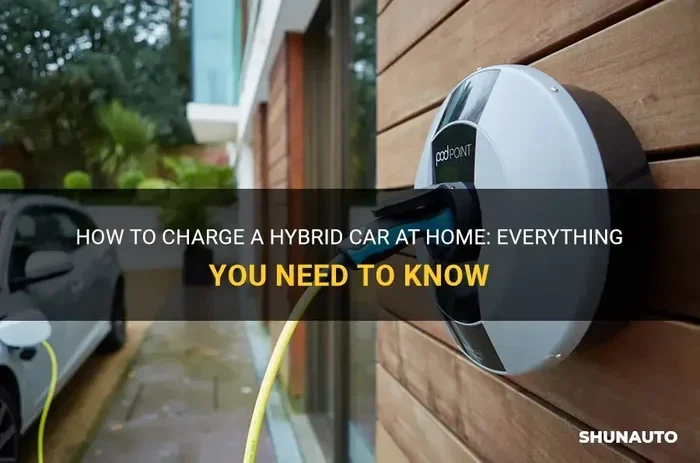
If you drive a full electric vehicle (EV), a standard outlet just won’t cut it. You need a Level 2 home charging station. These units run on 240-volt power and charge much faster. Most EV owners install one in their garage or driveway.
Even though EVs aren’t technically hybrids, many people asking about hybrid charging outlets are actually thinking about EVs too. So it’s worth covering both.
Level 1 vs Level 2 Charging at Home
Understanding the difference between Level 1 and Level 2 charging is essential. These two levels define how fast your car charges and what kind of outlet you need.
Level 1 Charging: The Slow but Simple Option
Level 1 charging uses a standard 120-volt outlet — the same one you use for your phone or TV. Every plug-in hybrid and electric car comes with a Level 1 charging cable in the trunk. No extra equipment needed.
Here’s what you need to know about Level 1 charging:
- It uses a regular wall outlet. No electrician required.
- It adds about 3 to 5 miles of range per hour.
- A full charge can take 12 to 24 hours or more.
- It’s perfect for plug-in hybrids with small batteries.
- It’s the cheapest option because you don’t buy extra equipment.
Level 1 charging works well if you drive less than 30 miles a day. For most people, that covers their daily commute. You plug in when you get home, and by morning, you’ve got enough juice to start the next day.
Level 2 Charging: Fast, Reliable, and Worth It
Level 2 charging is the gold standard for home hybrid vehicle charging. It uses a 240-volt outlet — the same type that powers your dryer or oven.
Here’s what makes Level 2 charging so appealing:
- It adds 25 to 30 miles of range per hour.
- A full charge takes 4 to 8 hours, depending on battery size.
- You need a dedicated 240-volt outlet installed by a licensed electrician.
- The equipment costs between $300 and $800 for the charger unit.
- Installation costs range from $200 to $1,500 depending on your electrical panel.
Level 2 charging is a game-changer. You come home, plug in, and wake up to a full battery every morning. No more worrying about range. No more planning around charging stations. It’s as simple as charging your phone.
Comparison Table: Level 1 vs Level 2 Charging
| Feature | Level 1 Charging | Level 2 Charging |
|---|---|---|
| Voltage | 120 volts | 240 volts |
| Range Added Per Hour | 3-5 miles | 25-30 miles |
| Full Charge Time | 12-24 hours | 4-8 hours |
| Special Outlet Needed? | No | Yes |
| Electrician Required? | No | Yes |
| Equipment Cost | $0 (included with car) | $300-$800 |
| Installation Cost | $0 | $200-$1,500 |
| Best For | Short commutes, PHEVs | Daily drivers, EVs, PHEVs |
Can You Use a Standard Household Outlet?
The short answer is yes — for plug-in hybrids. A standard household outlet works for Level 1 charging. But there are some important things to keep in mind.
First, not all outlets are created equal. Older homes might have outlets that are loose, worn out, or not grounded properly. You want to make sure the outlet you’re using is in good condition. A faulty outlet can be a fire hazard.
Second, charging time is the big limitation. If you have a long commute or you drive a lot, a 120-volt outlet simply won’t keep up. You’ll wake up with a partially charged battery and not enough range for the day.
Third, using the same outlet for other things while your car charges can trip the breaker. Hybrid battery charging draws a steady stream of power. If your outlet is shared with other devices, you might get an annoying surprise in the middle of the night.
Here are some quick tips if you’re using a standard outlet:
- Use a dedicated circuit. Don’t share the outlet with other appliances.
- Check the outlet for damage before each use.
- Plug directly into the wall. Avoid extension cords or power strips.
- Inspect the charging cable for fraying or wear regularly.
- Set a charging timer if your car supports it.
Quick Tips for Using a Standard Outlet
- Always plug directly into the wall outlet — never use an extension cord.
- Have a licensed electrician check your outlet’s grounding before regular use.
- Charge during off-peak hours to save on electricity costs.
- Keep the charging area dry and well-ventilated.
How Long Does It Take to Charge a Hybrid Car?
Charging time is one of the most common questions people ask. And the answer depends on three things: your battery size, the outlet type, and the charger’s power level.
Battery Size Matters
Plug-in hybrids typically have batteries between 5 and 18 kilowatt-hours (kWh). Electric vehicles have much larger batteries, usually between 40 and 100 kWh. A bigger battery takes longer to charge, no matter what outlet you use.
Real-World Charging Times
Here’s a rough idea of what to expect:
- A plug-in hybrid with a 10 kWh battery takes about 4-5 hours on Level 2 charging.
- The same battery on a 120-volt outlet takes 10-12 hours.
- On a 120-volt outlet, that same EV would take 30+ hours. Not practical for most people.
A full electric vehicle with a 60 kWh battery takes about 8 hours on Level 2.
As you can see, Level 2 charging makes a huge difference. If you own a plug-in hybrid or an EV, investing in a home charging station saves you a ton of time.
What Affects Charging Speed?
Several factors influence how fast your car charges:
- Battery temperature: Cold weather slows charging down.
- Battery state: Charging from 0% to 80% is faster than 80% to 100%.
- Charger quality: A certified EVSE (Electric Vehicle Supply Equipment) charges more efficiently.
- Electrical panel capacity: Older panels might not support 240-volt circuits.
- Wiring distance: Longer runs from the panel to the charger can reduce speed.
Expert Insight
Most electricians recommend installing a dedicated 240-volt circuit for your home charging station. This ensures consistent charging speed and reduces the risk of overloading your electrical system. A dedicated circuit also means no tripped breakers, even if other appliances are running in the house.
Do You Need an Electrician to Install a Charging Outlet?
If you want a Level 2 charging station, you’ll almost certainly need an electrician. Here’s why.
A 240-volt outlet requires a dedicated circuit. Your home’s electrical panel might not have the capacity for this, especially in older houses. A licensed electrician can assess your panel, recommend upgrades if needed, and install the outlet safely.
Trying to DIY this is risky. Improper wiring can cause electrical fires, damage your car’s charging system, or void your warranty. It’s just not worth the risk. Leave it to the professionals.
What the Installation Process Looks Like
Here’s a general idea of what happens during a charging outlet installation:
- The electrician inspects your electrical panel and home wiring.
- They recommend any needed upgrades, like a panel swap or a new circuit.
- They install a 240-volt dedicated circuit where you want the charger.
- They mount the EVSE wall unit and connect it to the circuit.
- They test everything to make sure it’s safe and working properly.
The whole process usually takes 2 to 4 hours for a straightforward install. If your panel needs upgrading, it could take a full day or more.
How Much Does It Cost?
Charging cost is another big consideration. Here’s a rough breakdown:
- Charger unit: $300 to $800
- Electrical installation: $200 to $1,500
- Panel upgrade (if needed): $1,000 to $3,000
- Total average cost: $500 to $1,500 for most homes
Compare that to public charging stations, which can cost $0.30 to $0.60 per kWh. Charging at home typically costs $0.10 to $0.15 per kWh. Over a year, home charging saves you hundreds of dollars.
Common Mistakes to Avoid
- Skipping the electrical panel inspection. Your panel might not support a new circuit, and you could face costly surprises.
- Using an unlicensed electrician. Always hire a licensed, insured professional. It protects your home and your warranty.
- Choosing the wrong charger. Make sure the EVSE matches your car’s charging port and power requirements.
- Ignoring local permits. Many areas require permits for electrical upgrades. Your electrician should handle this.
Plug-in Hybrid vs Conventional Hybrid Charging
Not sure which type of hybrid you have? Understanding the difference helps you figure out your charging outlet needs.
Conventional Hybrids
Conventional hybrids like the standard Toyota Prius or Honda Insight don’t plug in at all. The hybrid battery recharges itself through braking and the gasoline engine. You never need an outlet, a charger, or an electrical upgrade. These cars are the easiest to own when it comes to charging.
Plug-in Hybrids
Plug-in hybrids like the Toyota RAV4 Prime, Ford Escape PHEV, or Chevrolet Volt have larger batteries that you plug in. They offer electric-only driving for 20 to 50 miles, then switch to gas for longer trips.
For plug-in hybrids, you have options:
- Use a standard 120-volt outlet for Level 1 charging.
- Install a Level 2 charger for faster home charging.
- Use public charging stations when you’re away from home.
The best choice depends on your driving habits. If you drive short distances daily, Level 1 charging might be all you need. If you drive more or want the fastest possible turnaround, go with Level 2.
Which One Is Right for You?
Ask yourself these questions:
- How many miles do you drive each day?
- Do you have access to a garage or driveway with an outlet?
- Are you comfortable with electrical installations?
- What’s your budget for charging equipment and installation?
- Do you want electric-only driving, or is gas backup fine?
Your answers will guide you to the right charging solution. There’s no one-size-fits-all answer. The best setup is the one that fits your lifestyle.
The Cost of Charging a Hybrid Car at Home
One of the biggest advantages of owning a hybrid car or electric vehicle is lower fueling costs. Charging at home is significantly cheaper than buying gas or using public stations.
How Much Does It Actually Cost?
The average cost of electricity in the US is about $0.13 per kWh. Here’s what that means for your charging bill:
- A plug-in hybrid with a 10 kWh battery costs about $1.30 to fully charge.
- That’s roughly the equivalent of $1 to $2 per gallon of gas.
An electric vehicle with a 60 kWh battery costs about $7.80 to fully charge.
Over a year, these savings add up fast. Many hybrid car owners save $500 to $1,000 annually on fuel compared to traditional gas-powered vehicles.
Tips to Reduce Charging Costs
- Charge during off-peak hours, usually late at night or early morning.
- Check if your utility company offers EV charging discounts or special rates.
- Use a smart charger that schedules charging during the cheapest rate periods.
- Keep your battery between 20% and 80% for optimal efficiency and longevity.
Key Takeaways
- Conventional hybrids need no outlet or charging equipment at all.
- Plug-in hybrids can use a standard 120-volt outlet but benefit greatly from a Level 2 charger.
- Level 2 charging requires a 240-volt dedicated circuit and professional installation.
- Home charging costs are a fraction of gas or public station prices.
- Always hire a licensed electrician for any electrical work related to hybrid vehicle charging.
- The right setup depends on your driving habits, battery size, and budget.
Final Thoughts: Do You Really Need a Special Outlet?
So, do you need a special outlet to charge a hybrid car? It really comes down to the type of hybrid you drive and how much you drive it.
If you have a conventional hybrid, you can skip this entire topic. Your car charges itself. No outlet needed. No extra cost. No hassle.
If you have a plug-in hybrid, a standard household outlet works for Level 1 charging. It’s slow, but it gets the job done for short daily drives. If you want speed and convenience, a Level 2 home charging station is the way to go. Yes, it requires an electrician and an upfront investment. But the long-term savings on fuel and the sheer convenience make it well worth it.
For full electric vehicles, a Level 2 charger isn’t just nice to have — it’s practically essential. Nobody wants to wait 30 hours for a full charge on a standard outlet.
The bottom line is this: do you need a special outlet to charge a hybrid car? For most plug-in hybrids and EVs, the answer is yes. But it doesn’t have to be complicated or expensive. With the right setup, charging your car at home becomes as routine as charging your phone. And once you make the switch, you’ll wonder how you ever lived without it.
Start by figuring out what kind of hybrid you have. Then assess your driving needs. From there, you can choose the right charging solution and enjoy the benefits of hybrid vehicle charging from the comfort of your own home.
Frequently Asked Questions
Can I charge my hybrid car using a regular kitchen outlet?
Yes, if you have a plug-in hybrid, you can use a standard 120-volt kitchen outlet for Level 1 charging. Just make sure the outlet is in good condition and on a dedicated circuit. Avoid using extension cords or power strips, as they can overheat and create a safety hazard.
How much does it cost to install a Level 2 charging outlet at home?
The total cost typically ranges from $500 to $1,500, depending on your electrical panel, wiring distance, and local labor rates. The charger unit itself costs $300 to $800, and professional installation runs $200 to $1,500. Some utility companies offer rebates that can offset part of the cost.
Do conventional hybrids charge themselves?
Yes, conventional hybrids like the standard Toyota Prius self-charge through regenerative braking and the gasoline engine. They never need to be plugged in and don’t require any special outlet or charging equipment whatsoever.
Can I install a Level 2 charger myself to save money?
While it’s technically possible, it’s strongly recommended to hire a licensed electrician. Improper wiring can cause electrical fires, damage your vehicle’s charging system, and void your warranty. A professional ensures everything is safe, up to code, and properly grounded.
Is it cheaper to charge a hybrid at home or at public stations?
Charging at home is significantly cheaper. Home electricity costs around $0.10 to $0.15 per kWh, while public stations often charge $0.30 to $0.60 per kWh. Over time, home charging can save you hundreds or even thousands of dollars annually on fuel costs.
What’s the difference between a hybrid and a plug-in hybrid?
A conventional hybrid has a small battery that charges itself and never needs plugging in. A plug-in hybrid has a larger battery that you charge by plugging into an outlet. Plug-in hybrids can drive on electric power alone for 20 to 50 miles before the gas engine kicks in for longer trips.
Frequently Asked Questions
What is Do You Need a Special Outlet to Charge a Hybrid Car?
Do You Need a Special Outlet to Charge a Hybrid Car is an important topic with many practical applications.