Can I Wash My Car After Touch-Up Paint Heres the Answer
Wondering if you can wash your car after touch-up paint? The short answer is yes, but timing matters a lot. You need to let the touch-up paint cure fully before exposing it to water, soap, and pressure. In this guide, we walk you through the exact waiting times, safe washing methods, and common mistakes to avoid so your paint repair stays protected and looks great for years to come.
You just finished a touch-up paint job on your car. Maybe a rock chipped your bumper, or a key scratch ruined your door panel. Whatever the cause, you grabbed a touch-up paint kit, carefully applied the base coat and clear coat, and now you are staring at your car wondering: can I wash my car after touch-up paint? It is a simple question, but the answer is not as straightforward as you might think. Washing too soon can ruin your repair. Waiting too long can feel unnecessary. In this guide, we break down everything you need to know about washing your car after a paint touch-up. You will learn the right waiting times, safe washing techniques, and the mistakes that can destroy your hard work.
Paint repair is a big deal for car owners. A fresh chip or scratch does not just look bad. It can lead to rust and corrosion if left unprotected. Touch-up paint seals the exposed metal and keeps your vehicle looking sharp. But that fresh paint is vulnerable. It needs time to bond with the surface and cure properly. Water, soap, and friction can all interfere with this process if you are not careful. So let us dive into the details and make sure you do this right.
Key Takeaways
- Wait at least 48-72 hours: Touch-up paint needs time to cure before any water contact.
- Use gentle washing methods: Hand wash with mild soap and soft microfiber cloths for best results.
- Avoid automatic car washes: High-pressure sprayers and harsh brushes can damage fresh touch-up paint.
- Wax after curing: Applying car wax protects the repaired area and boosts paint longevity.
- Watch for common mistakes: Rushing the process or using harsh chemicals are the top errors drivers make.
- Know when to call a pro: Deep scratches or rust need professional-grade repair, not just a touch-up kit.
📑 Table of Contents
- What Is Touch-Up Paint and How Does It Work?
- How Long Should You Wait Before Washing After Touch-Up Paint?
- The Right Way to Wash Your Car After Touch-Up Paint
- Common Mistakes People Make After Applying Touch-Up Paint
- How to Protect Your Touch-Up Paint for Long-Lasting Results
- When to See a Professional Instead of DIY Touch-Up
- Key Takeaways
- Conclusion
What Is Touch-Up Paint and How Does It Work?
Understanding the Basics of Automotive Touch-Up Paint
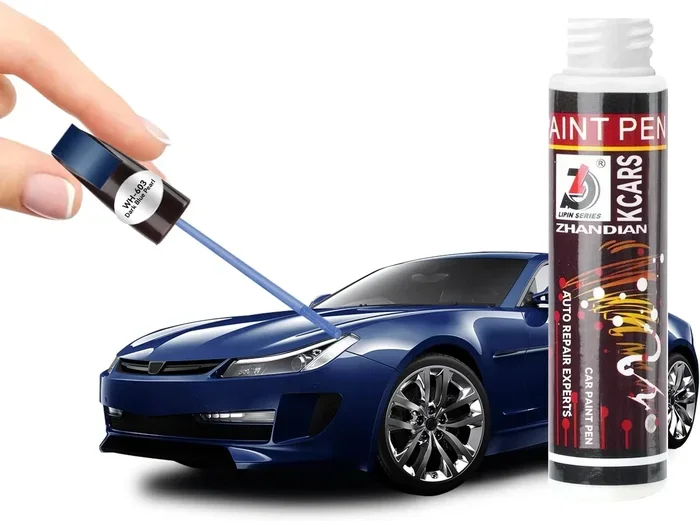
Before we answer the big question, let us cover the basics. Touch-up paint is a small can or bottle of paint designed to fill in chips, scratches, and scuffs on your car’s body. Most touch-up kits include a primer, a base coat that matches your car color, and a clear coat that seals everything in. You apply these layers one by one over the damaged area.
The process is simple, but the science behind it matters. Each layer needs to dry and bond with the one below it. The primer adheres to the bare metal or plastic. The base coat adds color. The clear coat provides a glossy, protective finish. Together, these layers recreate the look of your original factory paint job.
However, fresh touch-up paint is not instantly hard. It goes through a curing process. During curing, the solvents in the paint evaporate, and the paint hardens into a durable shell. This process takes time. And during that time, the paint is fragile. Water, dirt, and physical contact can all damage the repair before it fully sets.
The Three Layers of Touch-Up Paint
Let us quickly break down the three layers you apply during a scratch repair:
- Primer: This is the first layer. It prepares the surface and prevents rust. Primer usually dries within 30 minutes to one hour.
- Base Coat: This is the colored layer that matches your car. It typically dries to the touch within one to two hours.
- Clear Coat: This is the final protective layer. It gives your repair a shiny finish. Clear coat takes the longest to fully cure.
Each layer plays a role in protecting your car. Skipping any of them or rushing the process can lead to peeling, bubbling, or discoloration. That is why timing your wash correctly is so important.
How Long Should You Wait Before Washing After Touch-Up Paint?
The Golden Rule: Wait at Least 48 to 72 Hours
Here is the most important answer to the question can I wash my car after touch-up paint: wait at least 48 to 72 hours. Most automotive experts agree that touch-up paint needs a minimum of two full days to set properly. Some manufacturers recommend waiting up to a full week for the clear coat to fully harden.
Why does this matter so much? Fresh paint is soft and sensitive. If you expose it to water or soap too early, the moisture can seep under the paint layers. This causes bubbling, peeling, or discoloration. You would essentially be undoing your repair work.
The exact waiting time depends on a few factors:
- Type of paint used: Enamel paint dries faster than acrylic. Check the label on your touch-up kit.
- Weather conditions: Humidity and temperature affect drying time. Cold or humid conditions slow curing.
- Thickness of application: Thicker layers take longer to dry than thin, even coats.
- Location of the repair: Paint on horizontal surfaces dries slower than vertical ones because gravity pulls the solvents downward.
What Happens If You Wash Too Soon?
Washing your car too early after a touch-up is one of the most common mistakes drivers make. Here is what can go wrong:
- Paint peeling: Water weakens the bond between the touch-up paint and the original surface.
- Bubbling: Moisture trapped under the paint creates unsightly bubbles.
- Discoloration: Soap and water can cause the fresh paint to fade or change color.
- Smudging: Physical contact from washing can smear the wet paint, ruining the repair.
None of these outcomes are fun to deal with. That is why patience is your best friend during the paint curing process. Wait it out, and your repair will last much longer.
The Right Way to Wash Your Car After Touch-Up Paint
Step-by-Step Guide to Safe Car Washing
So, the paint has cured. It has been at least two days, maybe even a week. Now you are ready to wash. But you cannot just grab a hose and go to town. There is a right way and a wrong way to wash a car with fresh touch-up paint. Follow these steps carefully.
Step 1: Rinse with Lukewarm Water
Start by rinsing the entire car with lukewarm water. Avoid hot water, as it can soften the paint. Use a gentle stream from a garden hose. Do not use a pressure washer on high settings near the repaired area. High pressure can force water under the paint layers and cause damage.
Step 2: Use a Mild Car Wash Soap
Pick a pH-neutral car wash soap. Avoid dish soap, which is too harsh and can strip the clear coat. Mix the soap with water in a bucket according to the product instructions.
Step 3: Wash with a Soft Microfiber Cloth or Sponge
Use a soft microfiber wash mitt or sponge. Never use abrasive scrubbers, brushes, or rough towels. Gently wash the car in sections, starting from the top and working your way down. Be extra careful around the touch-up area. Use light, gentle motions.
Step 4: Rinse Thoroughly
Rinse off all the soap completely. Soap residue left on the paint can cause spots and dullness over time.
Step 5: Dry with a Clean, Soft Towel
Use a clean microfiber drying towel. Pat the car dry gently. Do not rub, especially near the repaired area. Rubbing can create friction that damages the fresh paint.
Quick Tips for a Safe Wash
- Wash your car in the shade. Direct sunlight can cause water spots and slow drying.
- Use two buckets: one for soapy water and one for rinsing your mitt. This prevents dirt from scratching the paint.
- Wash the touch-up area last to minimize its exposure to water and soap.
- Avoid automatic car washes. The brushes and high-pressure sprayers are too harsh for fresh paint repairs.
Can You Use a Pressure Washer?
This is a common question among car owners. The short answer is: be very careful. A pressure washer can be used after the paint has fully cured, which usually takes about a week. Even then, keep the pressure low and stay at least 12 inches away from the touch-up area. High pressure can force water under the paint edges and cause peeling.
If you are unsure, stick to hand washing for the first month after your paint repair. It is safer and gives you more control over the water pressure and soap amount.
Common Mistakes People Make After Applying Touch-Up Paint
Mistake 1: Washing Too Early
This is the number one mistake. Everyone is excited to see their car looking clean and shiny again after a repair. But washing too soon can ruin the entire job. Remember: patience is key. Give the paint at least 48 to 72 hours to cure before any water contact.
Mistake 2: Using the Wrong Soap
Not all soaps are created equal. Dish soap, hand soap, and household cleaners contain chemicals that can damage automotive paint. Always use a dedicated car wash product that is pH-balanced and designed for automotive surfaces.
Mistake 3: Skipping Wax Protection
After your touch-up paint has fully cured, you should apply a coat of car wax. Wax adds an extra layer of protection against UV rays, dirt, rain, and minor scratches. It also gives your car a beautiful shine. Wait at least 30 days after the paint repair before waxing, as the paint needs extended time to fully harden.
Mistake 4: Ignoring the Clear Coat
Some people apply the base coat and call it done. But the clear coat is just as important as the base coat. It protects the color and provides that glossy finish. Without clear coat, your touch-up paint is vulnerable to fading, chipping, and oxidation. Always apply the clear coat as the final step.
Mistake 5: Parking Under Trees
After a paint repair, try to park in a garage or covered area if possible. Tree sap, bird droppings, and falling leaves can all damage fresh paint. These substances are acidic and can eat into the clear coat if left too long.
How to Protect Your Touch-Up Paint for Long-Lasting Results
Apply a Paint Sealant or Ceramic Coating
Once your touch-up paint has fully cured, consider applying a paint sealant or ceramic coating. These products create a strong protective barrier over the paint surface. They repel water, dirt, and UV rays. A ceramic coating, in particular, can last for months or even years with proper care.
This is one of the best car maintenance habits you can adopt after any paint repair. It extends the life of your touch-up and keeps your car looking its best.
Regular Washing Keeps Paint Healthy
Once your touch-up paint is fully cured and protected, regular washing becomes your best defense against damage. Dirt, dust, and road grime can slowly break down paint over time. Washing your car every one to two weeks helps remove these contaminants before they cause harm.
Always use the gentle hand-washing method described earlier. Avoid automatic car washes with rotating brushes. They may be convenient, but they can scratch and wear down your paint over time.
Address New Damage Quickly
If you notice a new chip or scratch, fix it as soon as possible. The longer you wait, the more exposed the bare metal becomes to moisture and oxygen. This leads to rust, which is much harder to repair than a simple paint chip. Keep a touch-up paint kit in your garage for emergencies.
When to See a Professional Instead of DIY Touch-Up
Signs That Your Scratch Needs Professional Help
Touch-up paint kits are great for small chips and shallow scratches. But they are not a fix for every paint problem. Here are signs that you should see a professional:
- The scratch goes through multiple layers of paint down to the bare metal.
- You notice rust forming inside the scratch or chip.
- The damage covers a large area, such as a full panel or door.
- The paint color does not match, even after using a touch-up kit.
- The damage is on a curved or complex surface that is hard to repair evenly.
Professional auto body shops have the tools, equipment, and expertise to handle serious paint damage. They can match your car color precisely and apply paint using professional-grade spray equipment. The results are far superior to a DIY touch-up for major repairs.
Cost vs. Benefit of Professional Paint Repair
Professional paint repair costs more than a DIY touch-up kit. But the results are longer-lasting and more durable. A professional paint job can last for years, while a DIY touch-up may need to be redone every few months if not properly maintained.
If you are unsure whether to DIY or go pro, start with a small touch-up kit for minor damage. If the repair does not look right or the damage worsens, take it to a professional. It is always better to invest in quality repair than to let rust spread.
Key Takeaways
- Wait 48 to 72 hours before washing: Fresh touch-up paint needs time to cure. Washing too soon causes peeling, bubbling, and discoloration.
- Hand wash with mild soap: Use a pH-neutral car wash soap and a soft microfiber cloth. Avoid harsh chemicals and abrasive materials.
- Skip the automatic car wash: High-pressure sprayers and rotating brushes can damage fresh paint repairs. Stick to gentle hand washing.
- Apply wax after full curing: Wait at least 30 days before waxing. Wax adds a protective layer that shields your repair from the elements.
- Avoid common mistakes: Using the wrong soap, skipping the clear coat, and parking under trees are errors that shorten the life of your repair.
- Know when to call a pro: Deep scratches, rust, and large-area damage need professional-grade repair for the best results.
- Maintain regular washing habits: Gentle, regular washing keeps your touch-up paint and overall paint job in excellent condition for years.
Conclusion
So, can I wash my car after touch-up paint? Yes, you absolutely can. But the key is timing and technique. Wait at least 48 to 72 hours after applying touch-up paint. Use gentle hand-washing methods with mild soap and soft cloths. Avoid automatic car washes and pressure washers near the repaired area. And once the paint has fully cured, protect it with wax or a ceramic coating for long-lasting results.
Your car is an investment. Taking care of paint repairs properly ensures that your vehicle stays looking great and stays protected from rust and corrosion. Follow the steps in this guide, and your touch-up paint will hold up beautifully for years to come. Remember: a little patience goes a long way when it comes to paint care.
Now that you know the right way to wash your car after a touch-up, you can confidently keep your vehicle clean and protected. Grab your microfiber cloth, mix up some gentle car wash soap, and give your car the care it deserves. Your paint job will thank you for it.
Frequently Asked Questions
How long does touch-up paint take to fully cure?
Touch-up paint typically takes 48 to 72 hours to dry to the touch and up to 30 days to fully cure. During the first 72 hours, keep the car dry and avoid any water contact. Full curing allows the paint to harden completely and become resistant to washing, waxing, and everyday wear.
Can I use a pressure washer after touch-up paint?
You should avoid using a pressure washer for at least one week after applying touch-up paint. Even then, use the lowest pressure setting and keep the nozzle at least 12 inches away from the repaired area. High pressure can force water under the paint layers and cause peeling or bubbling.
What kind of soap is safe for washing a car with touch-up paint?
Use a pH-neutral, dedicated car wash soap. Avoid dish soap, hand soap, or household cleaners, as they contain harsh chemicals that can strip the paint and clear coat. Brands like Meguiars, Chemical Guys, and Mothers make excellent gentle car wash products.
Should I wax my car after a touch-up paint job?
Yes, but wait at least 30 days after the touch-up. Waxing too soon can trap moisture under the paint and interfere with the curing process. Once the paint is fully hardened, a coat of quality car wax or ceramic coating provides excellent protection against UV rays, dirt, and environmental damage.
Can I drive my car in the rain after touch-up paint?
It is best to avoid driving in heavy rain for at least 48 to 72 hours after applying touch-up paint. Rainwater can seep into the wet paint layers and cause bubbling or peeling. If you must drive in the rain, try to keep the repaired area as dry as possible and wash and dry the car gently as soon as you can.
What should I do if the touch-up paint starts peeling after washing?
If the touch-up paint peels after washing, it likely was not fully cured before water exposure. Sand the peeling area lightly with fine-grit sandpaper, clean the surface, and reapply the primer, base coat, and clear coat. Allow the full curing time before washing again. If the damage is extensive, consider visiting a professional auto body shop for a more durable repair.