Do Toyota Sequoias Last Long Surprising Facts Inside
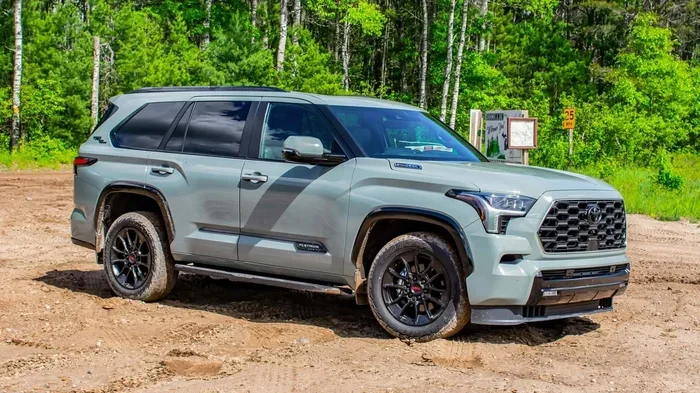
Do Toyota Sequoias last long? The answer is a resounding yes. These full-size SUVs are built with a body-on-frame design and a powerful V8 engine that can easily push past 200,000 miles with proper care. Owners regularly report Toyota Sequoia longevity that outlasts many competitors, making them one of the most durable SUVs on the road today.
When you think about trucks and SUVs that just keep going, the Toyota Sequoia stands near the top. So, do Toyota Sequoias last long? The short answer is absolutely. These full-size SUVs have earned a reputation for durability that few competitors can match. Whether you use yours for family road trips, heavy towing, or daily commuting, the Sequoia is designed with longevity in mind.
Many owners report clocking over 200,000 miles without major issues. Some even push past the 300,000-mile mark. That kind of Toyota Sequoia longevity doesn’t happen by accident. It comes from solid engineering, high-quality materials, and a design philosophy that prioritizes lasting performance over flashy trends.
If you are considering buying a Sequoia or already own one, understanding what makes these vehicles so durable can help you get the most out of your investment. Let us dive into the surprising facts about how long Toyota Sequoias really last.
Key Takeaways
- Toyota Sequoias are built to last: The body-on-frame construction and robust V8 engine contribute to exceptional vehicle longevity.
- Regular maintenance is key: Following a consistent maintenance schedule can help your Sequoia exceed 200,000 miles.
- Resale value stays strong: Even older Sequoias hold their value well due to Toyota’s reputation for reliability.
- Common issues are manageable: Most problems are minor and easy to fix when caught early.
- Used Sequoias are a smart buy: The cost of ownership remains low thanks to durable components and affordable repairs.
📑 Table of Contents
- What Makes Toyota Sequoias So Durable?
- How Many Miles Can a Toyota Sequoia Last?
- Toyota Sequoia Maintenance Schedule
- Common Toyota Sequoia Problems and How to Avoid Them
- Toyota Sequoia Resale Value and Long-Term Investment
- Real-World Longevity: What Owners Are Saying
- Expert Insights on Toyota Sequoia Longevity
- The Bottom Line: Do Toyota Sequoias Last Long?
What Makes Toyota Sequoias So Durable?
The secret behind Toyota Sequoia reliability lies in the fundamentals. Unlike many modern SUVs built on unibody platforms, the Sequoia uses a body-on-frame design. This means the body is mounted on a separate, heavy-duty frame. That structure is the same approach used in traditional trucks, and it is proven to handle stress and wear over time.
The Body-on-Frame Advantage
A body-on-frame design gives the Sequoia incredible structural rigidity. When you hit a pothole, haul heavy cargo, or tow a trailer, the frame absorbs the impact instead of the passenger cabin. This reduces fatigue on the vehicle’s components and helps the SUV maintain its shape and function for many years.
Here are the key structural benefits:
- Stronger under load: The frame handles heavy towing and hauling without bending or warping.
- Better crash protection: The rigid frame provides a solid safety cage for passengers.
- Easier to repair: Body damage is often simpler and less expensive to fix compared to unibody vehicles.
- Longer component life: Suspension and chassis parts last longer because the frame distributes stress evenly.
The V8 Engine That Keeps Going
The Sequoia has been powered by a V8 engine for most of its life. V8 engines are known for their durability because they operate at lower RPMs compared to smaller engines under load. This means less wear on internal components like pistons, rings, and bearings over time.
The current 5.7-liter V8 produces around 381 horsepower and 401 pound-feet of torque. More importantly, it is built with robust internals that can handle sustained heavy use. Many owners use their Sequoias for Toyota Sequoia towing capacity tasks like hauling trailers, boats, and RVs without stressing the engine.
Regular oil changes and using the right Toyota Sequoia maintenance schedule keep this engine running strong for hundreds of thousands of miles.
How Many Miles Can a Toyota Sequoia Last?
This is the question most buyers want answered. The truth is that a Toyota Sequoia’s lifespan depends on several factors, but the baseline is very encouraging.
Average Lifespan Expectations
Most experts agree that a well-maintained Toyota Sequoia can last between 200,000 and 300,000 miles. Some owners go even further. The vehicle’s Toyota Sequoia lifespan is heavily influenced by how it is driven and maintained.
Here is a rough breakdown of what to expect at different mileage milestones:
- 0 to 50,000 miles: Routine maintenance only. The vehicle feels brand new.
- 50,000 to 100,000 miles: Minor wear items like brakes and suspension components may need replacement.
- 100,000 to 150,000 miles: Major service intervals come up, but the engine and transmission remain strong.
- 150,000 to 200,000 miles: With consistent care, the Sequoia is just getting started. Many owners report no major issues.
- 200,000+ miles: The Sequoia enters legendary territory. Regular maintenance becomes even more critical.
Factors That Affect Longevity
Not all Sequoias age the same way. Several factors determine how many miles your SUV will rack up:
- Driving habits: Gentle acceleration and smooth braking reduce wear on the engine and brakes.
- Maintenance consistency: Skipping oil changes or ignoring warning signs shortens any vehicle’s life.
- Climate and storage: Extreme heat, cold, or prolonged outdoor storage can accelerate rust and component fatigue. If you live in a harsh climate, check how long a car can sit in cold weather and take preventive steps.
- Usage type: A Sequoia used primarily for highway cruising will last longer than one used for heavy off-roading or daily stop-and-go traffic.
- Quality of parts: Using OEM Toyota parts for repairs and replacements ensures compatibility and durability.
Toyota Sequoia Maintenance Schedule
Owning a Sequoia comes with a responsibility: keeping up with the maintenance. The good news is that Toyota’s maintenance schedule is straightforward and well-documented.
Essential Maintenance Tasks
Here are the key maintenance items that keep a Sequoia running strong:
- Oil changes every 5,000 to 7,500 miles: Fresh oil keeps the V8 engine lubricated and cool. This is the single most important task for extending engine life.
- Tire rotations every 5,000 to 7,500 miles: Even tire wear improves handling and safety while extending tire life.
- Brake inspections every 15,000 miles: The Sequoia is a heavy vehicle, so brakes wear faster than in lighter cars. Catching worn pads early prevents rotor damage.
- Transmission fluid change every 60,000 to 100,000 miles: Clean transmission fluid keeps shifts smooth and prevents costly repairs.
- Coolant flush every 100,000 miles: This prevents overheating and corrosion inside the engine block.
- Spark plug replacement every 60,000 to 100,000 miles: Fresh spark plugs ensure efficient combustion and smooth performance.
Quick Tips for Keeping Your Sequoia Healthy
Want to maximize your Sequoia’s lifespan? Follow these quick tips:
- Always warm up the engine before driving hard, especially in cold weather.
- Check fluid levels monthly: oil, coolant, brake fluid, and transmission fluid.
- Address unusual noises or warning lights immediately. Ignoring them leads to bigger problems.
- Keep the undercarriage clean, especially in winter when road salt accelerates rust.
- Store the vehicle in a garage whenever possible to protect the paint and seals.
Staying on top of these tasks is far cheaper than dealing with major repairs later. The Toyota Sequoia cost of ownership remains reasonable precisely because preventive maintenance is simple and affordable.
Common Toyota Sequoia Problems and How to Avoid Them
No vehicle is perfect, and the Sequoia is no exception. However, most issues are well-known and manageable when you know what to watch for.
Known Issues to Watch For
Here are some of the most commonly reported Toyota Sequoia common problems:
- Knock sensor failure: This can cause rough idling and reduced power. It is a relatively inexpensive fix.
- Rear differential fluid leaks: Over time, seals can wear and leak fluid. Regular inspections catch this early.
- Wind noise at highway speeds: Older models sometimes develop wind noise around the mirrors or window seals. Replacing seals solves this.
- AC compressor issues: Some owners report AC failures after high mileage. Regular refrigerant checks help prevent this.
- Slip yoke issues: This affects the rear driveshaft and can cause vibration. It is more common in higher-mileage vehicles.
Prevention Is Better Than Repair
The best way to deal with these issues is prevention. Regular inspections during oil changes allow a mechanic to spot early warning signs. Catching a small leak or a worn component before it becomes a major problem saves both money and headaches. If you notice anything unusual, do not ignore it. A quick visit to a trusted mechanic can prevent a costly repair down the road.
Also, if you are buying a used Sequoia, always get a full vehicle history report. Understanding the Toyota Sequoia used value and past maintenance history gives you a clear picture of what to expect going forward.
Toyota Sequoia Resale Value and Long-Term Investment
One of the most surprising facts about the Sequoia is how well it holds its value. Toyota has built a brand reputation for reliability, and that reputation translates directly into strong resale prices.
Why Sequoias Hold Value So Well
Several factors contribute to the Toyota Sequoia resale value:
- Reputation for reliability: Buyers know that a Sequoia will likely last for many more years and miles.
- High demand in the used market: Full-size SUVs with towing capability are always in demand, especially in rural and suburban areas.
- Strong build quality: Buyers feel confident that a used Sequoia is a solid investment, not a gamble.
- Toyota brand loyalty: Many buyers specifically seek out Toyota vehicles because of their proven track record.
Compared to competitors like the Chevrolet Tahoe or Ford Expedition, the Sequoia often commands higher prices on the used market. This is especially true for well-maintained models with lower mileage and clean histories.
The Long-Term Cost of Ownership
When you factor in the strong resale value, the actual cost of owning a Sequoia over the long term is quite reasonable. The Toyota Sequoia cost of ownership stays manageable because:
- Parts are widely available and affordable.
- Repairs are straightforward due to the simple, robust design.
- Mechanics familiar with Toyota vehicles are easy to find.
- Insurance costs remain stable because the vehicle is not considered high-risk.
Many owners find that their Sequoia costs less to own over 10 years than a newer, less durable SUV. That is a powerful argument for choosing this vehicle when longevity matters.
Real-World Longevity: What Owners Are Saying
The best evidence comes from real owners. Online forums and owner communities are filled with stories of Sequoias surpassing 250,000 and even 300,000 miles. These are not rare exceptions. They are common outcomes for owners who follow a consistent maintenance routine.
Some owners mention that the Sequoia feels just as strong at 200,000 miles as it did at 20,000 miles. The engine runs smooth, the transmission shifts without hesitation, and the body remains solid. This kind of Toyota vehicle reliability is what keeps buyers coming back to the brand generation after generation.
For those who use their Sequoias for heavy-duty tasks like towing, the vehicle’s durability really shines. If you are curious about what makes the Sequoia a great towing partner, check out are Toyota Sequoias good for towing for a deep dive into its capabilities.
Similarly, if you are wondering how to maximize any vehicle’s lifespan, the principles are the same. Consistent maintenance, gentle driving, and prompt repairs go a long way. You can learn more about how to make a car last 500,000 miles for broader strategies that apply to the Sequoia and beyond.
Climate also plays a role. If you live in an area with harsh winters or extreme heat, understanding how your environment affects your vehicle is essential. Learn more about how long a car can sit in cold weather and protect your investment accordingly.
Expert Insights on Toyota Sequoia Longevity
Automotive experts consistently rate the Toyota Sequoia as one of the most reliable full-size SUVs available. Consumer Reports, J.D. Power, and other rating agencies give the Sequoia high marks for dependability and owner satisfaction.
What do the experts say about maximizing your Sequoia’s lifespan? They emphasize a few key points:
- Never skip scheduled maintenance. The cost of a routine oil change is tiny compared to the cost of a rebuilt engine.
- Drive gently during the first 100,000 miles. This breaks in the engine and transmission properly and sets the stage for a long life.
- Address small problems immediately. A $50 repair today can prevent a $5,000 repair tomorrow.
- Use genuine Toyota parts or high-quality aftermarket alternatives. Cheap parts may save money upfront but often fail sooner.
Experts also note that the Sequoia’s simplicity works in its favor. Unlike modern vehicles packed with complex electronics, the Sequoia relies on proven mechanical systems that are easier to diagnose and repair. This simplicity is a big reason why the vehicle’s Toyota Sequoia durability remains so strong even as it ages.
The Bottom Line: Do Toyota Sequoias Last Long?
The evidence is clear and overwhelming. Toyota Sequoias do last long. With a body-on-frame design, a proven V8 engine, and Toyota’s legendary build quality, these SUVs are built to go the distance. A well-maintained Sequoia can easily surpass 200,000 miles, and many owners push well beyond 300,000 miles.
The Toyota Sequoia reliability is not an accident. It is the result of thoughtful engineering, quality materials, and a design philosophy that values lasting performance. Add in strong resale value, manageable maintenance costs, and a reputation that keeps buyers coming back, and you have a vehicle that makes excellent sense for anyone who wants a long-term SUV.
If you are in the market for a durable, dependable full-size SUV, the Toyota Sequoia should be at the top of your list. Whether you buy new or used, this vehicle has a proven track record of lasting for many years and many miles. The surprising truth is that the Sequoia is not just built to last. It is built to be the last SUV you ever need.
For more information on Toyota ownership, check out how many years a hybrid will last for insights on vehicle longevity across different Toyota models.
Frequently Asked Questions
How long do Toyota Sequoias typically last?
A well-maintained Toyota Sequoia can last between 200,000 and 300,000 miles. Some owners even reach 300,000+ miles with consistent care and regular maintenance.
What is the main reason Toyota Sequoias last so long?
The body-on-frame design and robust V8 engine are the primary reasons. These components are built for heavy-duty use and hold up exceptionally well over time, giving the Sequoia excellent durability.
Is it expensive to maintain a Toyota Sequoia?
No, maintenance costs are reasonable. Oil changes, brake replacements, and routine services are affordable. The overall Toyota Sequoia cost of ownership stays manageable thanks to widely available parts and simple mechanical design.
Can a used Toyota Sequoia still be a good buy?
Absolutely. Used Sequoias hold their value well and often come with lower purchase prices. A well-maintained used model can provide many more years of reliable service with minimal issues.
What maintenance tasks are most important for longevity?
Regular oil changes, transmission fluid changes, brake inspections, and coolant flushes are the most critical tasks. Staying on top of these items prevents major problems and extends the vehicle’s lifespan significantly.
Do Toyota Sequoias have a lot of common problems?
Not really. Most issues are minor and well-documented, including knock sensor failures and occasional seal leaks. These are easy and affordable to fix, especially when caught during routine maintenance.