Does the 2017 Toyota Corolla Have a Timing Belt or Chain
The 2017 Toyota Corolla uses a timing chain, not a timing belt, across all its engine options. The 1.8L 2ZR-FE engine features a durable chain-driven system designed for long-term reliability with minimal maintenance. Understanding whether your Corolla has a belt or chain helps you plan engine maintenance and avoid costly repairs down the road.
When you own a car, one of the most important things you can do is understand what’s happening under the hood. For owners of the 2017 Toyota Corolla, a common question comes up: does this car have a timing belt or a timing chain? The answer matters a lot. It affects how you maintain your vehicle, what repairs you might face, and how much money you’ll spend over time. Let’s dive into this topic and break it all down in a way that makes sense.
The 2017 Toyota Corolla is one of the most popular compact sedans on the road. Toyota built it with a focus on reliability, fuel efficiency, and low ownership costs. Part of that engineering includes the engine’s timing system. Whether you drive the base L trim or the higher-end SE, every 2017 Corolla comes with the same type of timing component. And that component is a chain, not a belt. This is great news for owners because chains generally last longer and require less frequent attention.
Understanding your car’s engine components helps you make smarter decisions about maintenance schedules and repair budgets. When you know what’s under the hood, you can spot problems early and avoid surprises. In this article, we’ll explore everything you need to know about the timing system in the 2017 Corolla. We’ll cover what a timing chain is, how it works, what maintenance it needs, and how to spot trouble before it becomes expensive.
Key Takeaways
- Timing Chain Design: The 2017 Toyota Corolla uses a timing chain, not a belt, in all engine configurations.
- Long-Lasting Component: The timing chain is built to last the life of the engine with proper maintenance.
- Low Maintenance Needs: Unlike timing belts, chains do not require regular scheduled replacement.
- Watch for Warning Signs: Rattling noises, check engine lights, and rough idling can signal timing chain issues.
- Engine Matters: The 1.8L 2ZR-FE engine in the Corolla is known for reliability and durability.
- Cost Savings: Not needing belt replacements saves owners significant money over the vehicle’s lifetime.
- Regular Oil Changes Help: Clean oil keeps the timing chain and tensioner operating smoothly for years.
📑 Table of Contents
- What Is the Difference Between a Timing Belt and a Timing Chain?
- Which Engine Does the 2017 Toyota Corolla Use?
- Does the 2017 Toyota Corolla Have a Timing Belt or Chain?
- Timing Chain Maintenance for the 2017 Corolla
- Common Signs of Timing Chain Problems
- How to Make Your 2017 Corolla Engine Last a Long Time
- How Does the 2017 Corolla Timing Chain Compare to Other Toyota Models?
- Expert Insights on Timing Chain Longevity
- Key Takeaways
What Is the Difference Between a Timing Belt and a Timing Chain?
Before we get into the specifics of the 2017 Corolla, let’s talk about the basics. Many car owners confuse timing belts with timing chains. They serve the same purpose but work very differently. Knowing the difference helps you understand why your car’s design matters.
What Is a Timing Belt?
A timing belt is a toothed rubber belt that sits outside the engine. It connects the crankshaft to the camshaft. This connection keeps the engine’s valves opening and closing at the right time. Timing belts need regular replacement. Most manufacturers recommend changing them every 60,000 to 100,000 miles. The cost can range from $500 to $1,000 or more, depending on your vehicle. If a timing belt breaks, it can cause serious engine damage.
What Is a Timing Chain?
A timing chain is a metal chain that sits inside the engine. It does the same job as a belt but uses metal links instead of rubber. Timing chains are much more durable. They often last the entire life of the engine. The 2017 Corolla uses a timing chain inside its engine block. This design choice reflects Toyota’s commitment to building reliable, low-maintenance vehicles. You rarely need to replace a timing chain unless something goes wrong.
Which Engine Does the 2017 Toyota Corolla Use?
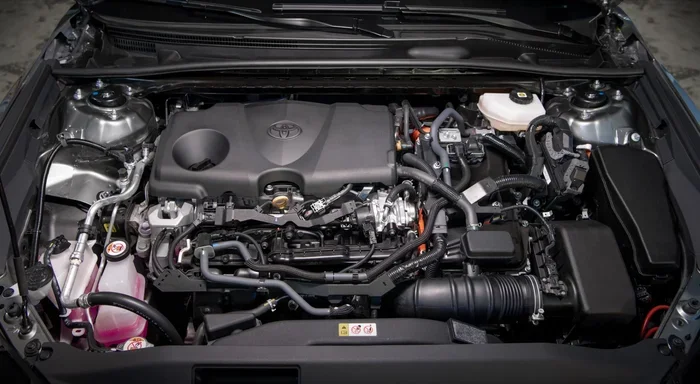
The 2017 Toyota Corolla comes with one engine option in most markets: the 1.8-liter four-cylinder engine. Toyota calls this engine the 2ZR-FE. It produces 132 horsepower and 128 pound-feet of torque. This engine has been a workhorse for Toyota for many years. It appears in several Toyota and Lexus models. The 2ZR-FE engine is known for being smooth, efficient, and dependable.
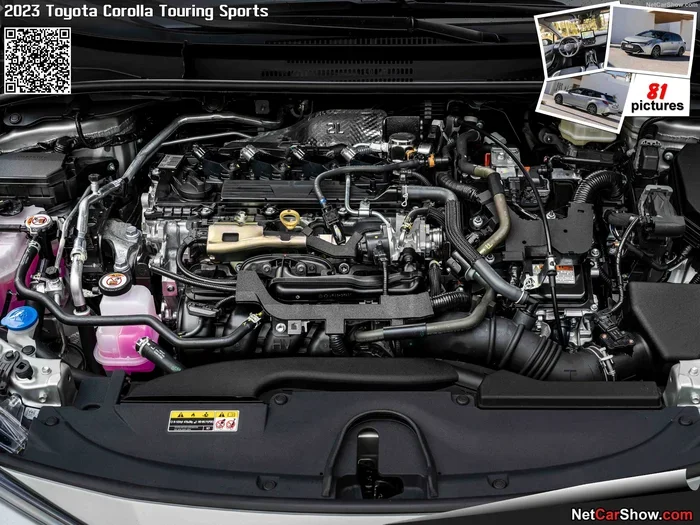
Under the hood, the 2ZR-FE engine uses a chain-driven camshaft system. This means the camshafts are driven by a metal timing chain rather than a rubber belt. The chain connects the crankshaft at the bottom of the engine to the camshafts at the top. This setup ensures precise valve timing at all times. It also means fewer scheduled maintenance items for the owner.
Some other Toyota models use different engines. For example, the Toyota Camry has offered both belt and chain options depending on the year and trim. If you want to compare, you can check out what it’s like with the timing belt replacement schedule on a Toyota Camry for a different perspective. The Camry’s approach differs from the Corolla’s, which shows how Toyota uses different systems depending on the model and engine.
Does the 2017 Toyota Corolla Have a Timing Belt or Chain?
The answer is clear: the 2017 Toyota Corolla has a timing chain. Every trim level and every engine configuration in the 2017 model year uses a chain-driven system. There is no timing belt in any version of the 2017 Corolla. This is consistent with Toyota’s broader strategy of using chains in their modern four-cylinder engines.
The timing chain in the 2ZR-FE engine is located inside the engine block. It runs along the front of the crankshaft and connects to the camshaft sprockets. A timing chain tensioner keeps the chain tight and prevents it from stretching or skipping teeth. The tensioner uses either spring pressure or engine oil pressure to maintain proper chain tension. This design is simple, effective, and built to last.
One of the biggest advantages of a timing chain is that it does not need regular replacement. Unlike a belt, which wears out over time, a chain can last for hundreds of thousands of miles. Of course, proper engine maintenance plays a big role in how long the chain lasts. Regular oil changes with the right grade of oil keep the chain and tensioner working smoothly. Dirty or low oil can accelerate wear on the chain and its components.
Why Toyota Chose a Chain for the Corolla
Toyota has been moving toward chain-driven systems in their smaller engines for years. The reasons are straightforward. Chains last longer. They don’t need scheduled replacement. They are more resistant to temperature changes and environmental factors. For a car like the Corolla, which is designed as an affordable daily driver, a chain makes perfect sense. It reduces long-term ownership costs and minimizes unexpected repairs.
Owners of older Corolla models might remember timing belts. Some earlier generations of the Corolla did use belts. But Toyota made the switch to chains in the 2ZR-FE engine family. If you are coming from an older vehicle or are new to the Corolla brand, this change is worth knowing about. It means your maintenance schedule is simpler and your engine is more durable.
Timing Chain Maintenance for the 2017 Corolla
Even though the timing chain in the 2017 Corolla is designed for long life, it still needs some attention. The good news is that the maintenance requirements are minimal. Most owners will never need to replace the chain. But understanding what keeps it healthy helps you get the most out of your engine.
Oil Changes Are Critical
The single most important thing you can do for your timing chain is change your oil regularly. The timing chain and tensioner rely on clean engine oil for lubrication. Over time, oil breaks down and loses its effectiveness. Dirty oil can cause the chain to stretch or the tensioner to fail. Toyota recommends oil changes every 5,000 to 7,500 miles for normal driving conditions. If you drive in severe conditions, you should shorten that interval.
Using the correct oil grade is also important. The 2ZR-FE engine performs best with 0W-20 synthetic oil. This oil weight provides excellent lubrication while improving fuel economy. Using the wrong oil can lead to increased wear on engine components, including the timing chain. Always check your owner’s manual for the recommended oil specification.
Timing Chain Tensioner Care
The timing chain tensioner is a small but vital component. It keeps the chain at the proper tension. If the tensioner fails, the chain can skip teeth or come off the sprockets. This can cause serious engine damage. The tensioner in the 2ZR-FE engine is designed to last a very long time. However, low oil levels or poor oil quality can shorten its lifespan.
Keeping your oil at the proper level is an easy way to protect the tensioner. If you notice your oil level dropping frequently, have a mechanic check for leaks. Addressing small issues early prevents bigger problems later. This is one of those engine maintenance habits that pays off over the life of the vehicle.
When to Inspect the Timing Chain
In most cases, the timing chain does not need inspection during normal service intervals. However, if you start to notice symptoms of chain wear, it is worth having a mechanic take a look. Common signs include a rattling noise when the engine starts, a check engine light, or rough idling. These symptoms can also point to other issues, so a proper diagnosis is important.
Some owners wonder about the timing chain replacement cost. If the chain does need replacement, the cost can be significant. It typically ranges from $1,000 to $2,500 depending on the shop and your location. The repair involves removing engine components to access the chain. This is why prevention through good oil maintenance is so important. A little oil change goes a long way toward avoiding a big repair bill.
Common Signs of Timing Chain Problems
While timing chain failures are rare in the 2017 Corolla, they can happen. Knowing the warning signs helps you catch problems early. Early detection can save you from expensive engine repairs.
- Rattling Noise on Startup: A metallic rattling sound when you first start the engine is a common sign of chain stretch. The noise usually goes away after the engine warms up. But don’t ignore it.
- Check Engine Light: A stretched chain can cause the engine to run poorly. This often triggers the check engine light. The code may point to camshaft or crankshaft position sensor issues.
- Rough Idle: If the chain is loose, the valves may not open and close at the right time. This causes a rough or uneven idle.
- Engine Misfires: A chain that has skipped teeth can cause misfires. You may feel hesitation or stumbling during acceleration.
- Metal Shavings in Oil: During an oil change, if your mechanic finds metal shavings, it could indicate chain wear. This is a serious sign that should be investigated immediately.
If you notice any of these symptoms, have your vehicle inspected by a qualified mechanic as soon as possible. Ignoring timing chain problems can lead to catastrophic engine failure. The chain controls the precise timing of the engine’s valves. When it fails, the pistons can collide with the valves. This type of damage often means a complete engine rebuild or replacement.
Some owners also wonder about warning lights on the dashboard. If you see a wrench light or another warning indicator, it might be related to engine issues. To learn more about what dashboard lights mean, check out this guide on does the wrench light mean an oil change. Understanding your dashboard warnings helps you stay on top of engine health.
How to Make Your 2017 Corolla Engine Last a Long Time
The 2017 Toyota Corolla is built to last. With proper care, the engine can easily reach 200,000 miles or more. The timing chain is just one part of the equation. Following a few simple maintenance practices keeps your entire engine healthy and strong.
Follow the Maintenance Schedule
Toyota provides a detailed maintenance schedule in the owner’s manual. Following this schedule ensures that all engine components receive proper attention. The schedule covers oil changes, spark plug replacements, air filter changes, and more. Sticking to this plan is one of the best ways to protect your engine and its timing components.
If you want to keep your car running strong for years, regular maintenance is non-negotiable. Many owners ask how to make their car last longer. The answer is simple: stay on top of oil changes, address issues early, and drive responsibly. For more tips on extending your car’s life, check out this guide on how to make a car last 500 thousand miles and beyond.
Use Quality Parts and Fluids
When it comes to engine maintenance, quality matters. Using genuine Toyota parts and recommended fluids ensures that your engine operates as designed. Cheap oil or aftermarket parts may save money upfront but can cause problems down the road. The timing chain and tensioner work best with clean, high-quality oil that meets Toyota’s specifications.
Drive with Care
How you drive affects how long your engine lasts. Avoid aggressive acceleration and hard braking when possible. These habits put extra stress on all engine components, including the timing chain. Smooth, steady driving reduces wear and helps your engine stay healthy for the long haul.
Keep the Cooling System in Good Shape
Engine temperature affects the timing chain and its components. Overheating can cause the chain to expand and the tensioner to fail. Make sure your cooling system is in good working order. Check the coolant level regularly and have the system inspected according to the maintenance schedule. A well-maintained cooling system protects the entire engine.
How Does the 2017 Corolla Timing Chain Compare to Other Toyota Models?
To put things in perspective, let’s look at how the 2017 Corolla’s timing chain compares to other Toyota models. Different Toyota vehicles use different timing systems depending on the engine.
| Vehicle | Engine | Timing System | Replacement Needed? |
|---|---|---|---|
| 2017 Toyota Corolla | 1.8L 2ZR-FE | Timing Chain | No, unless worn |
| 2017 Toyota Camry (4-cylinder) | 2.5L 2AR-FE | Timing Chain | No, unless worn |
| Older Toyota Corolla (pre-2009) | 1.8L 1ZZ-FE | Timing Belt | Yes, every 60K-100K miles |
| 2017 Toyota 4Runner | 4.0L 1GR-FE | Timing Chain | No, unless worn |
As you can see, Toyota has largely moved to chain-driven systems across its lineup. The older Corolla models with timing belts required more frequent maintenance. The 2017 Corolla benefits from Toyota’s shift to chains. This means less scheduled maintenance and more peace of mind for the owner.
For those interested in how the Corolla’s engine compares to other Toyota powertrains, it’s worth noting that the Corolla’s 1.8L engine is similar in design to the engines found in the Toyota RAV4 and Toyota Matrix from the same era. The chain system is a proven design that Toyota has refined over many years. It offers a great balance of reliability, efficiency, and durability.
Expert Insights on Timing Chain Longevity
According to Toyota engineers, the timing chain in the 2ZR-FE engine is designed to last the life of the vehicle under normal operating conditions. In real-world use, many 2017 Corolla owners have driven well over 200,000 miles without ever needing a timing chain replacement. The key factor is consistent oil maintenance.
Mechanics who specialize in Toyota vehicles agree. They say that 90% of timing chain issues in the 2ZR-FE engine come from neglected oil changes. When oil is not changed regularly, it breaks down and loses its lubricating properties. This accelerates wear on the chain, tensioner, and sprockets. A simple oil change every 5,000 to 7,500 miles can prevent most chain-related problems.
If you are buying a used 2017 Corolla, ask the seller about their oil change history. A well-maintained Corolla with regular oil changes will likely have a healthy timing chain. A Corolla with a spotty maintenance record might need attention sooner. Always get a pre-purchase inspection from a trusted mechanic before buying a used vehicle.
Key Takeaways
- Timing Chain Design: The 2017 Toyota Corolla uses a timing chain, not a belt, in all engine configurations.
- Long-Lasting Component: The timing chain is built to last the life of the engine with proper maintenance.
- Low Maintenance Needs: Unlike timing belts, chains do not require regular scheduled replacement.
- Watch for Warning Signs: Rattling noises, check engine lights, and rough idling can signal timing chain issues.
- Engine Matters: The 1.8L 2ZR-FE engine in the Corolla is known for reliability and durability.
- Cost Savings: Not needing belt replacements saves owners significant money over the vehicle’s lifetime.
- Regular Oil Changes Help: Clean oil keeps the timing chain and tensioner operating smoothly for years.
Frequently Asked Questions
Is it expensive to replace a timing chain on a 2017 Toyota Corolla?
Timing chain replacement can be costly, typically ranging from $1,000 to $2,500. The expense comes from the labor involved, as the engine needs to be partially disassembled to access the chain. However, most Corolla owners never need this repair because the chain is designed to last the life of the engine with proper oil maintenance.
How do I know if my 2017 Corolla has a timing belt or chain?
The 2017 Toyota Corolla has a timing chain in all engine configurations. You can confirm this by checking your owner’s manual or looking up the engine code (2ZR-FE). The chain sits inside the engine block and does not require the periodic replacement that a timing belt does.
Can a timing chain stretch on a 2017 Corolla?
Yes, timing chains can stretch over time, especially if oil changes are neglected. However, stretching is rare in well-maintained engines. The 2ZR-FE engine’s chain is designed with durability in mind, and most owners will never experience chain stretch during normal ownership.
What happens if the timing chain breaks on a 2017 Corolla?
A broken timing chain is a serious problem. It can cause the pistons to collide with the valves, resulting in extensive engine damage. Symptoms of a failing chain include rattling on startup, rough idle, and engine misfires. If you notice these signs, have your vehicle inspected immediately to prevent catastrophic damage.
Does the 2017 Corolla timing chain need to be replaced as part of scheduled maintenance?
No. The timing chain does not need to be replaced as part of regular scheduled maintenance. Toyota designed the chain to last the life of the engine. The only maintenance required is keeping the oil clean and at the proper level through regular oil changes.
Are there any recalls related to the timing chain on the 2017 Toyota Corolla?
As of the latest available information, there are no recalls specifically related to the timing chain on the 2017 Toyota Corolla. Toyota has not issued any campaigns addressing premature chain wear in the 2ZR-FE engine used in this model year. Always check the NHTSA website for the most up-to-date recall information for your specific vehicle.
=== CONCLUSION ===
The 2017 Toyota Corolla comes equipped with a timing chain, not a timing belt. This is one of the many reasons the Corolla remains such a popular choice for reliable, affordable transportation. The chain-driven system in the 1.8L 2ZR-FE engine is built to last, requiring minimal maintenance beyond regular oil changes.
Understanding your car’s timing system empowers you as an owner. You can make informed decisions about maintenance, spot warning signs early, and avoid unnecessary repairs. The simplicity of the chain design means fewer things to worry about and more money saved over the life of the vehicle.
Keep up with your oil changes, watch for unusual sounds, and stay on top of your maintenance schedule. These simple habits will keep your 2017 Corolla’s engine running smoothly for hundreds of thousands of miles. The timing chain is one component that you can trust to do its job quietly and reliably for years to come. Take care of your car, and it will take care of you.