Car Stopped Running While Driving and Wont Start Now
A car that stops running while driving and wont start again is one of the most stressful situations any driver can face. This guide covers the most common reasons your engine died on the road and wont crank back, from fuel system failures to electrical problems. You will learn how to diagnose the issue yourself, what fixes work best, and how to prevent it from happening again.
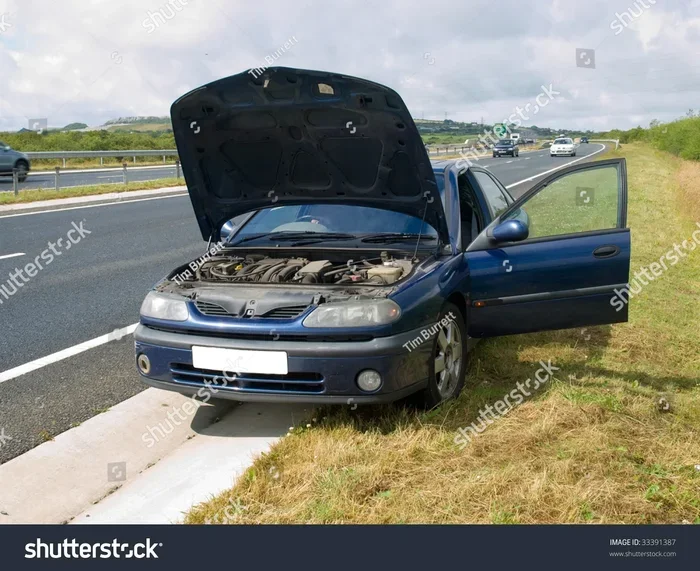
There is nothing quite like the panic of a car stopped running while driving and wont start now. One moment you are cruising along, and the next, the engine dies. The steering gets heavy. The dashboard goes dark. And when you turn the key, nothing happens.
This situation can happen to anyone. It does not matter how new or old your vehicle is. A sudden engine stall while driving can leave you stranded on the highway or in a parking lot. The good news is that most causes are fixable. And many of them are easy to diagnose if you know what to look for.
In this article, we will walk you through every possible reason your car stopped running while driving and wont start now. We will cover fuel problems, electrical failures, ignition issues, and more. You will also learn what to do on the roadside and how to prevent it from happening again.
Let us get into it. By the end of this guide, you will understand why your vehicle broke down and what steps to take next.
Key Takeaways
- Fuel system failure is one of the top reasons a car stops running while driving and wont start back up.
- Electrical problems like a dead battery or bad alternator can cause sudden stalling and ignition failure.
- Ignition system faults including worn spark plugs or a failing crankshaft sensor often lead to engine stall.
- Knowing the warning signs before a breakdown can save you from being stranded on the roadside.
- Regular maintenance greatly reduces the risk of car breakdown caused by preventable issues.
- When in doubt, call a professional mechanic to avoid making the problem worse.
📑 Table of Contents
Why Your Car Stopped Running While Driving
When a car stops running while driving and wont start, the cause usually falls into one of three categories. These are fuel, ignition, or electrical. Each system plays a vital role in keeping your engine alive. If any one of them fails, your vehicle will shut down.
Think of your car like a human body. The fuel is the food. The ignition system is the brain sending signals. The electrical system is the heart pumping energy. If one of these stops working, the whole body shuts down. The same thing happens with your vehicle.
Understanding these three systems will help you narrow down the problem quickly. Let us look at each one in detail.
Fuel System Failures
The fuel system delivers gasoline or diesel from the tank to the engine. If the fuel supply gets cut off, the engine will stall immediately. Here are the most common fuel-related problems.
- Empty fuel tank – This sounds obvious, but it happens more often than you think. Always keep your tank at least a quarter full.
- Clogged fuel filter – A dirty filter blocks fuel from reaching the engine. This causes a loss of power and eventual stalling.
- Failing fuel pump – The fuel pump pushes gas from the tank to the engine. When it goes bad, the engine starves and dies.
- Bad fuel injector – Injectors spray fuel into the engine. If one or more fail, the engine will not run properly.
A clogged fuel filter is one of the most overlooked causes of a car breakdown. Most drivers forget to replace their fuel filter on schedule. This simple maintenance task can prevent a lot of headaches.
Ignition System Problems
The ignition system creates the spark that ignites the fuel in your engine. Without a proper spark, the engine cannot run. Here are the main ignition-related causes of stalling.
- Worn spark plugs – Old spark plugs produce a weak spark. This leads to misfires and eventually a full engine stall.
- Ignition coil failure – The coil converts battery power into the high voltage needed for sparking. A bad coil means no spark.
- Crankshaft position sensor failure – This sensor tells the engine computer when to fire the spark. If it fails, the engine shuts off instantly.
- Distributor problems – In older vehicles, the distributor manages spark timing. Wear and tear can cause it to fail.
A failing crankshaft sensor is one of the sneaky causes of a vehicle breakdown. Your car may run fine one moment and die the next. There is often no warning. This is why regular check-ups matter.
Electrical System Malfunctions
The electrical system powers everything from the starter motor to the dashboard lights. When electrical issues arise, they can cause a sudden car stopped running while driving situation.
- Dead battery – A dead battery cannot power the starter. Your car will not crank at all.
- Alternator failure – The alternator charges the battery while driving. A bad alternator drains the battery quickly.
- Bad starter motor – The starter motor cranks the engine. If it fails, you will hear nothing when you turn the key.
- Blown fuse or relay – A single blown fuse can disable critical systems and cause an engine stall.
Many drivers do not realize that the alternator and battery work together. If the alternator fails, the battery takes over. But the battery cannot power the car for long on its own. This is why alternator failure often leads to a complete ignition failure.
Common Causes Your Engine Won’t Start
So your car died and now it won’t start. What went wrong? Let us look at the most common reasons a vehicle will not turn over after stalling.
Fuel Pump Failure
The fuel pump is the heart of your fuel system. It pushes gasoline from the tank to the engine under pressure. When the fuel pump goes bad, fuel cannot reach the combustion chamber.
You might notice warning signs before the pump completely fails. These include a whining noise from the tank, difficulty starting, or a loss of power when accelerating. If the pump dies completely, your car stopped running while driving and wont start now.
Replacing a fuel pump is not cheap. The average cost ranges from 400 to 800 dollars depending on your vehicle model. But it is far cheaper than being stranded on the side of the road.
Ignition Switch Problems
The ignition switch controls the flow of electricity to the starter and ignition system. Over time, the internal contacts wear out. When this happens, you may turn the key and hear nothing at all.
Signs of a bad ignition switch include flickering dashboard lights, difficulty turning the key, and the engine cutting out while driving. If you suspect the ignition switch, have a mechanic test it right away.
Timing Belt or Chain Failure
The timing belt or chain keeps the engine’s valves and pistons synchronized. If it breaks, the engine will stop immediately. In some engines, a broken timing belt causes serious internal damage.
This is one of the more expensive repairs. But it is also one of the most preventable. Regular maintenance and following your manufacturer’s replacement schedule can save you thousands of dollars.
Sensor Failures
Modern vehicles rely on dozens of sensors to run properly. Two sensors in particular are notorious for causing sudden stalling.
- Crankshaft position sensor – As mentioned above, this sensor is critical for spark timing. When it fails, the engine dies on the spot.
- Camshaft position sensor – This sensor works with the crankshaft sensor to manage fuel injection timing. A failure can cause a car breakdown while driving.
Both sensors are relatively inexpensive to replace. A crankshaft sensor replacement usually costs between 100 and 250 dollars. This makes it one of the easiest and most affordable fixes for a stalling engine.
Diagnosing the Problem Step by Step
When your car stopped running while driving and wont start now, you need a systematic approach to diagnosis. Jumping to conclusions will only waste time and money. Follow these steps to narrow down the cause.
Step 1: Check the Fuel Level
Start with the simplest thing first. Look at your fuel gauge. Is the tank empty or near empty? Sometimes the fuel gauge sensor fails and gives a false reading. If you are low on fuel, add some and try again.
Step 2: Turn the Key and Listen
When you turn the key, pay close attention to what you hear.
- Nothing at all – This usually points to a dead battery, bad starter, or ignition switch problem.
- Single click – This often means the starter motor is trying but not engaging. Check the battery voltage first.
- Rapid clicking – This is a classic sign of a low or dead battery. The starter is trying to engage but does not have enough power.
- Engine cranks but won’t fire – This means the starter works but the engine is not getting fuel or spark.
Step 3: Check the Dashboard Warning Lights
Before your car died, did you see the check engine light flash or stay on? This light is your vehicle’s way of telling you something is wrong. If you have an OBD2 scanner, plug it in and read the error codes. These codes can point you directly to the problem.
Step 4: Inspect the Fuel System
Listen for a humming sound when you turn the key to the “on” position (not the start position). You should hear the fuel pump prime for a few seconds. If you hear nothing, the fuel pump may be dead. You can also check the fuel filter for clogs.
Step 5: Test the Battery and Alternator
Use a multimeter to test your battery voltage. A healthy battery should read 12.6 volts or higher. If it reads below 12 volts, the battery is weak or dead. Have someone test the alternator output while the engine is running. It should read between 13.5 and 14.5 volts.
Step 6: Check for Spark
Remove a spark plug and reattach it to the ignition coil. Ground the metal part of the plug against the engine block. Have someone turn the key. You should see a bright blue spark. No spark means a problem with the ignition coil, crankshaft sensor, or wiring.
How to Fix Each Cause
Once you have identified the problem, you can take action. Some fixes are simple enough to do at home. Others require a professional mechanic. Here is a breakdown of common fixes.
Fixing a Dead Battery
If your battery is dead, you have a few options. You can jump-start the car using jumper cables and another vehicle. You can also use a portable jump starter if you keep one in your trunk. If the battery is old (over three to five years), replace it with a new one.
Quick tip: Always keep a set of jumper cables in your car. They can save you in more situations than you think.
Replacing a Fuel Pump
A fuel pump replacement requires some mechanical knowledge. You will need to access the pump inside the fuel tank. If you are not comfortable doing this yourself, take your vehicle to a mechanic. The cost typically ranges from 400 to 800 dollars for parts and labor.
Changing Spark Plugs
Replacing spark plugs is one of the easiest maintenance tasks you can do. Most vehicles need new spark plugs every 30,000 to 100,000 miles depending on the type. A set of spark plugs costs between 20 and 50 dollars. This is a great way to prevent ignition failure and keep your engine running smoothly.
Fixing a Clogged Fuel Filter
A clogged fuel filter restricts fuel flow to the engine. Replacing it is inexpensive and straightforward. Most fuel filters cost between 15 and 50 dollars. Check your owner’s manual for the replacement schedule.
Replacing the Crankshaft Position Sensor
This is a relatively simple repair. The sensor is usually located near the crankshaft pulley at the bottom of the engine. Unplug the electrical connector, remove the mounting bolt, and pull out the old sensor. Install the new one and reconnect. The whole job can be done in under an hour.
Fixing Alternator Problems
A failing alternator needs to be replaced or rebuilt. The cost of a new alternator ranges from 300 to 600 dollars including labor. If you notice dimming headlights or electrical issues while driving, get the alternator checked immediately. Ignoring it will lead to a dead battery and a vehicle breakdown.
Preventing Future Breakdowns
The best way to deal with a car stopped running while driving and wont start now situation is to prevent it from happening in the first place. Regular maintenance is your best defense against unexpected car breakdown events.
Follow a Regular Maintenance Schedule
Stick to the maintenance schedule in your owner’s manual. This includes oil changes, spark plug replacements, fuel filter changes, and timing belt inspections. Staying on top of these tasks keeps all your vehicle’s systems working properly.
Watch for Warning Signs
Your car usually gives you clues before a major failure. Pay attention to these warning signs:
- Engine misfires or stumbles
- Difficulty starting the car
- Dashboard warning lights illuminating
- Unusual noises from the engine bay
- Decreased fuel efficiency
- Electrical issues like dimming lights
If you notice any of these signs, get your vehicle inspected right away. Catching a problem early can save you from a roadside emergency.
Keep Your Fuel System Clean
Use quality fuel from reputable stations. Consider adding a fuel system cleaner to your tank every few months. This helps prevent carbon buildup and keeps your injectors and fuel pump working properly.
Test Your Battery Regularly
Have your battery tested at every oil change or at least twice a year. Most auto parts stores offer free battery testing. Replace your battery before it dies unexpectedly. A good battery lasts three to five years on average.
Keep Emergency Supplies in Your Car
Being prepared for a roadside emergency can make a huge difference. Keep these items in your trunk at all times:
- Jumper cables or a portable jump starter
- Flashlight
- Basic tool kit
- Spare fuses
- Phone charger
- Reflective warning triangles
These items can help you handle minor issues on your own and keep you safe while waiting for help.
When to Call a Professional
Some car problems are DIY-friendly. Others require the skills and tools of a trained mechanic. You should call a professional if:
- Your car dies and you cannot identify the cause
- You smell burning or see smoke under the hood
- The engine makes unusual knocking or grinding noises
- You have checked the battery and fuel but the car still will not start
- Multiple warning lights are on the dashboard
- You are stranded in an unsafe location
There is no shame in calling for help. A roadside assistance membership can be a lifesaver in these situations. Services like AAA or your insurance roadside package can tow you to a trusted mechanic.
When you do call a mechanic, describe the symptoms clearly. Tell them when the car died, what you heard, and any warning lights you saw. This information helps the mechanic diagnose the problem faster and more accurately.
Cost Estimates for Common Repairs
Understanding the potential costs can help you budget and make informed decisions. Here is a quick comparison of common repairs related to a car stopped running while driving and wont start now situation.
| Repair | Average Cost | Difficulty Level |
|---|---|---|
| Battery replacement | 100 – 250 dollars | Easy |
| Starter motor replacement | 300 – 500 dollars | Moderate |
| Fuel pump replacement | 400 – 800 dollars | Moderate to Hard |
| Spark plug replacement | 50 – 150 dollars | Easy |
| Crankshaft sensor replacement | 100 – 250 dollars | Easy to Moderate |
| Alternator replacement | 300 – 600 dollars | Moderate |
| Timing belt replacement | 500 – 1,000 dollars | Hard |
| Ignition coil replacement | 100 – 250 dollars | Easy |
Costs vary depending on your vehicle make and model, your location, and the mechanic you choose. Always get a quote before authorizing any repair work.
Key Takeaways
- Fuel system failure is one of the top reasons a car stops running while driving and wont start back up.
- Electrical problems like a dead battery or bad alternator can cause sudden stalling and ignition failure.
- Ignition system faults including worn spark plugs or a failing crankshaft sensor often lead to engine stall.
- Knowing the warning signs before a breakdown can save you from being stranded on the roadside.
- Regular maintenance greatly reduces the risk of car breakdown caused by preventable issues.
- When in doubt, call a professional mechanic to avoid making the problem worse.
Conclusion
A car stopped running while driving and wont start now is a frightening experience. But it does not have to be the end of the road. By understanding the common causes and knowing how to diagnose the problem, you can take control of the situation. Whether the issue is a dead battery, a failing fuel pump, or a bad crankshaft sensor, most causes are fixable.
Regular maintenance is your best friend. Change your spark plugs, replace your fuel filter, test your battery, and listen to your car. These simple habits can prevent most engine stall situations before they happen.
If you do find yourself stranded, stay calm. Follow the diagnostic steps in this guide. And do not hesitate to call for professional help when needed. Your safety always comes first.
Now you have the knowledge to handle a car stopped running while driving and wont start now situation with confidence. Share this guide with a friend who might need it. And remember, the best breakdown is the one that never happens.
Frequently Asked Questions
Why did my car stop running while driving and wont start now?
The most common reasons are fuel system failure, ignition problems, or electrical issues. A dead battery, failing fuel pump, bad crankshaft sensor, or worn spark plugs can all cause this. Start by checking the battery and fuel level, then move on to spark and fuel delivery tests.
Can a bad alternator cause my car to stop running and not start again?
Yes, absolutely. A failing alternator drains your battery while driving. Once the battery is depleted, the engine will stall and will not crank again. If your headlights were dimming before the car died, the alternator is likely the culprit.
How do I know if my fuel pump is bad?
Signs of a failing fuel pump include a whining noise from the tank, hesitation when accelerating, and difficulty starting. If the pump dies completely, the engine will stall and refuse to start. You can test this by listening for the fuel pump hum when you turn the key to the “on” position.
Is it safe to drive a car that has stalled and won’t start?
No, it is not safe. A stalled vehicle is a hazard on the road. Pull over to a safe location, turn on your hazard lights, and call for roadside assistance. Do not attempt to push the car or keep driving it.
How much does it cost to fix a car that stopped running while driving?
The cost depends entirely on the cause. Simple fixes like spark plugs or a fuel filter cost under 100 dollars. More complex repairs like a fuel pump or alternator can range from 300 to 800 dollars. Always get a diagnostic before committing to a repair.
Can a clogged fuel filter cause my car to stall while driving?
Yes, a clogged fuel filter restricts fuel flow to the engine. This can cause a loss of power, rough idling, and eventually a full engine stall. Replacing the fuel filter is a quick and inexpensive fix that can prevent this problem.