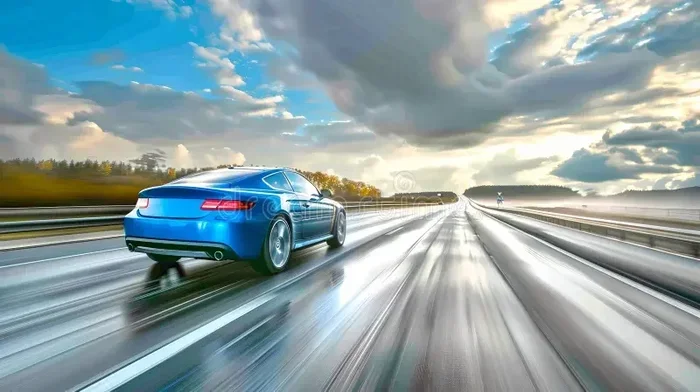
A Car Is Moving With a Speed of 30m S and Why It Matters
A car is moving with a speed of 30m s, which equals roughly 108 km/h or 67 mph. Understanding this speed helps drivers grasp stopping distances, kinetic energy, and road safety in real-world driving situations. This guide breaks down the physics, risks, and practical tips every driver should know.
When a car is moving with a speed of 30m s, it is traveling at roughly 108 kilometers per hour or 67 miles per hour. This is a speed that many drivers encounter on highways and open roads every single day. Understanding what 30 meters per second really means can change the way you think about road safety, stopping distance, and vehicle dynamics. In this article, we break down the physics, the risks, and the practical tips that every driver should know. By the end, you will see why driving speed matters more than most people realize.
Speed is something we all deal with behind the wheel. Whether you are commuting to work or heading out on a road trip, your vehicle speed affects everything from fuel economy to safety. But how often do we stop to think about what our speed really means in practical terms? When a car is moving with a speed of 30m s, it is not just a number on a speedometer. It represents real-world forces, distances, and risks that every driver should understand.
Many drivers go through their daily routines without thinking about the physics of motion. Yet knowing basic concepts like kinetic energy, momentum, and braking distance can make you a safer, more confident driver. This article explores what happens when a car moves at 30 meters per second and why that speed is so important to understand.
Key Takeaways
- 30m/s is a common highway speed: It represents about 108 km/h, which many drivers experience daily on highways and open roads.
- Stopping distance increases dramatically: At 30m/s, your car needs roughly 90 to 105 meters to come to a full stop on a dry road.
- Kinetic energy grows with speed: Doubling your speed quadruples the energy involved in a collision, making high-speed driving far more dangerous.
- Reaction time is critical: Even a one-second delay adds nearly 30 meters of travel before your brakes are even applied.
- Road conditions change everything: Wet or icy roads can nearly double your stopping distance at this velocity.
- Speed limits are scientifically calculated: They account for stopping distances, road design, and average driver reaction times.
- Proper vehicle maintenance matters: Well-maintained tires and brakes significantly reduce stopping distance at 30m/s.
📑 Table of Contents
What Does 30m/s Actually Mean?
Before we dive into the details, let us make sure we understand the basics. 30 meters per second is a unit of speed used in physics and engineering. It tells us how far an object travels in one second. When your car is moving at 30m/s, it covers 30 meters every single second. That is about the length of a basketball court. It sounds abstract, but it becomes very real when you are behind the wheel.
Understanding Meters Per Second
The meter per second is the standard unit of speed in the International System of Units, or SI. Most countries around the world use this system for scientific and technical purposes. When you see 30m/s, it means the vehicle covers 30 meters in one second of travel time. This is a precise and universal way to describe vehicle speed.
In everyday driving, you are more likely to see kilometers per hour or miles per hour on your speedometer. But understanding meters per second helps you appreciate the physics of driving. It connects your daily experience with the science of motion. When a car is moving with a speed of 30m s, you are dealing with real forces that affect every aspect of your drive.
Converting 30m/s to Familiar Units
Let us put 30m/s into perspective. Here are some common conversions that make this speed easier to visualize:
- Kilometers per hour: 30m/s equals approximately 108 km/h
- Miles per hour: 30m/s equals approximately 67 mph
- Feet per second: 30m/s equals about 98 feet per second
- Knots: 30m/s equals roughly 58 knots
Now you can see why 30m/s feels so fast on the road. It is well above typical city speeds and firmly in the range of highway driving. This is the kind of speed where small mistakes can have serious consequences. Even a minor error in judgment at this driving speed can lead to a dangerous situation.
Quick Tip: A good rule of thumb is that 1 m/s is roughly 2.24 mph. So to convert any speed from meters per second to mph, multiply by 2.24. This simple trick helps you estimate your vehicle speed in familiar units whenever you encounter a physics-based number.
How Far Does a Car Travel at 30m/s?
Distance and speed are closely connected. When your car moves at 30m/s, it covers a surprising amount of ground in very little time. Let us look at some real numbers to see just how far you travel at this speed and why it matters for your safety on the road.
Distance Covered in One Second
At 30m/s, your car travels 30 meters in one second. That is about 98 feet. To put that in perspective, it is roughly the length of a semi-truck and trailer combined. In the time it takes you to blink, your car has moved the length of a basketball court. This is why reaction time matters so much at highway speeds.
Even a one-second distraction means your car has moved nearly 100 feet with no one actively controlling it. That is a terrifying thought when you consider how often drivers take their eyes off the road, even for just a moment. A quick glance at a phone, a sip of coffee, or a glance at a passenger can all cost you precious seconds at this velocity.
Distance Covered Over Time
Here is how far a car travels at 30m/s over different time periods. These numbers really help put the speed into perspective:
- 1 second: 30 meters (98 feet)
- 3 seconds: 90 meters (295 feet)
- 5 seconds: 150 meters (492 feet)
- 10 seconds: 300 meters (984 feet)
- 1 minute: 1,800 meters (1.8 km or 1.1 miles)
These numbers show just how quickly distance adds up at this speed. A short glance at your phone for five seconds means you have traveled nearly half a kilometer without looking at the road. That is longer than five football fields placed end to end. This is one of the main reasons distracted driving is so dangerous at highway speeds.
Common Mistake: Many drivers underestimate how far they travel at highway speeds. They think a quick look at a phone or a moment of daydreaming is harmless. In reality, at 30m/s, your car covers almost 100 meters in just three seconds. That is longer than a football field, and it happens in the blink of an eye.
The Physics Behind a Car Moving at 30m/s
Driving is not just about steering and braking. It is governed by the laws of physics. When a car is moving with a speed of 30m s, several physical forces come into play. Understanding these forces helps explain why high-speed driving demands more respect, attention, and skill than lower-speed driving.
Kinetic Energy and Speed
Kinetic energy is the energy an object possesses because of its motion. The formula for kinetic energy is KE equals one-half times mass times velocity squared. Notice that velocity is squared in this equation. This means that kinetic energy increases dramatically with speed. When your car moves at 30m/s, its kinetic energy is proportional to the square of that speed.
If you double the speed to 60m/s, the kinetic energy does not just double. It quadruples. This is why high-speed collisions are so much more destructive. The energy in a crash at 30m/s is far greater than most people expect. A seemingly small increase in speed can lead to a dramatically more severe accident. This is the fundamental reason why speed limits exist and why they are enforced so strictly on highways.
Momentum in Motion
Momentum is another key concept in physics. It is the product of mass and velocity. A heavier vehicle moving at 30m/s has more momentum than a lighter one. This means it takes more force to stop it. Your brakes must work harder to overcome the momentum of a heavy SUV compared to a small sedan. This is why vehicle weight is an important factor in braking performance.
Momentum also explains why car dynamics change at higher speeds. The faster you go, the more momentum your vehicle carries. This affects how your car handles turns, how it responds to braking, and how it behaves in unexpected situations. A sudden swerve at 30m/s generates far more momentum than the same maneuver at 30 km/h. This is why smooth, controlled inputs are so important at highway speeds.
Friction and Tire Traction
Friction between your tires and the road surface is what allows your car to stop, turn, and accelerate safely. At 30m/s, the demands on your tires are significant. The faster you move, the more heat builds up in the tires. This can reduce tire traction, especially on wet or uneven surfaces. The relationship between speed and friction is not always intuitive, but it plays a major role in your safety.
This is why maintaining proper tire pressure and tread depth is so important for highway driving. Worn tires at high speeds are a serious safety risk. The friction your tires can generate decreases as speed increases, making braking less effective and handling less predictable. Regular tire maintenance is one of the simplest ways to stay safe at this velocity.
Expert Insight: Automotive engineers design vehicles with specific speed ratings for a reason. Tires rated for highway use are built to handle the heat and friction generated at sustained speeds of 30m/s and beyond. Always check that your tires match your driving habits and the speeds you regularly travel. Investing in quality tires is investing in your safety.
Stopping Distance at 30m/s: What Drivers Need to Know
One of the most important things to understand about driving at 30m/s is stopping distance. This is the total distance your car travels from the moment you decide to stop to the moment the car comes to a complete halt. At highway speeds, this distance can be surprisingly long, and understanding it can literally save your life.
Reaction Time and Braking Distance
Stopping distance has two main components that every driver should understand. The first is reaction distance, which is how far your car travels while you react to a hazard. The average driver takes about 1.5 seconds to react. At 30m/s, that means your car travels 45 meters before your foot even touches the brake pedal. That is almost half the length of a soccer field.
The second component is braking distance. This is how far the car travels while the brakes are slowing it down. At 30m/s on a dry road, braking distance is roughly 45 to 60 meters. Combined, your total stopping distance at this speed can be around 90 to 105 meters, or nearly the length of a football field. This is a sobering thought that underscores the importance of staying alert and maintaining safe following distances.
How Road Conditions Affect Stopping
Road conditions play a huge role in stopping distance. Here is a comparison of how different conditions affect your ability to stop at 30m/s:
| Condition | Reaction Distance (m) | Braking Distance (m) | Total Stopping Distance (m) |
|---|---|---|---|
| Dry road, good tires | 45 | 45 | 90 |
| Wet road | 45 | 70 | 115 |
| Icy road | 45 | 120 | 165 |
| Wet road, worn tires | 45 | 90 | 135 |
As you can see from the table, road conditions can nearly double your stopping distance. Ice is especially dangerous because it drastically reduces tire traction and braking effectiveness. Even wet roads on a good day add significant distance to your stopping requirements. Always adjust your driving speed and following distance based on current road conditions. What feels like a safe gap on a dry day may be dangerously short on a wet road.
Quick Tips for Reducing Stopping Distance:
- Keep your tires properly inflated and check tread depth regularly
- Maintain your brake system with regular inspections and pad replacements
- Reduce speed when roads are wet, icy, or uneven
- Stay alert to minimize reaction time and avoid distractions
- Avoid sudden braking; apply brakes steadily and firmly for maximum control
Common Mistake: Many drivers follow too closely at highway speeds. The recommended following distance at 30m/s is at least 3 to 4 seconds. This gives you enough space to react and brake safely. Tailgating at this speed is one of the leading causes of rear-end collisions. If someone is following you too closely, safely increase your following distance even further to give yourself more room.
Real-World Scenarios: When You Are Traveling at 30m/s
Theoretical physics is useful, but real-world driving is where the rubber meets the road, so to speak. Let us look at common situations where a car is moving with a speed of 30m s and what that means for your safety and the safety of others on the road.
Highway Driving
Highways are designed for higher speeds, and 30m/s is a common cruising speed on many interstate roads around the world. At this highway speed, you are covering nearly 1.1 miles every minute. This means that a moment of inattention can lead to covering a dangerous distance very quickly before you even realize what has happened.
Highway driving also involves merging, lane changes, and navigating around slower vehicles. All of these maneuvers require extra space and time at 30m/s. Always check your mirrors, signal early, and make smooth, deliberate movements. The acceleration needed to merge onto a highway at this speed should be planned well in advance. Last-second merges are dangerous and stressful for everyone involved.
Overtaking and Passing
Overtaking another vehicle at 30m/s requires careful judgment and precise timing. You need enough speed difference to complete the pass quickly and safely. The acceleration of your vehicle determines how long you spend in the opposing lane, which is one of the most dangerous moments in highway driving. The longer you spend in the wrong lane, the greater the risk of a head-on collision.
Never attempt a pass unless you are certain you have enough clear distance. At 30m/s, closing speeds can be very high when meeting oncoming traffic. A misjudgment at this speed can have fatal consequences. If you are unsure whether a pass is safe, it is always better to stay behind and wait for another opportunity. Patience saves lives.
Emergency Situations
What happens when something unexpected appears on the road at 30m/s? Your reaction time becomes the most critical factor in the outcome. A child running into the road, a sudden obstacle in your lane, or a vehicle braking heavily ahead of you all require immediate and decisive action. At this speed, there is very little margin for error.
The best approach is to stay alert and keep a safe following distance. This gives you the time and space to react appropriately. Remember, at this speed, every half-second counts. Practicing defensive driving techniques can make a life-saving difference. Scan the road ahead, anticipate the actions of other drivers, and always have an escape plan in mind. These habits transform you from a passive driver into an active, safe one.
Expert Insight: Professional driving instructors recommend the “3-second rule” for highway speeds. Pick a fixed object on the road ahead, such as a sign or a bridge pillar, and count the seconds between when the car ahead passes it and when you reach it. At 30m/s, you should maintain at least a 4-second gap for added safety, especially in less-than-ideal conditions.
How to Stay Safe at Highway Speeds
Driving at 30m/s does not have to be dangerous. With the right habits and awareness, you can enjoy highway driving with confidence and peace of mind. Here are the key strategies for staying safe at this common but demanding speed.
Maintain a Safe Following Distance
The single most important safety habit at highway speeds is maintaining adequate following distance. At 30m/s, a 3-second following distance gives you about 90 meters of space. This is your buffer for reaction and braking. In poor weather, extend this to 5 or 6 seconds. The extra distance gives you room to handle unexpected situations calmly and safely.
Following distance is not just about the car directly in front of you. It also gives you a clear view of the road ahead, allowing you to anticipate problems before they become emergencies. This is a core principle of road safety that many drivers overlook. The farther ahead you look, the more time you have to respond to changes in traffic, road conditions, or potential hazards.
Anticipate and React Early
Defensive driving is all about anticipation. When you are traveling at 30m/s, you should be scanning the road at least 300 meters ahead. Look for brake lights, traffic signals, pedestrians, cyclists, and any potential hazards. The earlier you spot a problem, the more time you have to respond safely and smoothly. This proactive approach separates good drivers from great ones.
Avoid aggressive driving behaviors like tailgating, weaving between lanes, or speeding up to beat a yellow light. These habits increase the risk of accidents at high speeds significantly. Smooth, predictable driving keeps you and others safe on the road. Consistency in your driving actions helps other drivers predict your behavior, which reduces the chance of misunderstandings and collisions.
Keep Your Vehicle in Top Condition
A well-maintained car handles better at high speeds. Regular maintenance of your brakes, tires, suspension, and engine ensures that your vehicle performs as expected when you need it most. At 30m/s, the difference between a well-maintained car and a neglected one can be the difference between a close call and a serious accident. Your vehicle is your responsibility, and keeping it in top shape is a duty every driver should take seriously.
- Check tire pressure at least once a month and before long trips
- Replace brake pads when they show signs of wear or reduced performance
- Ensure all lights and signals are working properly for visibility and communication
- Keep windshield wipers in good condition for clear visibility in all weather
- Schedule regular alignment checks for stable and predictable handling
Quick Tip: Before any long highway trip, take five minutes to check your tire pressure, fluid levels, and lights. This simple habit can prevent breakdowns and improve your safety at high speeds. A few minutes of preparation can save you hours of trouble on the road.
Speed Limits and Why They Exist
Speed limits are not arbitrary numbers chosen at random. They are carefully calculated based on road design, traffic patterns, and stopping distance requirements. When a car is moving with a speed of 30m s, it is often close to or at the highway speed limit in many countries around the world. Understanding why these limits exist helps drivers appreciate their importance.
Speed limits take into account factors like road curvature, visibility distances, pedestrian activity, and the expected reaction time of average drivers. Exceeding the speed limit means you are accepting more risk than the road was designed to handle. It also means your braking distance will be longer than what the speed limit assumes. Every kilometer per hour over the limit reduces your margin of safety.
Respecting speed limits is one of the simplest and most effective ways to stay safe on the road. They are there to protect everyone, including you, your passengers, and other road users. The next time you are tempted to push the speedometer a little higher, remember the physics and the real-world consequences that come with every extra kilometer per hour.
Conclusion
A car is moving with a speed of 30m s represents a real and common driving speed that demands respect and attention. From the physics of kinetic energy and momentum to the practical realities of stopping distance and road safety, there is a lot to understand about this velocity. When you grasp what 30 meters per second really means, you become a more informed and safer driver.
Remember that your vehicle speed affects everything: how far you travel, how much energy is in a potential collision, and how much space you need to stop safely. By maintaining proper following distances, keeping your vehicle well-maintained, and staying alert at all times, you can enjoy the freedom of highway driving with confidence. Speed is not just a number on a dashboard. It is a responsibility that comes with every trip you take.
The next time you are cruising at 30m/s, take a moment to appreciate the physics at work and the importance of every decision you make behind the wheel. Stay safe, stay alert, and always drive within conditions that match the road and weather around you. Your awareness and good habits are your best tools for staying safe at any speed.
Frequently Asked Questions
What does 30m/s mean in km/h?
30 meters per second is approximately 108 kilometers per hour. This conversion is calculated by multiplying 30m/s by 3.6. It is a common highway speed in many countries and represents a pace that requires careful attention and safe driving habits.
How long does it take to stop at 30m/s?
The total stopping time at 30m/s depends on road conditions and driver reaction time. On a dry road with good tires, it typically takes about 5 to 6 seconds from the moment you perceive a hazard to the moment the car stops. This includes roughly 1.5 seconds of reaction time and 3 to 4 seconds of active braking.
Is 30m/s a safe highway speed?
30m/s is generally considered a safe highway speed when road conditions are good and drivers follow safety guidelines. However, safety depends on many factors including following distance, vehicle condition, weather, and driver alertness. Always adjust your speed and behavior to match current conditions.
How does speed affect fuel consumption at 30m/s?
Fuel consumption increases at higher speeds due to greater aerodynamic drag. At 30m/s, a typical sedan uses more fuel than it would at city speeds. Maintaining a steady 30m/s on a highway is generally more fuel-efficient than frequent acceleration and braking, which is why cruise control can be helpful on long trips.
What is the difference between speed and velocity?
Speed is a scalar quantity that tells you how fast an object is moving, while velocity is a vector quantity that includes both speed and direction. When a car is moving with a speed of 30m s, we are only talking about how fast it goes. If we say the velocity is 30m/s north, we are also specifying the direction of travel.
How can I improve my braking distance at highway speeds?
You can improve braking distance by maintaining your tires, keeping your brakes in good condition, and reducing speed when conditions are poor. Avoid sudden hard braking when possible, as this can cause skidding. Regular vehicle maintenance and smooth driving habits are the best ways to ensure your brakes perform at their best at 30m/s.